

Pike Fishing: The Complete Guide to Seasons, Gear, and Techniques
Pike fishing can be as simple as casting a lure along a weed edge or as technical as using electronics to locate baitfish over deep structure. The challenge, and the reason we keep coming back to it, is that pike rarely behave the same way for long. Water temperature, seasonal movement, weather, and forage all affect where they hold and how they respond to different presentations.
At Master Fishing Guide (MFG), our experience comes from fishing and studying pike across both European and North American waters. While every fishery has its own character, the same seasonal principles appear again and again. Learning how those patterns repeat in different lakes and rivers has shaped the advice throughout this guide.
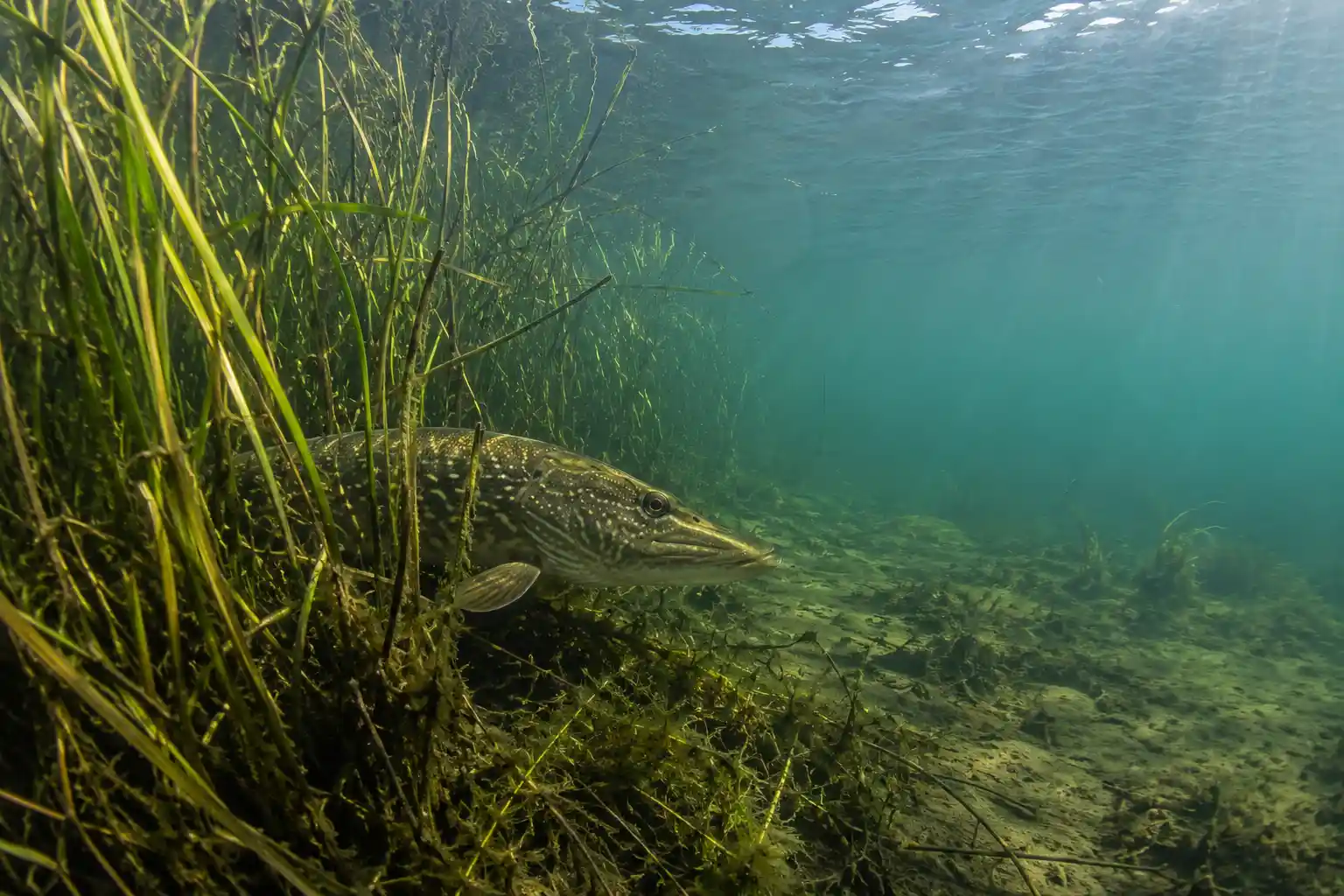
Instead of focusing on one season or a single technique, this guide brings together the fundamentals that matter most—from understanding seasonal movements and locating active fish to choosing the right gear and adapting your approach throughout the year. Whether you’re targeting your first northern pike or looking to catch bigger fish more consistently, you’ll find practical advice built around real time on the water.
What Is Pike Fishing?
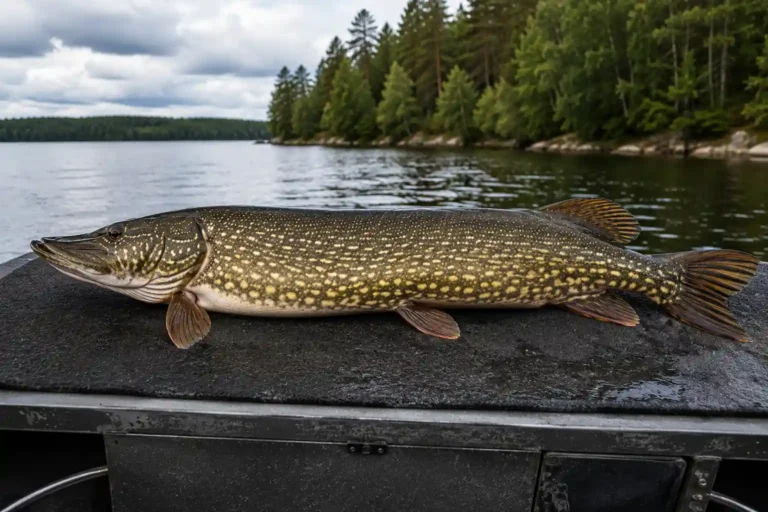
Pike fishing is the pursuit of northern pike (Esox lucius), one of the most widespread freshwater predators in the world. Found throughout much of Europe, North America, and parts of Asia, pike inhabit natural lakes, reservoirs, slow-moving rivers, canals, and shallow backwaters, giving anglers a wide range of waters to explore.
Rather than staying in one area year-round, pike shift between different parts of a lake or river as conditions change. A shallow bay that holds active fish during one part of the year may become nearly empty a few months later, while deeper structure or current breaks become far more productive. Recognizing those movements is one of the foundations of successful pike fishing.
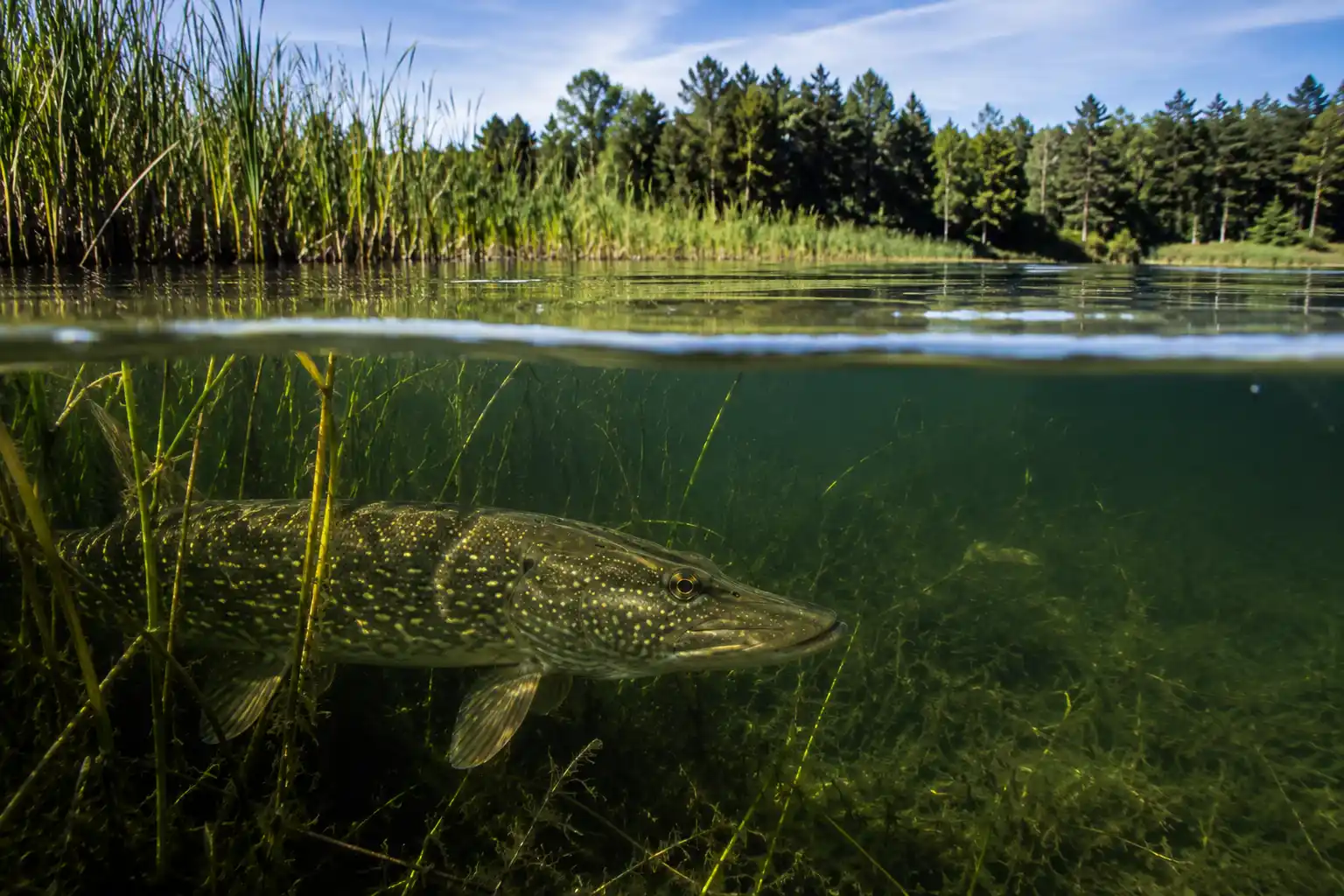
Whether you’re casting from the bank, fishing from a boat, or exploring a new body of water, the fundamentals remain the same. Success starts with knowing where to look, when fish are most active, which techniques match the conditions, and how to choose gear that fits the way you fish. The rest of this guide will walk through each of those fundamentals step by step.
Where to Find Pike
Pike are ambush predators that spend much of their time close to structure where they can intercept prey with minimal effort. Rather than searching every part of a lake or river, focus on the areas that naturally concentrate baitfish and provide nearby cover, then adjust your search as the year progresses.
Spring is a period of gradual movement. Before spawning, pike leave their wintering areas and begin moving toward shallower water, but they don’t appear everywhere at once. Bays connected to deeper water usually attract fish first, while isolated shallow areas often remain quiet. River pike also behave differently from lake fish, using current breaks and slower water as they move toward spawning areas. For a complete seasonal breakdown, see our Spring Pike Locations guide.
Summer finds many pike relating to healthy weed growth, especially along outside weed edges where cover meets open water. On larger lakes, points and depth transitions that attract baitfish also become reliable starting areas. Instead of roaming aimlessly, pike usually stay close to structure that offers both food and an effective ambush position. Learn more in Where to Find Pike in Summer.
As fall progresses, water cooling gradually changes where baitfish gather, and pike follow those food sources. Early in the season they may still use shallow vegetation, but as conditions continue to change, they become increasingly associated with outside weed edges, points, breaklines, and other structures where prey concentrates before winter. Our detailed Where to Find Pike in Fall guide explains these seasonal movements in depth.
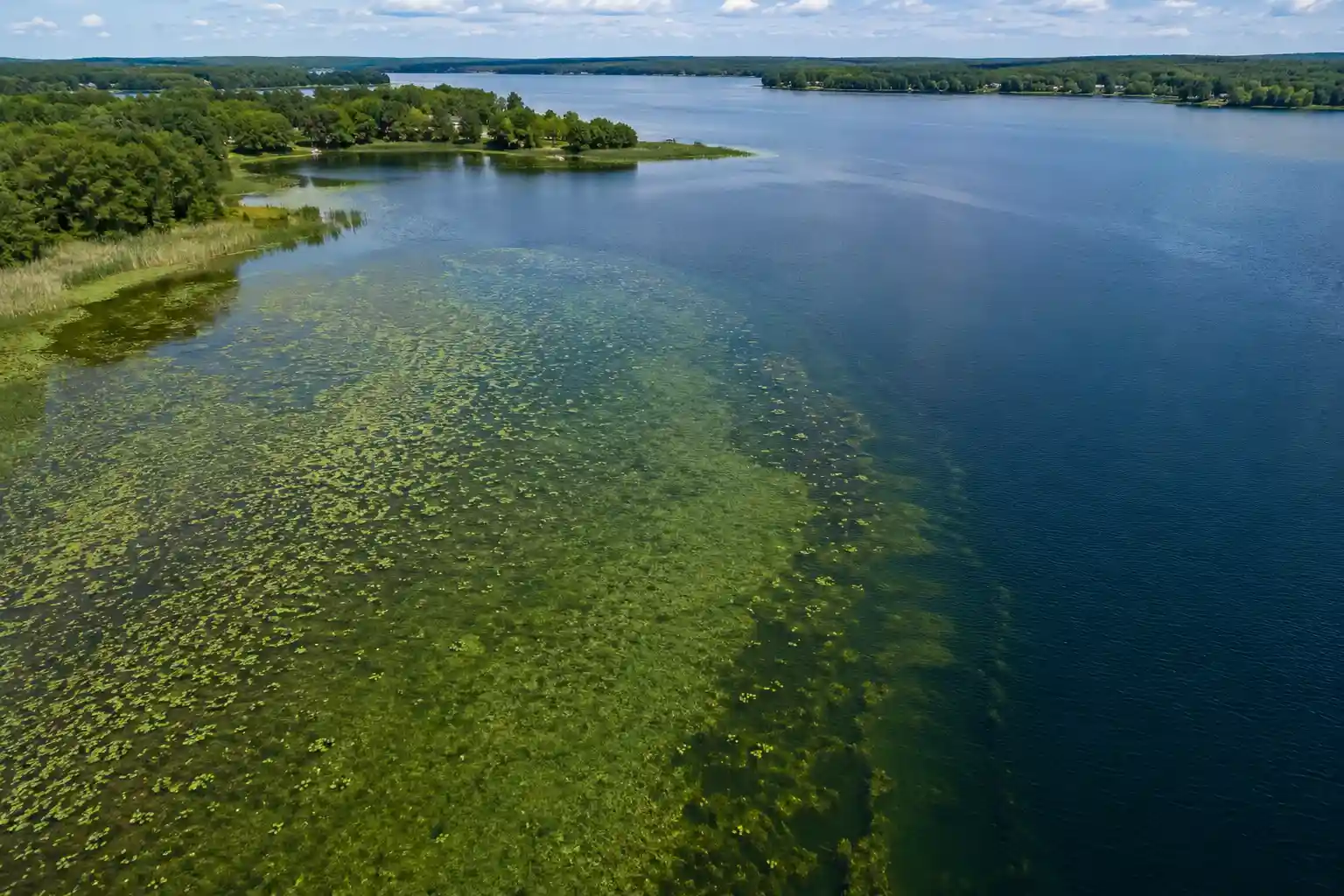
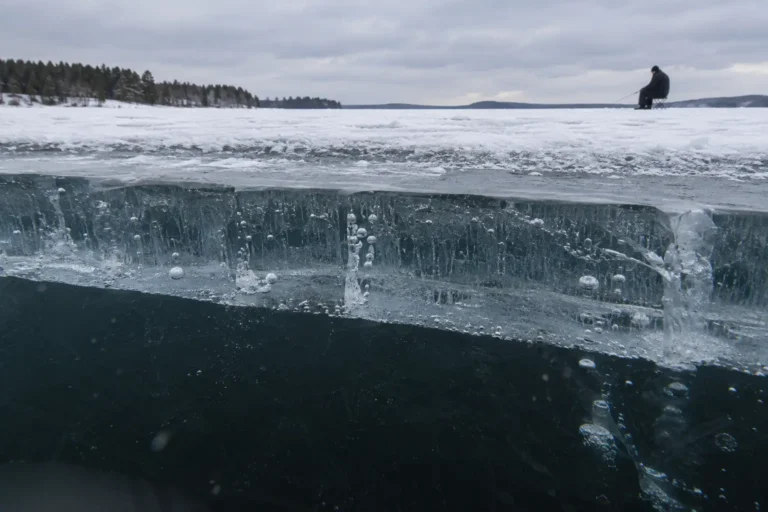
Winter is less about finding the deepest water and more about finding stable conditions. In deep lakes, that often means deeper areas, while shallow lakes may continue to hold active pike at moderate depths. River fish frequently position in slower current where they can conserve energy while remaining close to feeding opportunities. For a full explanation, visit Where Monster Pike Sit in Winter.
These seasonal patterns provide a reliable starting point, but every fishery develops its own rhythm. Learning how pike use available habitat on your local water is what turns general knowledge into consistently better decisions.
When to Fish for Pike
Pike can be caught throughout the year, but there isn’t a single season, month, or time of day that’s always best. Their feeding activity changes throughout the year, making timing just as important as choosing the right location or lure. Understanding these seasonal windows will help you plan more productive trips.
Spring marks the return of consistent pike activity as fish begin moving toward their spawning grounds. Some of the year’s best opportunities often occur during the pre-spawn period, but the exact timing depends on local conditions rather than the calendar. Our Best Time to Catch Pike in Spring guide explains how to recognize these feeding windows.
Summer often rewards anglers who adapt their schedule to changing conditions. Early mornings, evenings, and overcast days are frequently productive, while prolonged heat can shift feeding activity into shorter periods. Learn how to make the most of the season in Best Time to Catch Pike in Summer.
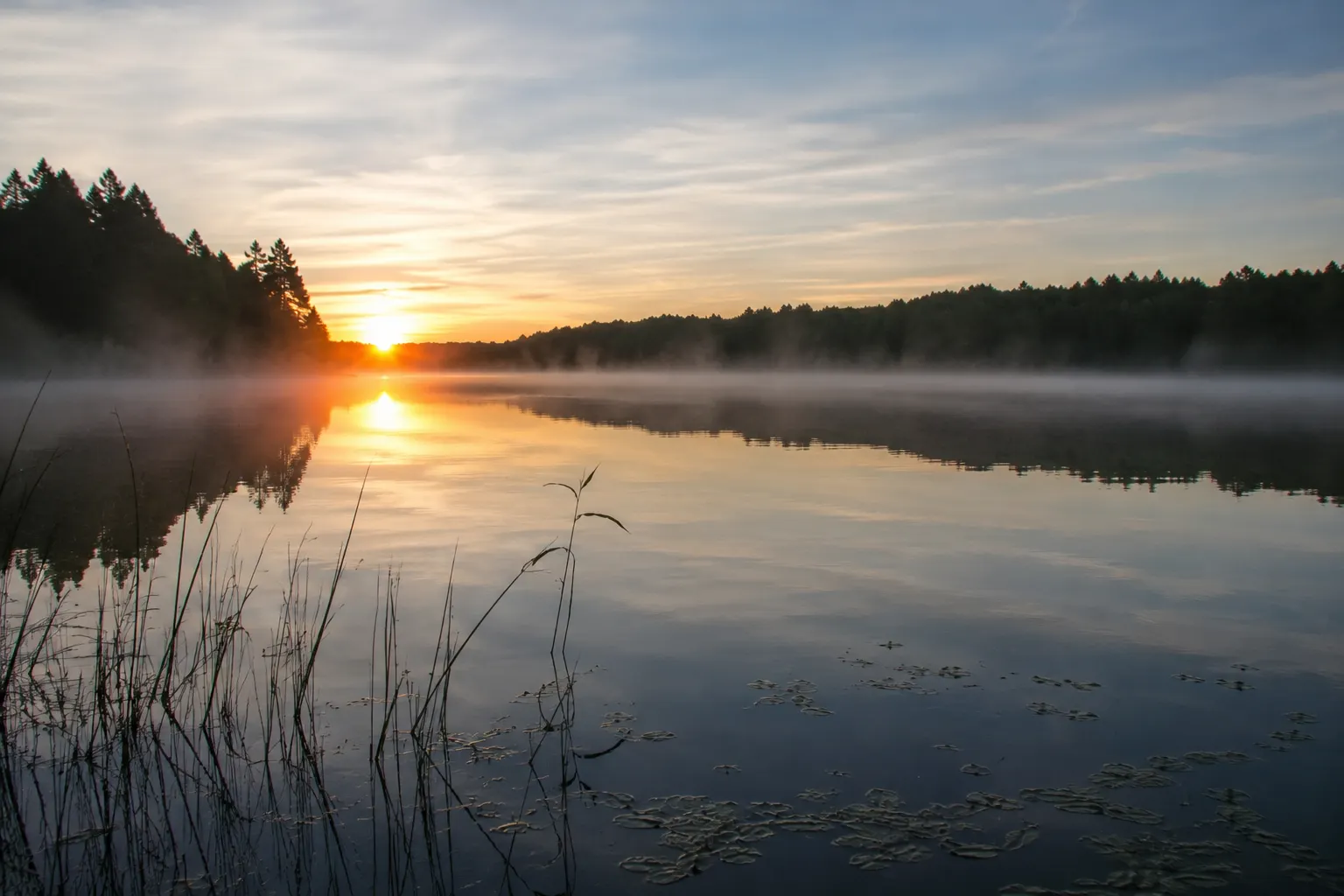
Fall remains one of the most productive times of the year, but feeding windows continue to change as the water cools. Early fall often offers longer periods of activity, while late fall commonly shifts the best bite toward the middle of the day, with feeding windows becoming more closely tied to water temperature. Our Best Time for Fall Pike Fishing guide covers these seasonal changes in detail.
Winter can still provide outstanding pike fishing, especially when barometric pressure begins to fall. During more stable weather, dawn and dusk often become the most dependable feeding periods, while changing pressure can trigger short but intense feeding windows at any time of day. Learn how these conditions affect winter activity in our Exact Barometric Pressure for Winter Pike guide.
Rather than looking for one universal “best” time, successful pike anglers learn how seasonal conditions influence feeding activity and adjust their plans to match those changing windows.
Pike Fishing by Season
Pike behavior changes more throughout the year than many anglers realize. Fish that spend their time in shallow vegetation during one season may be using completely different parts of the same lake or river just a few months later. Understanding these seasonal transitions makes it much easier to choose the right location, presentation, and overall approach.
Spring marks the beginning of a new annual cycle as pike leave their wintering areas and gradually move toward spawning habitat. As water temperatures rise, their location and feeding activity can change quickly, making this one of the most dynamic periods of the year. Learn more in our Spring Pike Fishing guide.
Summer often requires anglers to adjust to warmer water and changing fish behavior. Healthy weed growth, outside weed edges, and other structures that attract baitfish become key areas to focus on, while feeding activity may shift to different parts of the day depending on local conditions. Our Summer Pike Fishing guide explains how to adapt your strategy throughout the season.
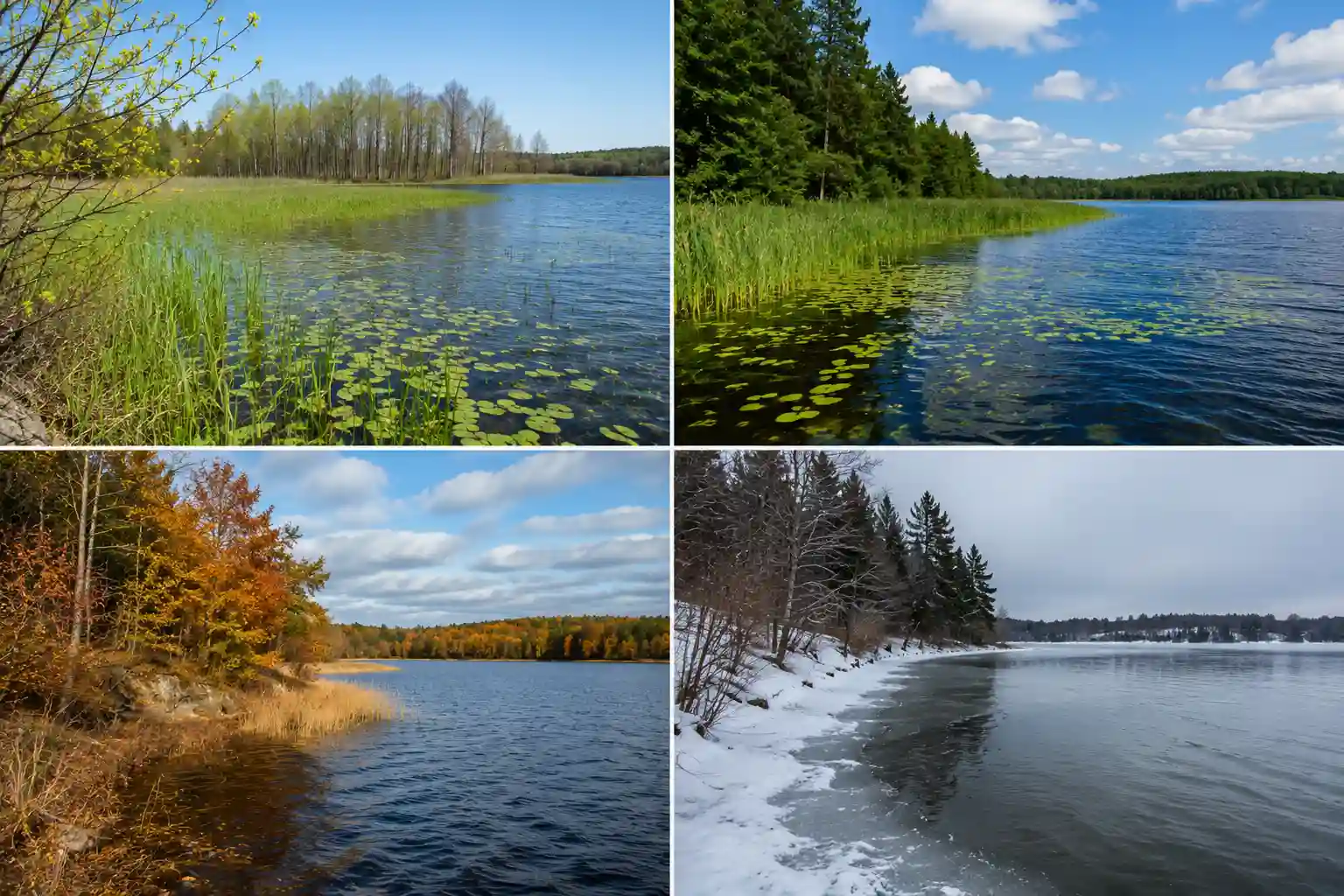
Fall is driven by cooling water and the movement of baitfish. As pike prepare for winter, their behavior continues to evolve, creating new opportunities for anglers who understand how seasonal conditions influence fish location and feeding activity. Explore our complete Fall Pike Fishing guide for a detailed breakdown.
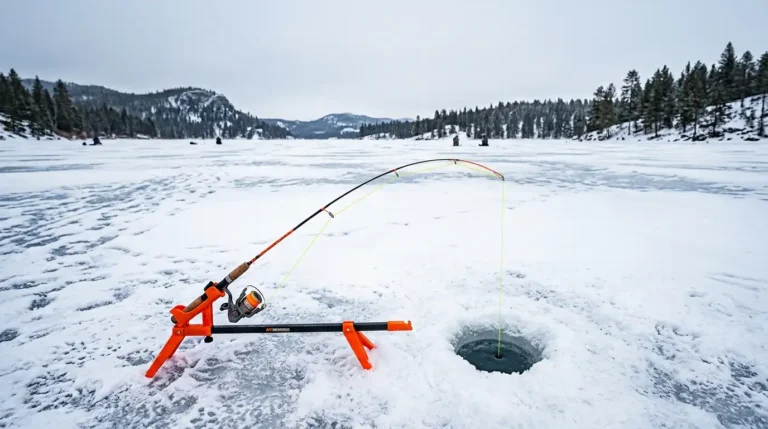
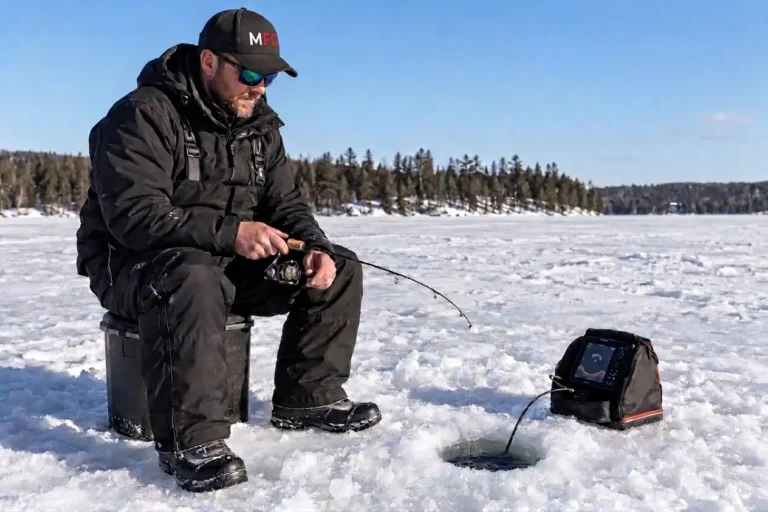
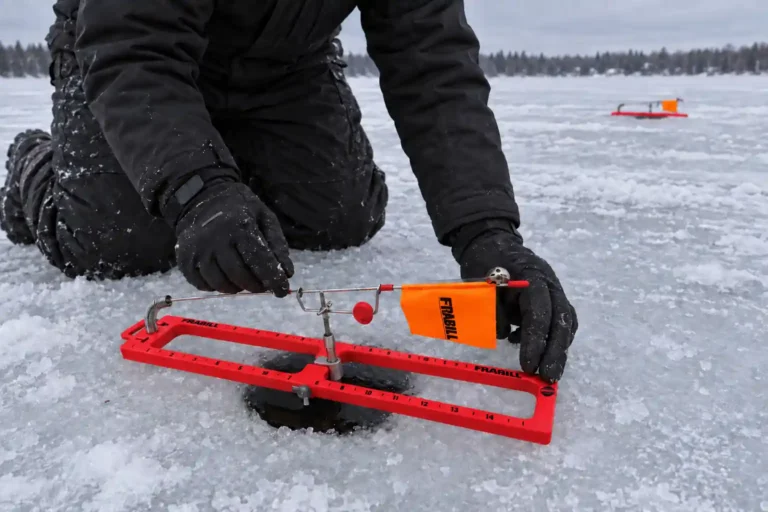
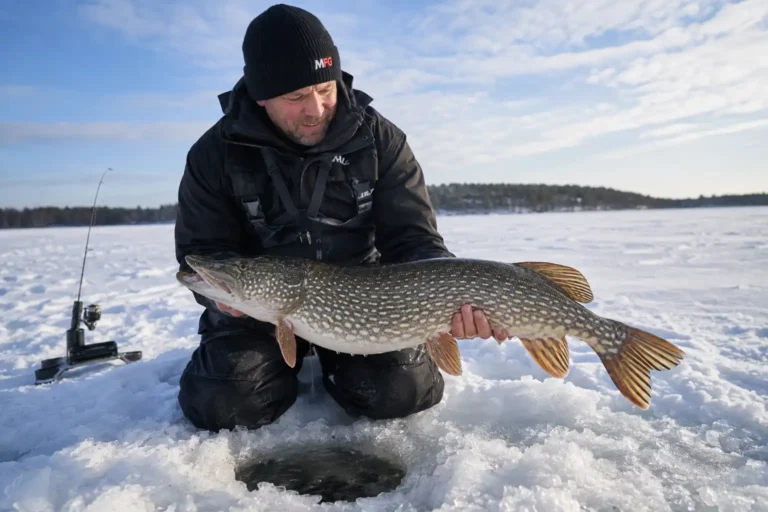
Winter brings the coldest water of the year, but it doesn’t mean pike stop feeding. Success often comes from slowing down, recognizing stable patterns, and making the most of relatively short feeding opportunities when conditions are favorable. See our Winter Pike Fishing Guide for season-specific tactics.
Pike Fishing Techniques
Successful pike fishing isn’t about using one perfect technique. The anglers who stay consistent are usually the ones who adapt their presentation to the fish they’re trying to catch. The same lure and retrieve that produce aggressive strikes one day may be ignored completely the next, making observation and adjustment just as important as your choice of tackle.
Match Your Presentation to Fish Activity
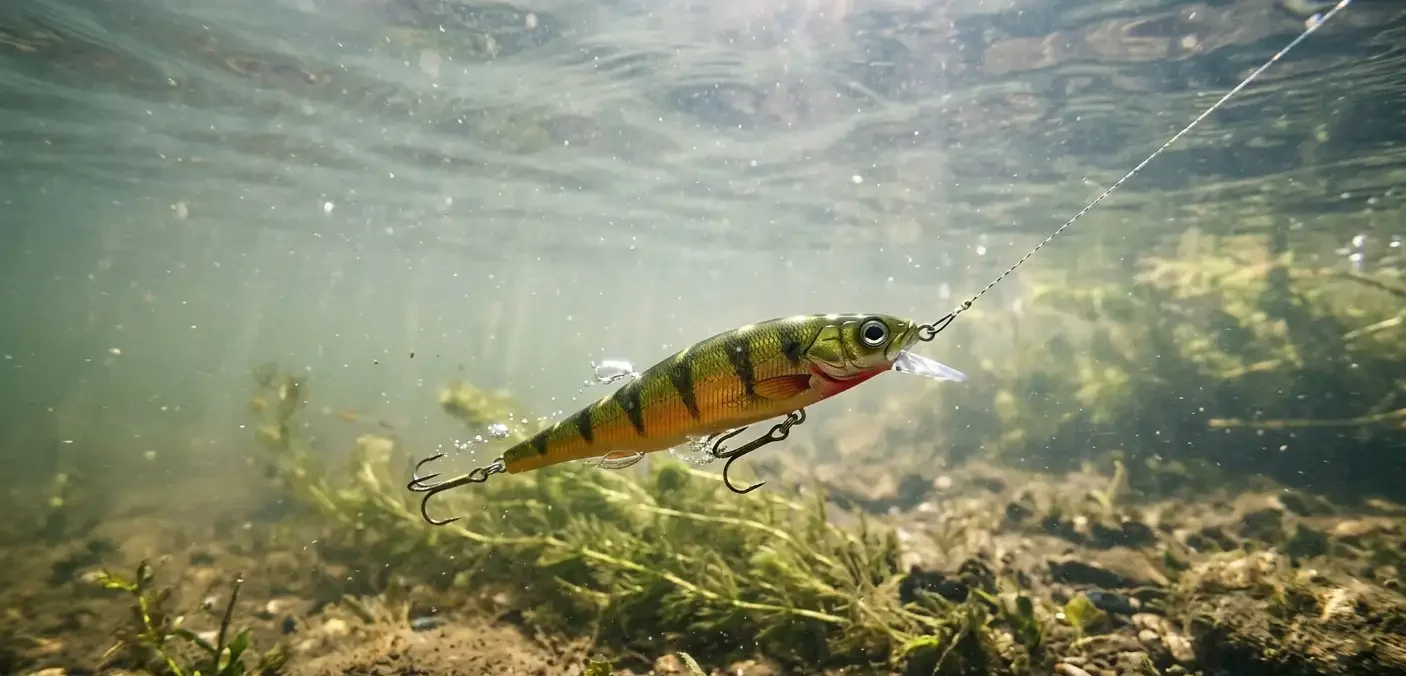
When pike are actively feeding, a faster presentation often triggers reaction strikes. During periods of reduced activity, slowing down and giving fish more time to inspect a lure can produce better results. Rather than repeating the same retrieve all day, pay attention to how fish respond and adjust your speed, cadence, and pauses until you find what they’re willing to commit to.
Focus on High-Percentage Water
Covering water is important, but random casting rarely produces consistent results. Make repeated casts from different angles around productive structure before moving on, especially when baitfish or other signs of activity are present. We’ve had days when a few casts from a different angle along the same weed edge turned several follows into solid strikes after the original approach produced nothing. Small changes in casting angle or lure path can sometimes make the difference between a follow and a strike.
Stay Flexible
Every day on the water is different. Weather, water clarity, fishing pressure, and seasonal fish behavior all influence how pike react. Instead of forcing a favorite lure or technique, build your approach around what the fish are telling you and be willing to adjust as conditions evolve.
If you’d like to see how these principles are applied in a real seasonal scenario, our Spring Pike Retrieve Techniques guide explains how retrieve speed, lure control, and presentation change as spring conditions continue to evolve.
Choosing the Right Pike Fishing Gear
The best pike setup isn’t necessarily the most expensive one. Over the years, we’ve landed pike on everything from modest spinning outfits to premium baitcasting combinations. The common factor has never been the price tag—it has been using tackle that matches the size of the lures, the type of water, and the fish we’re targeting.
One mistake we see surprisingly often is building a setup around a single piece of equipment. A powerful rod paired with an undersized reel, or heavy braid matched with the wrong leader, quickly creates weak points. A balanced outfit casts better, gives you more control during the fight, and makes handling large pike far more comfortable.
Rods and Reels
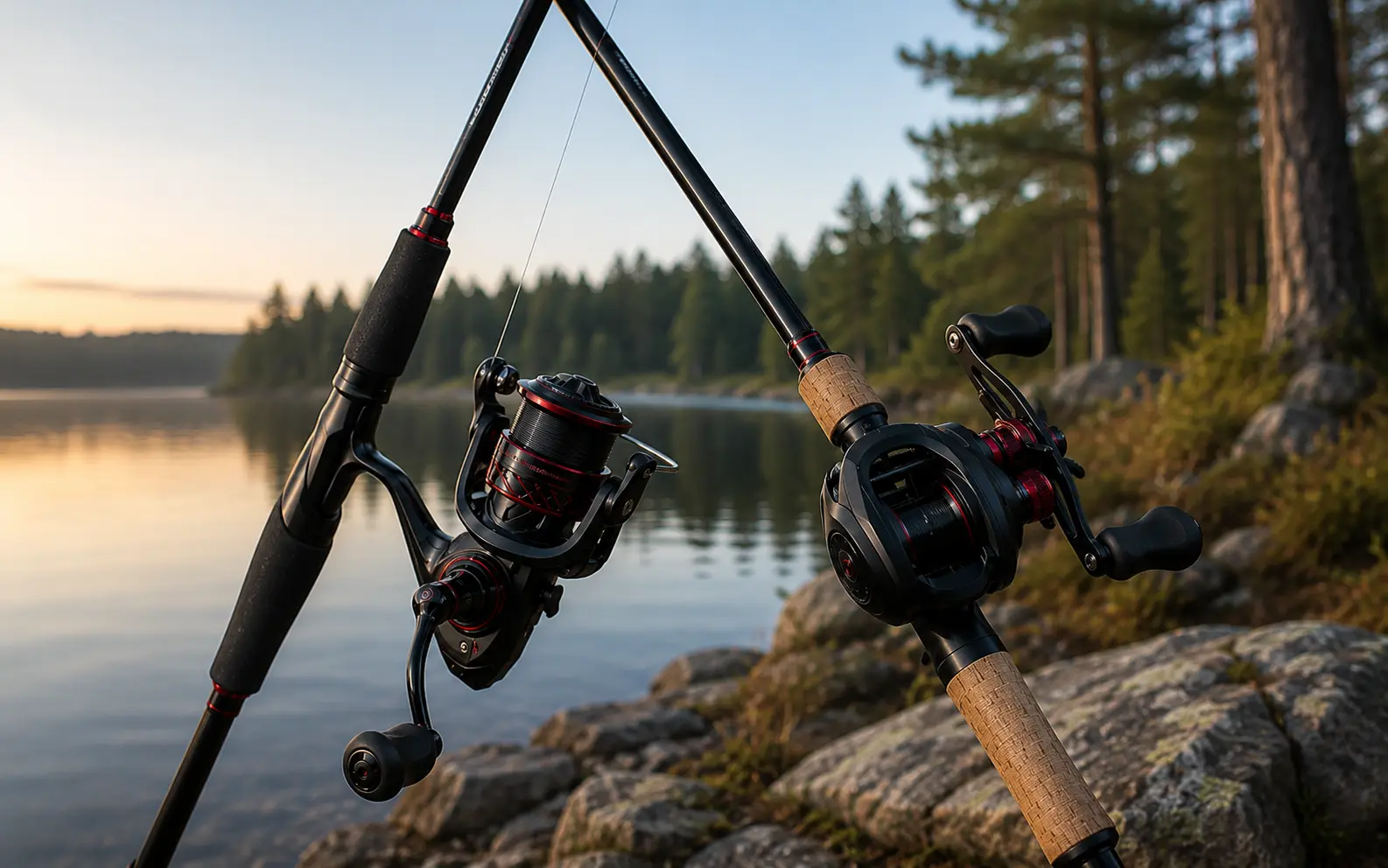
Your rod and reel are the foundation of every pike outfit. We choose them based on the lures we expect to throw and the waters we’re fishing rather than following a single “one-size-fits-all” setup. A day spent casting lighter lures along reed edges demands something very different from throwing oversized swimbaits across open structure for hours. Our guides to Best Pike Rods, How to Choose a Pike Fishing Rod, and How to Choose a Pike Reel explain how to match your equipment to the way you fish. If you’d rather buy a rod and reel already matched as a set instead of pairing pieces separately, our Best Pike Fishing Combos guide covers proven pairings for different budgets and fishing styles.
Spinning vs. Baitcasting
Neither system is better in every situation. On some trips, spinning gear gives us the control we want when working lighter lures around shallow cover. On others, especially when casting larger baits repeatedly, baitcasting equipment reduces fatigue and offers better lure control throughout a long day on the water. If you’re deciding between the two, start with our guides to Best Spinning Rods for Pike, Best Baitcasting Rods for Pike, Best Spinning Reels for Pike, and Best Baitcasting Reels for Pike.
Leaders and Line
Very few pieces of tackle are as easy to overlook as the leader—until a pike’s teeth remind you why it matters. We’ve seen fish lost within seconds because the leader wasn’t matched to the conditions or wasn’t used at all. Choosing the right combination of leader and main line improves durability, lure presentation, and confidence when a bigger fish is boatside. Learn more in our guides to Best Pike Leaders, Pike Fishing Leader: Steel vs. Fluorocarbon, and Best Pike Fishing Lines.
Lures
The lure that catches pike in one season may be the wrong choice just a few months later. Instead of relying on a single favorite, build a selection that covers different depths, retrieve speeds, and forage situations. Our Best Pike Lures guide explains which lure categories perform best and when each one deserves a place in your tackle box.
Pike Fishing Safety and Fish Handling
Northern pike are powerful predators with rows of sharp teeth, so handling them safely protects both the fish and the angler. A little preparation before the strike happens makes landing, unhooking, and releasing a pike much smoother, especially when larger fish are involved.
Before you start fishing, keep a quality landing net, long-nose pliers, and hook cutters within easy reach. Having the right tools ready reduces the time a fish spends out of the water and makes it much easier to deal with deeply embedded hooks without unnecessary stress.
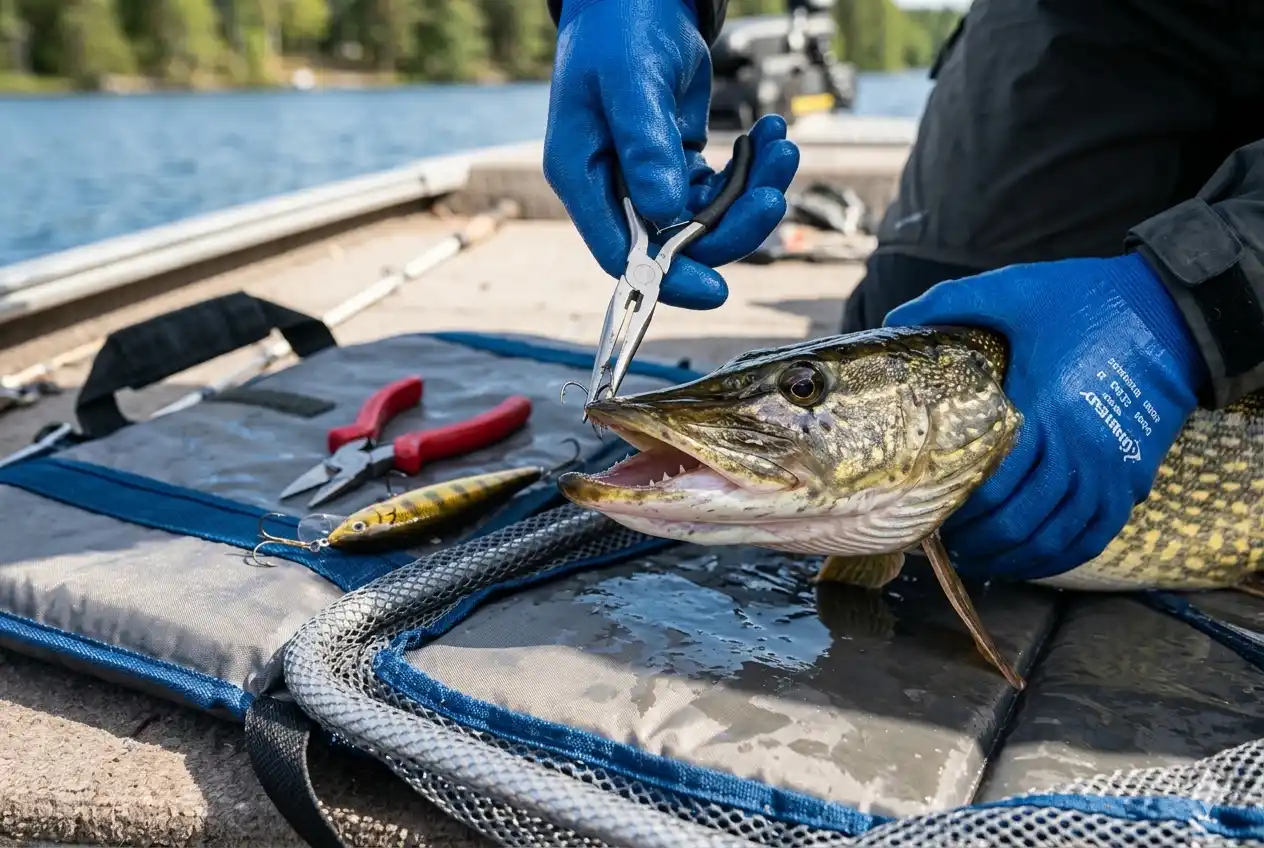
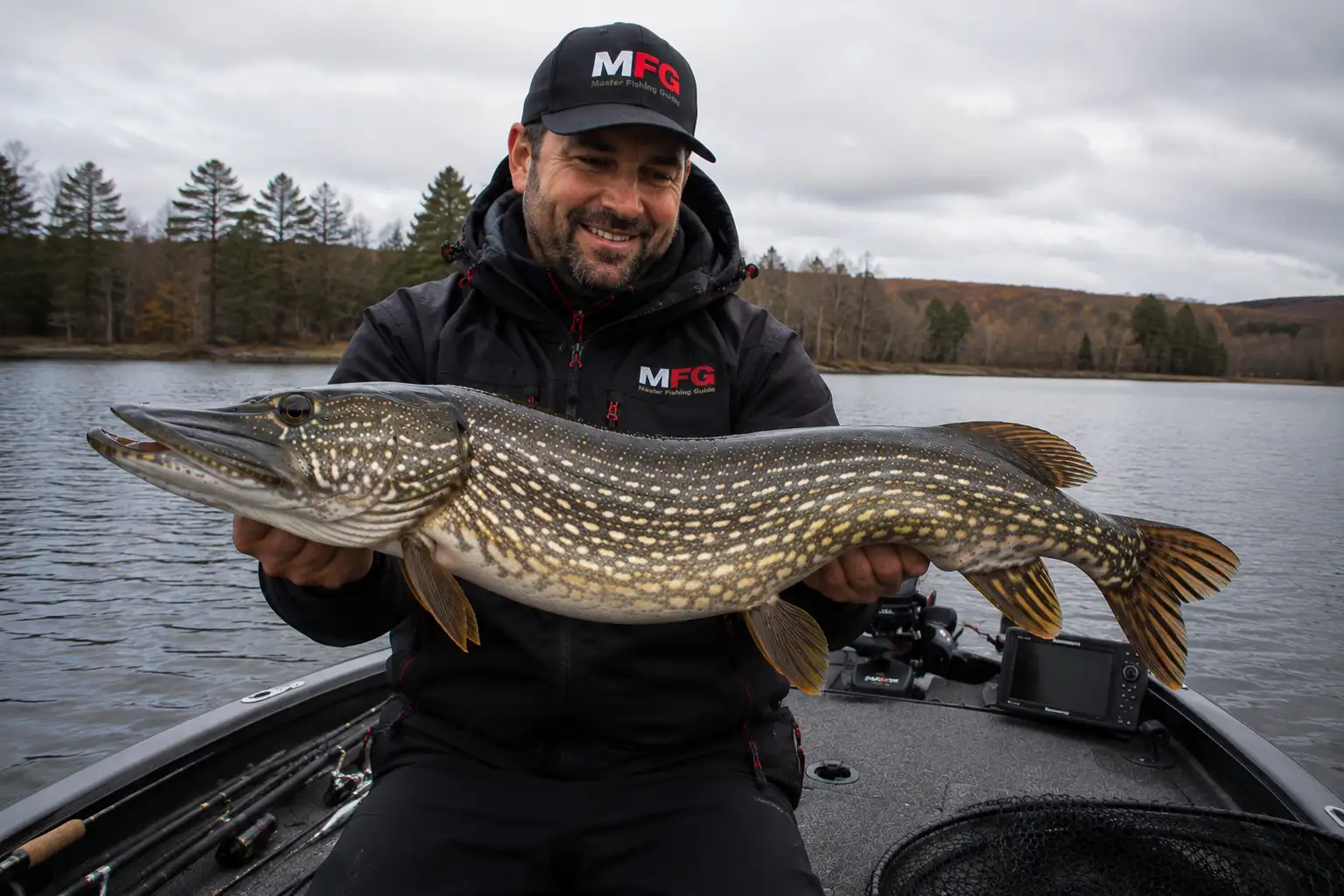
When handling a pike, support its body properly and avoid lifting larger fish by the jaw alone. If you’re taking a quick photo, prepare your camera first so the fish can be returned to the water as soon as possible. We’ve found that spending a few extra seconds getting everything ready before lifting the fish leads to a much faster, calmer release.
Whether you keep a legal fish or practice catch and release, careful handling helps protect healthy pike populations and ensures these fish remain available for future anglers.
For step-by-step instructions, recommended tools, and safe handling techniques, read our How to Handle Pike Safely guide.
Common Pike Fishing Mistakes
Even experienced anglers have days when pike seem impossible to catch. More often than not, the problem isn’t a lack of fish—it’s a decision that doesn’t match the conditions. Recognizing these common mistakes can save hours of frustration on the water.
Fishing the Same Areas All Year
Pike don’t use the same locations every month. Returning to a productive spot without considering seasonal movements often leads to slow days, even on waters that normally hold plenty of fish. Let the season guide your starting locations instead of relying on past success.
Fishing Too Fast or Too Slow
Retrieve speed should match the fish, not your personal preference. Some days pike react aggressively to a faster presentation, while on others they’ll only commit after a slower, more deliberate retrieve. Being willing to adjust is usually more productive than changing lures repeatedly.
Ignoring Changing Conditions
Wind direction, water clarity, fishing pressure, and seasonal transitions can all influence how pike position and feed. Sticking to the original plan when conditions change often means fishing water that no longer holds active fish.
Using the Wrong Leader
Even a perfectly presented lure won’t help if your tackle isn’t prepared for a pike’s teeth. Choosing the right leader is one of the simplest ways to avoid preventable bite-offs and lost fish. Learn more in our Pike Fishing Leader: Steel vs. Fluorocarbon guide.
Assuming Pike Should Always Be Feeding
There are days when pike simply become less active because of seasonal transitions or rapidly changing conditions. Understanding why this happens makes it easier to adapt instead of assuming the fish have disappeared. Our guides on Why Are Pike Not Biting in Summer? and Spring Pike Fishing After a Cold Front explain two of the most common situations anglers face.
Frequently Asked Questions
Is pike fishing good all year round?
Yes. Pike can be caught in every season, but their location, activity level, and feeding behavior change throughout the year. Adjusting your approach to seasonal conditions is far more effective than relying on the same tactics year-round.
What’s the best lure for pike?
There isn’t one lure that works best in every situation. Water temperature, available forage, fishing pressure, and seasonal fish behavior all influence lure selection.
Do I need a leader for pike fishing?
Yes. A pike’s teeth can slice through unprotected mainline in an instant, so a proper leader is one of the simplest ways to avoid losing a fish at the last second.
What’s the best rod for pike fishing?
The best rod depends on the size of the lures you fish, your preferred techniques, and whether you use spinning or baitcasting tackle.
When do pike spawn?
Pike spawn in early spring as water temperatures begin to rise, although the exact timing varies depending on climate and local water conditions. For a detailed explanation, read our Pike Spawning in Spring guide.
Can pike be safely released?
Yes. Using the right tools, supporting the fish properly, and keeping it out of the water only briefly can help improve survival after release.
Keep Learning, Keep Adapting
Pike fishing is a sport where small adjustments often make the biggest difference. The more time you spend observing fish behavior, seasonal movements, and changing conditions, the easier it becomes to make better decisions on the water. Every trip adds another piece to the puzzle, and even slow days usually teach something worth remembering.
We built this guide to serve as a starting point, then linked to more detailed resources for every major topic so you can continue learning as your experience grows. Whether your goal is catching your first pike or consistently landing larger fish, understanding the principles behind successful pike fishing will always take you further than relying on luck alone.
Responsible angling is just as important as catching fish. If you’d like to learn more about sustainable fisheries and responsible fishing practices, the American Fisheries Society provides valuable educational resources for anglers and fisheries professionals alike.
Explore More Pike Fishing Guides
Looking to take your pike fishing a step further? These in-depth guides explore specific seasonal situations, advanced tactics, and specialized gear in more detail.