

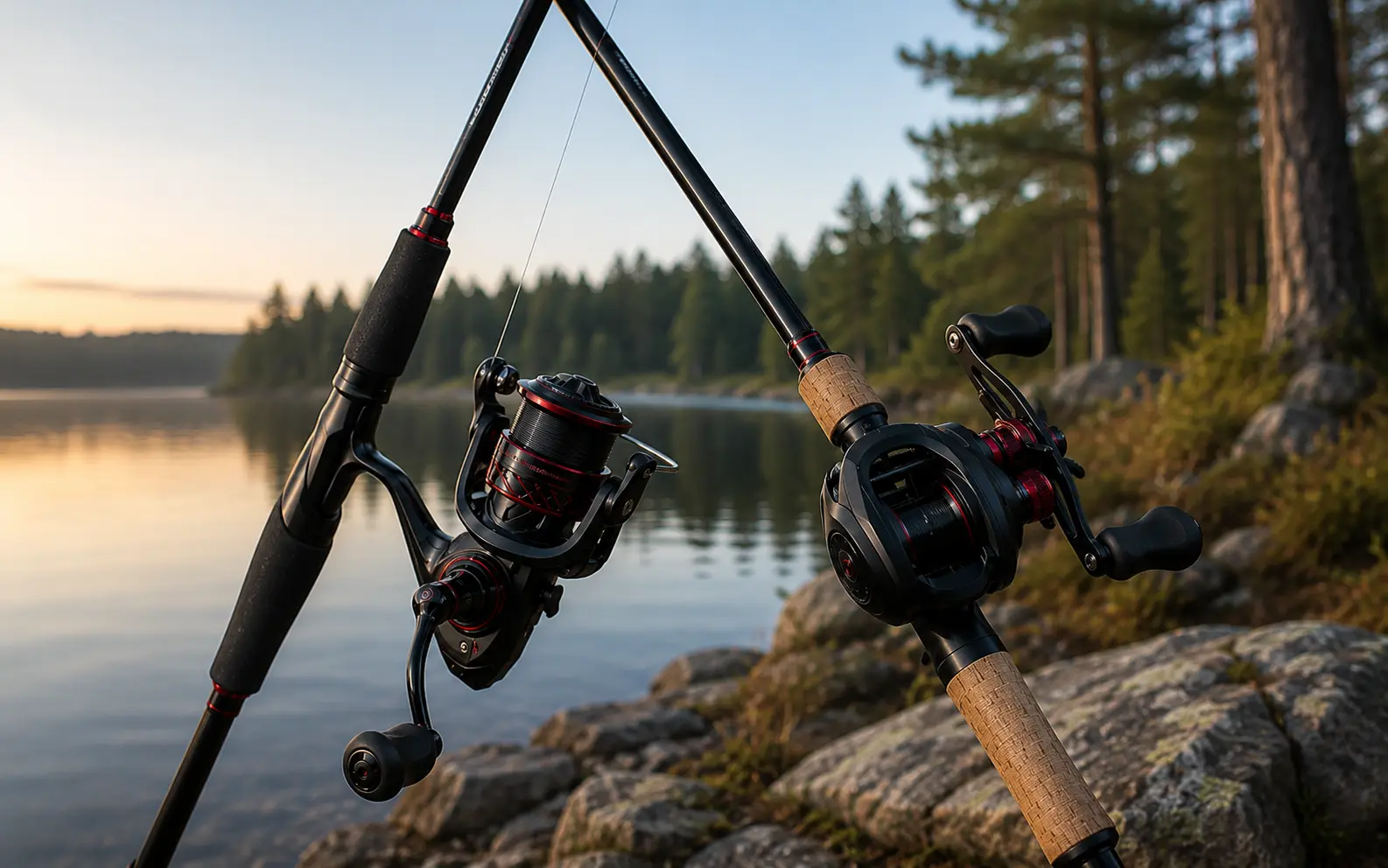
How to Choose a Pike Reel: Size, Gear Ratio & What Actually Matters
How to choose a pike reel sounds simple until you actually start comparing options. Size 3000 or 4000? Fast retrieve or slower gear ratio? Spinning or baitcasting? On paper, most reels look similar. On the water, they absolutely don’t.
After enough seasons casting for pike — spring jerkbaits, summer topwater, heavier swimbaits later in the year — one thing becomes obvious fast: most of the spec sheet stops mattering. Bearings, marketing names, spool tech… a lot of it looks important until you actually fish it.
Choosing the right pike reel usually comes down to three things that actually matter: size, gear ratio, and how the reel feels under load.
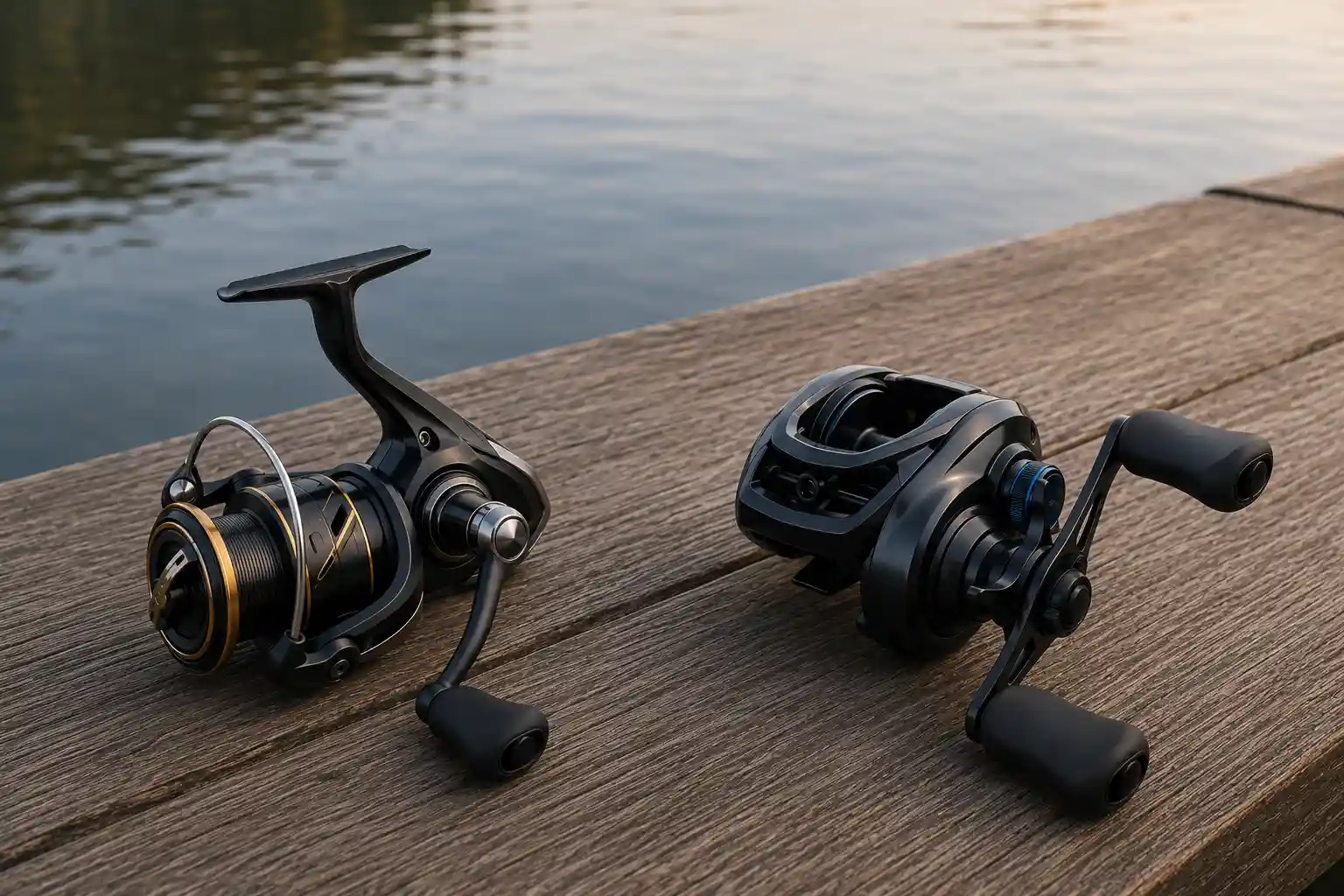
You notice it quickly when something feels off. A reel that looks perfect online suddenly feels too small on the rod. Too heavy after a full day of casting. Too fast for the lure you’re fishing. Or simply uncomfortable after hours of repetitive casting.
Pike don’t care how many bearings your reel has. What matters is whether the reel balances your setup, handles your lure weight, and feels right while you’re actually fishing. Here’s how to get there — starting with reel size, then gear ratio, and the details most anglers overlook before buying.
How to Choose the Right Spinning Reel Size for Pike
When it comes to spinning setups for pike, reel size is usually the first decision that matters — and for most anglers, it matters more than drag numbers or bearing count.
If the reel is too small, the setup feels underpowered fast. If it’s too large, it feels heavy, unbalanced, and tiring after hours of casting. The right reel size should feel balanced in your hand, match the rod properly, and handle the lures you fish most often.
For most pike fishing with a spinning reel, that usually puts you somewhere between a 3000 and 4000 size.
A 3000 size reel works well when you’re fishing lighter lures — smaller jerkbaits, soft plastics, spinnerbaits, or topwater. It keeps the setup lighter in hand, feels responsive on the cast, and stays comfortable during a full day of fishing.
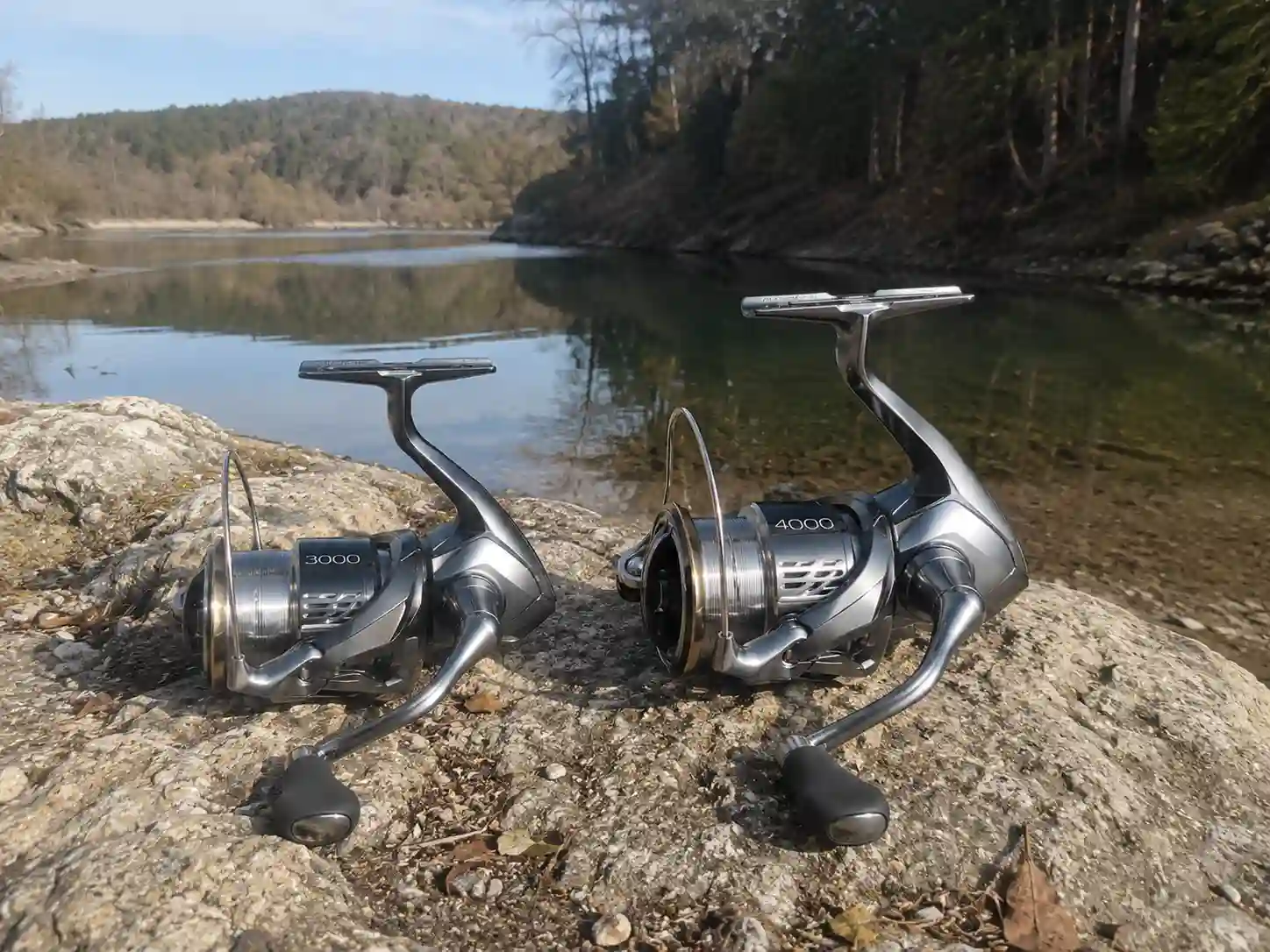
A 4000 size reel gives you a little more spool diameter, more line capacity, and usually better balance with heavier pike rods. It shines when throwing larger swimbaits, bigger spoons, heavier moving baits, or fishing deeper water where extra pickup matters on the retrieve — which is exactly why most of our recommended spinning reels for pike fall into the 4000 size range.
Across most of our pike setups, a 4000 size reel ends up on the rod most often. It handles a wide range of lure weights well and feels equally comfortable whether we’re fishing moving baits, larger lures, or covering water all day.
If you’re unsure between sizes, 4000 is the safer all-around choice for pike fishing. It balances well on most Medium Heavy rods, handles a wide range of lure weights, and gives you enough line capacity without feeling oversized. The larger spool diameter also helps line management and keeps the setup feeling smoother over long casting sessions.
How to Choose the Right Baitcasting Reel Size for Pike
Choosing baitcasting reel size for pike is a little less straightforward than with spinning reels. You’re not usually looking at 3000 or 4000 labels — and most anglers quickly realize that “size” on a baitcaster means something different once you start comparing models.
You’ll often see size numbers like 150, 200, or 300 on baitcasting reels. Those numbers usually refer to frame size and spool capacity rather than a direct small-versus-large rating. In simple terms, smaller sizes feel more compact in the hand, while larger sizes usually offer more line capacity, more power under load, and better control with heavier lures.
A more compact baitcaster feels lighter during repeated casting — great for jerkbaits, spinnerbaits, chatterbaits, and smaller swimbaits. A larger low-profile frame usually feels better once lure weight starts going up, especially with heavier swimbaits, oversized spoons, bigger soft baits, or other high-resistance presentations.
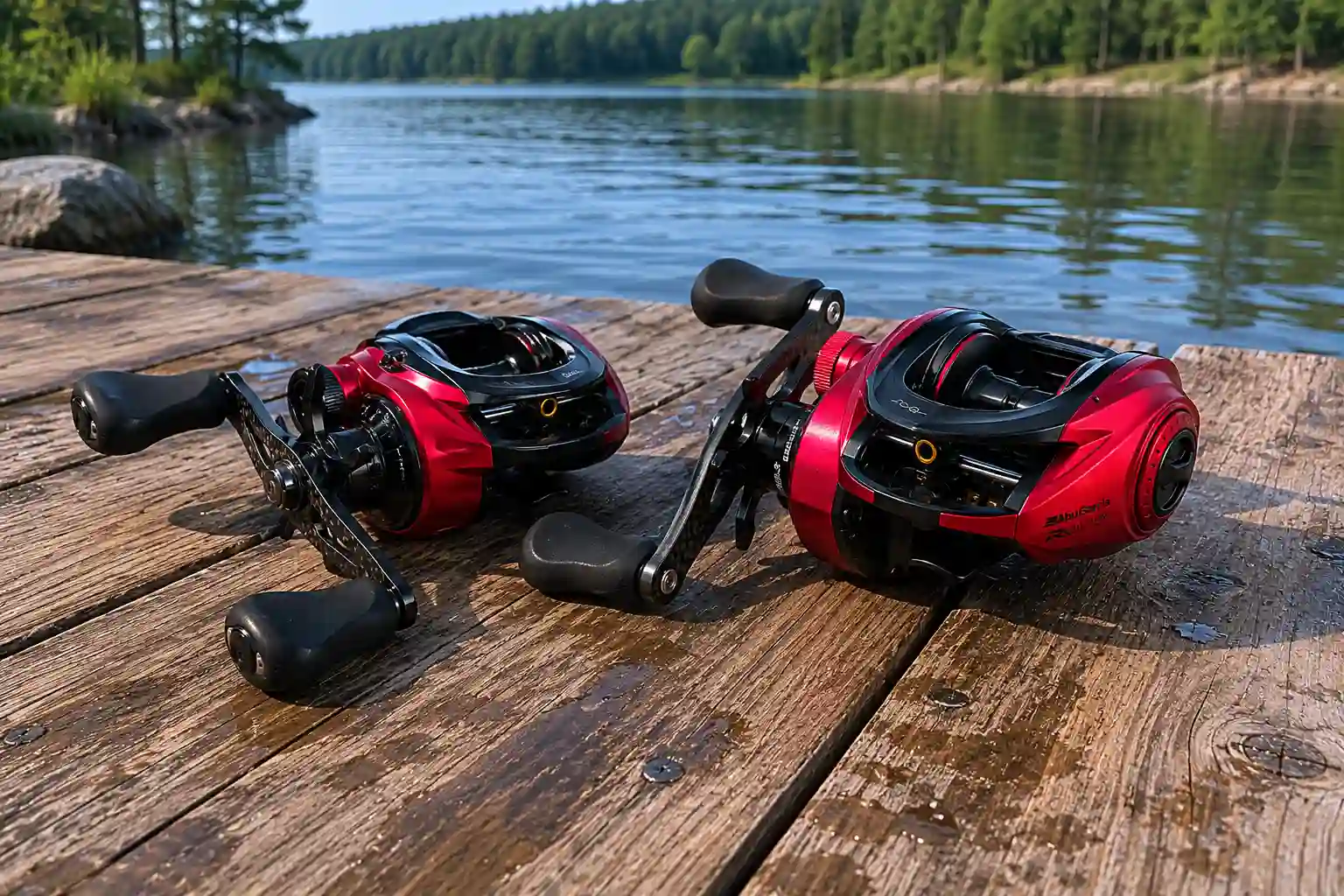
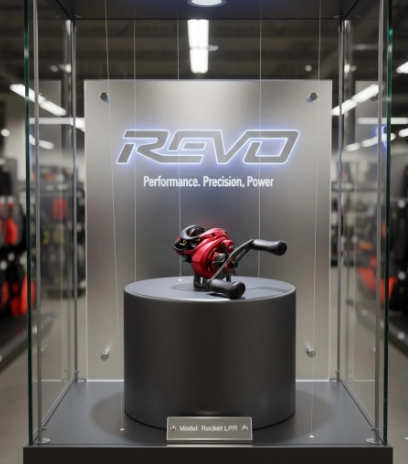
Reels like the Abu Garcia Revo SX sit right in that middle ground — powerful enough for heavier pike presentations, but still comfortable enough to cast all day. That’s exactly why many of the baitcasting reels for pike we trust season after season fall into that category.
Balance matters just as much on a baitcasting setup. A reel that feels good in the hand can still feel wrong once paired with the wrong baitcasting rod. When the reel and rod match properly, the whole setup feels smoother, more controlled, and much easier to fish all day.
If you’re choosing your first baitcaster specifically for pike, focus on how the reel balances on the rod, how much line the spool holds, and how comfortably it handles the lure weights you throw most often.
How to Choose the Best Gear Ratio for Pike
Once reel size is sorted out, the next thing worth paying attention to is gear ratio. This is one of those reel specs anglers notice quickly when fishing — because you feel it on every retrieve.
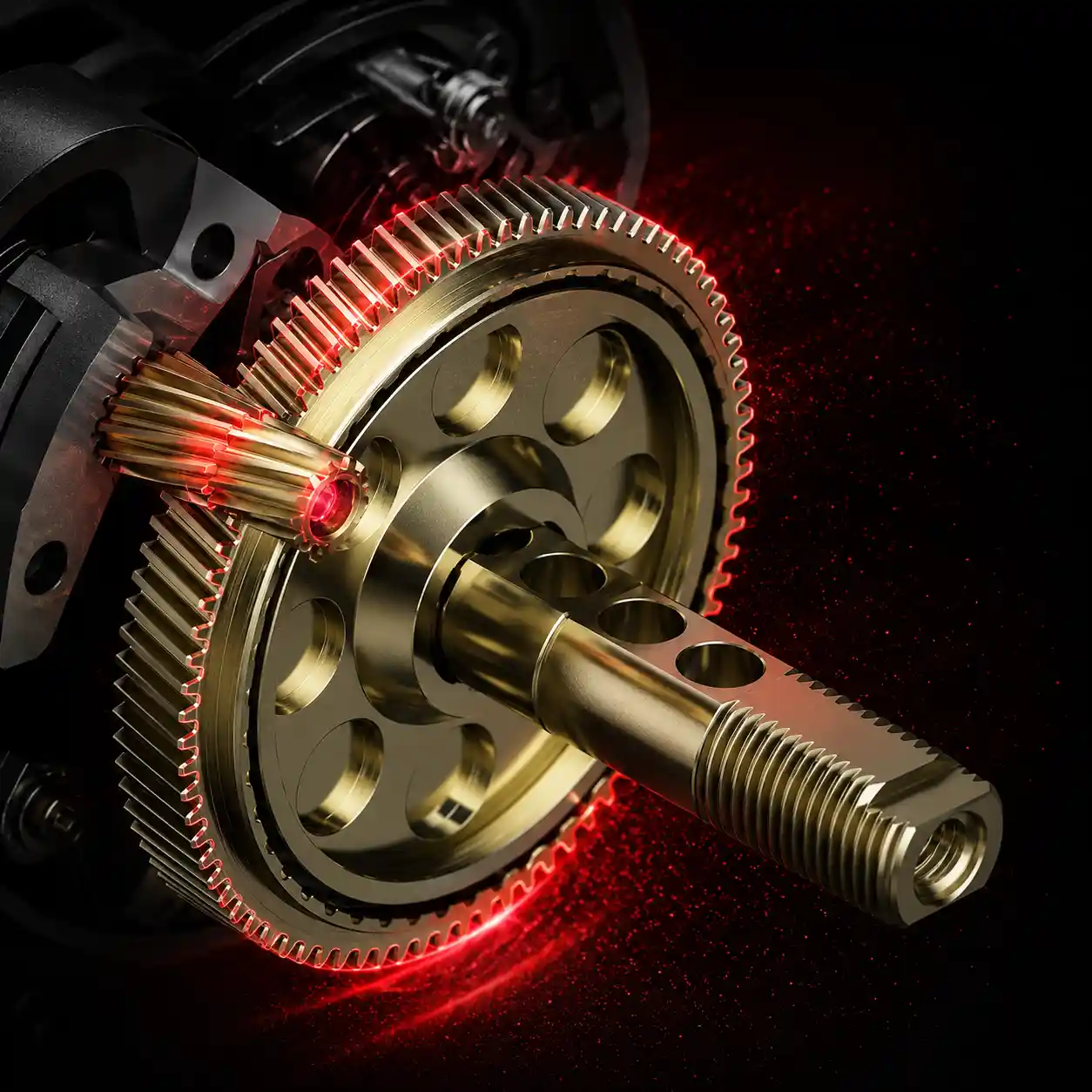
Gear ratio simply tells you how many times the spool rotates with one full turn of the handle. On the water, what you actually notice is how much line the reel picks up — and how much effort it takes to keep the lure moving at the speed you want.
For example, a 6.2:1 reel turns the spool 6.2 times with one full handle rotation, while a 7.1:1 reel rotates the spool 7.1 times and generally picks up line faster. It’s also worth remembering that gear ratio doesn’t tell the whole story. Two reels with the same gear ratio can still retrieve different amounts of line per turn because spool size also affects line pickup.
Lower gear ratios usually feel smoother and more controlled under resistance. Higher gear ratios pick up line faster and feel quicker in the hand. Neither is automatically better for pike. The right choice depends on the lures you throw most often, how fast you like to fish, and how much slack line you need to recover during the retrieve.
Best Spinning Reel Gear Ratio for Pike
For most pike spinning setups, a mid-range gear ratio is the sweet spot. Somewhere around 5.6:1 to 6.2:1 covers almost everything.
A slightly slower reel feels smoother with larger spoons, swimbaits, or deeper presentations where resistance builds through the retrieve. It also makes it easier to hold a steady speed without accidentally speeding the lure up too much — something many anglers notice quickly with larger soft baits or heavier moving lures.
A faster spinning reel picks up slack line quicker and feels more responsive with jerkbaits, soft baits, or faster-moving presentations where you’re constantly recovering line after rod movement.
Across most of our spinning setups, something in that middle range tends to feel the most natural — fast enough to stay in control, but not so fast that the lure starts moving quicker than you want.
Best Baitcasting Reel Gear Ratio for Pike
With baitcasters, gear ratio becomes even more noticeable — especially once lure size starts going up.
For most pike fishing, a 6.x:1 gear ratio is the safest all-around choice. It gives you enough speed to pick up slack quickly, enough power to pull larger lures comfortably, and enough control to vary your retrieve without fighting the reel.
Higher-speed reels can work great after aggressive jerkbait twitches, when a pike strikes and moves toward you fast, or anytime you need to recover slack line quickly around weeds or shallow cover. Slower reels often feel better with heavier swimbaits or oversized spoons that pull hard through the water all day.
Many anglers buy the fastest reel available thinking it gives them more versatility. In practice, most pike anglers end up slowing their retrieve down far more often than they speed it up.
If you’re unsure, a mid-speed gear ratio is hard to go wrong with on both spinning and baitcasting setups. For pike, control usually matters more than pure speed.
What Reel Features Actually Matter for Pike
Once you’ve picked the right reel size and gear ratio, the rest of the decision usually comes down to details. And this is where a lot of anglers get buried in spec sheets.
Bearing count, spool design names, handle materials, proprietary reel tech — manufacturers list a lot of features. Some are useful. Some matter very little once you’re actually fishing.
For pike fishing, the reel features that matter most are the ones you actually notice on the water: smoothness under load, line management, drag consistency, overall weight, casting comfort, and how much control the reel gives you after hours of repetitive casting.
Drag Power Matters — But Smoothness Matters More
Pike hit hard, surge unexpectedly, and often make their strongest run close to the net or right beside the bank. A reel needs enough drag power to stay in control — but for pike, smooth drag startup usually matters more than maximum drag numbers printed on the box.
A reel with slightly lower drag that starts smoothly under pressure often feels better than a reel with huge drag numbers that sticks or surges when the fish pulls hard.
Weight Becomes Obvious Faster Than You Expect
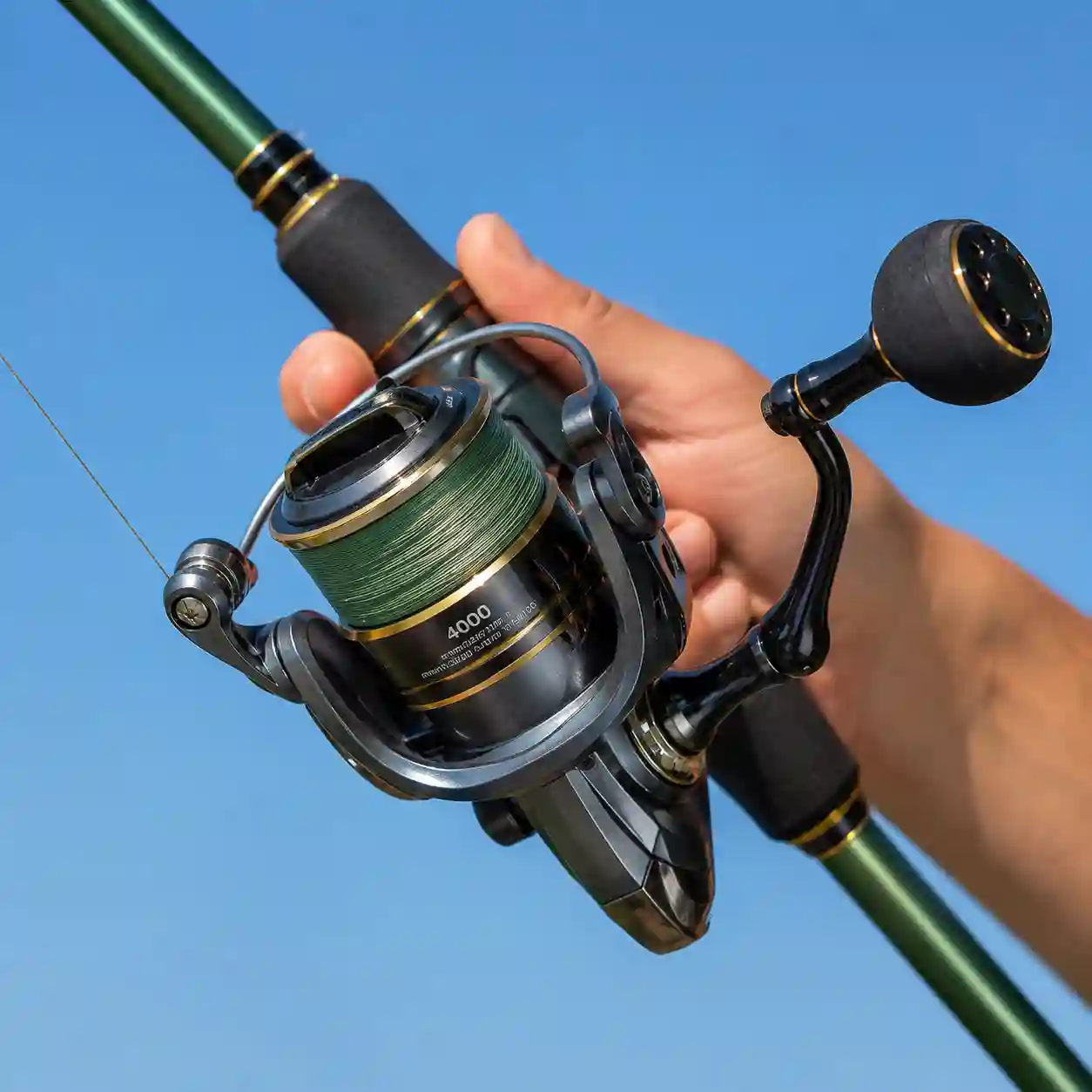
Reel weight doesn’t sound important when reading specs online. On the water, you notice it quickly.
A reel that feels slightly too heavy can make the whole setup feel tip-heavy or awkward after a few hours. A reel that balances naturally with the rod feels easier to cast, easier to control, and much less tiring over a full day of fishing.
Line Management Is a Bigger Deal Than Most Anglers Realize
Good line management makes everything easier — longer casts, cleaner retrieves, fewer wind knots on spinning setups, and fewer frustrating overruns on baitcasters.
When a reel lays line evenly, picks it up cleanly, and stays consistent under pressure, the entire setup feels smoother. It’s one of those details anglers don’t always notice immediately — until they fish a reel that doesn’t do it well.
Don’t Overthink Bearing Count
This is where a lot of buyers get distracted.
A well-built reel with fewer quality bearings often stays smoother and more reliable over time than a cheaper reel packed with bearings purely for marketing.
Pike don’t care whether your reel has 5 bearings or 10. What matters far more is how the reel feels after a full day of casting, how smoothly it performs under load, and whether it stays reliable season after season.
If a reel feels balanced, retrieves smoothly under pressure, manages line well, and gives you confidence every time you pick it up — that matters far more than most of the numbers printed on the spec sheet.
How to Choose a Pike Reel Based on How You Fish
Once size, gear ratio, and reel features start making sense, the final decision usually becomes much simpler: choose the reel that fits the way you actually fish.
Two anglers can fish the same lake for pike and end up needing completely different setups depending on lure choice, casting style, and how they spend most of their day on the water.
If you spend most of your time casting lighter lures — jerkbaits, spinnerbaits, soft plastics, smaller swimbaits, or topwater — a spinning setup often makes the most sense. It stays lighter in hand, handles repeated casting well, and gives you a lot of versatility across different lure styles. That’s exactly why many anglers start with one of the best spinning reels for pike as their all-around setup.
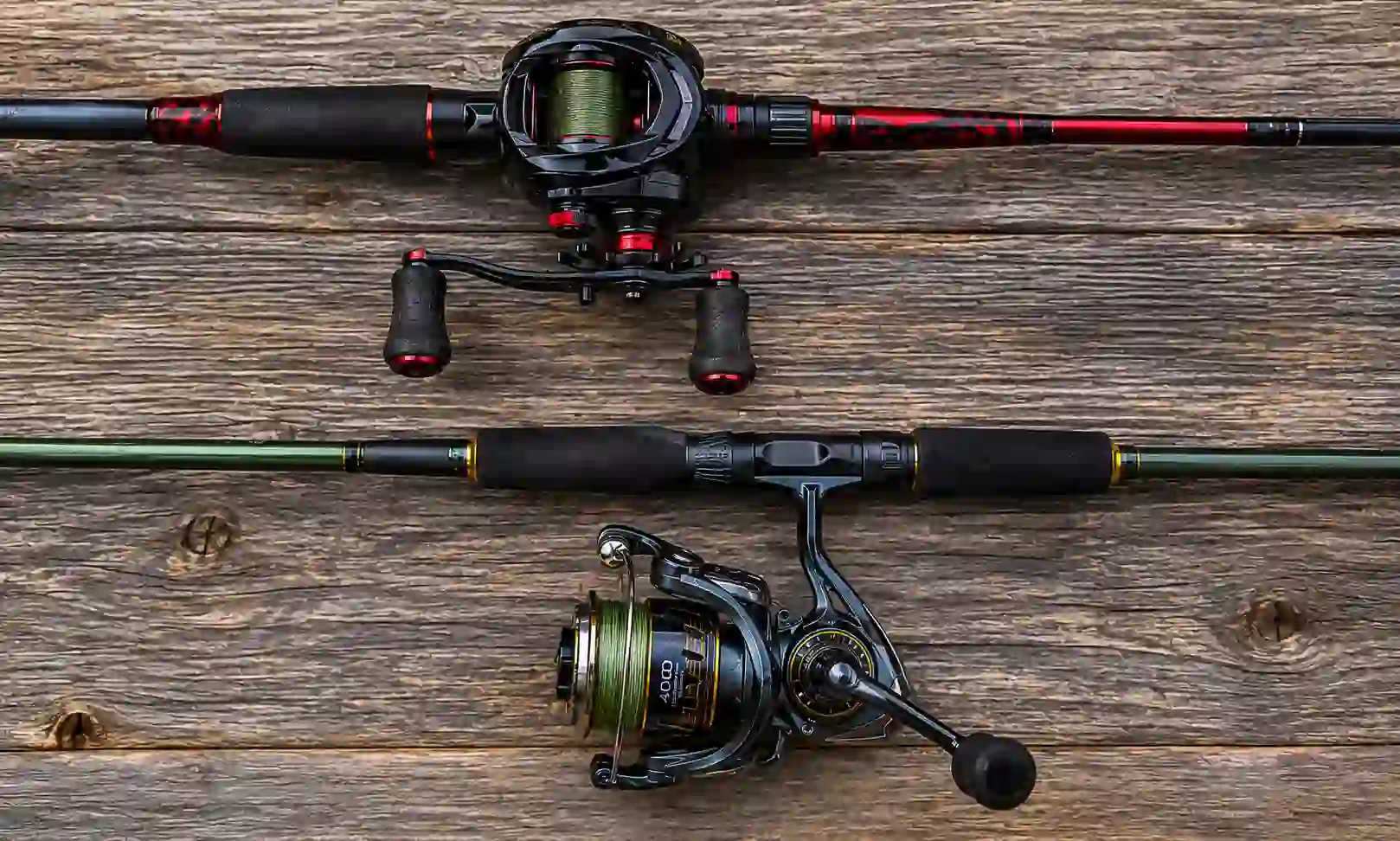
If your fishing leans more toward heavier swimbaits, oversized spoons, larger soft baits, or high-resistance lures pulled through weeds and deeper structure, a baitcaster often becomes the more practical choice as lure weight starts going up. It gives you more casting control, more direct power under load, and often makes repeated casting with heavier presentations easier to manage. That’s where many proven baitcasting reels for pike really stand out.
How often you fish also matters more than many anglers expect. If you’re casting all day, overall comfort, reel weight, and control become obvious fast. A reel that feels great for twenty minutes in the driveway can feel completely different after six or seven hours of fishing.
In the end, the best pike reel isn’t always the most expensive or the one with the longest list of features. It’s the reel that matches your lure range, your fishing style, and gives you confidence every time you pick it up.
Common Pike Reel Mistakes to Avoid
Choosing a pike reel doesn’t need to be complicated — but a few common mistakes show up again and again, especially when buying a new setup online.
Most of them come from focusing too much on specs and not enough on how the reel will actually fish once it’s on the rod and in the water.
Choosing a Reel That’s Too Small
This is probably the most common mistake with pike setups.
A reel that looks compact online can feel underpowered quickly once you spool it with braid and start throwing larger lures. Too little spool capacity, poor balance with the rod, and a setup that feels overworked under load usually show up fast once you’re fishing.
Buying the Fastest Gear Ratio Available
A fast reel sounds appealing on paper — but faster isn’t always better for pike.
Many anglers buy high-speed reels expecting more versatility, then end up slowing their retrieve down all day anyway. It happens a lot with spinnerbaits in shallow water or when working a jerkbait where pause and control matter more than speed. With a reel that’s too fast, it’s easy to overwork the lure without even noticing it. For most pike fishing, steady lure control usually matters more than maximum retrieve speed.
Paying Too Much Attention to Bearing Count
More bearings doesn’t automatically mean a better reel.
A well-built reel with fewer quality bearings often stays smoother and more reliable over time than a cheaper reel loaded with bearings mainly for marketing. Build quality and long-term reliability matter much more once the reel is under real fishing pressure.
Ignoring Reel Weight and Overall Balance
Even a good reel can feel wrong if it doesn’t match the setup.
If the reel feels too heavy, too light, or awkward on the rod, you’ll notice it after a few hours of casting. Comfort and control become much more important over a full day than they do standing in a tackle shop holding the reel for thirty seconds.
Buying for Specs Instead of Your Actual Fishing Style
The biggest mistake of all is buying based on numbers instead of how you actually fish.
The best pike reel for jerkbaits isn’t always the best reel for big swimbaits. The best setup for someone casting from shore all day may feel completely different from what works best from a boat.
The right reel is the one that matches your lure range, your fishing style, and the way you spend most of your time targeting pike.
Master Fishing Guide: Pike Reel Questions Anglers Ask Most
What size reel is best for pike fishing?
For most spinning setups, a 4000 size reel is the safest all-around choice for pike. It balances well with Medium Heavy rods, handles braided line easily, and gives you enough line capacity without feeling oversized. For baitcasting, the best size depends more on lure weight and spool capacity than a number on the frame.
Is a 4000 reel too big for pike?
No — for most pike fishing, a 4000 size spinning reel is right in the sweet spot. It’s large enough for heavier braid and bigger lures, but still comfortable enough to cast all day. That’s why many all-around pike spinning setups are built around a 4000.
What gear ratio is best for pike fishing?
For most pike anglers, a mid-speed gear ratio is the best all-around option. Around 5.6:1 to 6.2:1 works extremely well on spinning reels, while a 6.x:1 baitcaster covers most situations. It gives you a good mix of lure control, power, and line pickup speed.
Spinning or baitcasting reel for pike — which is better?
Neither is automatically better. Spinning reels usually work better for lighter lures and more versatile all-around fishing. Baitcasters often become the better tool as lure weight increases, especially with larger swimbaits, oversized spoons, and heavier presentations. The best choice depends on how you fish most often.
How much drag do you need for pike?
Pike don’t usually require extreme drag pressure. More important than maximum drag is smooth drag performance under load. A reel with a smooth, reliable drag system will usually fish better for pike than one with higher drag numbers on paper but inconsistent startup.
What line should I use on a pike reel?
Braided line is the most common choice for pike because it casts well, handles larger lures efficiently, and gives excellent hook-setting power. Line strength depends on your setup, but many anglers fish braid in the 20–40 lb range. We break that down in more detail in our pike fishing line guide.
What’s the best all-around reel for pike?
The best all-around pike reel is the one that matches your lure range, fishing style, and how often you’re on the water. In practice, many anglers eventually end up in the same place after trying different setups — either a 4000 size spinning reel or a mid-sized low-profile baitcaster with a moderate gear ratio and smooth drag. Both cover a wide range of pike fishing situations extremely well and stay versatile across the season.
Choosing a Pike Reel: The Short Version
The best pike reel usually comes down to a few simple things: the right size, a gear ratio that matches how you fish, and a setup that stays comfortable after hours on the water.
Specs help narrow things down, but they rarely decide how a reel actually performs once you’re fishing. Whether you’re choosing a spinning reel for pike or a baitcasting reel for pike, what matters most is how well it matches your lure range, your style of fishing, and the way you spend most of your time targeting fish.
If the reel works naturally with your setup, stays smooth under load, and gives you confidence every time you cast it, you’re probably looking at the right pike fishing reel. If you’re fishing pike this season and want to compare setups, lure choices, or what’s working on your local water, join us on the Master Fishing Guide Facebook Page.