

Topwater Pike Fishing in Summer: Best Lures, Timing & Surface Strike Tactics
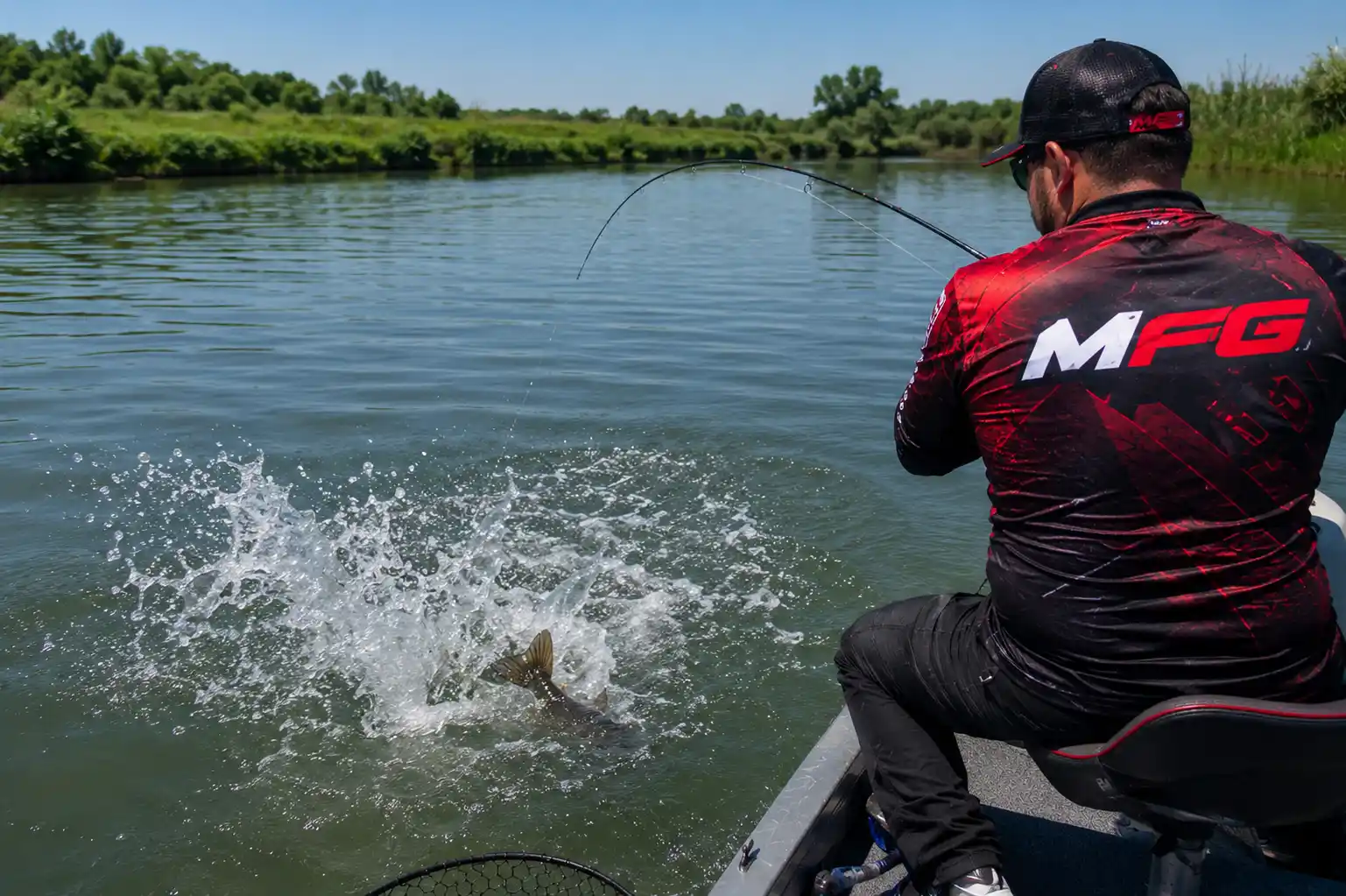
There is a moment in topwater pike fishing that stays with you long after the season ends. The surface is flat. Your lure sits still. Then — without warning — the water explodes. No build-up. No warning. Just a violent, full-body strike that sends adrenaline straight through your hands.
That moment is exactly what topwater pike fishing in summer is built around. And unlike most fishing techniques, this one rewards anglers who understand timing, conditions, and presentation — not just those who can cast farthest or fish hardest.
As an Amazon Associate, we earn from qualifying purchases — no cost to you. That’s how we keep this site running. Read more ›
Few techniques become more explosive for pike once stable summer patterns settle in. Warm surface temps pull baitfish shallow, weed edges tighten into ambush lanes, and low-light windows — early morning especially — trigger some of the most aggressive surface strikes you’ll see all season. But that window is narrower than most anglers expect. Some days the entire topwater bite lasts less than 30 minutes. Once direct sunlight hits shallow flats, surface activity can shut down almost instantly — and many anglers don’t even realize they missed it entirely.
In this guide, the MFG team breaks down everything that actually matters — built from real seasons of testing surface presentations across shallow bays, weed flats, and early morning feeding windows: when pike commit to surface strikes, which conditions trigger explosive topwater bites, where to position your casts, and which lures consistently produce results. If you’ve ever had a pike follow your topwater bait without striking — or missed the right window entirely — this guide is built for you.
MFG Quick List: Best Topwater Lures for Pike
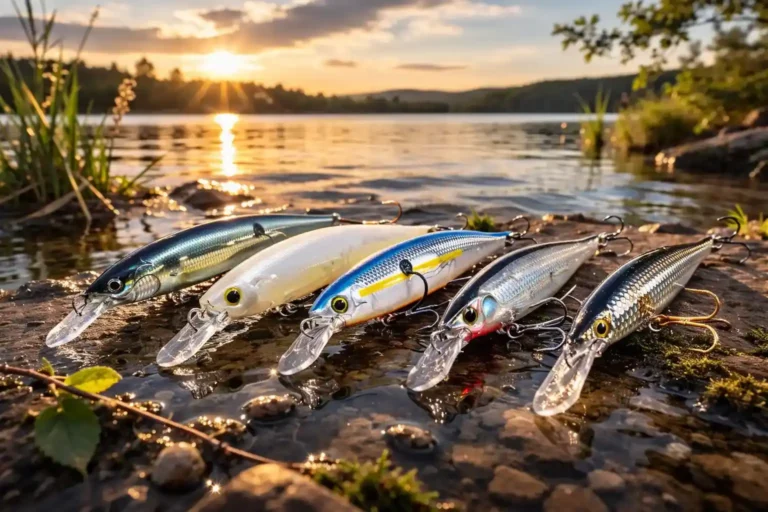
If you are in a hurry, these 5 field-tested topwater lures cover every surface presentation, water condition, and feeding window — from explosive plopper strikes to slow crawler sessions at dusk.
- River2Sea Whopper Plopper 130 — best overall topwater pike lure for low-light sessions, reed edges, and anglers who want a single lure that triggers violent surface strikes on a steady retrieve
- Heddon Super Spook — best walk-the-dog bait for calm morning sessions and clear water where a side-to-side glide presentation outfishes anything else on the surface
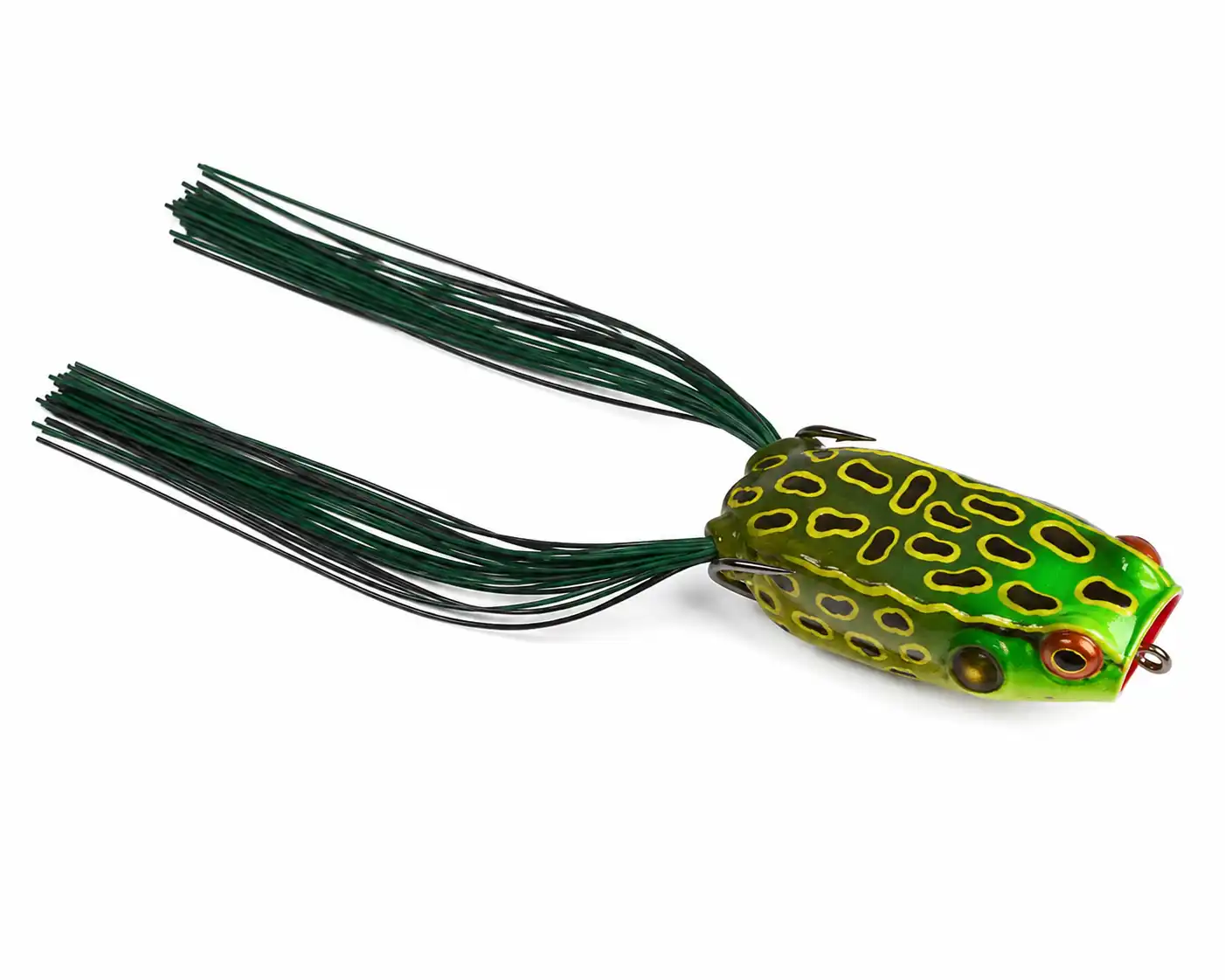
- BOOYAH Poppin’ Pad Crasher — best frog lure for heavy summer weeds, lily pads, and shallow ambush lanes where standard topwater hooks would snag on every cast
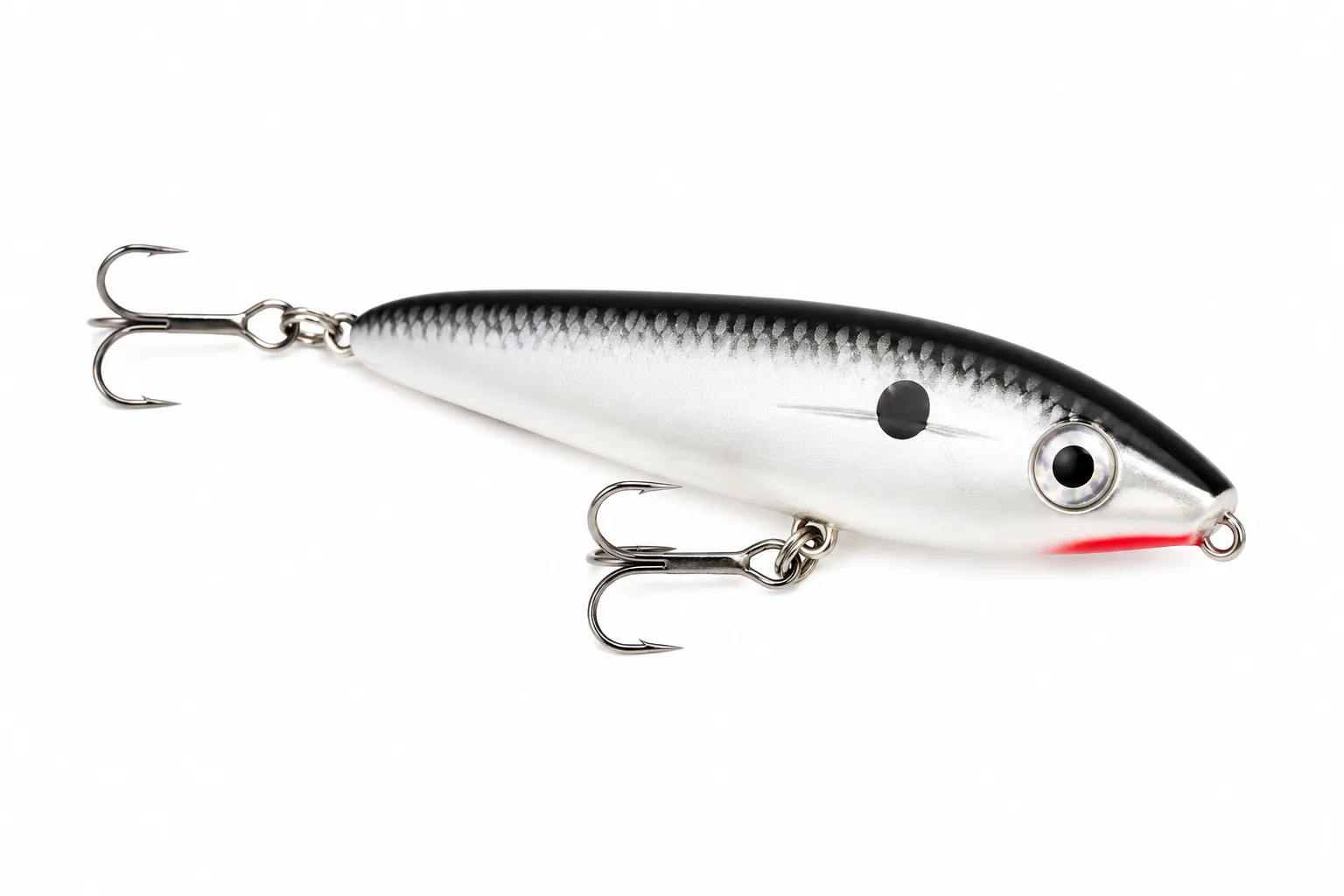
- Rapala Saltwater Skitter Walk 11 — best finesse topwater option for pressured fish, light chop, and situations where a subtler walking presentation triggers follows that aggressive lures can’t close
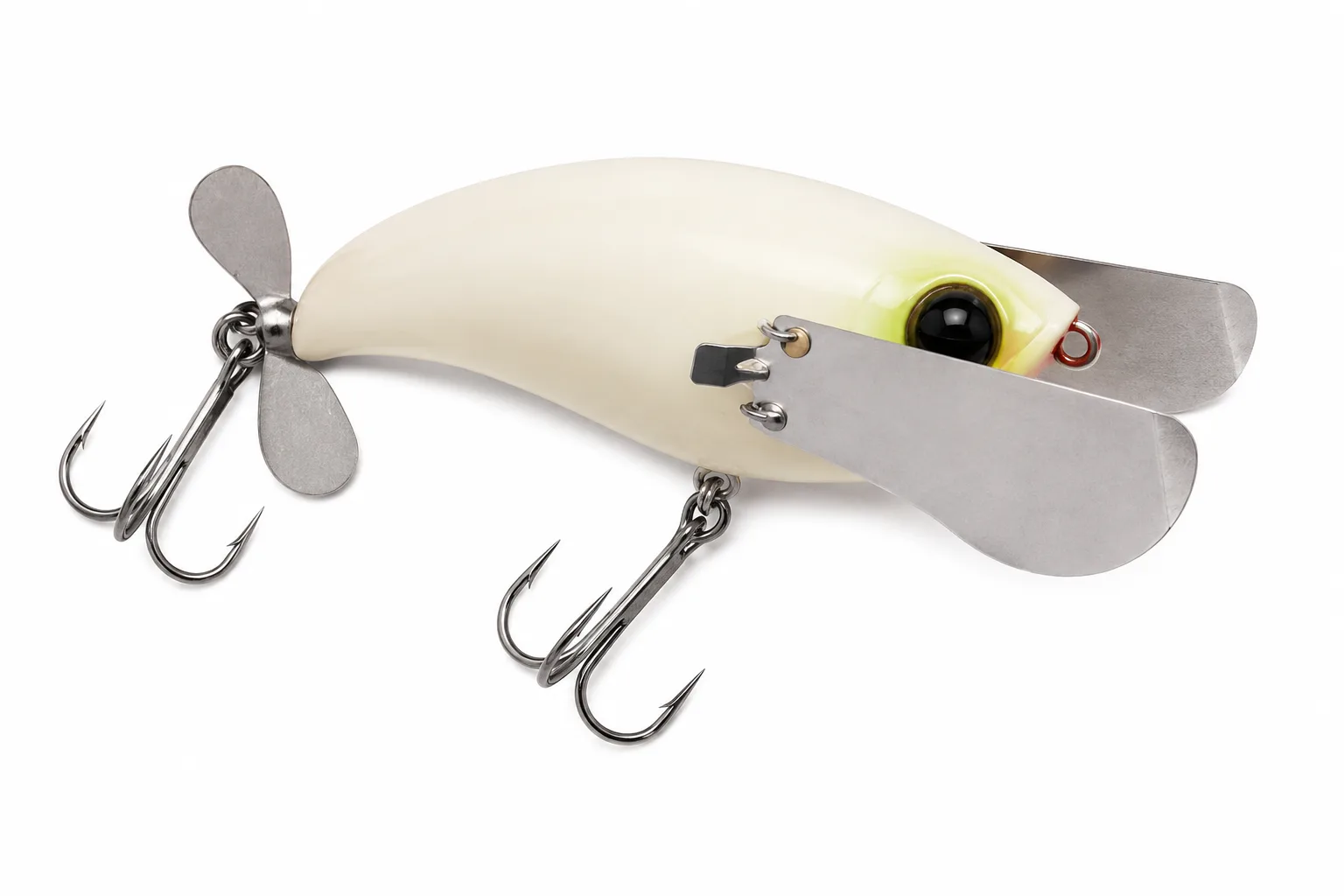
- Jackall Pompadour — best premium crawler for dusk sessions, night edges, and trophy-focused anglers who want maximum surface disturbance on a slow, deliberate retrieve
Why Summer Topwater Pike Fishing Triggers the Most Explosive Strikes
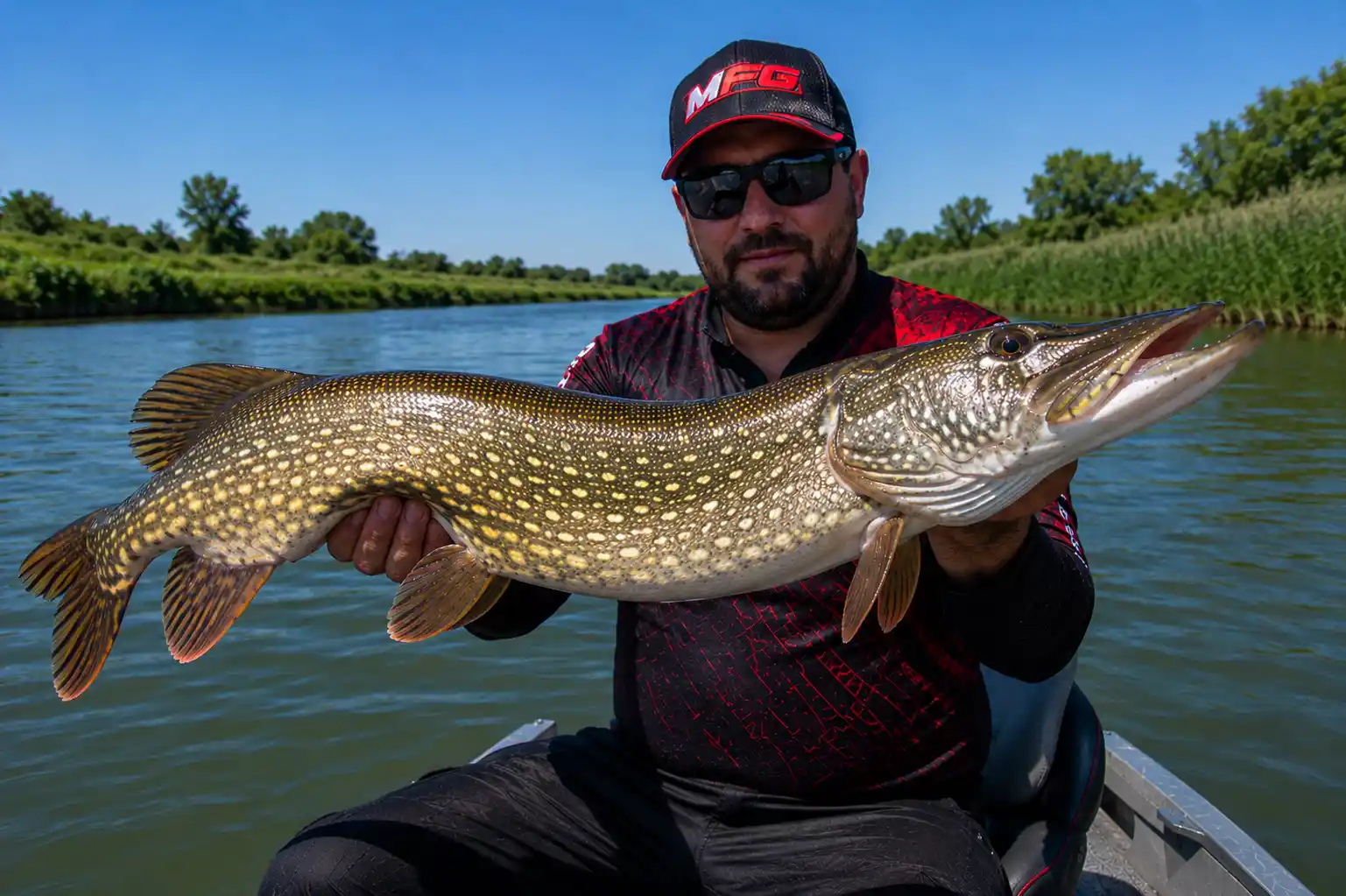
Pike are ambush predators built for explosive, short-distance attacks. Their flat skull, upward-angled jaw, and binocular targeting from below make the surface the most natural strike zone a pike has. Topwater lures exploit exactly that. A lure moving across the surface sits directly in a pike’s kill window, and when conditions are right, the commitment is instant and violent.
Summer changes pike behavior in one critical way: warm water pushes baitfish into the top layer of the water column. Perch fry, roach, and small rudd school near the surface to feed on insects and plankton. Pike follow. What looks like open water to most anglers is actually a feeding corridor — and a topwater lure dropped into that corridor at the right moment gets eaten.
Water temperature plays a direct role, but the number alone doesn’t tell the full story. Surface temps between 18–22°C (64–72°F) represent the most reliable topwater window. As temps push toward 23–24°C and above, smaller pike remain active — but large trophy fish begin experiencing thermal stress and pull back into deeper, cooler water or seek out submerged weed canopies. If you’re targeting big pike on the surface, the upper edge of that range matters as much as the lower. Beyond temperature, three conditions consistently extend or shorten the window:
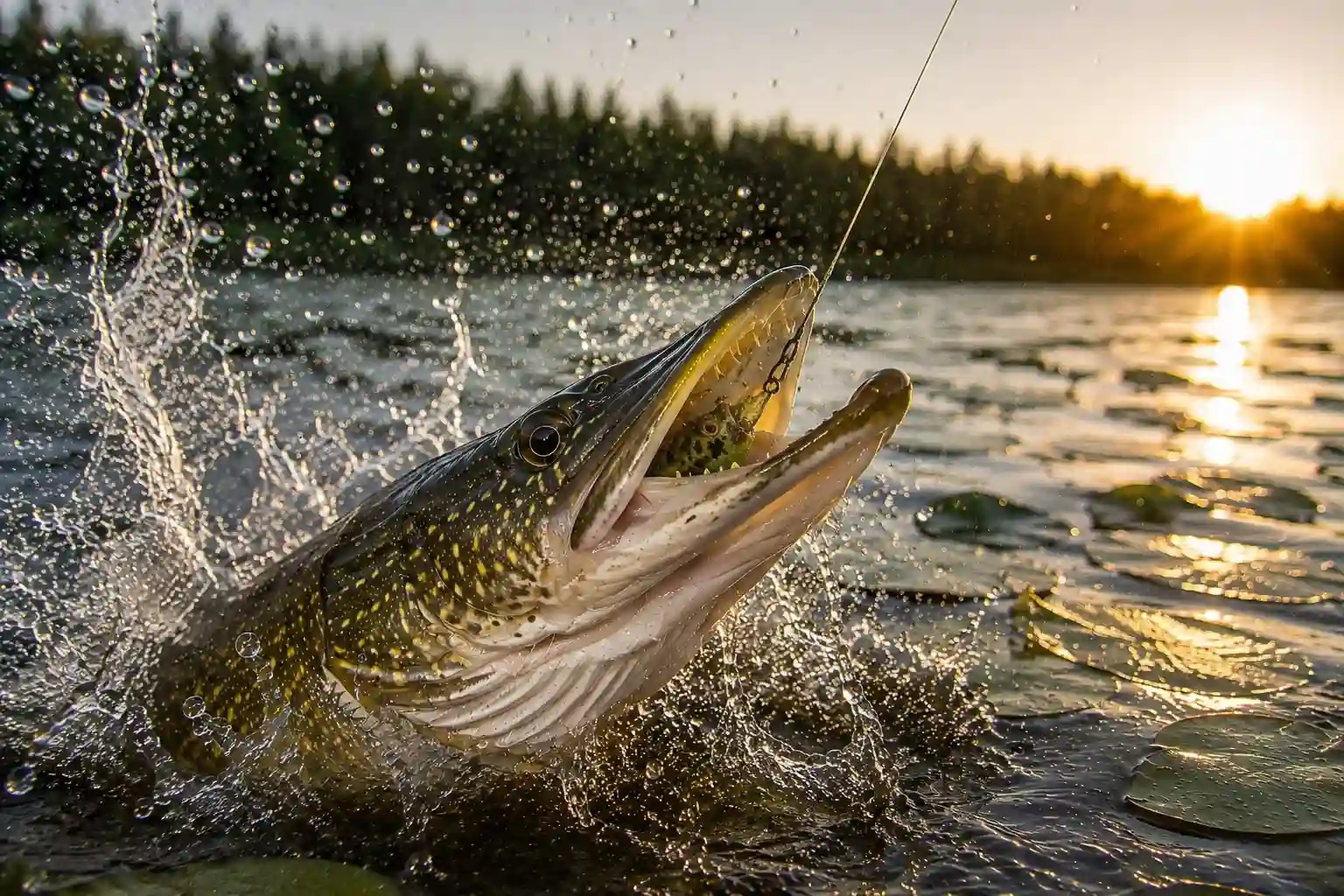
- Overcast skies — cloud cover keeps pike comfortable in the shallows well past sunrise, often doubling the productive topwater window compared to bright sunny mornings
- Surface ripple — a light wind chop breaks up surface glare and keeps fish holding shallow longer than flat calm conditions under direct sun
- Dark-bottom bays — these areas absorb heat faster and activate earlier, often producing surface strikes an hour before open water does
There is also a behavioral trigger that most anglers underestimate: pike in summer are highly reactive to surface disturbance. The sound of a plopper tail, the splash of a frog landing on pads, the subtle wake of a walking bait — these signals mimic injured prey or surface-feeding baitfish. Pike don’t always strike because they’re hungry. In my experience, large summer pike especially will hit a topwater out of pure reaction, territoriality, or aggression — an instinct that overrides feeding motivation entirely.
Low-light conditions amplify all of this. At dawn and dusk, pike move shallow with confidence. Light penetration is low, surface visibility drops, and ambush positions along weed edges become active feeding stations. This is when the biggest fish commit to topwater — not cautiously, but completely.
What Conditions Trigger Topwater Pike Strikes?
Topwater fishing for pike is not a technique you can run in any condition and expect consistent results. The difference between an explosive morning session and two hours of empty casts often comes down to reading conditions before you even tie on a lure. These are the factors that matter most.
Wind and Surface Texture
Flat calm water is visually appealing but can work against you. A light ripple — not chop, not waves, just enough wind to break up the mirror surface — is the single best topwater condition for pike. It breaks up surface silhouette, reduces visibility from below, and gives pike the confidence to hold shallow without feeling exposed.
When a light wind is present, focus your casts on windward weed edges — the side of the vegetation facing into the wind. Baitfish concentrate there naturally, and pike position themselves just inside the edge waiting for an easy target. On completely calm mornings, fish the first 20–30 minutes of light aggressively. Once the sun climbs and the surface stays glassy, expect follows without commitment.
Light Conditions
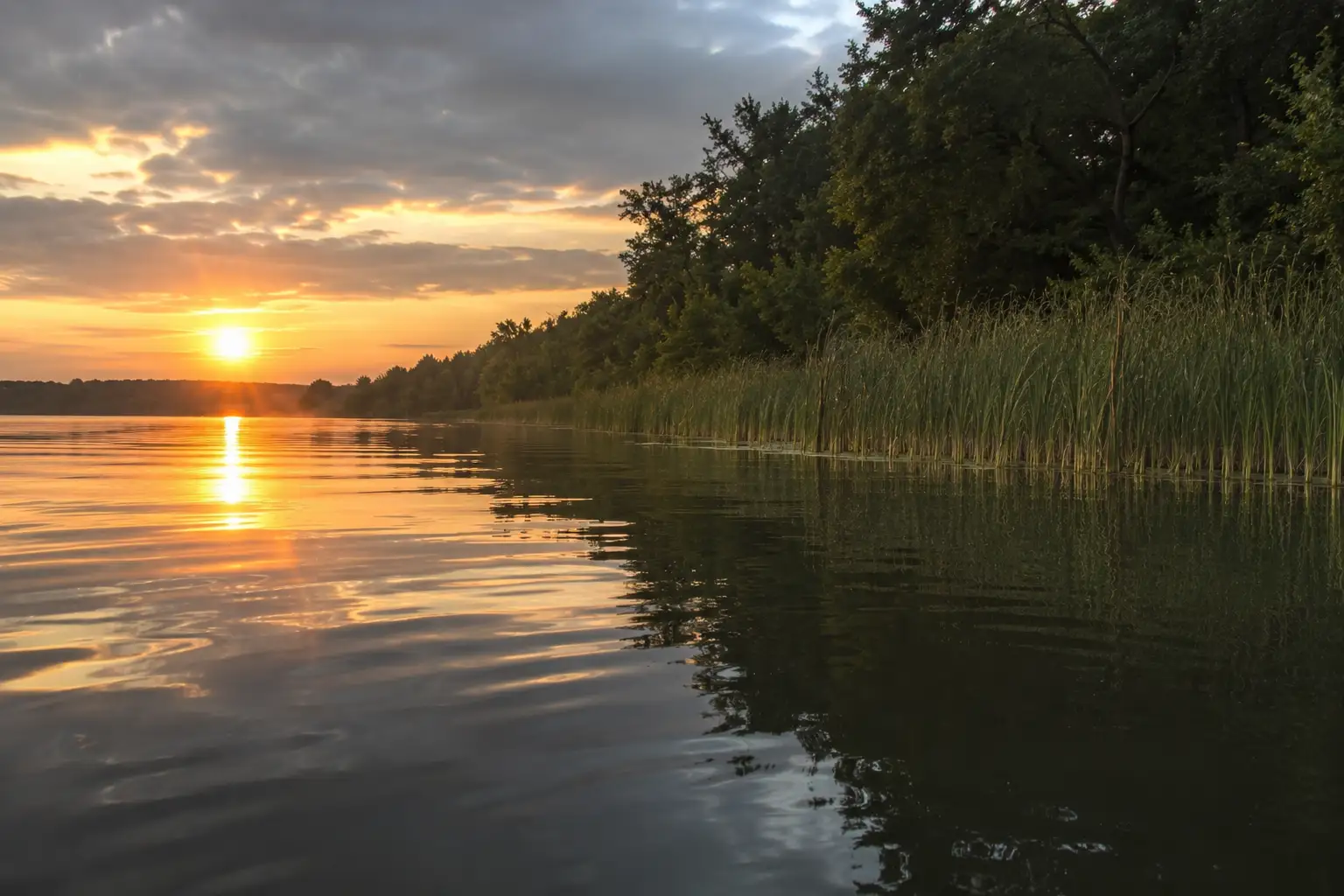
Low light is not just preferred — it is often the difference between a strike and a follow. Dawn sessions consistently outperform midday fishing by a significant margin during summer. Many mornings produce the entire topwater bite before the sun fully clears the tree line.
Overcast days are the exception — cloud cover effectively extends the low-light window throughout the morning and sometimes into the afternoon. On bright bluebird days, compress your topwater efforts into the first 60–90 minutes after sunrise and the last hour before dark.
Water Clarity
Topwater lures work across a wide range of clarity, but presentation needs to match. In clear water, subtler profiles and natural colors outperform loud, aggressive lures. Pike track a bait longer before committing in clear conditions — and will abort late if something feels wrong.
In stained or slightly murky water, louder surface disturbance — prop baits, ploppers — triggers reaction strikes from fish that locate by sound and vibration as much as sight.
Weather Stability
Stable weather produces far more consistent topwater action than rapidly changing conditions. A cold front passing through will push pike off the surface almost completely — sometimes for 24–48 hours.
The best sessions we’ve had at MFG consistently followed two or more days of stable, warm weather with no significant pressure changes. If you’re planning a dedicated topwater session, watch the barometer as closely as the forecast.
Season Window Within Summer
Not all of summer is equal for topwater. Early summer — June into early July — is the most productive period before peak heat pushes large pike deeper during midday hours. Late summer evenings can fire up again as temps begin to drop, especially in shallower lakes that cool faster overnight.
Mid-summer during a heat wave is the most challenging window — large pike pull back to deep weed edges and thermocline layers where oxygen levels stay stable, leaving only smaller fish willing to chase surface presentations. If you want to understand exactly how deep summer pike drop during heat stress, that breakdown covers the full picture. Fish it early, fish it fast, and don’t waste time on unproductive shallow water when temperatures peak.
Best Topwater Lures for Pike
Not all topwater lures work the same way — and for pike, that difference matters more than most anglers realize. Each lure style creates a different surface disturbance, triggers a different predator response, and performs best under specific conditions. The lures below cover every realistic topwater scenario you’ll face during a summer pike session.
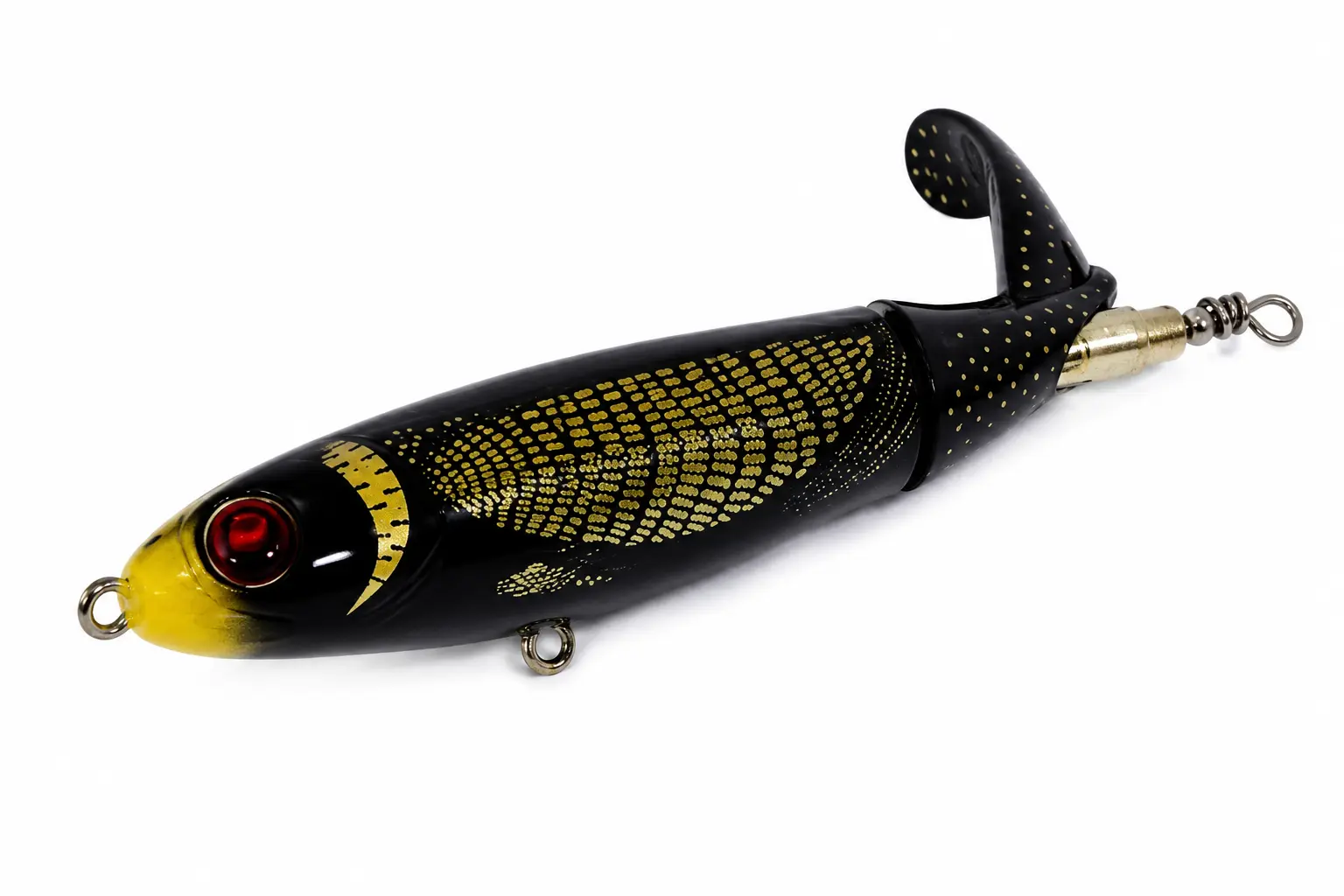
1. River2Sea Whopper Plopper 130 — Best Overall for Reaction Strikes
The rotating tail blade creates a consistent thumping sound that pike locate from a distance — even in stained water or low light. No rod action needed — a steady retrieve at medium speed is all it takes to trigger aggressive reaction strikes. While smaller sizes like the 90 or 110 are great for bass, the 130 profile is the absolute sweet spot for weeding out small jacks and targeting mature pike.
MFG Insider Tip: Pike often miss surface baits on the first strike because they attack from below and slightly behind the lure. If a pike blows up on your Plopper and misses, do not stop reeling. Maintain your speed — they will frequently turn around and smash the tail a second time if the bait keeps moving. When pike are feeding shallow at first light, the Whopper Plopper often gets the first strike of the morning before any other lure even gets a follow.
Best conditions: low light, reed edges, stained water
Retrieve: steady medium speed
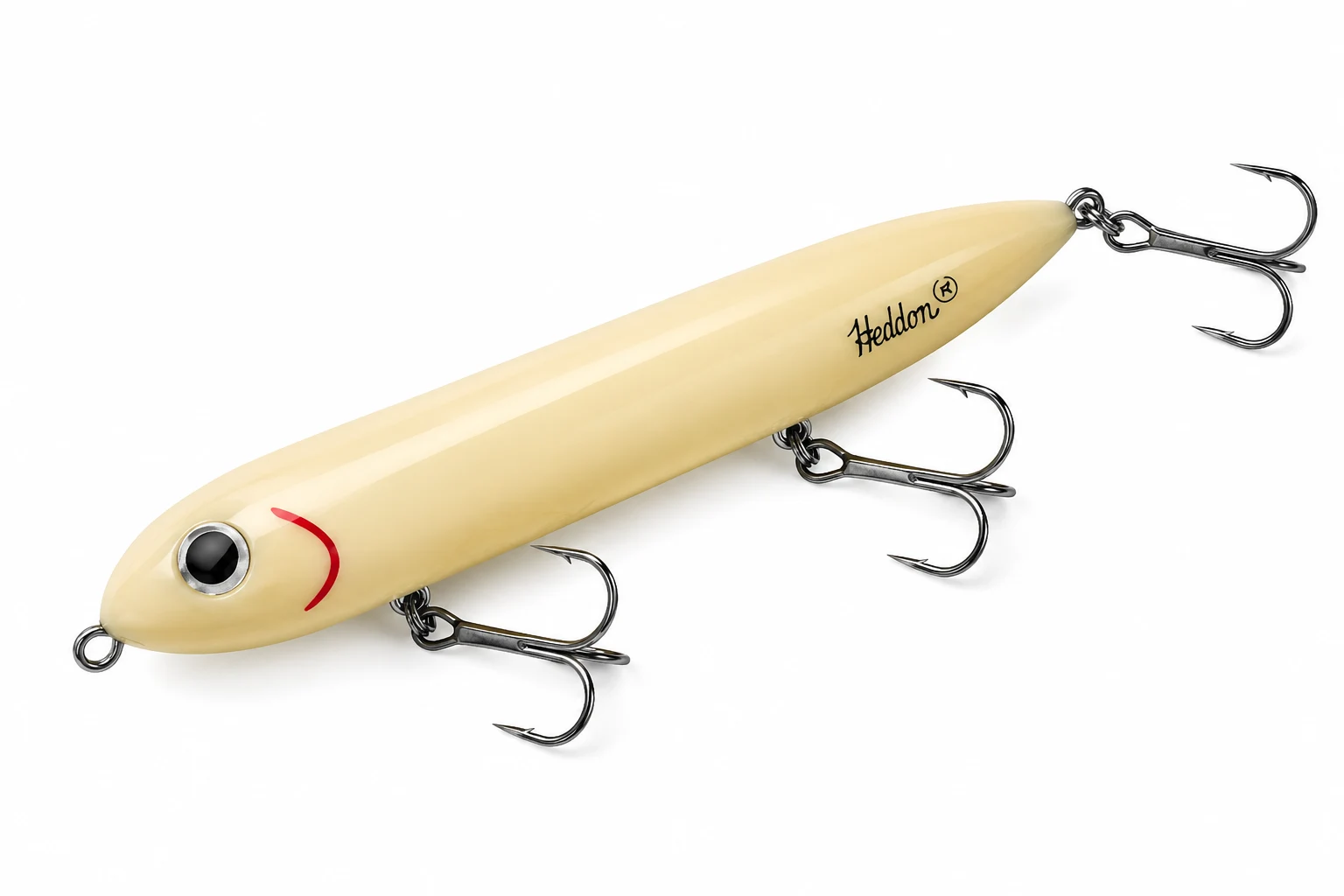
2. Heddon Super Spook — Best Walk-the-Dog Bait for Clear Water
The Super Spook is one of the oldest topwater designs still in serious production — and for good reason. The side-to-side walk-the-dog action creates a wide, erratic swing that mimics a wounded baitfish struggling on the surface. Unlike subtle surface wakes, the Spook relies on a heavy internal rattle that emits a deep, single-thump clicking sound with every twitch — a low-frequency vibration that calls large pike up from deeper weed edges even on bright, clear mornings.
MFG Insider Tip: Large pike frequently swipe at surface baits or follow them closely out of curiosity before committing. The Spook rewards anglers who break the rhythm; introducing a dead pause — sometimes 2 to 3 seconds of complete stillness right after a wide glide — triggers reaction strikes from fish that would otherwise abort. In clear water where pike inspect the bait from below, “Bone” is our color of choice for creating a natural, high-contrast silhouette against a bright sky.
Best conditions: calm water, clear visibility, pressured fish, stable weather
Retrieve: walk-the-dog — rhythmic rod tip twitches with deliberate, sudden pauses
3. BOOYAH Poppin’ Pad Crasher — Best Frog for Heavy Weeds
Summer pike fishing and thick surface vegetation go hand in hand — and that is exactly where most standard topwater lures fail. The Pad Crasher’s hollow body and weedless hook design lets you fish directly through lily pads, slop, and dense reed edges without snagging. The cupped mouth creates a popping splash on each twitch, adding sound and surface disturbance that draws pike out of cover they would never leave for a hook-exposed lure.
MFG Insider Tip: Pike hunting beneath a weed canopy are tracking sound and vibration through the vegetation ceiling — not visual confirmation. That’s why missed strikes are more common here than in open water. Resist the urge to set the hook immediately — wait until you feel the full weight of the fish before driving the hooks home. The weed ceiling delays the moment pike fully commit, and a premature hookset pulls the frog away before the hooks have cleared the body. Bullfrog is the go-to color pattern for green vegetation, and the budget-friendly price point makes this one of the most accessible entries into surface frog fishing for pike.
Best conditions: lily pads, surface slop, dense weeds, shallow ambush lanes
Retrieve: walk-and-pop with deliberate pauses over open pockets in vegetation
Pike will often track the movement under the mats for yards before violently busting through the canopy the exact second the frog hits an open pocket of water.
4. Rapala Skitter Walk 11 — Best Finesse Topwater for Pressured Pike
Not every topwater session calls for maximum noise and aggression. On pressured waters, bright conditions, or when pike are following without committing, a subtler surface presentation often outfishes everything else in the box. The Skitter Walk 11 produces a tight, controlled walk-the-dog action with a smaller profile and less surface commotion than larger walking baits — exactly what cautious pike need to commit rather than abort at the last second.
MFG Insider Tip: The Skitter Walk dominates in two specific situations — flat calm surface conditions and extremely clear water where larger, noisier lures spook fish before they commit. On glassy mornings when aggressive lures are creating too much disturbance, dropping down to this finesse profile with a slower, more deliberate cadence consistently converts followers into strikers. Chrome is our color of choice for high-visibility conditions, creating a sharp flash that mimics a small roach or perch struggling on the surface. When nothing else gets a clean commit, downsize to this lure before giving up on a spot entirely.
Best conditions: flat calm surface, clear water, pressured fish, bright conditions
Retrieve: slow walk-the-dog with extended pauses
Some of the most memorable surface strikes we’ve seen came from fish that ignored every aggressive lure thrown at them — until the Skitter Walk landed quietly and did almost nothing at all.
5. Jackall Pompadour — Best Premium Crawler for Dusk and Trophy Pike
The Pompadour occupies a category most pike anglers have never fished — the surface crawler. Two large metal side wings flap and displace water with a slow, deliberate rhythm that creates a wide surface wake and a deep, gurgling sound unlike anything else on this list. There is no aggressive popping, no tight walk, no spinning tail — just a heavy, methodical crawl that displaces water in a way that triggers something primal in large pike. This is not a search bait. It is a presentation for specific conditions, specific fish, and anglers willing to fish it slowly enough to let it work.
MFG Insider Tip: The Pompadour performs best when retrieved almost uncomfortably slowly — especially in the final 30 minutes of light before dark. Large summer pike that ignored faster presentations throughout the day will often commit to a crawler moving just fast enough to keep the wings working. Bone White is our color of choice for dusk sessions and low-light edges where high contrast silhouette matters more than natural color matching. This lure will not get the most strikes on your outing — but when it does connect, it tends to deliver the biggest fish of the session.
Best conditions: dusk, night edges, calm water, trophy-focused sessions
Retrieve: very slow and steady — just fast enough to keep the wings working
There is something about a crawler moving slowly along a dark weed edge at last light that large pike simply cannot ignore — even fish that have seen everything else all summer.
Where to Find Topwater Pike in Summer
Knowing which lure to throw is only half the equation. A perfectly presented topwater bait in the wrong location will produce nothing — while the right spot, even with an average presentation, will almost always get a strike. Summer pike are structure-oriented and predictable once you understand what they need: ambush cover, accessible baitfish, and comfortable water temperature.
Shallow Weed Edges
This is the single most productive topwater location during summer. Pike position themselves just inside the outer weed edge, using the vegetation as cover while monitoring open water for passing baitfish. The transition between open water and the weed line is where most surface strikes happen. Cast parallel to the edge rather than into it — a lure thrown perpendicular to the weed line spends only a second or two in the strike zone before leaving it. A parallel cast keeps the lure running through that zone for the entire retrieve, maximizing the time a pike has to track, commit, and strike. Early morning, before direct sunlight hits the flat, is when these edges are most active.
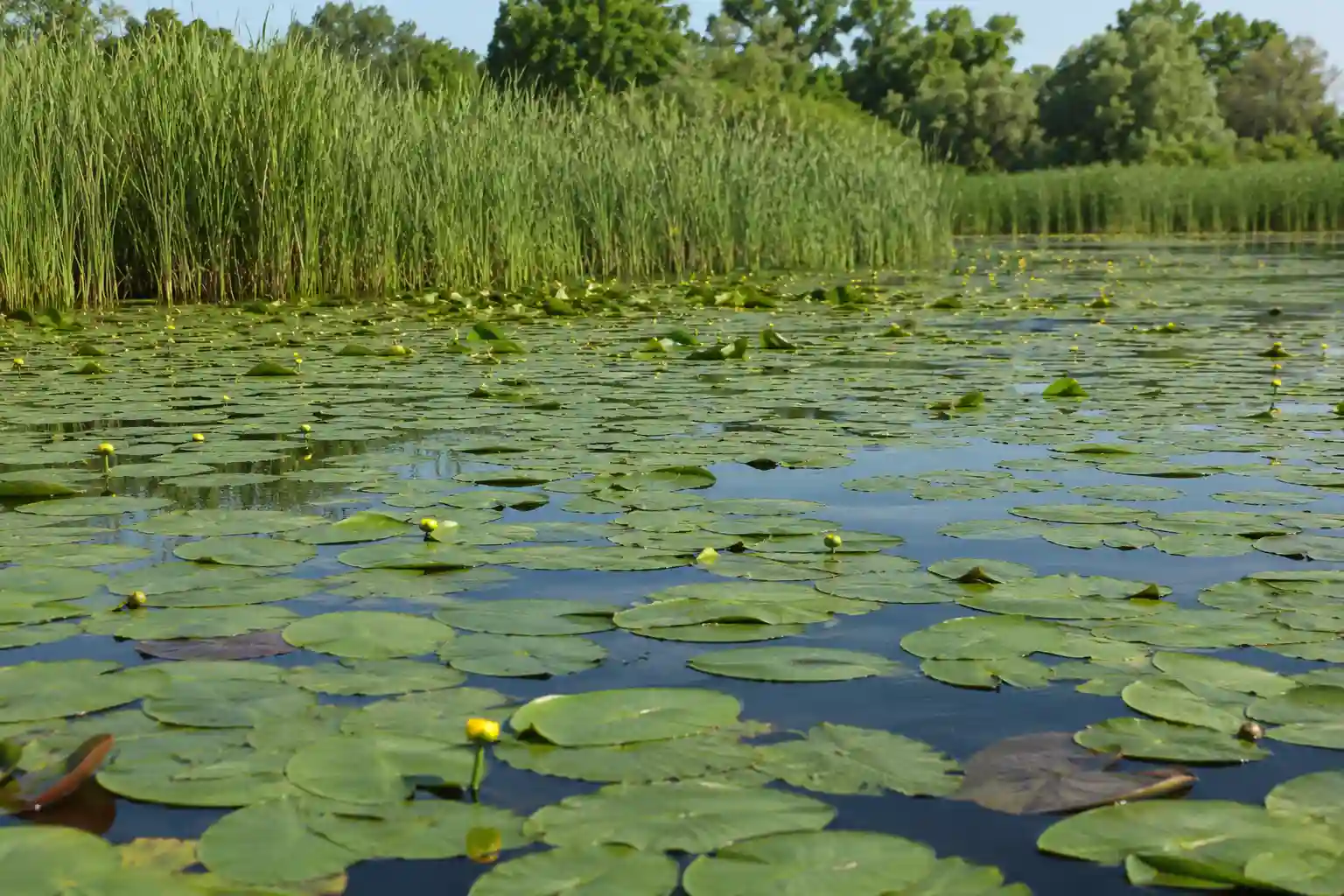
Lily Pad Fields and Surface Vegetation
Dense surface cover creates natural ambush corridors that large pike exploit throughout the summer. The most productive areas are not the thick mats themselves but the open pockets and channels running through them. Cast your frog or weedless lure onto the mat and drag it toward the nearest opening — strikes most often come the instant the lure drops into clear water between the pads.
Reed Beds and Hard Cover Edges
Reed lines offer pike both shade and ambush position in a single location. Fish the first metre of open water running alongside a reed edge — pike sit just inside the reeds and explode outward when a surface lure passes within range. Long, straight reed banks are less productive than broken edges with irregular points and pockets where pike can position from multiple angles.
Shallow Bays and Warm Flats
In early summer before peak heat sets in, shallow dark-bottom bays warm faster than open water and concentrate both baitfish and actively feeding pike. Pay particular attention to windblown bays — a warm summer wind pushing into a shallow flat carries plankton and small baitfish with it, and pike follow. These wind-pushed bays often produce surface action when calm bays on the opposite shore go completely quiet. As summer progresses, these areas can go dead during midday heat but come alive again during evening sessions when surface temperatures begin to drop.
Transition Zones Between Depth and Shallow Cover
Not all topwater pike sit in the shallowest water available. The edges where shallow vegetation meets a sudden depth drop are some of the most consistent topwater locations for larger fish. Pike use the depth as a quick escape route while hunting the shallows above — a surface lure worked slowly over these transitions gives big fish the confidence to commit without feeling exposed. For a full breakdown of how summer pike use depth and structure, our summer pike location guide covers every scenario in detail.
How to Retrieve Topwater Lures for Pike
More topwater pike are lost to poor retrieve technique than to wrong lure choice. The surface is a feeding zone where timing, cadence, and pause length determine whether a following pike commits or turns away at the last second.
These are not general guidelines — these are the exact retrieve patterns that consistently produce clean strikes across different lure styles.
Plopper Retrieve (River2Sea Whopper Plopper)
The plopper is the most forgiving topwater retrieve for pike — but that does not mean any speed works. A steady medium retrieve at roughly 60–70% of your natural reeling speed is the baseline.
Too slow and the tail blade loses its thump rhythm. Too fast and the lure skips across the surface without giving pike time to track and lock on.
MFG Insider Tip: The key variable is the micro-pause. Every 4–6 seconds of steady retrieve, kill the lure completely for 1–2 seconds. Let it sit dead on the surface, then resume.
The majority of strikes on the Whopper Plopper happen within the first two turns of the handle after that pause ends. The sudden restart triggers a reaction that a continuous retrieve never produces. If a pike blows up and misses, do not pause — maintain speed and keep reeling. They will come back.
Walking Bait Retrieve (Heddon Super Spook / Rapala Skitter Walk)
Walk-the-dog is a rhythmic technique that rewards consistency. The basic cadence requires a sharp downward rod tip twitch followed instantly by a fraction of a second of slack line, repeated in a tight, steady chain.
This instant release of tension allows the lure to glide fully to the left, then the right, and left again. Disrupting that rhythm is what triggers strikes.
MFG Insider Tip: For summer pike specifically, the most productive pattern is to deliver 3–4 sharp twitches in a steady rhythm, followed by a dead pause for 2–3 seconds with your rod tip low and line completely slack.
That dead pause is where the magic happens. Pike that have been shadowing the lure for several yards will commit the moment it stops moving. On pressured fish or in ultra-clear water, extend that pause to 4–5 seconds. It will feel uncomfortably long, but that is usually when the explosion occurs.
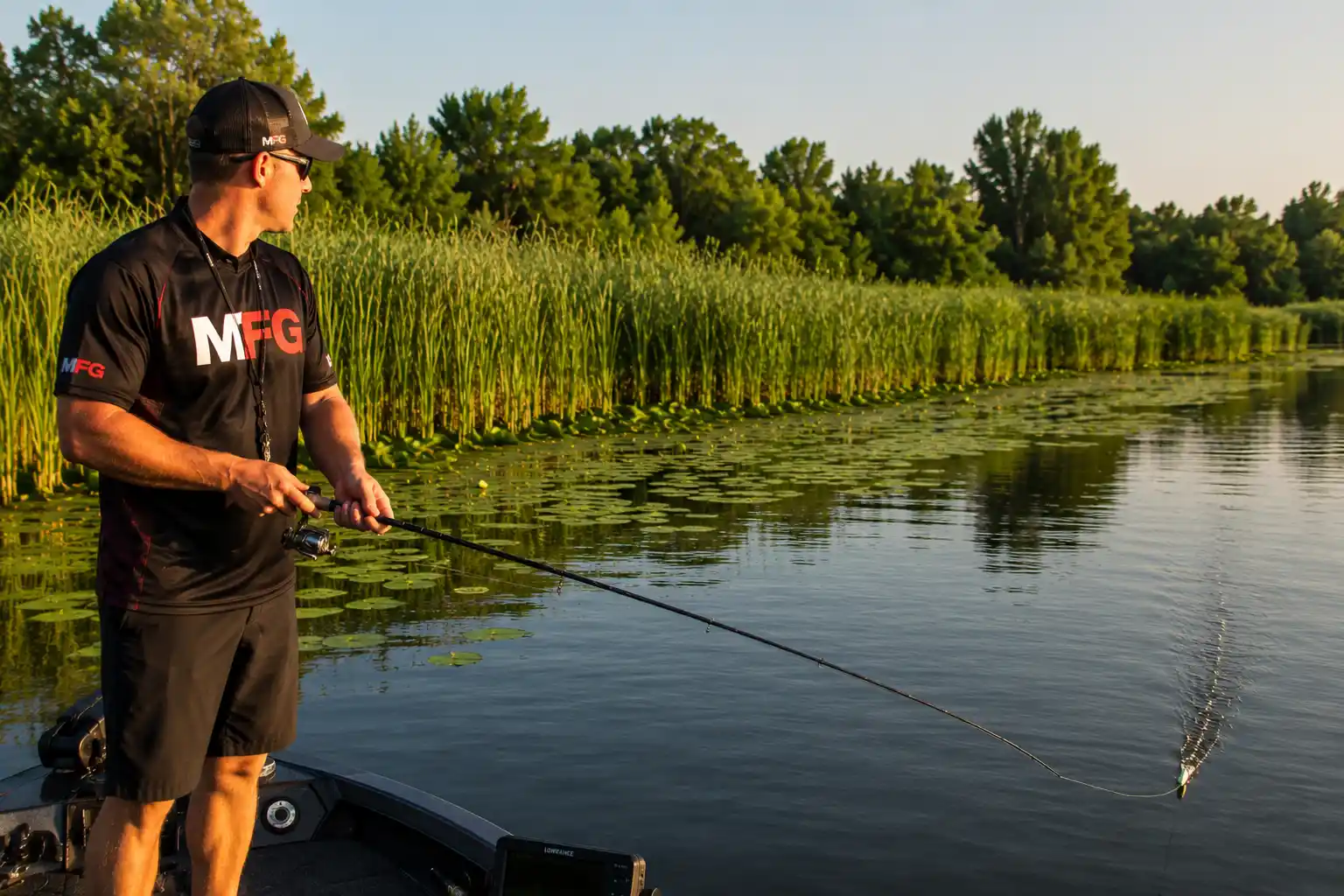
Frog Retrieve (BOOYAH Poppin’ Pad Crasher)
Frog fishing for pike over heavy vegetation is a patience game. The most effective pattern is two sharp rod tip pops followed by a complete stop — then nothing for 3–5 seconds.
Let the frog sit completely still over open pockets in the vegetation. That stillness is what draws pike out of the weed canopy below.
MFG Insider Tip: Over open water edges adjacent to pads, a slow continuous walk-and-pop works well. But inside the mats, the longer the pause the better — we have waited as long as 8 seconds on particularly pressured fish before the strike came.
Set the hook only when you feel the full weight of the fish, not at the visual explosion. Pike under a weed ceiling take a fraction longer to fully close on the bait and clear the grass.
Crawler Retrieve (Jackall Pompadour)
The crawler demands the slowest retrieve of any topwater style — and most anglers fish it too fast. The target speed is just fast enough to keep the metal wings flapping in a steady, rhythmic waddle.
On most reels, that translates to roughly 20–25% of your normal retrieve speed — one slow, deliberate turn of the handle every 2–3 seconds.
MFG Insider Tip: Pauses work differently on a crawler than on other topwater lures. Rather than a dead stop, use a near-stop — slow your retrieve to almost nothing for 3–4 seconds, then resume. A complete dead pause can kill the wings’ momentum and disrupt the rhythm that triggers large pike.
The most productive window for the Pompadour is the final 30 minutes before dark — fish it slowly along weed edges and do not rush. If nothing has happened after a full retrieve, do not lift the lure immediately at the rod tip — pause it there for 3–4 seconds before picking up for the next cast. That final moment of stillness at close range has produced some of our most violent strikes of the season.
Best Time of Day for Topwater Pike Fishing in Summer
Timing a topwater session correctly in summer is not a preference — it is the difference between explosive action and empty water. Pike use the surface as a feeding zone during specific windows, and outside those windows, the same fish that were smashing topwater lures an hour earlier will ignore everything you throw. These are the windows that consistently produce.
Dawn — The Primary Window
The single most productive topwater period of the entire summer day begins roughly 30 minutes before sunrise and runs until direct sunlight hits the water — typically 60 to 90 minutes after first light.
During this window, light penetration is minimal, surface temperatures are at their coolest point of the day, and pike move shallow with full confidence. Baitfish are active near the surface, weed edges are loaded with ambush-ready fish, and the combination of low light and cool water creates the most aggressive feeding behavior you will see all season.
On overcast mornings, this window extends significantly — sometimes running two to three hours past sunrise before fish begin pulling back. Many of our best topwater sessions at MFG have produced every single strike before the sun cleared the tree line.
MFG Field Note: One July morning we had three surface strikes in less than 15 minutes along the same reed edge. Then the sun cleared the trees, hit the flat directly, and the entire bite shut down almost instantly. Same lure, same retrieve, same location — but the feeding window was over.
If you arrive at the water after 8 AM on a bright summer morning expecting consistent topwater action, you have already missed the primary window.
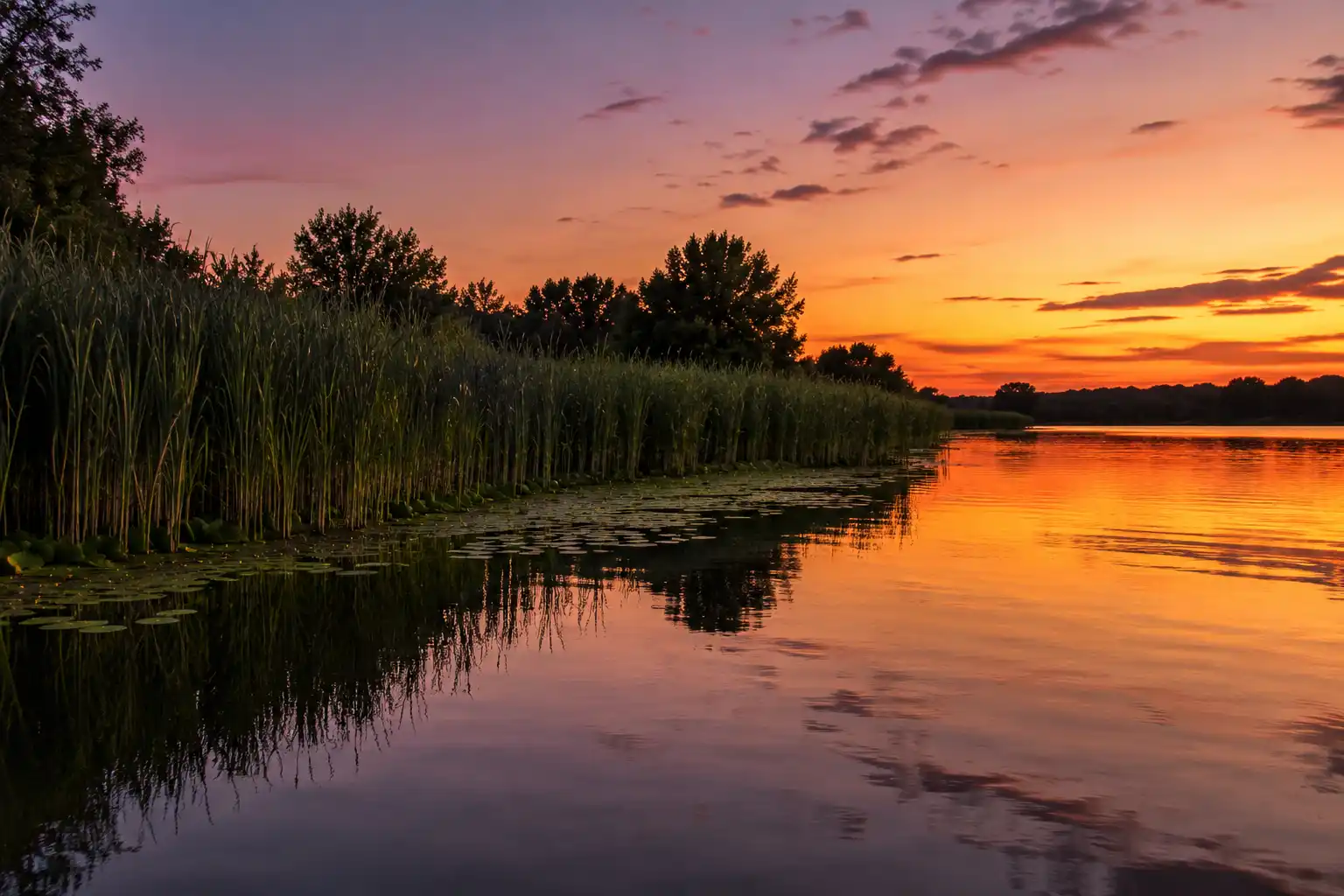
Dusk — The Secondary Window
The evening window begins roughly 60 minutes before sunset and runs until full dark. As surface temperatures drop and light fades, pike that spent the midday hours in deeper, cooler water begin moving back toward shallow edges.
This is the most productive window for larger fish — trophy pike that rarely show themselves during daylight hours become active along weed edges and transition zones as visibility drops.
As light fades, ploppers and crawlers take over as the most effective presentations. The constant thumping sound of a plopper creates an acoustic trail pike can track in low visibility, while a crawler’s heavy surface displacement draws fish from distance. Silent walking baits — deadly at dawn in clear conditions — lose their edge as darkness reduces the visual component that makes them effective.
Midday — When to Stop and When to Try
Between roughly 10 AM and 6 PM on bright summer days, topwater fishing for pike drops off sharply. Surface temperatures peak, light penetration is at maximum, and large pike pull back to deep weed edges and thermocline layers where conditions are more comfortable.
The exception is overcast or heavily clouded midday conditions. A thick cloud cover that eliminates direct sunlight can effectively turn midday into a low-light window — pike stay shallow longer and surface activity continues well past the normal cutoff. Watch the sky as closely as the clock. On genuinely overcast summer days, topwater fishing can produce throughout the entire day.
Night Fishing
Full darkness produces some of the largest topwater pike of the season — but it requires a specific approach. Slow, noisy presentations that create maximum sound and vibration work best after dark — pike locate by lateral line and sound in low visibility conditions.
Crawlers and ploppers outperform silent walking baits at night. For a complete breakdown of tactics, timing, and locations for after-dark sessions, our summer night pike fishing guide covers everything in detail.
Gear Setup for Topwater Pike Fishing
Topwater fishing places specific demands on your gear that general pike setups don’t always meet. The wrong rod action kills lure presentation, the wrong reel slows your hookset, and the wrong line creates surface drag that ruins a walking bait’s action. Here is what actually matters for surface fishing.
Rod
Topwater pike fishing requires a rod that can load and release energy quickly without being too stiff to feel the lure working. A medium-heavy rod with a fast or moderate-fast action in the 7–8 ft range is the most versatile choice for surface presentations. Too much power and you lose the rod tip sensitivity needed to feel a walking bait’s swing. Too soft and hooksets on large pike at distance become unreliable.
Spinning setups handle lighter topwater lures like the Skitter Walk more naturally, while baitcasting outfits give you better control and distance on heavier lures like the Pompadour and larger Whopper Ploppers. For full rod recommendations tested specifically for pike, see our best spinning rods for pike and best baitcasting rods for pike guides.
Reel
A smooth, fast drag system is essential for topwater pike — surface strikes are violent and the first run happens instantly. For spinning setups, a 3000–4000 size reel covers most topwater scenarios. For baitcasting, a 7.1:1 or higher gear ratio gives you the speed to keep up with a fleeing fish and maintain tension after a missed strike. See our full breakdown in the best spinning reels for pike and best baitcasting reels for pike guides.
Line
Braided line is non-negotiable for topwater pike fishing. Braid floats, has zero stretch for instant hooksets, and gives you the sensitivity to feel exactly what your lure is doing on the surface. A 30–50 lb braid is the standard range — light enough for natural lure action, strong enough to handle big fish in heavy vegetation. For full line recommendations, see our best pike fishing lines guide.
Leader
A wire or heavy fluorocarbon leader is essential — pike teeth will cut through any unprotected mainline on the first strike. For topwater fishing specifically, a shorter leader of 20–30 cm works better than a long trace — it keeps the connection point away from the lure’s action without adding unnecessary weight that can sink the front of the bait. For a full breakdown of leader materials, lengths, and construction, see our best pike fishing leader.
Common Topwater Pike Fishing Mistakes
Most missed opportunities on topwater come down to the same repeatable errors. Fixing these will immediately improve your strike-to-landing ratio on summer surface sessions.
Setting the Hook Too Early
The most common mistake in topwater fishing. When a pike explodes on a surface lure, the instinct is to strike immediately — but the fish often hasn’t fully closed on the bait yet. Wait until you feel the full weight of the fish before driving the hooks home. This is especially critical with frog fishing over heavy vegetation.
Fishing Too Late in the Morning
Arriving at the water after sunrise on a clear summer day means you’ve already missed the primary feeding window. The most aggressive topwater action happens before direct sunlight hits shallow flats. Be on the water 30 minutes before first light.
Retrieving Too Fast
Speed kills topwater presentations for pike. Most anglers retrieve at bass fishing pace — which is consistently too fast for pike to track and commit. Slow down by at least 30–40% of what feels natural, and add longer pauses than feel comfortable.
Ignoring Follows Without Strikes
A following pike that doesn’t commit is sending you information. If fish are tracking but aborting, change your pause length, slow your retrieve, or downsize to a subtler profile like the Skitter Walk. Never ignore a follower — it tells you exactly what adjustment to make.
Fishing Topwater in the Wrong Conditions
Direct midday sun, cold fronts, and rough choppy water are not topwater conditions. Forcing surface presentations when conditions don’t support them wastes time that could be spent on more productive techniques or locations.
Stopping After a Missed Strike on a Plopper
When a pike misses a plopper, do not stop reeling — maintain speed and keep the lure moving. Pike attack from below and behind, and a sudden stop after a miss pulls the lure away from the fish. Keep the retrieve going and they will come back for a second strike.
Topwater Pike Fishing: Frequently Asked Questions
What is the best topwater lure for pike?
The River2Sea Whopper Plopper 130 is the most consistent all-round topwater lure for pike. The rotating tail creates constant sound and surface disturbance that pike locate from distance, and a steady retrieve is all it takes to trigger strikes.
For clear water and pressured fish, the Heddon Super Spook produces better results.
When is the best time for topwater pike fishing in summer?
The primary window is 30 minutes before sunrise until direct sunlight hits the water — typically 60 to 90 minutes after first light.
The secondary window runs from 60 minutes before sunset until full dark. Outside these windows on bright summer days, surface activity drops significantly.
What retrieve works best for topwater pike lures?
It depends on the lure type. Ploppers work best on a steady medium retrieve with occasional 1–2 second pauses. Walking baits need a rhythmic twitch-pause cadence with 2–3 second dead stops.
Frogs require 3–5 second pauses over open pockets, while crawlers demand a near-stop, uncomfortably slow retrieve.
Do pike hit topwater lures in summer heat?
Yes — but timing matters. Large pike push deeper during peak midday heat, but early morning and evening sessions remain highly productive throughout summer.
Focus on low-light windows and stable weather periods for the most consistent surface action.
What leader should I use for topwater pike fishing?
A lightweight titanium wire or a heavy 80lb+ fluorocarbon leader of 20–30 cm is the right length for topwater presentations.
Longer or overly heavy leaders add unnecessary weight that sinks the front of the lure and kills its built-in action. For full leader recommendations, see our best pike leaders guide.
Can I catch pike on topwater at night?
Yes — full darkness produces some of the largest topwater pike of the season.
Ploppers and crawlers work best after dark because pike locate by sound and vibration rather than sight. For complete night fishing tactics, see our summer night pike fishing guide.
The Surface Strike is Worth the Wait
Topwater pike fishing in summer is not a technique you stumble into — it is a system built on timing, conditions, and presentation. Get on the water before first light, read the surface, match your lure to the conditions, and slow down your retrieve more than feels natural. Do those things consistently and the explosions will follow.
The surface strike is one of the most visceral moments in freshwater fishing — and summer gives you a legitimate window to chase it deliberately, not by accident.
Every session teaches you something new about how pike use shallow water, how they respond to sound, and how little it takes to trigger a fish that has been sitting on a weed edge all morning waiting for something to move overhead.
For anglers interested in the science behind pike predatory behavior and surface feeding triggers, the research on northern pike behavioral diversity and bait selectivity published in ScienceDirect provides invaluable biological context for what we observe on the water.