

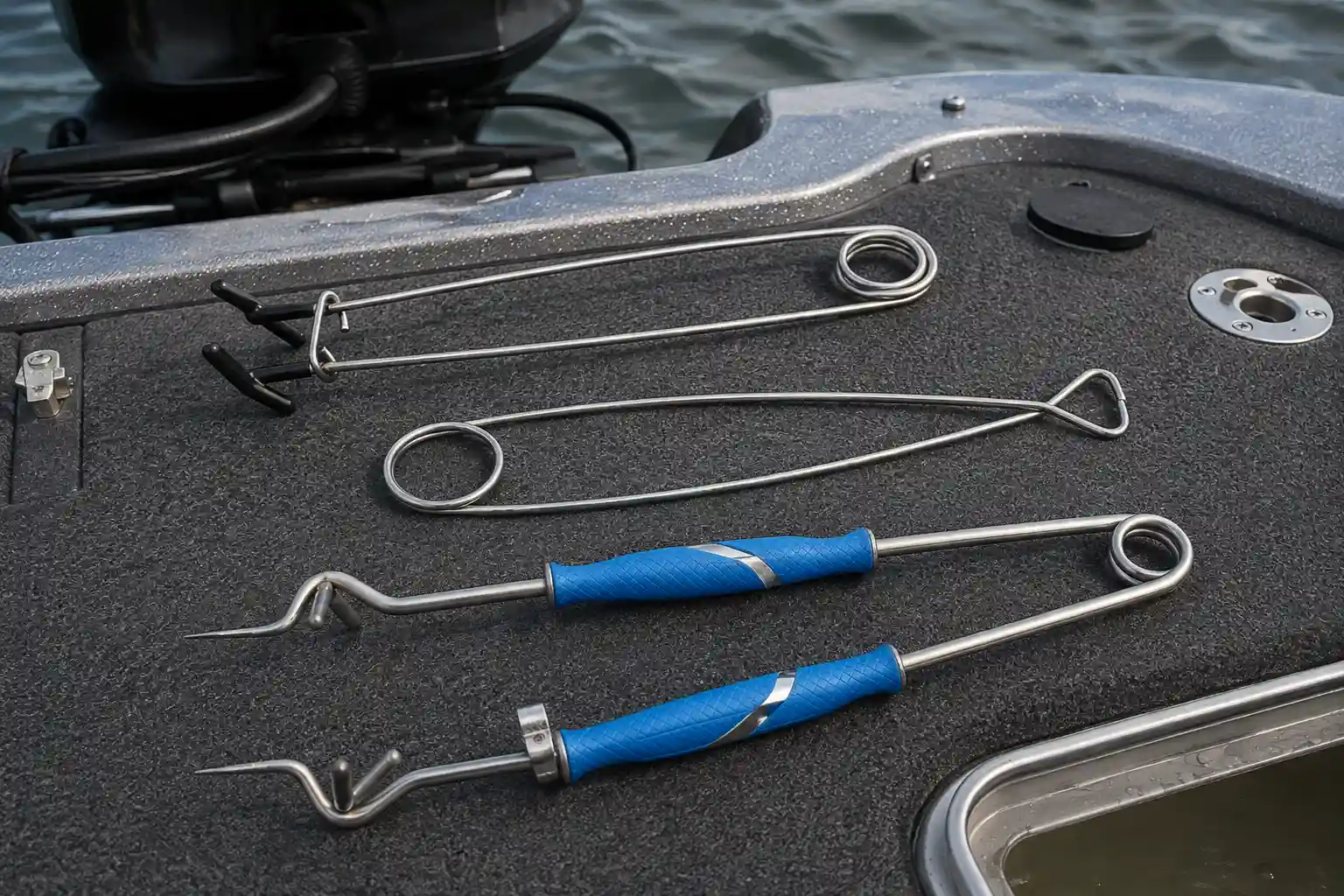
Best Pike Mouth Spreaders: 3 Jaw Spreaders for Safe Hook Removal
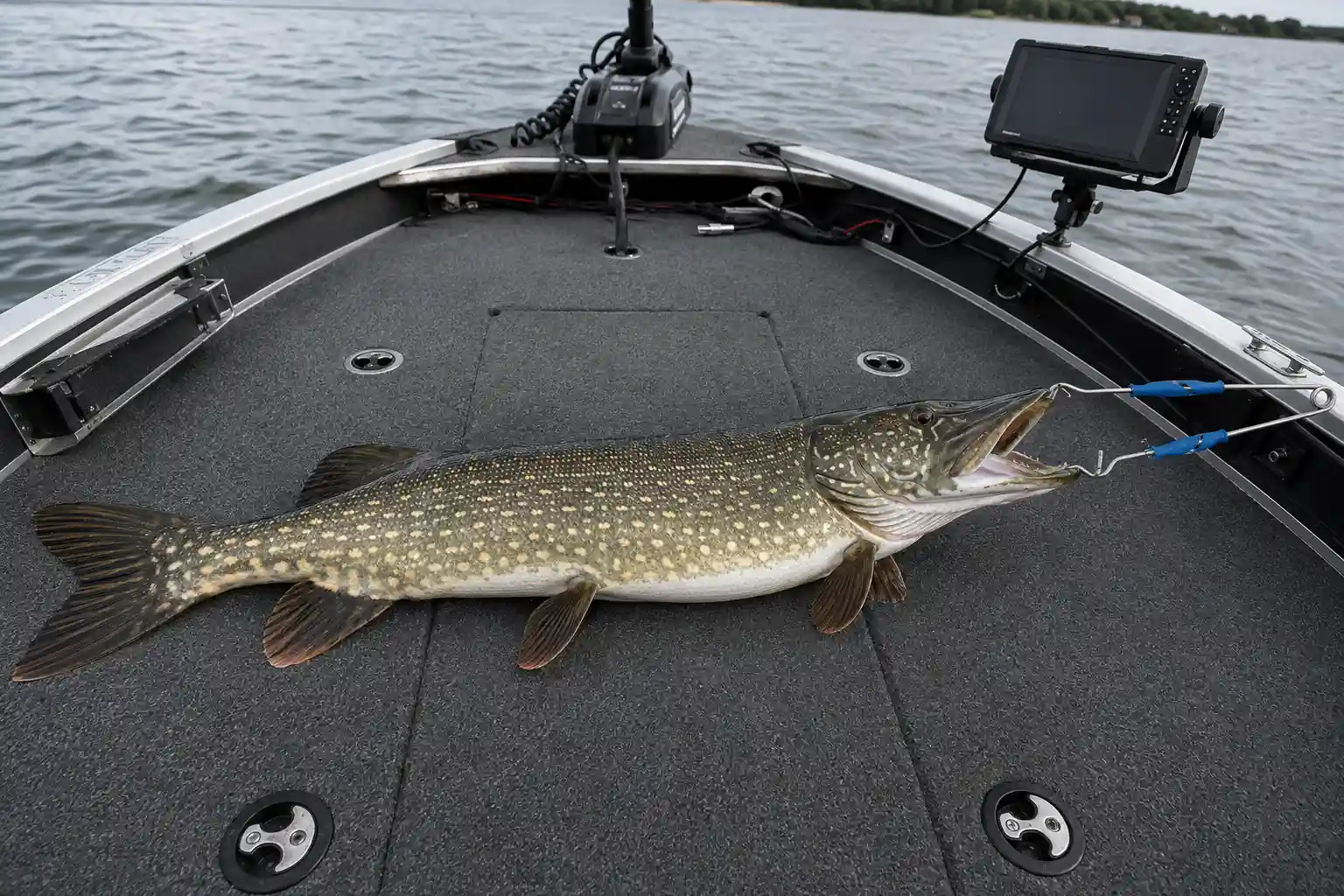
Pike mouth spreaders solve one of the most nerve-wracking parts of handling a northern pike: getting a treble hook out of a mouth full of needle-sharp, backward-angled teeth. Anyone who’s tried to pry a pike’s jaws open with bare fingers knows how fast that can go wrong, especially when the fish is still fighting boat-side.
We’ve used a jaw spreader for pike on hundreds of fish over the years, from 20-inch (51 cm) schoolies that barely need one to 40-inch-plus (102 cm+) fish that won’t let go of a deeply set treble. A good pike jaw spreader locks the fish’s mouth open so you can work the hook free with your other hand, turning a tense, two-hand fight into a controlled ten-second job — and keeping both your fingers and the fish’s mouth intact for release.
As an Amazon Associate, we earn from qualifying purchases — no cost to you. That’s how we keep this site running. Read more ›
Below are the three fish jaw spreaders for pike we’d actually recommend, based on build quality, jaw strength, and how they hold up on real fish rather than just spec sheets.
MFG Quick List: Best Pike Mouth Spreaders
If you’re short on time, these three mouth spreaders offer the best combination of grip strength, build quality, and value for different pike fishing situations.
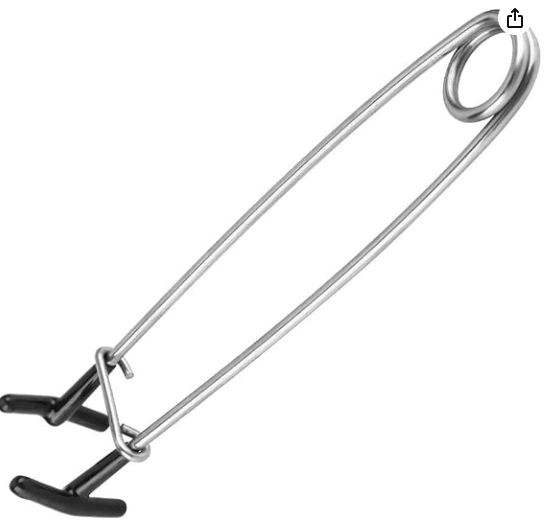
- CUDA Stainless Steel Jaw Spreader — Best Overall Pike Mouth Spreader: a stainless steel spreader with a secure scale-pattern grip and locking storage, strong enough for repeated use on toothy pike.
- Baker MS10 Mouth Spreader (10-Inch) — Best Value Pike Mouth Spreader: a trusted galvanized spring-steel spreader that holds up on large pike and musky without the premium price tag.
- Zerone Fish Mouth Spreader — Best Lightweight Pike Mouth Spreader: a compact, rubberized spreader that’s gentle on the fish, best suited to occasional use on small-to-mid pike.
How MFG Tested and Selected These Pike Mouth Spreaders
We evaluated each pike mouth spreader using four key criteria: spring tension (whether it keeps a pike’s mouth securely open during hook removal), build material (stainless or galvanized steel that resists rust and bending), tip design (rounded, smooth tips that minimize the risk of damaging the fish’s jaw), and size range — whether the spreader is suitable for everything from schoolie-sized pike to fish over 40 inches (102 cm).
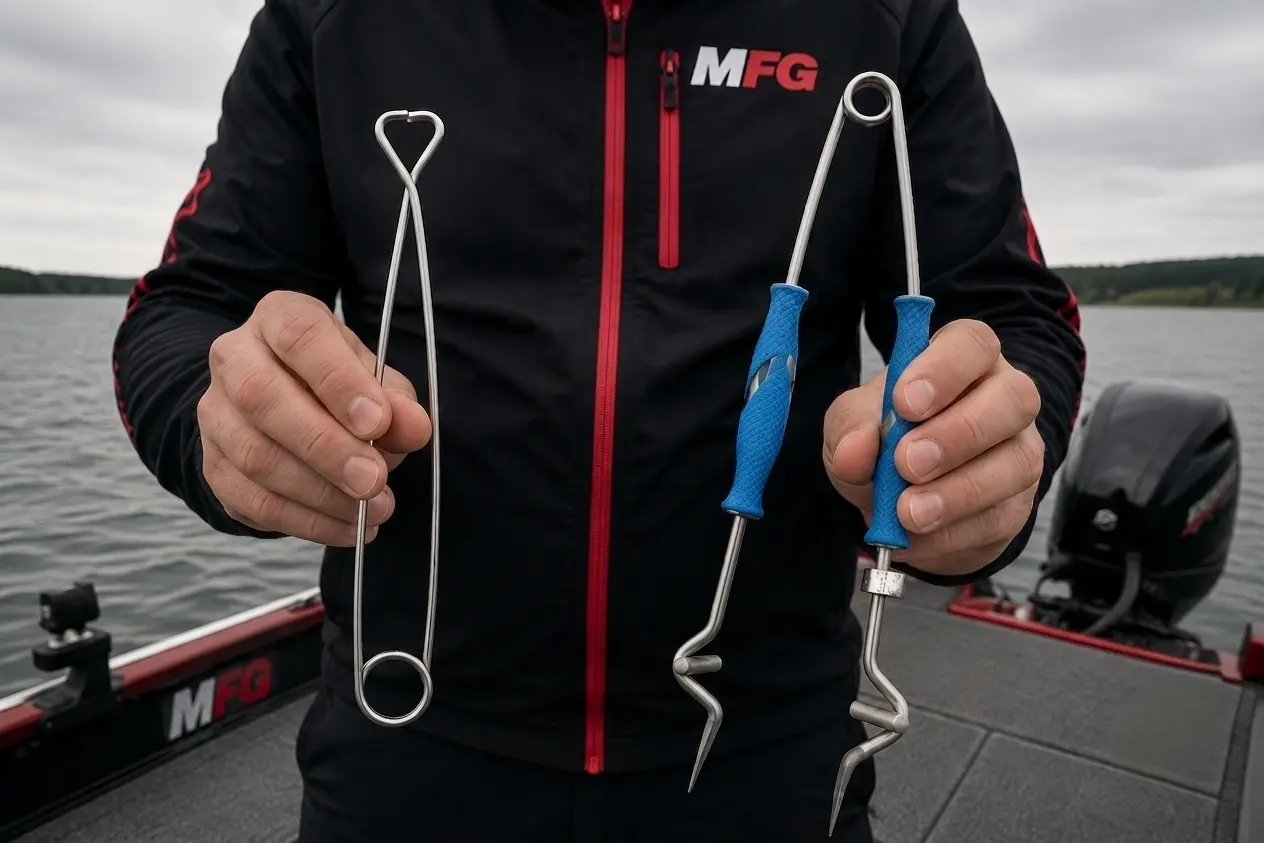
We put each spreader to work on pike of different sizes before deciding which ones deserved a place on this list. From smaller fish that rarely need much jaw pressure to large, hard-fighting pike that clamp down on deeply embedded trebles, we paid close attention to how each tool performed in real fishing situations. Some models lost spring tension sooner than expected or simply felt undersized once a bigger fish locked its jaws, so they didn’t make the cut. The three spreaders below consistently held their position, inspired confidence during hook removal, and proved dependable when it mattered most.
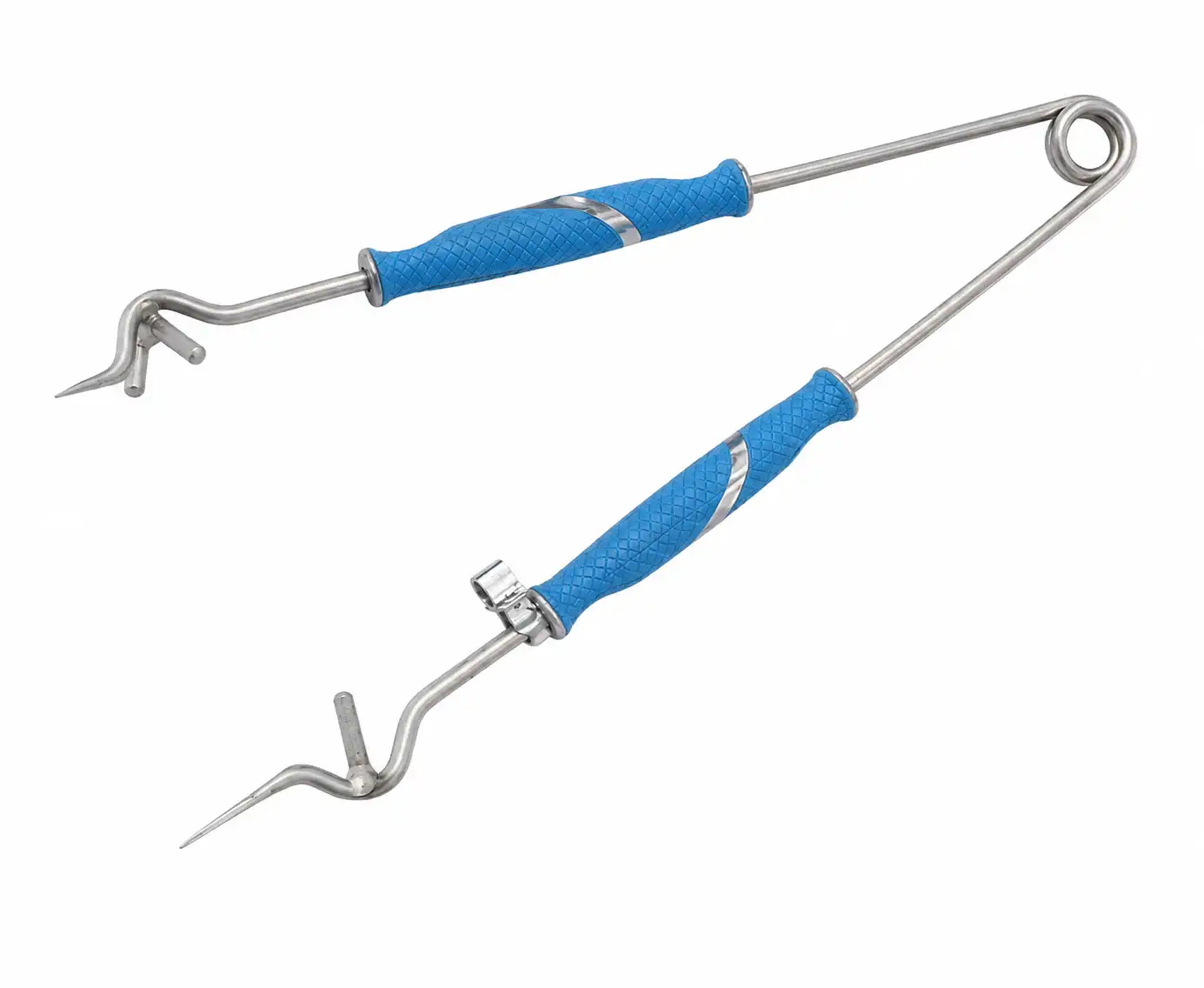
CUDA Stainless Steel Jaw Spreader — Best Overall
We reached for this spreader on a pike that had eaten a spinnerbait so deep the treble was sitting near the back of its throat. Two of the three hooks were buried past the barb, and the fish still had plenty of fight left in it boat-side. One-handed, the CUDA locked the jaws open on the first try and stayed locked — no slipping, no fighting the spring — which left our other hand completely free to work the hook out without rushing.
The scale-pattern grip is what stands out most in actual use: wet hands, pike slime, cold fingers — none of it mattered, the tool didn’t twist or slip in our grip. We’ve since put it to work on bigger fish too, including a solid 38-inch (97 cm) pike, and the spring tension held without any sign of fatigue. The stainless steel construction shows no sign of corrosion after repeated freshwater use, and the built-in locking mechanism means it stores flat and safe in a tackle bag instead of springing open on its own.
What We Like: single-handed operation even on larger pike, secure grip in wet and slimy conditions, locks closed for safe storage.
What Could Be Better: priced higher than basic galvanized-steel spreaders — worth it if you only want to buy this tool once.
Baker MS10 Mouth Spreader — Best Value
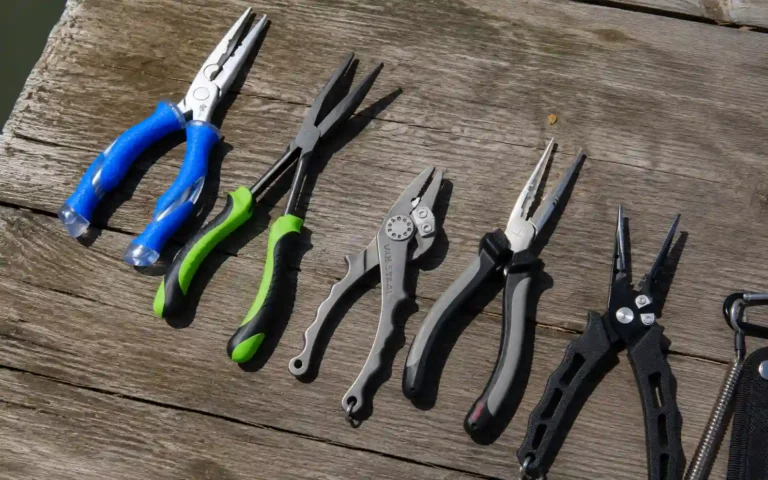
This is the spreader that lives in the side pocket of our tackle bag for the fish that come in fast and thrashing. On a late-fall trip, a pike hit a jerkbait right at the boat and buried both hooks of the front treble past the bend before we could even get it netted. There was no time to fumble — the Baker locked open on the first squeeze and held while we worked the hook free with our fishing pliers in the other hand.
What surprised us most is how much bite this galvanized spring steel has for the price. It’s held up on pike around 70 cm (roughly 27.5 inches) without the jaws losing tension, which is more than we expected from a budget-tier tool. It’s not as refined as a stainless spreader — no rubberized grip, no locking storage mechanism — but it does the one job it’s built for reliably, trip after trip.
What We Like: strong spring tension for the price, holds up well on mid-sized pike, simple design with nothing to break.
What Could Be Better: no locking mechanism for storage, bare galvanized steel finish isn’t as refined as stainless options.
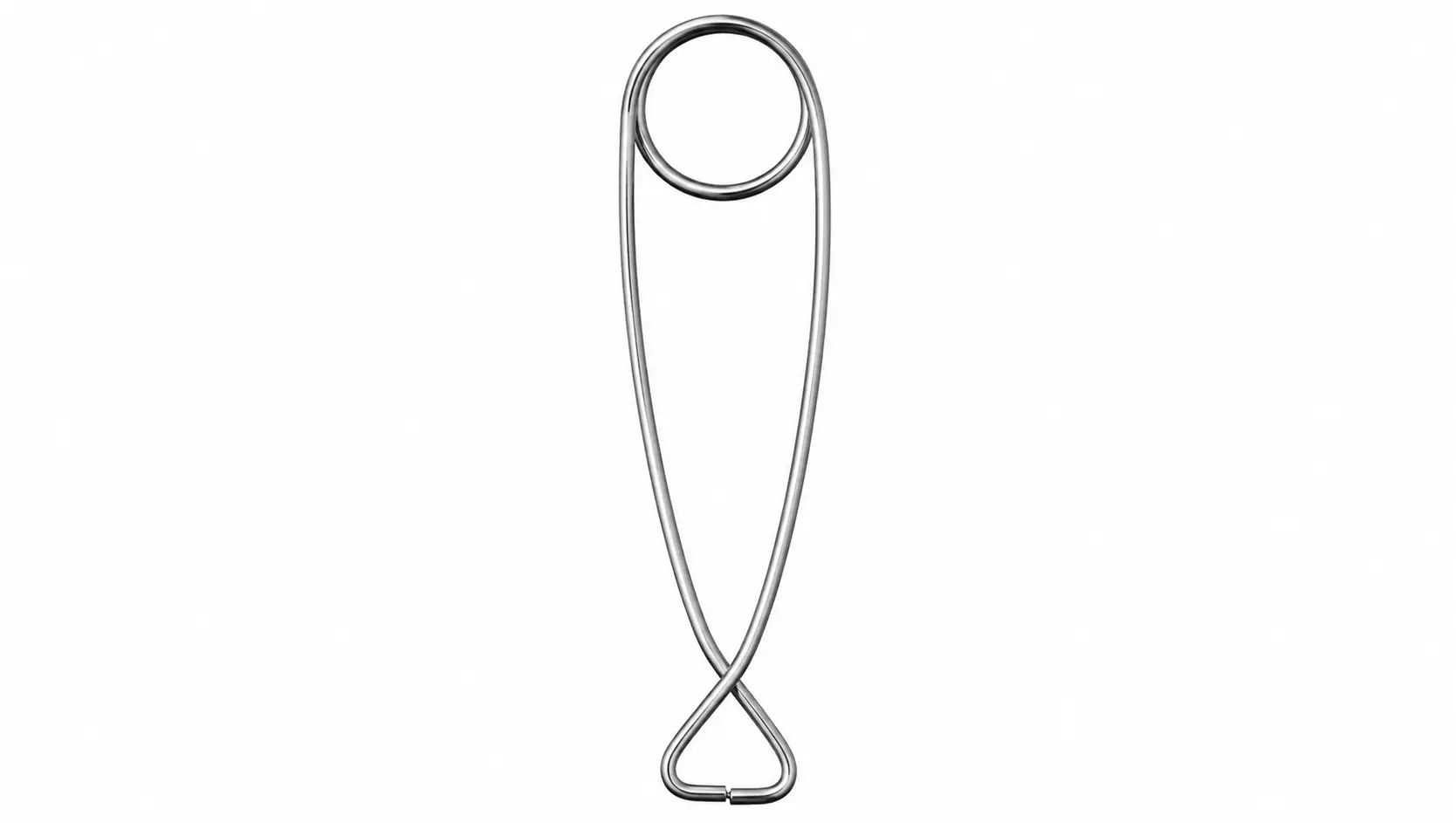
Zerone Fish Mouth Spreader — Best Lightweight Option
This is the spreader we toss in a jacket pocket for shore trips where we’re not hauling the full tackle bag. On a quiet afternoon working a weedy bank, a pike around 58 cm hit a small spinner and took it just far enough back that fingers alone weren’t an option. The rubberized, wide-set tips on this spreader locked the jaws open without any fuss, and the hook came out clean in a few seconds.
What we appreciate most about this one is how gentle it is on the fish. The rounded, rubber-coated tips don’t dig into the jaw the way some rigid metal spreaders can, which matters if you’re doing a lot of catch-and-release on smaller-to-mid pike. It’s not the tool we’d grab for a genuine trophy fish — the spring tension is noticeably lighter than the CUDA or the Baker — but for routine hook removal on an average day of pike fishing, it does the job without adding weight or bulk to a kit.
What We Like: lightweight and easy to carry, gentle rubberized tips that won’t mark the fish, compact enough for a pocket or small bag.
What Could Be Better: spring tension isn’t built for genuinely large pike — best kept for small-to-mid-sized fish.
How to Choose the Right Pike Mouth Spreader
Not every angler needs the same pike jaw spreader. The right choice comes down to how big the pike you’re targeting usually run, how often you’re actually using the tool, and whether you’re prioritizing durability or convenience. Here’s what actually matters when picking between the options above.
Match Jaw Spreader Spring Tension to Fish Size
Spring tension is the single most important spec on any pike mouth spreader — it’s the difference between a tool that holds a pike’s jaws open through a squirming release and one that pops loose halfway through hook removal.
We learned this on a river trip in early fall, trying to use a lightweight spreader on a pike close to 85 cm that simply would not stop thrashing — the jaws slipped shut twice before we swapped it for the CUDA mid-release. If you’re regularly landing pike over 90 cm (35 inches), go with a stronger stainless steel spreader. For an average day of pike fishing where most fish run 50-75 cm, a lighter option holds up just fine and is easier to carry.
How Often You Fish Affects Which Spreader Makes Sense
Anglers who fish for pike every week and deal with deep hooksets regularly are better off investing in a spreader built to take repeated use without fatigue. If a spreader is more of an occasional safety tool for the odd deeply hooked fish, a lighter, more affordable option covers that need without overspending on features you won’t use often.
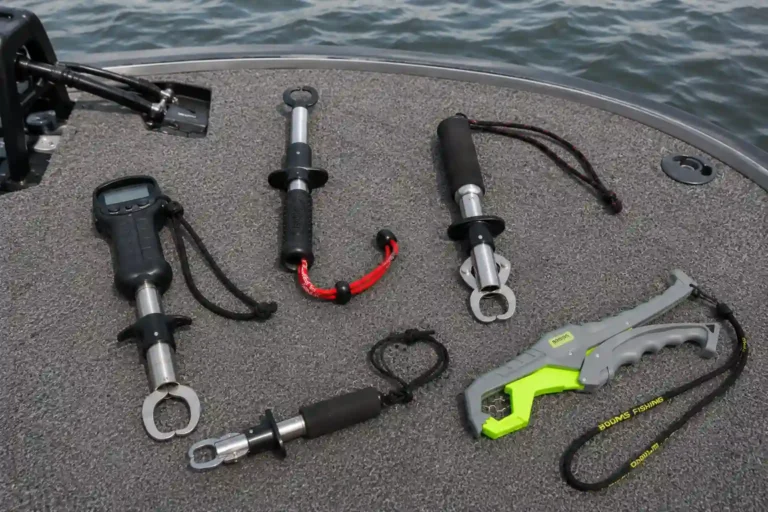
Pairing a good spreader with a solid pair of lip grips and a properly sized landing net makes the whole landing-and-unhooking process faster and safer for both you and the fish.
Rubberized Tips vs. Bare Metal on a Fish Jaw Spreader
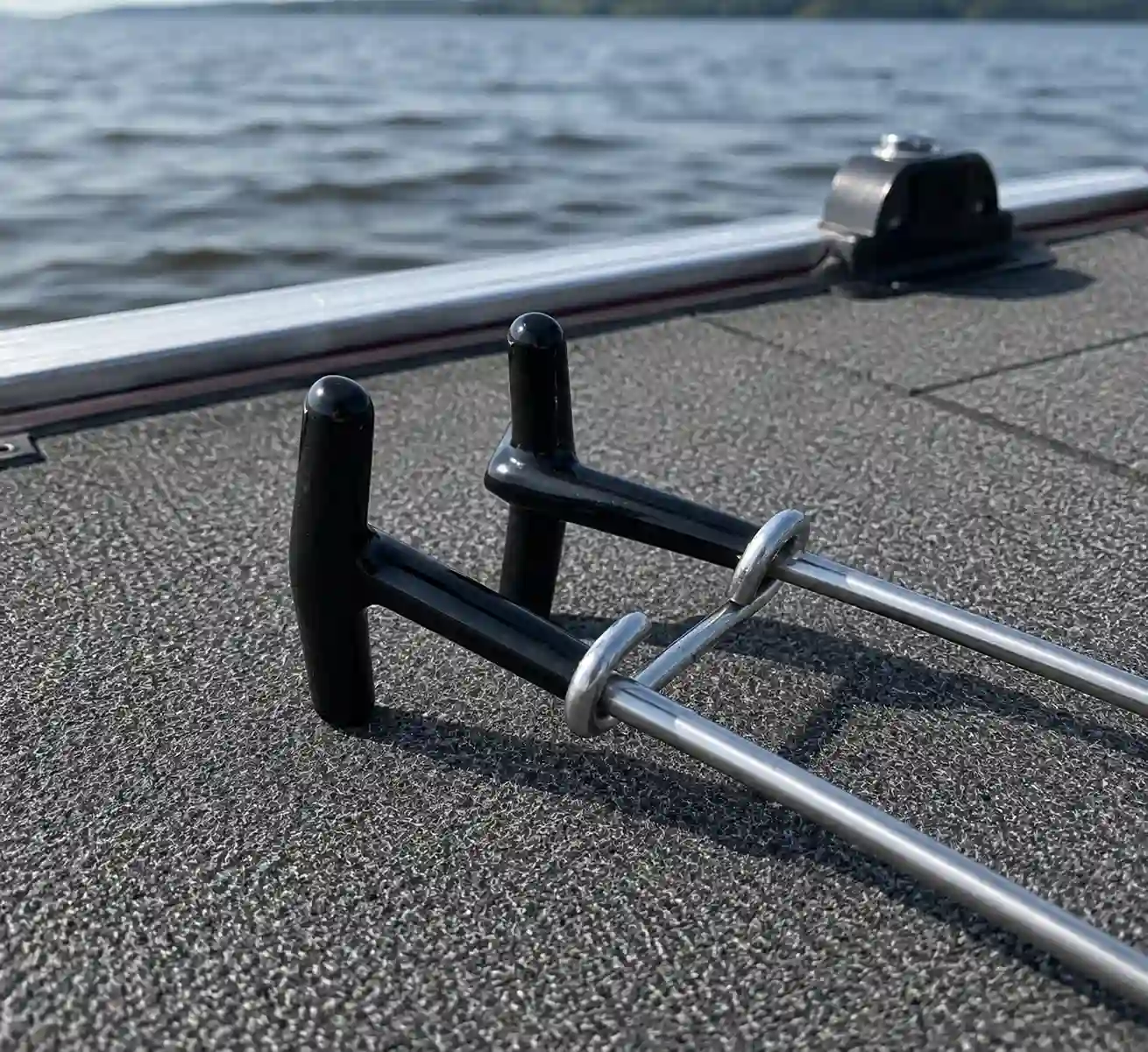
Rubber-coated or wide, rounded tips are gentler on the fish during catch-and-release, reducing the risk of small puncture marks on the jaw. Bare metal spreaders with sharper tips can grip a bit more securely on a thrashing fish, but they demand more careful handling to avoid marking the pike unnecessarily.
How to Use a Pike Mouth Spreader Safely
A jaw spreader for pike only does its job well if you use it correctly — rushing the process or forcing it into position wrong is how anglers end up scratched, and how fish end up handled more roughly than necessary. We’ve walked a lot of first-time pike anglers through this exact sequence on the boat, and it lines up with the broader handling principles we cover in our guide on how to handle pike safely.
1. Control the Fish Before the Spreader Comes Out
Before the spreader ever comes out, get the pike under control — one hand behind the head, the fish held horizontally rather than vertically to avoid strain on its jaw and spine. A thrashing fish makes every next step harder and riskier for both of you.
2. Compress and Insert the Jaw Spreader
Squeeze the spreader closed and slide it into the corner of the pike’s mouth, past the teeth line, before releasing the tension. Going in at an angle rather than straight-on makes it easier to seat the tips properly without forcing the jaw.
3. Let the Spreader Lock, Don’t Force It
Once the spreader is in position, let the spring do the work — don’t try to pry the jaw open further by hand. Forcing it wider than the tool is designed for is one of the more common ways anglers unintentionally injure a fish’s jaw.
4. Work the Hook Free Quickly
With the mouth held open, back the hook out the way it went in, rather than twisting or yanking. The faster this step goes, the less time the fish spends out of the water.
5. Release the Spreader and the Fish
Compress the spreader again to release it from the jaw, then get the pike back in the water as quickly as possible. If it needs a moment to recover, hold it upright in the water and let it swim off under its own power rather than releasing it before it’s ready.
Common Mistakes When Using a Pike Mouth Spreader
Even a good pike jaw spreader can cause problems if it’s used the wrong way. These are the mistakes we see most often — some from our own early trips, some from watching other anglers on the water.
Buying a Mouth Spreader That’s Too Small
A spreader sized for panfish or bass simply doesn’t have the spring tension or jaw width for an average pike, let alone a big one. Early on, we tried using a compact 6-inch spreader on a pike pushing 80 cm, and it popped loose halfway through hook removal — which is worse than not using one at all, since the fish was now startled and thrashing with a hook still partially in place. If there’s any doubt, size up rather than down.
Forcing the Jaw Wider Than the Spreader Allows
The spreader is designed to hold the mouth open to a set width — it’s not meant to be pried further by hand. We’ve made this mistake ourselves, trying to get a better angle on a stubborn hook by pushing the jaws open past what the tool allowed on a pike that had taken a lure almost sideways. That’s a fast way to injure the fish’s jaw hinge, and it’s completely unnecessary if you’re using pliers correctly in the other hand.
Leaving the Fish Out of the Water Too Long
A spreader makes hook removal faster, but it can also create a false sense of security that leads to longer handling times — extra photos, showing the catch to someone else, or simply not rushing because the fish “seems fine” with its mouth propped open. Pike tire quickly out of water. We time ourselves mentally on every release — if a hook isn’t out within 20-30 seconds of the fish leaving the water, something needs to change, whether that’s repositioning the spreader or cutting the line instead. Treat the spreader as a tool for speed, not an excuse to slow down.
Not Rinsing or Drying the Spreader After Use
Spring-loaded metal tools are exactly the kind of gear that corrodes fastest when left wet in a tackle bag. We learned this after a galvanized spreader seized up completely after a season of being tossed back in the bag wet — a quick rinse and dry after a trip adds years to a spreader’s working life and keeps the spring tension from weakening prematurely.
| Spreader | Best For | Material | Length | Locking Mechanism | Ideal Pike Size |
|---|---|---|---|---|---|
| CUDA Stainless Steel Jaw Spreader | Best Overall | Stainless Steel | 12.75 in (32.4 cm) | Yes | All sizes, including trophy pike |
| Baker MS10 Mouth Spreader | Best Value | Galvanized Spring Steel | 10 in (25.4 cm) | No | Mid-to-large pike |
| Zerone Fish Mouth Spreader | Best Lightweight Option | Stainless Steel, Rubberized Tips | ~17 cm (6.7 in) | No | Small-to-mid pike |
Frequently Asked Questions About Pike Mouth Spreaders
Do I really need a jaw spreader for pike, or can I just use pliers?
Pliers alone work fine for shallow, easy hooksets, but a jaw spreader becomes essential once a hook is set deep or the fish won’t stop thrashing. Holding a pike’s mouth open with your hand or a single tool while also working pliers with the other is far riskier — a spreader frees both hands for a faster, safer release.
What size mouth spreader do I need for northern pike?
For pike in the 50-75 cm range, a compact 6-8 inch spreader is usually enough. For pike over 90 cm (35 inches) or musky-sized fish, a longer, stronger spreader with more spring tension holds up better and reduces the risk of the jaws slipping shut mid-release.
Can a mouth spreader hurt a pike?
Used correctly, a spreader is safer for the fish than prying its mouth open by hand. Damage typically happens when the tool is forced wider than it’s designed for, or when a spreader with sharp, narrow tips is used carelessly. Rubberized or wide-tipped spreaders reduce this risk further.
How do I remove a jaw spreader from a pike’s mouth?
Compress the spreader the same way you inserted it, then slide it out at an angle rather than pulling it straight back. This releases the tension gradually instead of letting the jaws snap shut suddenly.
Are stainless steel spreaders better than galvanized steel?
Stainless steel resists corrosion better over years of freshwater use and often comes with added features like locking storage or textured grips. Galvanized spring steel is more budget-friendly and still holds up well, though it may show wear sooner with heavy, repeated use.
What’s the difference between a jaw spreader and a mouth spreader?
The terms are used interchangeably in pike fishing. Both refer to the same type of tool that locks a fish’s mouth open for safe hook removal — “jaw spreader,” “mouth spreader,” and “gape gag” all describe the same category of gear.
Can I use a pike mouth spreader on musky or other toothy fish?
Yes. The same tool works well on musky, walleye, and other species with sharp teeth or a strong bite. For musky specifically, size up to a longer, higher-tension spreader, since their jaws are typically wider and stronger than an average pike’s.
Do jaw spreaders work on ice fishing pike?
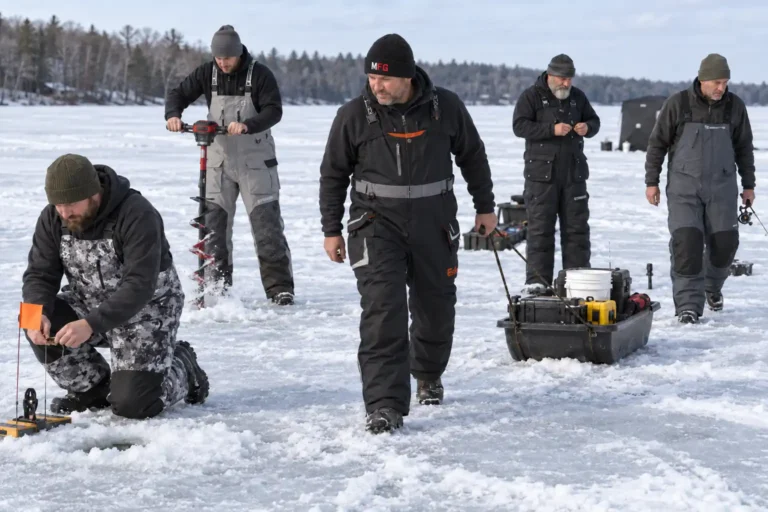
Yes, and they’re especially useful in cold weather, when numb fingers make careful hook removal by hand riskier. A compact spreader that’s easy to operate with gloves on is worth prioritizing for ice fishing situations.