

Where to Find Pike in Summer: Deep Water & Weed Patterns That Actually Hold Fish
Struggling with where to find pike in summer is one of the most common problems anglers face—and it usually has nothing to do with skill.
Spring patterns stop working, fish disappear from obvious spots, and areas that looked perfect just weeks ago suddenly feel empty. This is not because pike vanish—but because they are repositioning around oxygen, bait movement, and stable water conditions. What many anglers don’t realize is that the shift already begins during the late spring pike fishing phase, where fish start moving away from shallow spawning zones.
This shift doesn’t happen overnight—it’s a gradual slide. Fish start pulling off shallow zones, testing deeper edges and early weed growth before fully committing to summer patterns.
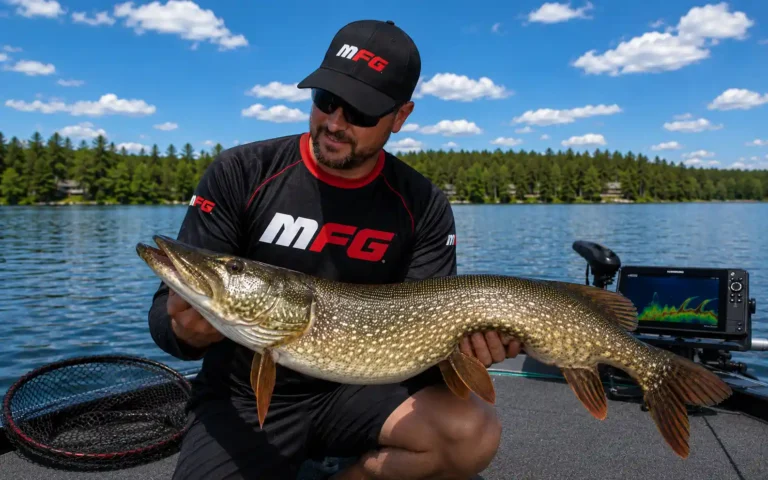
Unlike early spring, where warming water pulls fish shallow, summer forces pike to balance comfort and feeding efficiency. From real time on the water, one thing becomes obvious fast—summer pike are extremely energy-efficient. They won’t chase unless the opportunity is clean—they position where the strike costs them almost nothing.
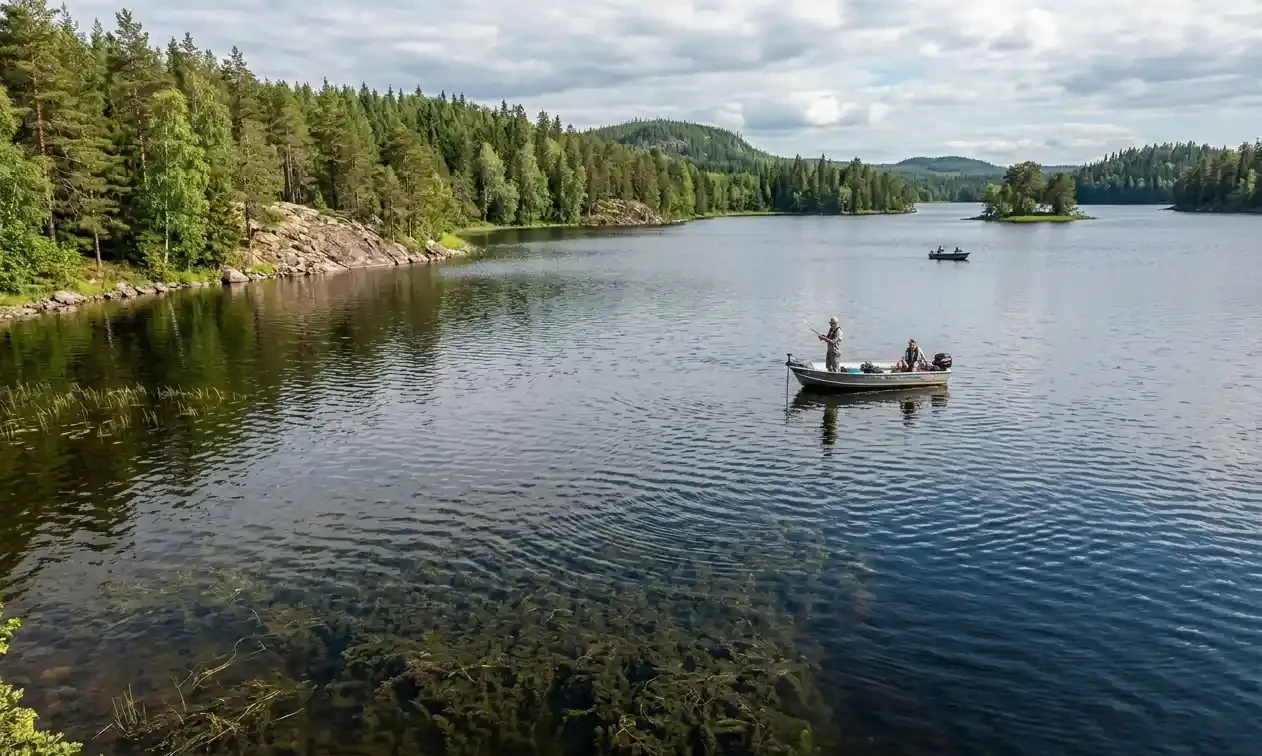
You can literally see it on the water—areas that held fish in spring suddenly go dead, while just a few meters deeper or along the first weed edge, life is still there.
That’s why random casting along the bank rarely works anymore. The pike that consistently produce in summer are tied to structure—deep weed edges, submerged vegetation, drop-offs, and zones that connect shallow feeding areas with cooler, more stable water.
If you understand where to find pike in summer, you stop guessing and start targeting fish that are actually there—even during the toughest periods of heat and pressure.
Where Do Pike Go in Summer? (From Spring Movement to Summer Positioning)
To understand where to find pike in summer, you need to look at what happens right after spring patterns stop working.
During spring, most pike are pulled into shallow water—bays, flooded vegetation, and shoreline cover. That’s where everything is happening early in the season. But once the heat builds up, those same areas become inconsistent and far less reliable. Water warms, conditions fluctuate, and baitfish start pulling away.
And when the bait moves, pike follow. The same baitfish you were seeing in shallow water during spring don’t just disappear—they slide toward deeper edges, thicker weeds, and more stable water. That shift is what really drives the transition, and it’s exactly what you see in spring pike behavior, where fish begin pulling away from shallow zones and setting up along structure that later defines summer positioning.
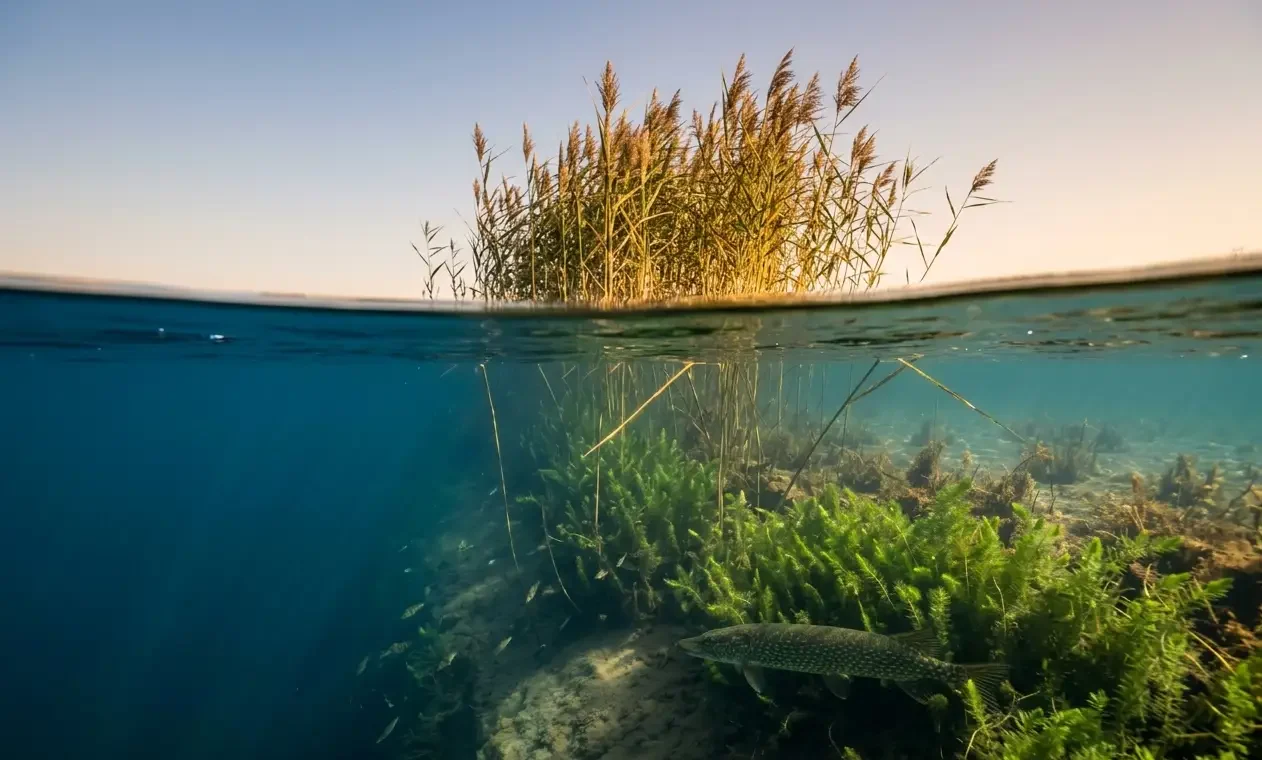
But they don’t follow randomly—they stop where structure gives them an advantage. That’s where summer patterns actually begin.
By the time summer settles in, pike are no longer cruising shallow looking for food. They switch into a position-first feeding strategy. Instead of chasing, they hold where an easy meal can come to them—usually close to deeper water, heavy vegetation, or structure that still holds bait.
Even a small drop in temperature matters. Pike will often hold in slightly cooler pockets—just a few degrees lower can be enough to keep them active. Those areas become key holding zones once the rest of the lake heats up.
In real conditions, you’ll often find life stacked on the first breakline or weed edge, while everything above it looks empty.
Summer Pike Locations: Exact Areas That Actually Hold Fish
From shore, summer pike fishing becomes a game of access—not location. You’re not looking for fish everywhere—you’re looking for the few places where structure, depth, and weed edges come close enough to reach.
If you’re trying to figure out where to find pike in summer, stop thinking in terms of “deep” or “shallow.” What matters is how those zones connect—and where fish can hold without stress. Understanding exact depth positioning is just as important, which is why we break it down in detail in our guide on how deep are pike in summer.
All of these areas have one thing in common—they sit right on the edge of change. Depth change, oxygen change, or cover change. That edge is where pike hold.
Deep Weedlines
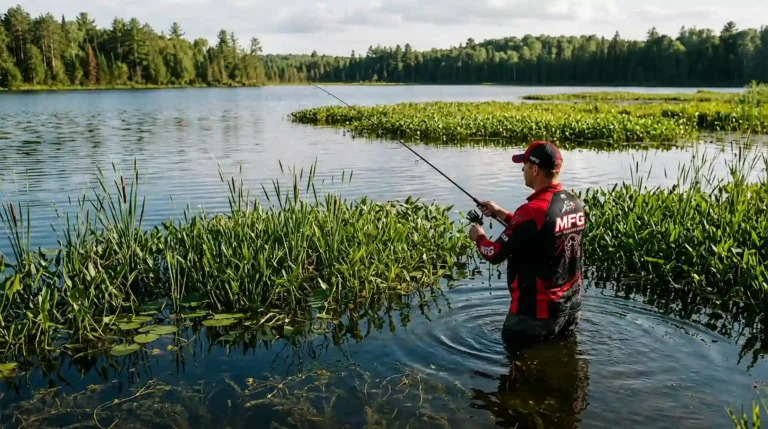
We spend most of our time on the outside edge of weed beds. This is where fish sit once the lake heats up.
Most of the time, we’re working these edges slowly from a boat or kayak, keeping just enough distance to control the angle without pushing fish off the structure.
Position the boat just off the edge and run your lure right along that 2–5 m (6–15 ft) line. You want constant contact—either ticking the tops of the weeds or just barely clearing them. If your lure is running clean the whole retrieve, you’re too high.
If you’re not getting touches after a few casts, don’t assume there are no fish—you’re probably just off the edge by a few meters.
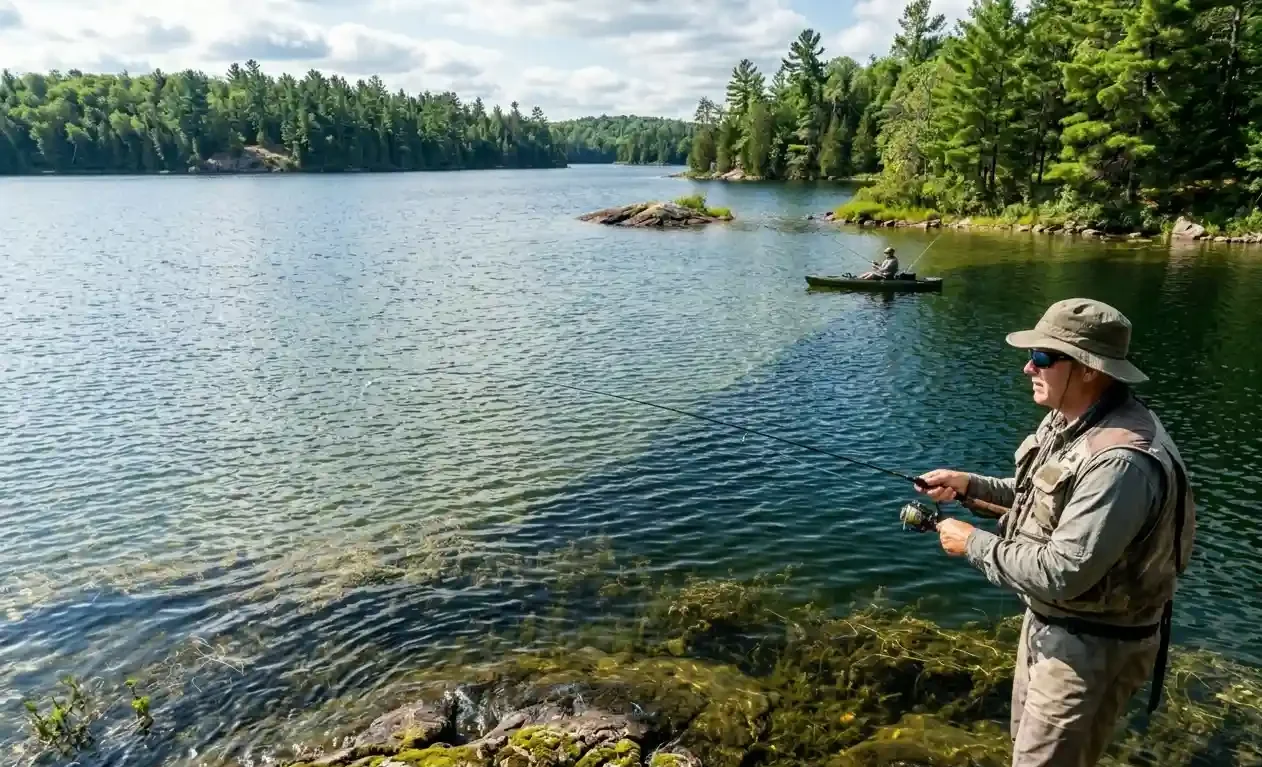
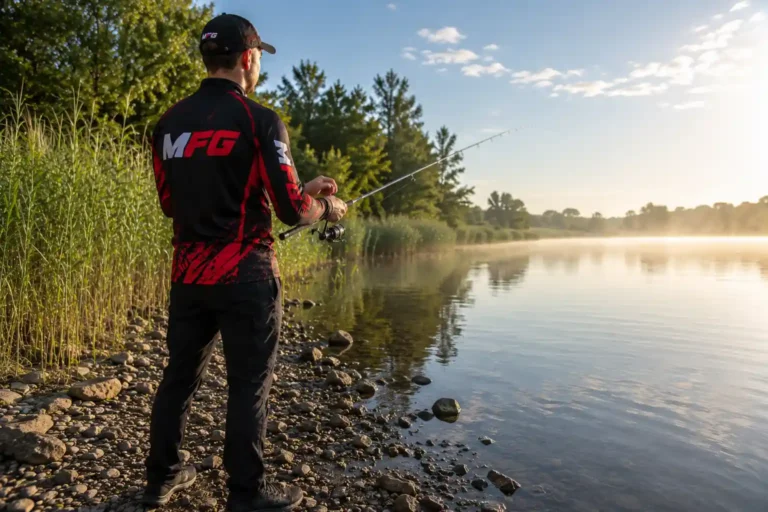
If you’re fishing from shore, focus only on spots where that weed edge is within casting distance. Cast along the edge—not straight out—and keep your lure in that strike zone as long as possible.
Submerged Weed Beds in Open Water
These are the spots most anglers never even fish. You won’t see them from the surface, and they often sit well off the bank.
We mark these areas using a best fish finder—isolated weed patches sitting in deeper water. But from shore, these spots are usually out of reach, so don’t waste time guessing—move to areas where structure is closer to land.
Drop-Offs and Depth Transitions
Any place where the bottom drops fast is worth your attention.
Cast shallow and bring your lure toward the edge. The key moment is when it leaves the flat and starts falling into deeper water. That’s where most strikes happen, and it’s the same structural positioning that starts developing during spring pike fishing and carries directly into summer as fish stay connected to edges that offer quick access to cooler, more stable water.
From shore, prioritize steep banks, bridges, and dam edges where you can reach that drop quickly. If you have to retrieve for 20 meters before hitting depth—you’re too far from the zone.
Points and Structure Near Deep Water
Points are consistent—but only if the wind is working in your favor.
We focus on points that take direct wind. That pushes bait and oxygen into the structure. Set up your cast into the wind and work your lure down the slope.
From shore, fish the sides of the point, not just the tip. That’s where you can actually reach the depth change.
Shallow Areas That Still Hold Pike
Most shallow water in summer is a waste of time.
We only fish it if there’s heavy cover, shade, current, or direct access to deeper water. If the water is hot, stagnant, and lifeless—move.
From shore, your best chance is low light—early morning or late evening—when pike move closer to the bank to feed.
You don’t fish all of these—you find the one that’s active that day.
| Condition | Where Pike Hold | Depth Range (m / ft) | What Actually Works |
|---|---|---|---|
| Early Morning (Low Light) | Shallow flats near weed edges | 1–3 m / 3–10 ft | Fast-moving baits across shallow feeding zones |
| Midday Heat (Bright Sun) | Deep weed edges & first drop-offs | 3–6 m / 10–20 ft | Slow retrieve along weedline, bottom contact |
| Windy Conditions | Wind-blown points & structure | 2–5 m / 6–15 ft | Cast into wind, follow bait movement |
| High Pressure / Stable Weather | Deeper structure, thick weeds | 4–8 m / 13–26 ft | Slow presentations, precise edge fishing |
| Evening (Low Light Return) | Back to shallower edges | 1–4 m / 3–13 ft | Active retrieves, reaction strikes |
Deep vs Shallow Pike in Summer (When Each Pattern Actually Works)
It’s not an “either-or” situation. Pike are constantly sliding between depths, and your job is to figure out where they are in that specific hour.
We call it “the slide.” Once the morning sun burns off the mist and starts heating the water, you can almost watch fish back off the flats. Light increases, surface temperature rises, and shallow zones lose their advantage. They’re not leaving the area—they’re just repositioning to the first available shade, thicker weeds, or deeper water.
Think of that edge as the front porch. The shallows are the kitchen where they feed, but they sit in the cooler, safer water just off the break. If you find the exact line where the weed edge meets the drop, that’s your spot.
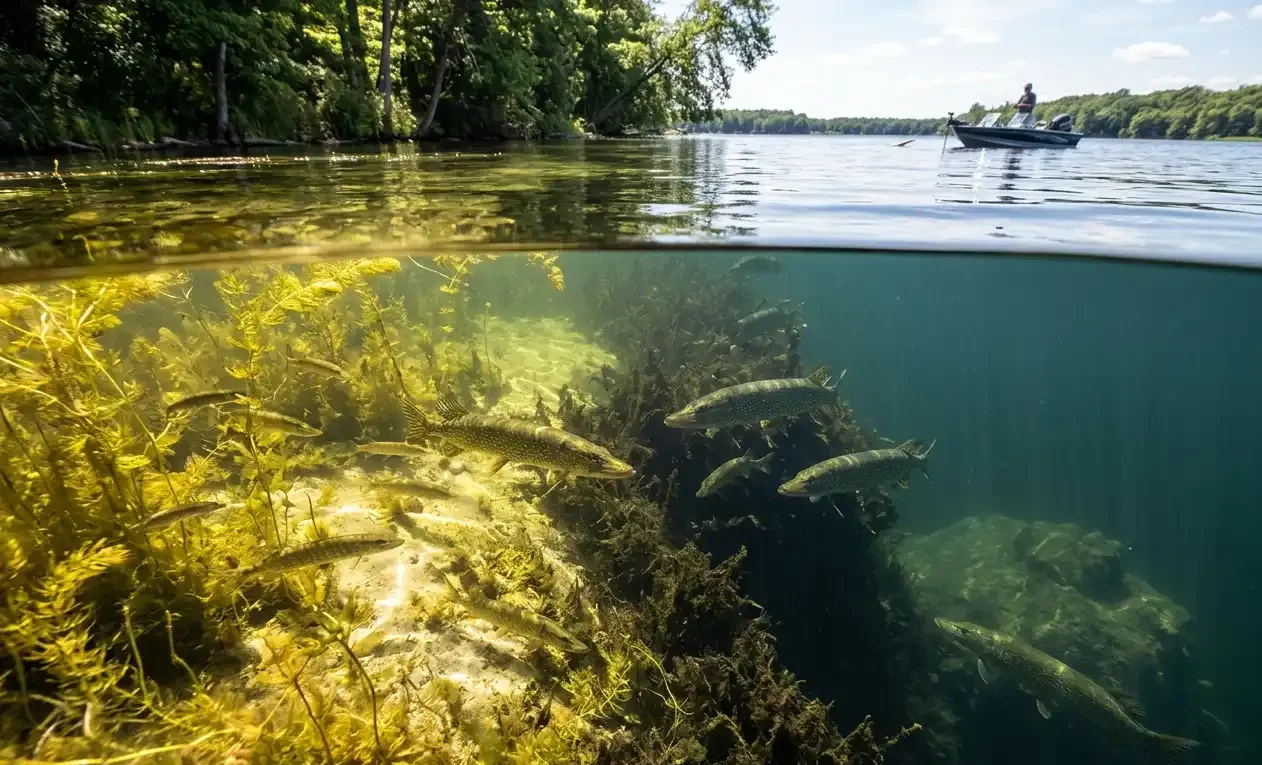
Don’t be the guy who leaves the moment the shallow bite dies. Before you fire up and run, back off 20–30 m (65–100 ft) and work a deeper-running bait or a jig along that break. Most of the time, the fish are still there—they just moved down a level.
If you’re getting follows or short strikes shallow but no commits, that’s usually your signal the fish have already started sliding deeper. Adjust your depth before changing lures.
If the shallows are dead at first light, don’t waste time forcing it. Go straight to deeper weed edges, humps, or offshore cover. On high-pressure or bright, stable days, fish stay down where conditions are more consistent.
How to Find Active vs Dead Water Fast in Summer
One of the biggest differences between catching and blanking in summer is recognizing dead water fast.
Active water always shows signs of life. You’ll see baitfish flickering, hear surface movement, or notice birds working the area. Even subtle details—like small ripples near weed edges or occasional flashes under the surface—are enough.
But not all movement means feeding activity. Wind can push debris, and small fish can scatter without predators being present. What you’re looking for is consistent life—repeated movement, not random noise.
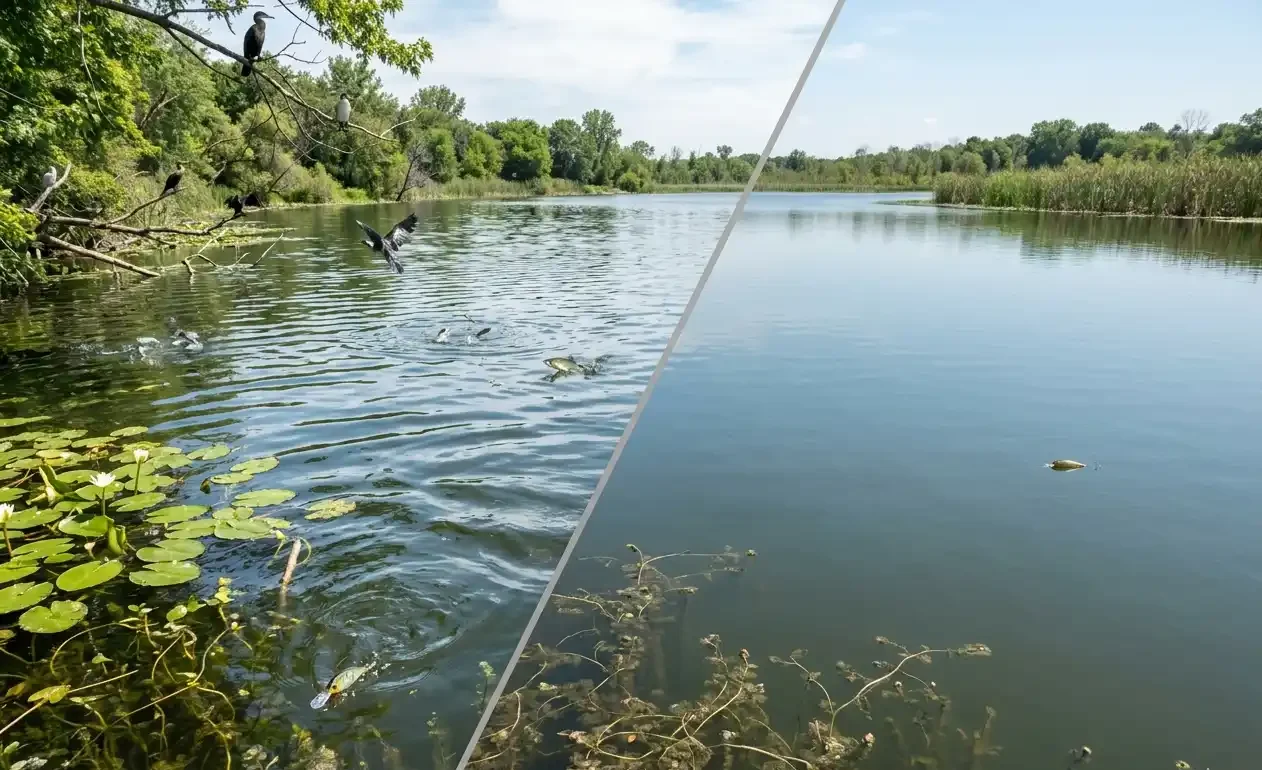
Dead water feels empty. No bait, no movement, no follows. You can make ten perfect casts and get nothing—not even a reaction.
You can often tell within the first few casts. If your lure moves through a zone clean with zero signs of interest—no follows, no flashes, no hesitation—that’s already a warning sign.
We don’t stay longer than 10–15 minutes in dead water. If nothing shows, we move. Summer pike fishing is not about grinding—it’s about finding life.
If you’re not seeing any signs of activity, you’re fishing the wrong place—no matter how good it looks.
Where NOT to Fish for Pike in Summer (Spots That Look Good but Stay Empty)
Knowing where to find pike in summer is only half the game—knowing where not to fish saves you hours.
Some spots look perfect on the surface but consistently fail because they don’t give pike what they need. No oxygen, no bait, no access to depth—no fish.
Stagnant Shallow Water
Warm, still, lifeless water is one of the biggest time-wasters in summer.
When surface temperatures climb above 20–24°C (68–75°F) and there’s no wind or current, oxygen levels drop fast. Even if it held fish in spring, it won’t hold them now.
If it feels dead, it is. Don’t overthink it—move.
Featureless Flats
Flat areas with no structure almost never hold summer pike.
If you’re casting across large, even-bottom areas in 1–3 m (3–10 ft) of water with no weed edge or depth change, you’re fishing water that fish simply pass through—not where they stay.
Pike are ambush predators, and without a defined edge, there’s no reason for them to hold.
“Perfect” Water With No Bait
Clear water, good depth, nice weeds—but no life.
This is one of the most common traps. It looks right, but it’s empty. If you don’t see baitfish activity within the first few minutes, you’re likely in a dead zone.
Pike don’t sit in empty water. If the food isn’t there, neither are they.
Shallow Areas Far From Depth
Even good-looking shallow zones fail if they don’t connect to deeper water.
In most lakes, productive summer zones are within 5–15 m (15–50 ft) of a depth change. If the nearest drop-off is too far, fish won’t stay in that area during the day.
This is why some banks never produce in summer, no matter how much you fish them.
In summer, location is not about what looks good—it’s about what supports life. If a spot doesn’t give pike oxygen, food, and access to depth, it’s not worth your time.
Summer Pike Fishing FAQ (Real Answers That Save Time on the Water)
Where do pike go during hot summer days?
During hot summer days, pike reposition to more stable zones rather than disappearing. Most fish hold along deep weed edges, drop-offs, and structure in 2–6 m (6–20 ft), where water is cooler and oxygen levels are higher. They usually stay close to shallow feeding areas but drop just deep enough to stay comfortable during peak heat.
Are pike always deep in summer?
No—pike are not always deep in summer. While many fish hold deeper during bright and stable conditions, they still move shallow to feed, especially during early morning and late evening. The key is understanding that pike constantly move between shallow feeding zones and deeper holding areas throughout the day.
Do pike stay in weeds during summer?
Yes, weeds are one of the most important summer holding areas for pike. Healthy weed beds produce oxygen and attract baitfish, making them ideal ambush zones. The most productive areas are usually the outside weed edge in 2–4 m (6–13 ft), especially when it connects directly to deeper water.
What depth are pike in summer?
Most summer pike are found between 2–6 m (6–20 ft), depending on conditions. In shallower lakes or during early summer, fish often stay closer to 2–3 m (6–10 ft), while in deeper lakes or during heat waves they may hold deeper—sometimes 6–10 m (20–30 ft). The key is not the exact depth, but staying close to structure, bait, and stable water.
How do you find active pike fast in summer?
The fastest way to find active pike is to look for consistent signs of life. Focus on areas with repeated baitfish movement, surface activity, or structure that holds fish. If you don’t see any signs—no follows, no bait, no reaction—within 10–15 minutes, move. Summer fishing is about locating active zones, not staying in one place too long.
Why do some good-looking spots not hold pike in summer?
Because they lack one of the three key elements—oxygen, food, or access to depth. A spot can look perfect but still be empty if water is too warm, stagnant, or lacks baitfish. If a location doesn’t offer all three—structure, life, and nearby depth—pike won’t stay there.
Where to Find Pike in Summer — What Actually Matters on the Water
Summer pike fishing becomes simple the moment you stop guessing and start reading the water correctly. Fish don’t disappear when temperatures rise—they reposition. The anglers who struggle are usually fishing memories from spring instead of adjusting to what’s happening right now.
The biggest shift is not depth—it’s positioning. In spring, fish can sit almost anywhere because conditions are stable. In summer, everything tightens. Pike hold where oxygen, bait, and access to deeper water come together. That’s why edges dominate—weedlines, drop-offs, and transition zones are not random spots, they are controlled feeding positions.
Most consistent summer fish are not far away—they’re just slightly deeper or tighter to structure than you expect. A difference of 1–2 m (3–6 ft) is often enough to completely change results. That’s why blind casting rarely works. If your lure isn’t running along an edge, ticking weeds, or dropping over structure, you’re not in the strike zone.
Pay attention to what the water is telling you. Active zones always show life—baitfish movement, repeated surface activity, or subtle signs along structure. Dead water feels empty for a reason. The ability to recognize that quickly and move is what separates consistent results from wasted sessions.
Conditions matter more than spots. Light, wind, and pressure can shift fish positions within hours. What worked in the morning may be dead by midday. Instead of changing lures endlessly, adjust your position first—depth, angle, and proximity to structure.
From years on the water, one pattern becomes obvious—summer pike become extremely precise in how they position. They don’t roam. They lock onto small zones where everything lines up. What’s interesting is that these real-world observations closely match findings from research on fish behavior under thermal stress, which show how predators adjust to temperature and oxygen changes in warm water.
While studies explain the theory, on the water it translates into one simple rule—focus on edges where conditions stay stable. That’s where oxygen holds, bait gathers, and pike can feed without wasting energy.
If you focus on edges, follow the bait, and adjust depth instead of location, summer stops being unpredictable. You’re no longer searching—you’re targeting fish that are already there.