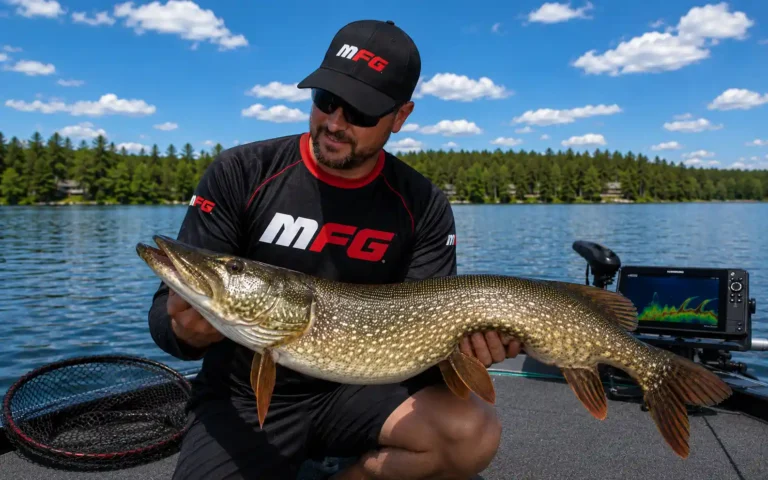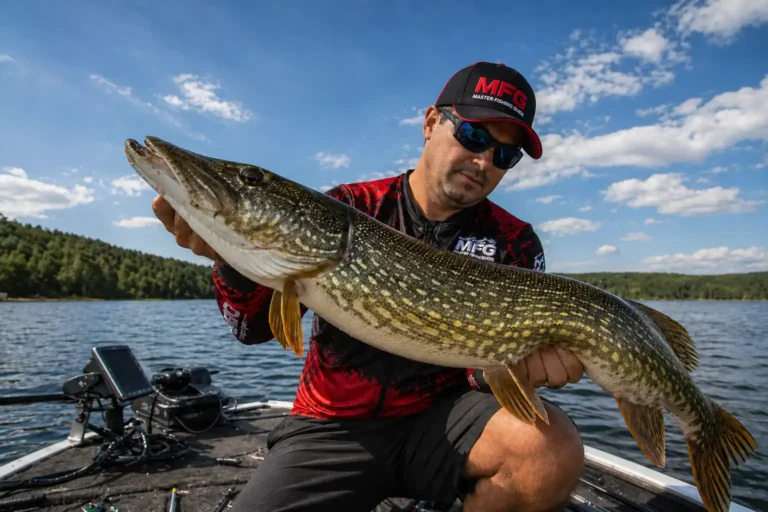


Why Are Pike Not Biting in Summer? (They’re Not Gone — You’re Fishing Wrong)
If you’ve ever wondered why are pike not biting in summer, you’ve probably lived through this exact moment. You’re standing on a proven spot — a weed edge that produced fish days ago, maybe even yesterday. The setup is right, the lure is right, and your casts are landing exactly where they should. But today? Nothing. Not even a lazy follow.
This is where most anglers start working against themselves. They switch lures, rotate colors, speed everything up, slow it down — trying to force a reaction that simply isn’t there. But the issue isn’t presentation. It’s a complete misread of what the fish are actually doing in that moment.
We’ve watched this play out over and over again on the water. In stable summer conditions around 21–24°C (70–75°F), the same pike that crush a lure at first light can sit completely still just hours later — in the exact same stretch of water. They didn’t leave. They didn’t suddenly “turn off.” They just stopped spending energy when conditions stopped making sense.
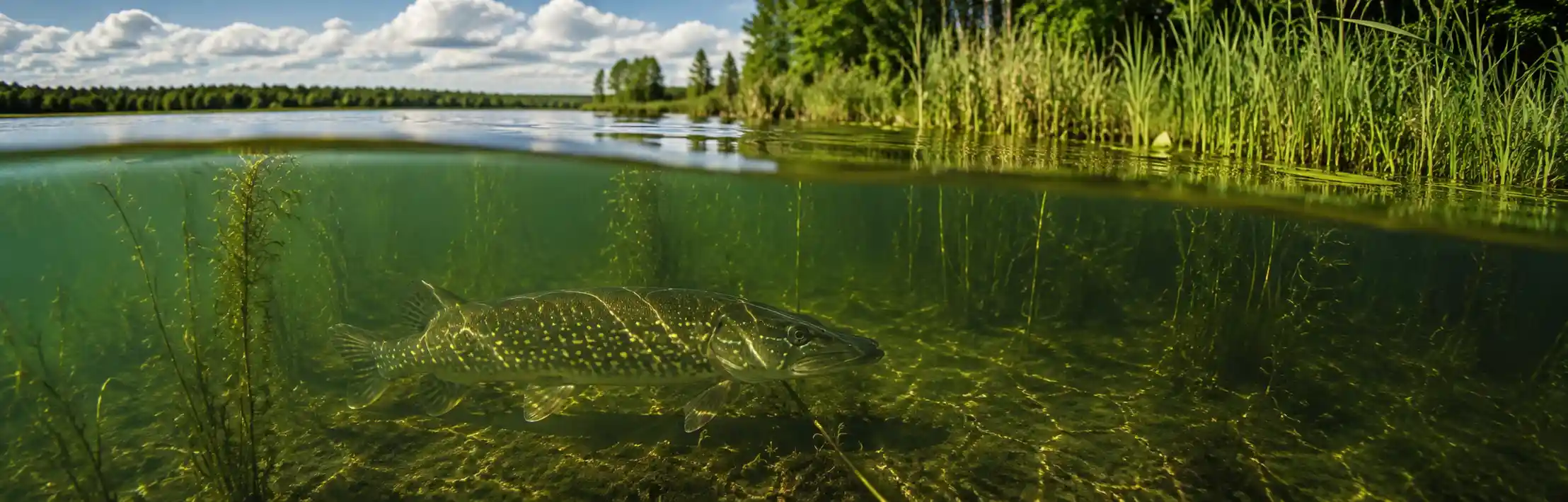
Warm water doesn’t just make fishing harder — it changes the entire system. Oxygen becomes less stable, baitfish behavior shifts, and every movement starts to carry a cost. In these conditions, big pike don’t chase out of instinct — they feed only when the odds clearly work in their favor.
That’s why so many summer sessions feel like you’re casting into empty water. You’re not. You’re fishing over fish that have no reason to respond. Until something shifts, it doesn’t matter how precise your casts are or how good your lure looks.
So if the fish haven’t disappeared, and your setup isn’t the problem, what actually changed?
In this guide, we’re breaking down what’s really happening below the surface — not in theory, but in the way it plays out on real water. Why pike seem to vanish, what actually controls their willingness to feed, and how to tell the difference between a dead spot and a dead moment.
Why Pike Stop Biting in Summer: The Real Reason Most Anglers Miss
To understand why are pike not biting in summer, you have to stop thinking like an angler and start thinking like a predator operating under pressure.
In stable summer conditions, especially once water temperatures settle between 20–24°C (68–75°F), everything changes below the surface. Oxygen levels become less consistent, baitfish stop roaming freely, and the entire system shifts from movement to conservation. This is where most anglers completely misread what’s happening.
Pike don’t stop feeding in summer — they stop wasting energy.
The real reason pike are not biting in summer is simple — the conditions no longer justify the energy cost of chasing prey.
Every movement becomes a calculated decision. Chasing a lure across open water, even for a few seconds, carries a cost that simply isn’t justified unless the conditions clearly favor success.
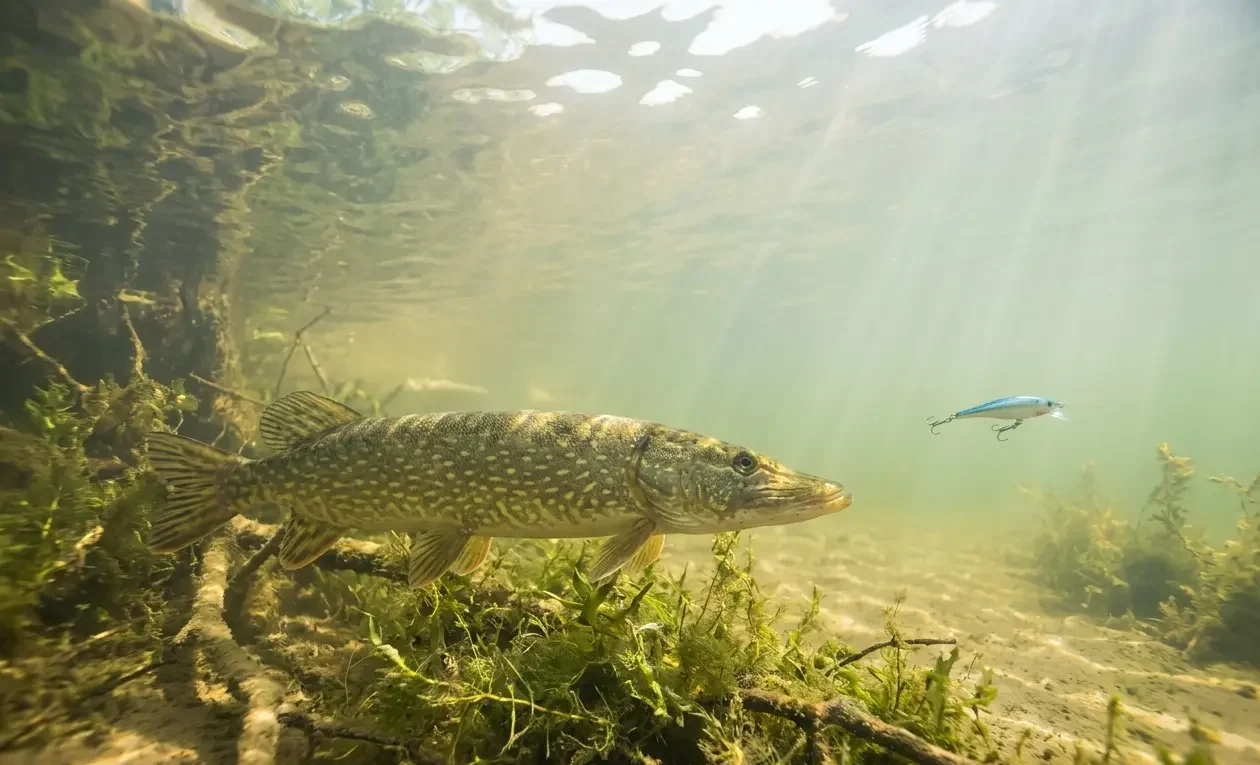
We’ve seen this repeatedly on the water. During early morning hours, when oxygen is slightly more stable and light levels are low, pike will actively strike and track lures with intent. But as the day progresses and surface layers warm, that same fish can reposition just a few meters deeper or tighter to structure — and completely shut down its willingness to chase. Not because it disappeared, but because the conditions stopped making sense for active feeding.
This is the critical shift most anglers miss. They assume the fish moved, or worse, that the area is no longer holding fish. In reality, the pike are still there — but now operating in a completely different mode, where only low-effort, high-probability opportunities trigger a response.
That’s why changing lures rarely fixes the problem. You’re trying to force a reaction from a fish that has no biological reason to respond. Until something changes — light, wind, pressure, or oxygen stability — the fish remain in that energy-saving state.
And when that shift finally happens, the same fish that ignored everything for hours can suddenly become aggressive again. Not randomly — but because the conditions finally aligned in their favor.
Where Did the Pike Go in Summer? (They Didn’t — You’re Looking in the Wrong Places)
If you’re asking why are pike not biting in summer, the first instinct is to assume the fish moved. In reality, most of the time, they didn’t go anywhere — they just shifted slightly out of the zone you’re fishing.
This is one of the most common mistakes we see on the water. Anglers keep casting the same visible structure — the same bank line, the same shallow edge — expecting the same result as days before. But in summer, even a small change in light, temperature, or pressure can push pike just a few meters deeper or tighter to cover. Not far — just far enough to stop reacting.
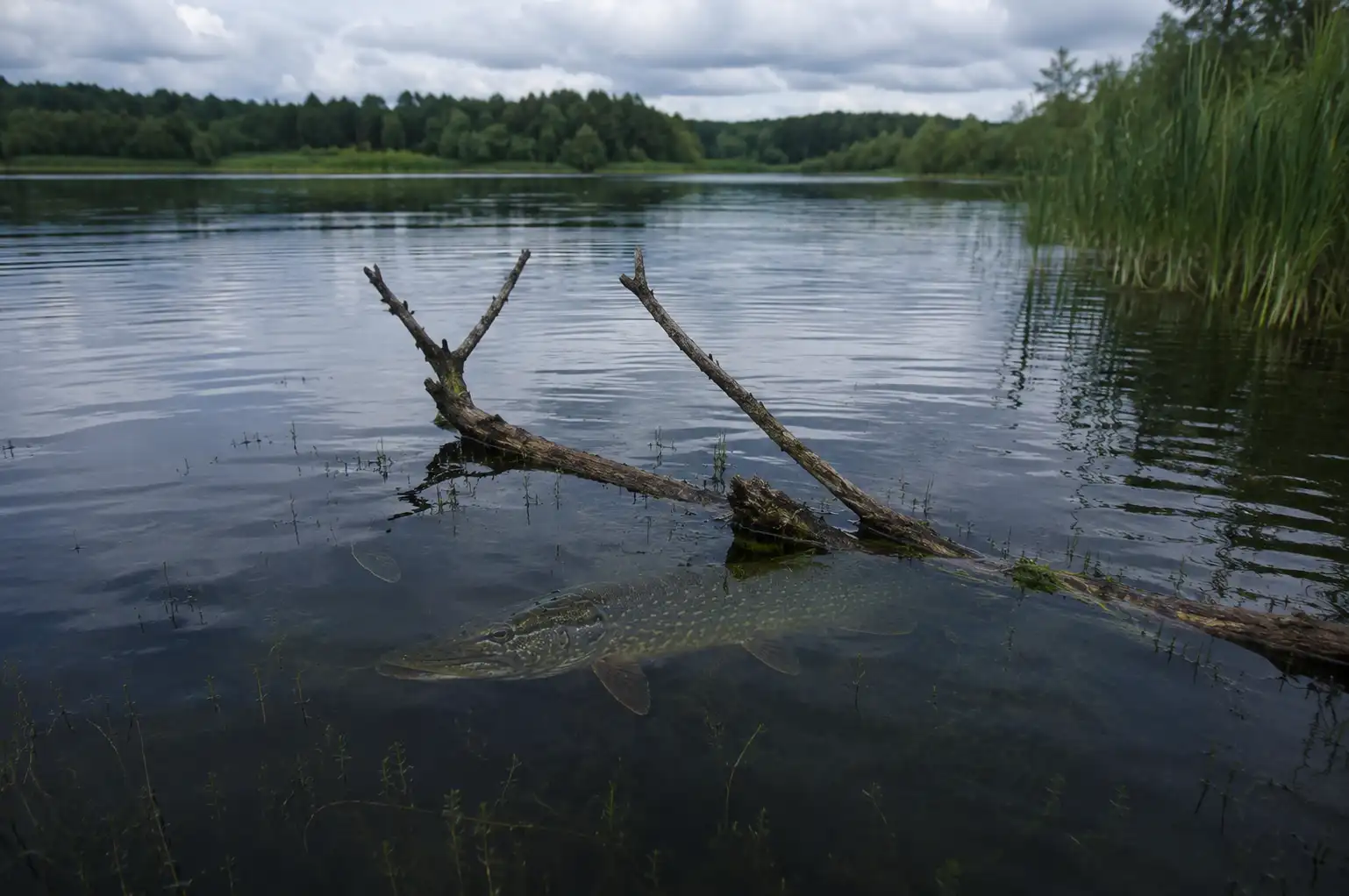
We’ve had sessions where a spot looked completely dead — no follows, no movement — only to find fish sitting just off the visible edge, holding in slightly more stable water. The difference wasn’t location. It was positioning. The fish were still there, but no longer exposed to easy presentations.
That’s why so many casts feel like they’re landing in empty water. You’re not missing fish by distance — you’re missing them by precision. A lure running just outside the real holding line will pass through the area clean with zero reaction, even when fish are present.
Understanding where pike actually hold in summer becomes critical at this point — not as a list of spots, but as a way to read subtle shifts in position. In warm conditions, those small adjustments define whether you’re fishing active water or completely missing it.
The key shift is simple: you’re not looking for new areas — you’re adjusting to where the fish reposition within the same area. Once you see that, “dead” spots start to make sense, and the water stops feeling empty.
When Do Pike Actually Feed in Summer? (The Windows Most Anglers Miss)
If you’re still wondering why are pike not biting in summer, the answer often comes down to timing. In warm water, pike don’t feed consistently — they feed in short, highly controlled windows.
Most anglers miss this because they think in hours. Pike don’t. They respond to conditions. A slight drop in light, a change in wind, or a moment of improved oxygen stability can trigger activity — and shut it down just as fast.
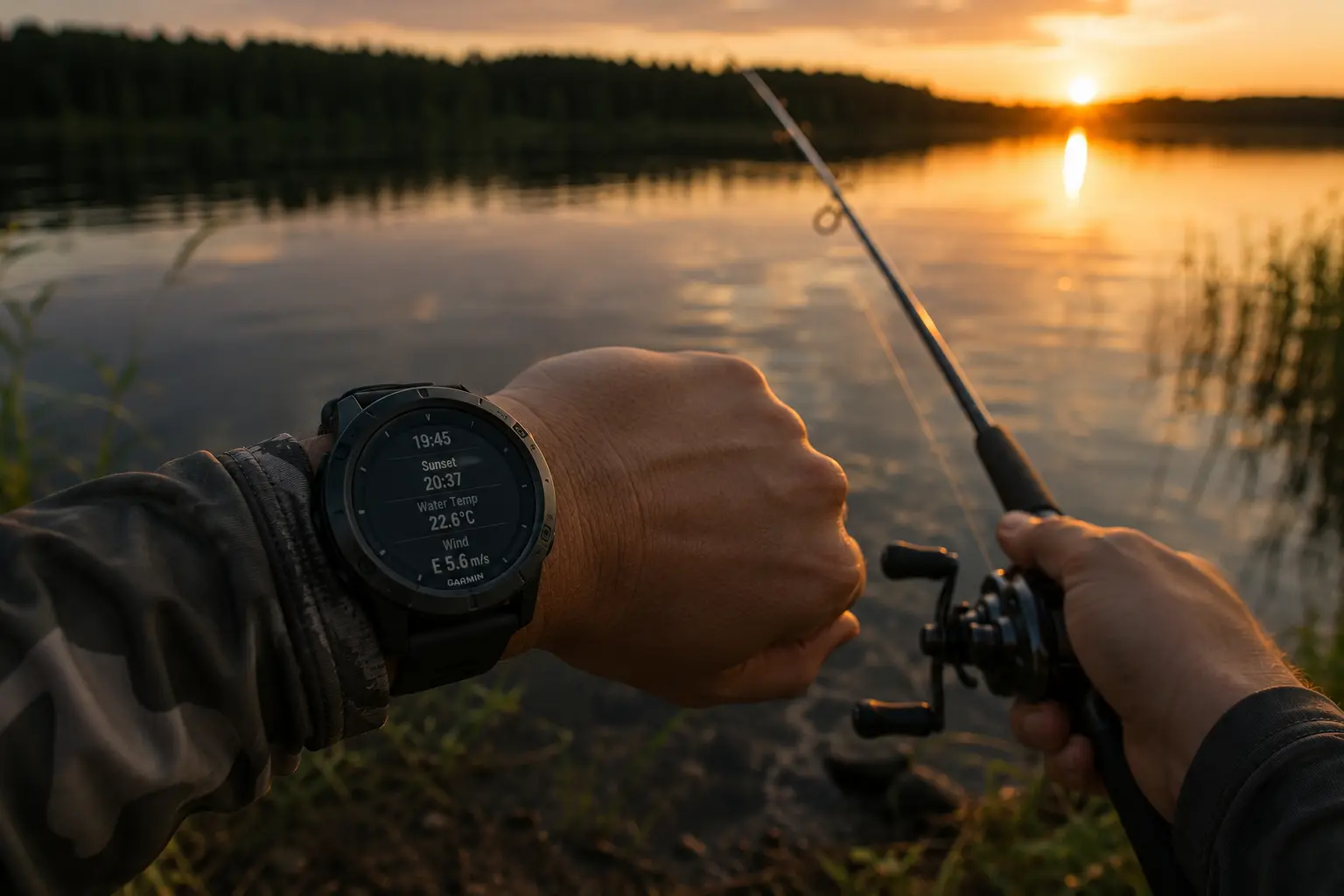
We’ve seen sessions where nothing happens for hours, and then suddenly — within a 10–20 minute window — multiple fish become active. Same spot, same lure, completely different response. The difference wasn’t the presentation — it was the moment.
This is why so many summer days feel inconsistent. You’re not fishing empty water — you’re fishing outside the window. And in summer, those windows are often much shorter than most anglers expect.
Understanding when pike actually feed in summer helps you recognize those moments instead of missing them. But the real advantage comes from adjusting your mindset — focusing on timing, not constant action.
The key shift is simple: you’re not trying to create a bite — you’re trying to be ready when it happens.
How to Trigger Summer Pike That Refuse to Bite (When Nothing Else Works)
Once you understand why are pike not biting in summer, the final piece becomes clear — you’re not trying to force activity, you’re trying to match the exact moment a fish is willing to react.
In warm water, pike don’t respond to effort — they respond to opportunity. If a presentation looks like it requires a full chase, they ignore it. If it looks like something vulnerable, slow, or easy to intercept, the decision changes instantly. This is not about the lure itself — it’s about how the fish perceives the risk.
We’ve seen this pattern repeat across countless sessions. Hours of no reaction, followed by a single adjustment in angle, depth, or timing — and suddenly the fish commits. Not because the setup changed completely, but because the presentation finally aligned with the fish’s current state. That moment is where most strikes actually come from.
We’ve experienced this first-hand on the water. Last July, we worked a spot that looked completely dead for nearly three hours — no follows, no movement, nothing. Then a light wind started pushing across the surface, just enough to break the water. Within 15 minutes, we landed three fish from the exact same area. The fish were there the entire time — the opportunity just wasn’t there yet.
This is also why missed fish are so common in summer. The strike doesn’t build gradually — it happens fast, often after long periods of inactivity. If there’s slack in your line, hesitation in your reaction, or poor contact with the lure, that one chance is gone.
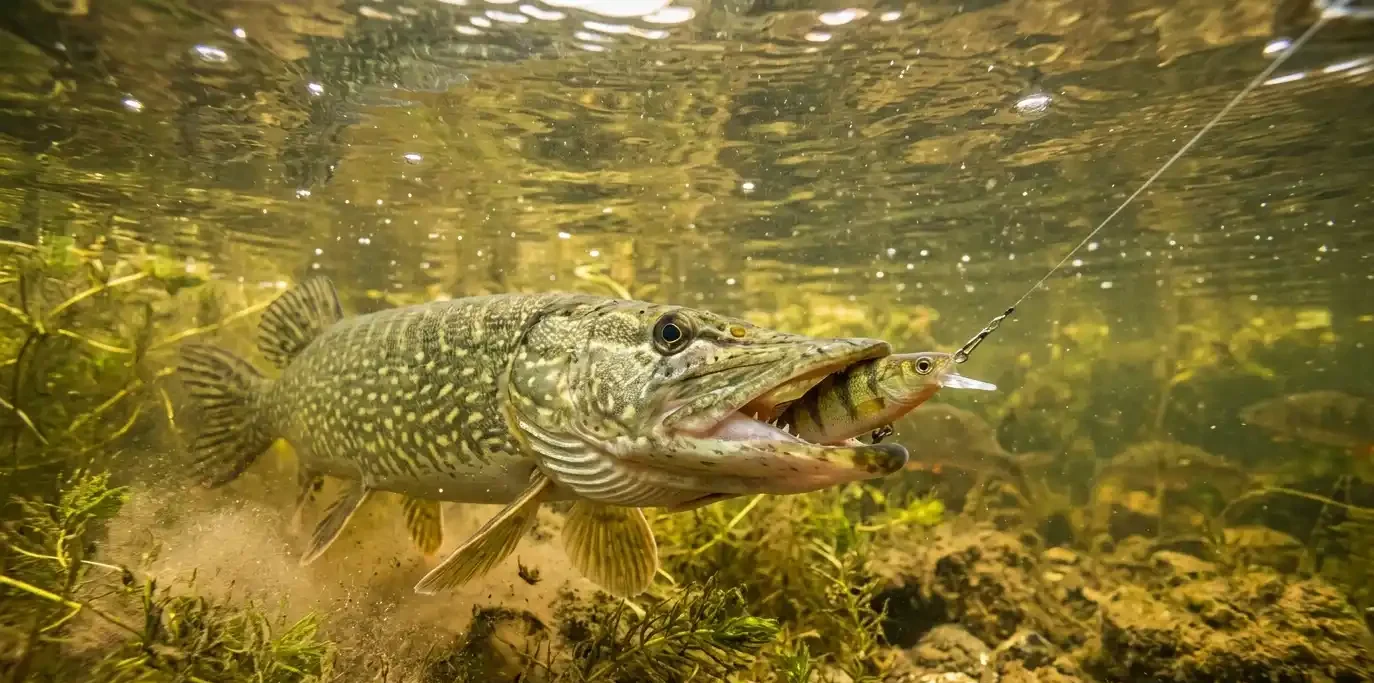
Precision matters more than variation. Keeping the lure in the exact zone, maintaining direct contact, and staying mentally ready for a sudden strike are far more important than constantly changing lures or experimenting without purpose. This is exactly why understanding how to control your retrieve in summer conditions becomes critical when fish refuse to commit.
From real time on the water, one pattern becomes obvious — summer pike rarely give second chances. When the window opens and the fish decides to commit, everything happens in seconds. The anglers who succeed are the ones who are already set up, already focused, and already in control when that moment arrives.
The key shift is simple: you’re not trying to make pike bite — you’re removing every reason for them not to.
The Biggest Mistake: Fishing Longer Instead of Smarter
Once you understand how short and unpredictable summer feeding windows really are, one mistake becomes obvious — most anglers try to solve the problem by fishing longer instead of fishing smarter.
It feels logical. If the fish aren’t biting, you stay. You keep casting, changing lures, adjusting retrieves, hoping something will trigger a reaction. But in summer conditions, that approach works against you. If the window isn’t open, no amount of effort will force it.
We see this constantly on the water. Anglers lock onto a “perfect” spot — good weeds, good depth, everything looks right — and spend two or three hours grinding it with zero response. Then conditions shift slightly — a bit of wind, softer light, small surface movement — and within minutes, fish start reacting. The spot didn’t change. The timing did.
The real mistake is confusing presence with opportunity. Just because pike are in the area doesn’t mean they’re willing to feed. In summer, most of the day is a closed window, and fishing harder inside that window doesn’t improve your chances — it just wastes time and focus.
That’s why the best anglers don’t measure effort in hours — they measure it in awareness. They watch for small changes, adjust quickly, and stay mentally ready for the moment when everything aligns. Because when that moment comes, it rarely lasts long.
The key shift is simple: stop trying to outwork the fish — start working with the moment they’re actually willing to bite.
How to Read Summer Water When Pike Are Not Biting
When pike are not biting in summer, the biggest advantage comes from reading what the water is telling you instead of forcing a result. Every detail matters — not just structure, but movement, light, and subtle changes across the surface.
We’ve learned this the hard way on real sessions. A spot can look perfect — clean water, good depth, solid weed edge — and still produce nothing. Then something small shifts. A slight ripple forms, baitfish start flickering near the edge, or the light softens just enough. Within minutes, the entire zone feels different.
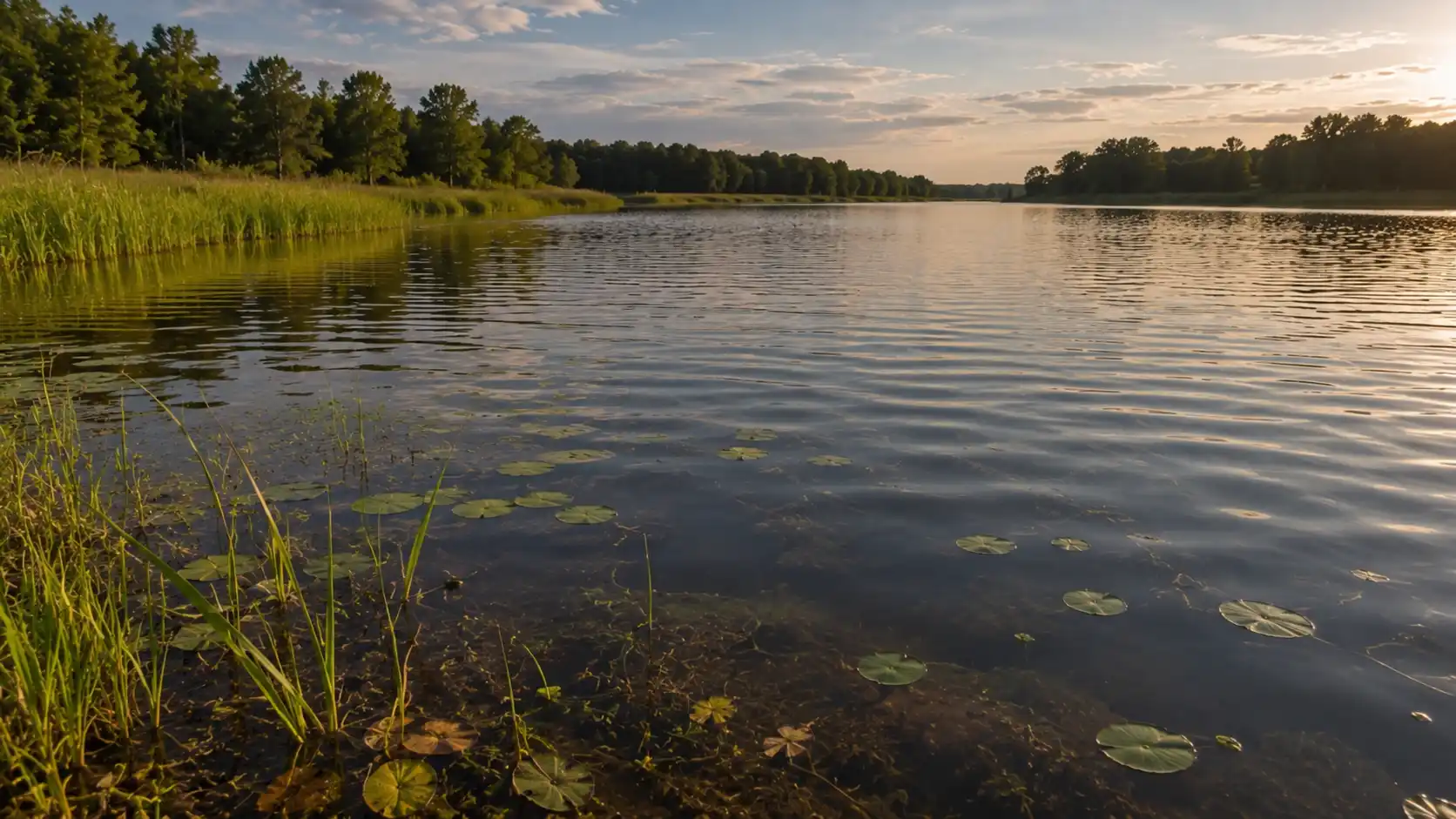
That’s not coincidence — that’s the system opening. Pike don’t randomly decide to feed. They respond to changes that reduce risk and increase opportunity. If you’re not paying attention to those changes, you miss the only moment that actually matters.
The key is to stay observant, not stubborn. Watch for repeated baitfish activity, changes in wind direction, or even small differences in water color and clarity. These signals often appear before the fish react — and they tell you when to stay, when to adjust, and when to move.
In summer, success is rarely about doing more. It’s about recognizing when the conditions shift in your favor — and being ready before the fish makes its move.
Why Pike Are Not Biting in Summer — What Actually Matters on the Water
Summer pike fishing only feels confusing until you understand what’s really happening below the surface. Fish don’t disappear when the bite slows down — they change how and when they are willing to feed.
Most frustration comes from applying the wrong approach at the wrong time. Casting more, changing lures, or staying longer rarely fixes the problem. In summer, success comes from recognizing the moment when conditions finally allow a fish to commit.
From real time on the water, one pattern becomes clear — pike are predictable once you stop expecting constant action. They hold their position, conserve energy, and wait for short windows where the risk makes sense. What’s interesting is that these real-world observations closely match findings from studies on fish behavior under thermal stress, such as those documented by Animal Diversity Web, which explain how predators reduce unnecessary energy expenditure in warm-water conditions.
That’s why the best anglers don’t focus on catching fish all day. They focus on being ready for the few moments that actually matter. Timing, positioning, and control always outperform effort.
Once you make that shift, “slow days” start to make sense. You stop guessing, stop forcing reactions, and start reading the water for what it really is. A system that rewards awareness over persistence.
Because in summer, pike are not hard to catch — they are hard to catch at the wrong moment.
If you’ve experienced those frustrating sessions where nothing seems to work, you’re not alone — every serious angler has been there. The difference is what you take from it. Pay attention to the conditions, trust what the water shows you, and build your approach around timing instead of effort.
That’s how you stop asking why pike are not biting in summer — and start understanding exactly when they will.
Why Are Pike Not Biting in Summer? (FAQ)
| Question | Short Answer |
|---|---|
| Why are pike not biting in summer even in good spots? | Because the fish are still there but feeding only during short windows. Outside of those moments, they ignore most presentations. |
| Do pike completely stop biting in hot weather? | No — they become highly selective and only feed when conditions make it worth the energy. |
| Why do pike follow lures but not strike? | Because they are interested but not willing to commit due to energy cost or unstable conditions. |
| Why does the bite suddenly turn on and off? | Because feeding is controlled by short condition-based windows that can open and close within minutes. |
| What is the biggest reason anglers fail in summer? | Fishing during dead periods instead of recognizing when fish are actually willing to feed. |
Why do pike stop biting in summer even when they are present?
Pike do not stop biting completely — they reduce activity because warm water increases energy cost and reduces oxygen stability. This forces them to feed only during short, efficient windows instead of chasing constantly.
Why do pike ignore the same lure that worked earlier?
The lure is rarely the problem. Conditions change throughout the day, and what worked during a feeding window often fails once that window closes. The fish hasn’t changed — the timing has.
Can pike be caught when they are not actively feeding?
Yes, but only under specific conditions. Triggering a strike requires presenting an easy opportunity that does not demand high energy from the fish. Outside of feeding windows, most reactions are limited and inconsistent.
Why do some days feel completely dead?
Because feeding windows can be extremely short. If you miss that window, the entire session can feel empty even though fish are present in the area.
How do you know if pike are inactive or just not responding?
Signs like follows, short strikes, or baitfish movement indicate that fish are present but not fully committed. A complete lack of activity usually means you are outside both the right location and the right timing window.