

Spring Pike Retrieve Techniques: Exact Speeds, Pauses & Trigger Patterns That Get Strikes
Spring pike retrieve techniques are not about covering water—they are about controlling the strike window. In early season conditions, most anglers focus on lure choice, location, and gear, but completely overlook the one factor that actually triggers strikes: how the lure moves.
The truth is simple—presentation is everything in spring. You can be using the right lure, in the right place, at the right time… and still not get a single bite if your retrieve speed, pauses, and lure action don’t match how pike behave in cold water during spring pike fishing.
Over multiple spring seasons, our team has spent dozens of sessions on the water tracking how pike react to different retrieve styles. We’ve watched fish follow, turn away, and strike at the exact moment when speed, pause, and depth align correctly. The biggest pike were not caught by luck—but by precise control of retrieve timing and presentation.
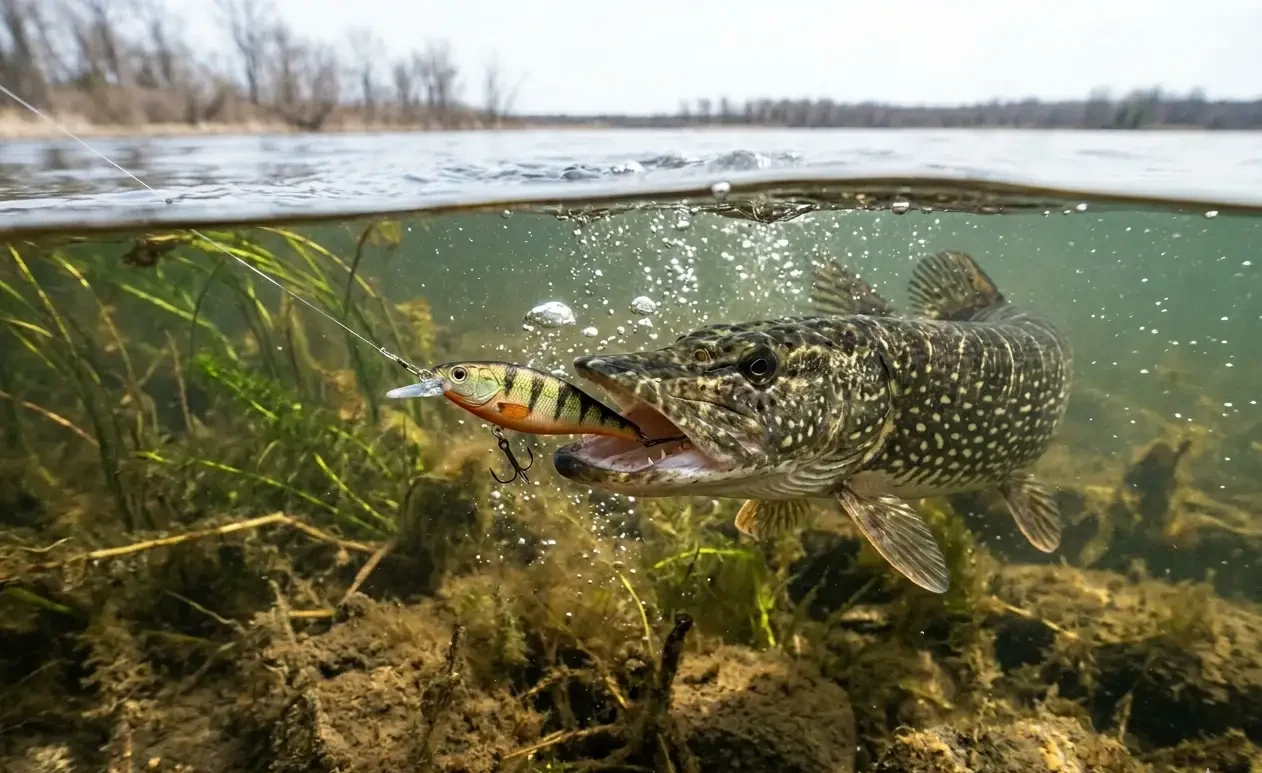
In water between 4–10°C (39–50°F), pike don’t chase like they do in summer. They follow. They inspect. They wait for the moment when the lure looks weak, slow, or vulnerable. That moment—created by your retrieve—is what triggers the strike.
This is where most anglers fail. They move the lure too fast, keep it too consistent, and never give the fish a reason to commit. The result? Follows without strikes, short hits, or complete silence.
This guide breaks down exactly how to retrieve lures for spring pike—step by step. You’ll learn the correct speeds, pause timing, and trigger patterns for different lures and conditions, based on real on-water experience. No theory. Just what actually works when fish are cold, shallow, and unpredictable.
Why Most Anglers Retrieve Too Fast for Spring Pike (Cold Water Mistake)
Spring pike retrieve techniques fail for most anglers for one simple reason—they fish too fast. Early in the season, it’s natural to want to cover water, test spots, and keep the lure moving. But in cold water, that instinct works against you. Speed removes the only thing that actually triggers a strike: time.
Maintaining precise control over slow retrieves becomes significantly easier when using the best pike fishing line, especially when detecting subtle follows and controlling lure movement in cold spring water.
In real on-water sessions across multiple spring seasons, we consistently saw the same pattern. Pike would follow a lure for several meters (yards), tracking it slowly, staying just behind it—then turn away at the last second. Not because the lure was wrong, but because it never gave them a reason to commit. The retrieve was too fast, too steady, and too predictable.
A detail most anglers miss is how pike behave when they lose interest. They don’t explode away or turn sharply. Most of the time, they simply fade out—slowly sinking back into weeds or deeper water. That subtle drop is a clear signal: the presentation felt too fast or too demanding to chase.
This behavior is directly connected to spring pike behavior. In water between 4–10°C (39–50°F), pike operate in a controlled, energy-efficient mode. They don’t waste energy chasing fast-moving prey. Instead, they follow, observe, and wait for a moment when the target looks weak or easy to catch.
Spring Pike Retrieve Techniques: How Water Temperature Controls Speed (4–10°C Breakdown)
In spring pike retrieve techniques, water temperature directly controls how fast—or how slow—your lure should move. In spring pike fishing, retrieve speed is not a personal preference. It’s dictated by how fish position themselves in the water column and how much energy they’re willing to spend.
As water warms from 4°C to 10°C (39–50°F), pike don’t just become more active—they change depth, movement patterns, and strike behavior. Understanding these shifts is what allows you to match the correct retrieve speed to the exact conditions on the water.
This is where spring pike depths become critical. If you’re retrieving at the wrong speed for the depth fish are holding at, your lure is either too fast above them—or too slow and out of position.
At the core of effective spring pike retrieve techniques is matching speed to depth and temperature—not personal rhythm.
4–6°C (39–43°F): Cold Water Holdover Phase
At this stage, pike are still holding deeper or just beginning to move toward shallower transition zones. Their metabolism is low, and their strike window is extremely narrow. Your retrieve must be slow, controlled, and almost passive.
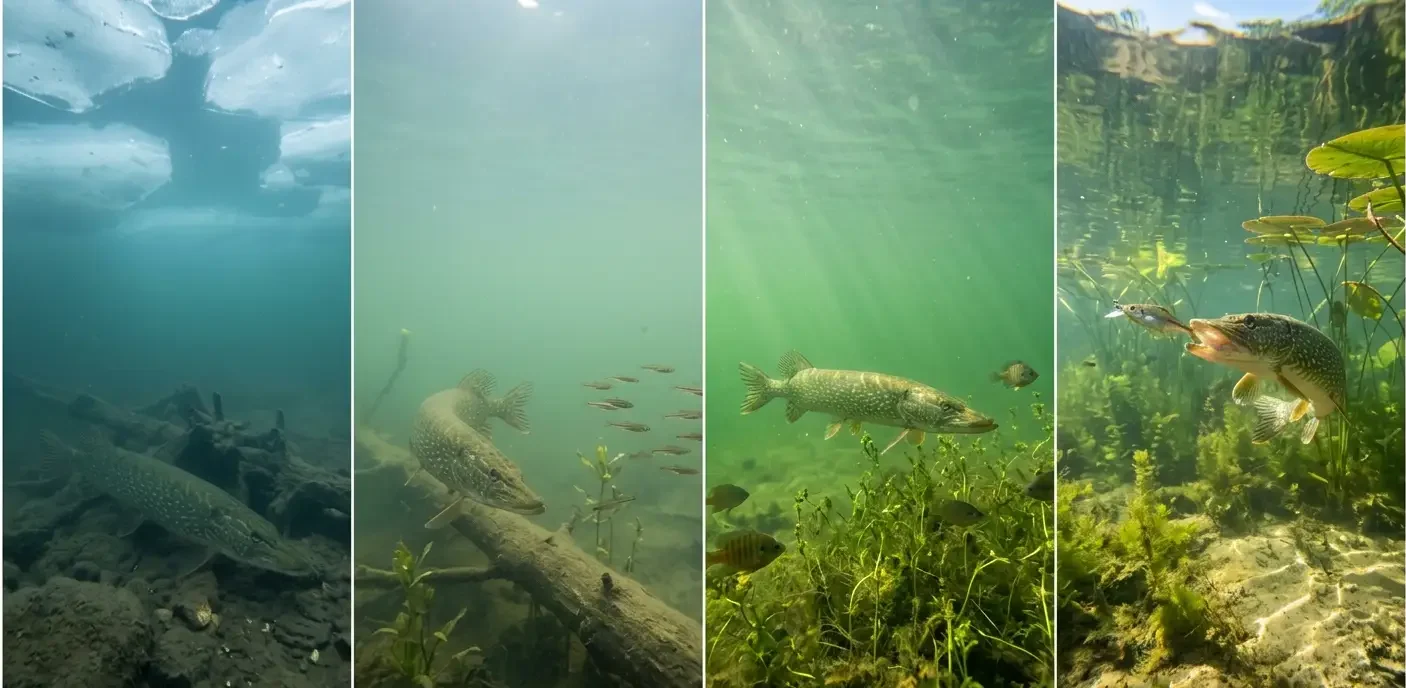
The most effective approach is a near “dead-slow” presentation. The retrieve should feel almost unnatural—slow enough that you can mentally track each turn of the reel handle. If it feels comfortable, you’re already too fast.
Long pauses are critical here. Pauses of 5–10 seconds are not too long in 4–6°C water. In many cases, that’s exactly how long it takes for a lethargic pike to commit. Most strikes happen during the pause or just as the lure starts moving again.
6–8°C (43–46°F): Transition & Staging Phase
This is where pike begin moving more consistently and holding in key areas between deeper water and shallow zones. They follow more often, observe longer, and are more willing to commit—but only if the presentation feels easy.
Your retrieve should still be slow, but slightly more dynamic. Short pulls followed by pauses, gentle lift-and-drop motions, and controlled movement keep the lure in the strike zone while giving the fish time to react. The goal is not to make the lure swim aggressively—but to make it “shiver” and look unstable.
In this phase, spring pike retrieve techniques shift from passive control to subtle variation. Small changes in speed and pause timing often make the difference between a follow and a committed strike.
8–10°C (46–50°F): Active Shallow Phase
Pike are now positioned shallow, more active, and more responsive—but still not aggressive like in summer. This is where many anglers make a mistake and speed up too much.
The correct retrieve here is controlled—not fast. You can increase movement slightly, but pauses remain critical. If you remove pauses at this stage, you actually lose strikes instead of gaining them.
Across all temperature ranges, one pattern stays consistent: the colder the water, the slower and more deliberate your presentation must be. Adjusting speed without considering temperature is one of the fastest ways to fish over active pike without ever triggering a strike.
Best Retrieve Techniques for Jerkbaits (Pause Timing That Triggers Strikes)
Jerkbaits are one of the most effective lures for spring pike—but only if retrieved correctly. Most anglers use them too aggressively, with sharp jerks and constant movement, which works in warmer months but completely fails in cold water conditions.
In spring pike retrieve techniques, jerkbaits require a slower and more controlled approach. The goal is not to create erratic action—it’s to create hesitation, suspension, and vulnerability. That’s what triggers strikes.
This is why suspending jerkbaits we’ve tested across multiple spring seasons consistently outperform other lures in early season conditions. They allow you to stop the lure completely in the strike zone—right in front of the fish.
The most effective retrieve pattern is simple: pull, pause, observe. Instead of aggressive jerks, use short, controlled movements of the rod—just enough to move the lure forward and give it subtle action.
Executing this kind of controlled jerkbait retrieve becomes significantly easier with the right setup. A balanced spinning rod for pike combined with a smooth spinning reel for pike allows better control of pauses, cleaner lure movement, and more precise strike detection in cold spring conditions.
A small but critical detail is line slack during the pause. After each movement, allow a slight slack in the line so the lure can settle naturally. If you keep the line tight, you unintentionally pull the bait and kill its suspension. In many cases, strikes are first visible on the line—not felt on the rod.
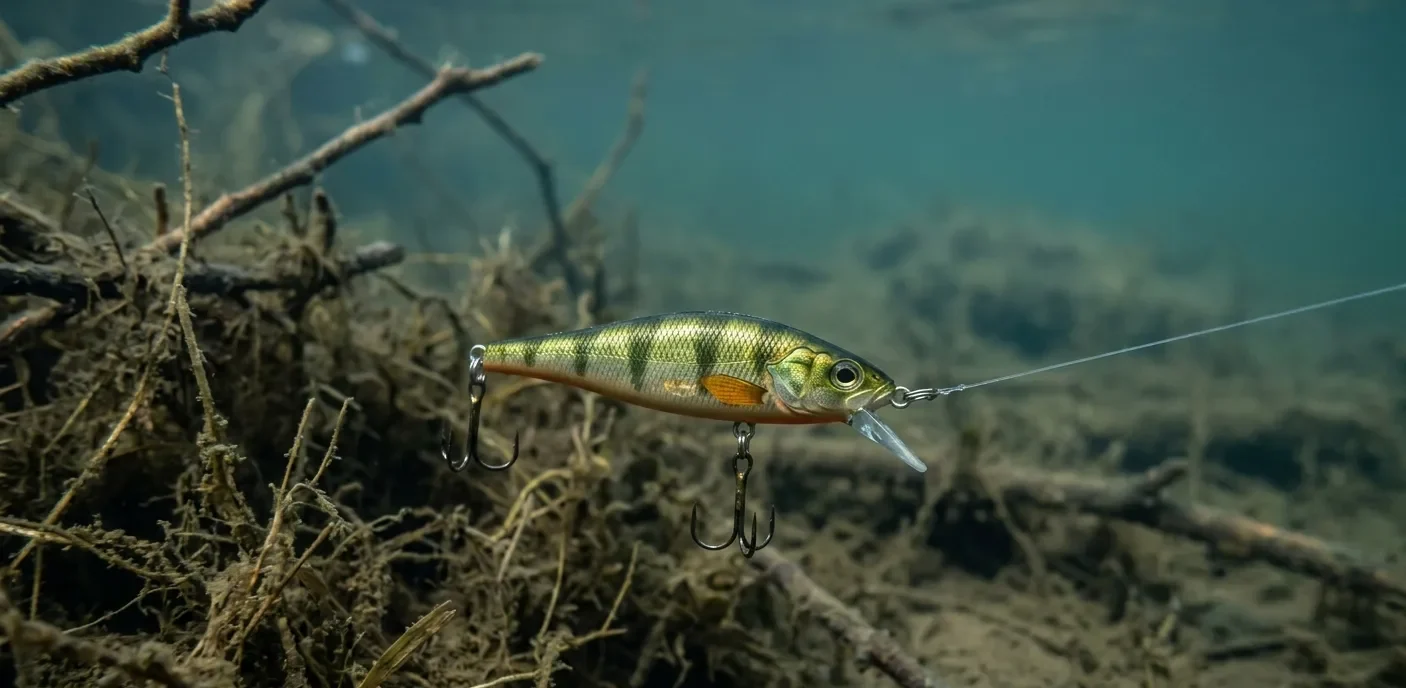
Pause timing is everything. In 4–6°C (39–43°F) water, pauses of 5–10 seconds are often necessary. In slightly warmer water (6–8°C / 43–46°F), you can shorten pauses to 3–5 seconds—but removing them completely will cost you strikes.
During the pause, the lure should not look lifeless—it should look vulnerable. The best suspending jerkbaits often settle slightly nose-down, imitating a weakened baitfish trying to sink. That subtle posture is a powerful trigger for pike that are watching but not fully committed.
Instead of snapping the rod tip downward, a slower sideways sweep often produces better results. This creates a wider, smoother movement and keeps the lure in the fish’s field of view longer. The goal is not sharp action—but controlled, lingering movement.
From real on-water observation, many pike don’t hit during movement—they hit the moment the lure stops. Often, the strike comes just as you begin the next pull, when the lure transitions from stillness into motion.
At the core of effective spring pike retrieve techniques with jerkbaits is pause control. If your pauses are too short or inconsistent, you remove the exact trigger that makes fish commit.
If you’re not getting bites on jerkbaits in spring, the problem is almost always speed—not lure choice. Slow down, extend your pauses, and focus on keeping the lure in front of the fish longer. That’s what turns follows into committed strikes.
How to Retrieve Swimbaits for Spring Pike (Slow Rolling vs Lift & Drop)
Swimbaits are one of the most versatile lures for spring pike, but their effectiveness depends entirely on how they are retrieved. Unlike jerkbaits, which rely on pauses and suspension, swimbaits create a continuous presence in the water—making retrieve control even more important.
In spring pike retrieve techniques, swimbaits are most effective when worked slowly through the strike zone. This is why swimbaits we’ve tested and rely on during our spring sessions consistently produce results across different depths and water clarity. Their natural swimming action allows you to cover water slowly while staying in the strike zone longer.
The biggest mistake anglers make with swimbaits is retrieving too fast and too steady. In cold water, this turns a natural-looking lure into something pike will follow—but rarely strike.
In 4–6°C (39–43°F) water, the most effective retrieve is a slow roll with minimal movement. The lure should move just fast enough for the tail to activate. If the tail is kicking hard—you’re already too fast.
A key detail that consistently triggers strikes is bottom or structure contact. Let the swimbait occasionally touch the bottom or brush the tops of remaining vegetation. That small disturbance—a light puff of sediment or a subtle deflection—is often enough to trigger a following pike into striking.
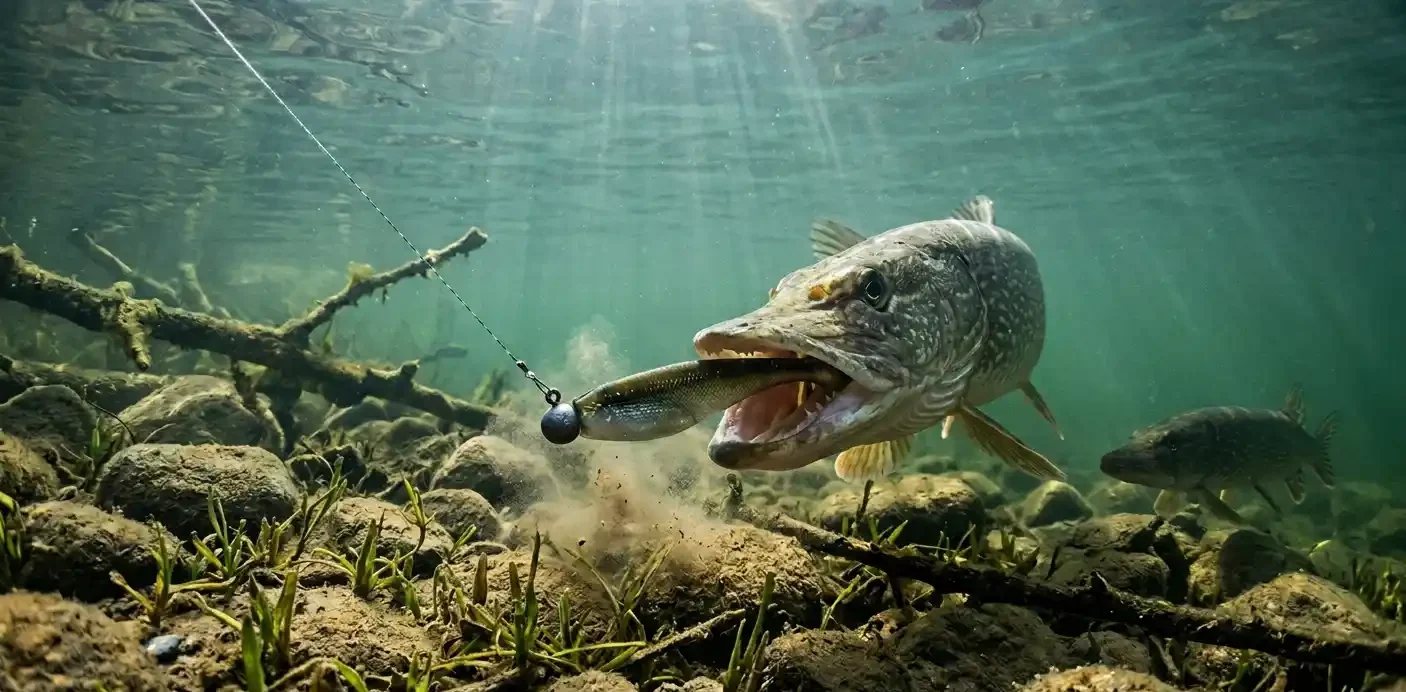
As water warms into the 6–8°C (43–46°F) range, you can begin adding subtle variation. Short pauses, slight speed changes, and gentle lift-and-drop movements make the lure look less predictable. This is often what triggers fish that are following but not committing.
One highly effective technique is the lift-and-drop retrieve. Slowly raise the rod tip to lift the lure, then allow it to fall on a controlled slack line. Most strikes happen during the fall, when the lure looks like a weak baitfish losing control.
Weight selection plays a critical role here. Avoid using heads that are too heavy. In spring, you want a slower, more natural fall—not a fast drop. If the swimbait falls too quickly, pike in cold water often won’t react. The goal is to use the lightest jig head that still allows you to maintain bottom contact and control.
In 8–10°C (46–50°F) water, swimbaits become more effective with slightly more active retrieves. You can introduce controlled speed changes and longer pulls, but the key is still maintaining contact with the strike zone. Too fast—and the fish won’t commit.
From on-water experience, swimbaits often trigger strikes when they change direction or interact with structure—not during steady movement. This is a key element of effective spring pike retrieve techniques. That’s why adding subtle variation consistently outperforms a constant retrieve.
If you’re fishing swimbaits in spring without changing speed or adding pauses, you’re leaving strikes behind. Control the movement, stay in the strike zone, and let the lure do the work. That’s what turns follows into solid hook-ups.
Spinnerbait Retrieve for Spring Pike (Vibration, Depth & Control)
Spinnerbaits are one of the most reliable lures when conditions are unstable or visibility is reduced. In spring, they excel in wind, stained water, and shallow cover—situations where pike rely more on vibration than sight.
In spring pike retrieve techniques, spinnerbaits work best when you maintain controlled speed and depth through the strike zone. This is why spinnerbaits we rely on in real spring conditions consistently produce strikes when other lures fail. Their combination of flash, vibration, and weedless design allows you to fish aggressively without losing control.
The biggest advantage of spinnerbaits is that they can trigger reaction strikes—even when pike are not fully committed. But this only works if the retrieve is controlled and stays in the strike zone.
The most effective retrieve in spring is a slow, steady retrieve with occasional contact. Keep the lure just above the bottom or running through sparse vegetation. Every time the spinnerbait deflects off structure or changes direction slightly, it creates a trigger moment.
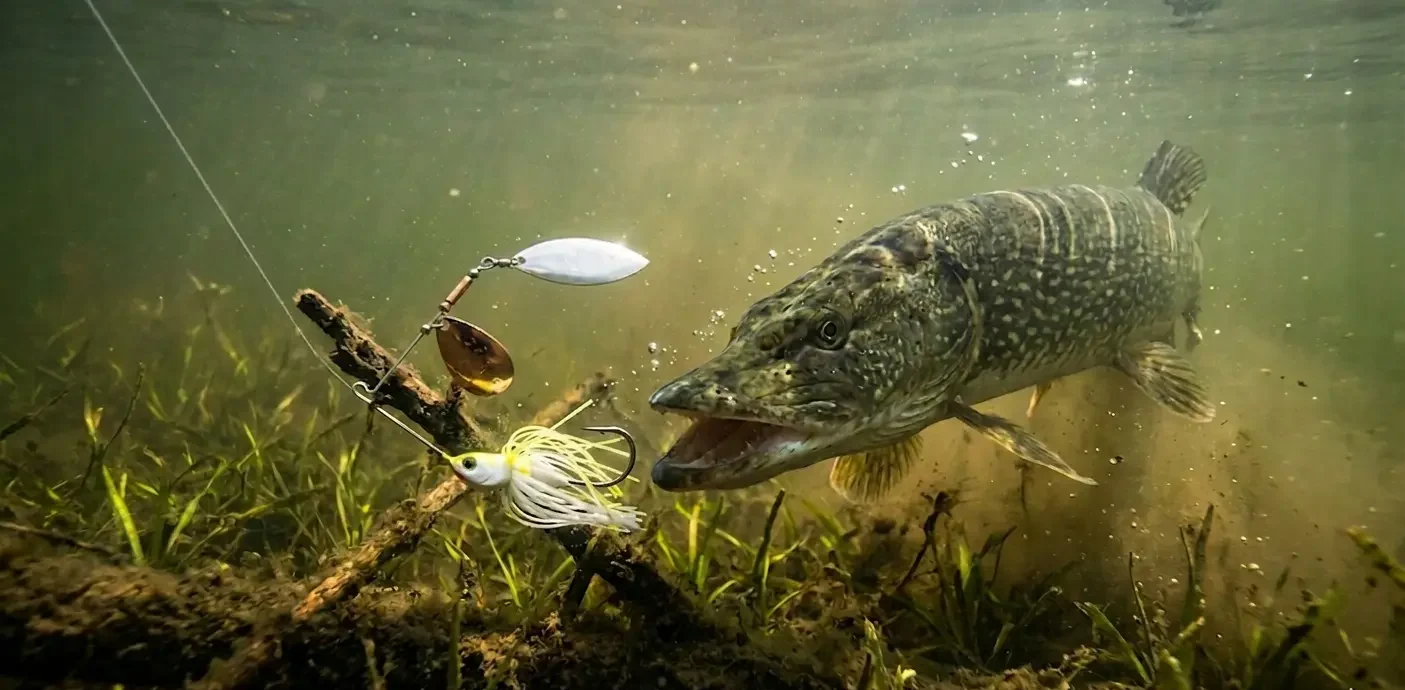
A key detail is blade vibration. The lure should thump consistently, not spin wildly. If the vibration feels too aggressive, you’re likely retrieving too fast. Pike often prefer a slower, deeper vibration that feels like an easy target.
Another often overlooked factor is trailer choice. Adding a larger soft plastic trailer—such as a shad or grub—can slow the fall of the spinnerbait and stabilize its movement. This allows you to retrieve even slower while keeping the lure just above bottom or cover.
From experience, this small adjustment often makes a big difference in colder spring conditions. A slower, more controlled fall keeps the lure in the strike zone longer and gives following pike more time to commit.
As conditions improve and visibility increases, you can slightly increase retrieve speed—but never lose control of depth. Spinnerbaits are most effective when they stay close to structure, not when they are burned through open water.
One highly effective variation is the “slow-roll with contact” retrieve. Let the spinnerbait occasionally tick the bottom, brush cover, or bump into structure. These small interruptions often trigger strikes from fish that are following but not fully committing.
In windy or muddy conditions, spinnerbaits often outperform all other lures. The added vibration helps pike locate the lure even when visibility is low, making them one of the most consistent options in changing spring conditions. This is a key part of effective spring pike retrieve techniques in low visibility.
If you’re not getting bites on spinnerbaits, the problem is usually speed or depth control. Slow down, stay low, and let the lure interact with the environment. That’s what turns interest into reaction strikes.
Spring Pike Retrieve Techniques After a Cold Front (Slower, Deeper & More Controlled)
Spring pike retrieve techniques need to change immediately after a cold front. This is where most anglers fail—they keep fishing the same way, even though the fish have completely changed their behavior.
In spring pike retrieve techniques, cold front conditions require a much slower and more controlled approach. This is why spring pike fishing after a cold front requires a different approach. Pike become less active, hold closer to structure, and are far less willing to chase fast-moving lures.
The biggest adjustment is slowing everything down. Not slightly—significantly. Retrieves should become deliberate, controlled, and focused on keeping the lure in one area as long as possible.
In these conditions, the most effective retrieves are almost passive. Long pauses, minimal movement, and subtle lure action outperform aggressive techniques. It’s often better to move the lure just slightly and stop, rather than continuously retrieve.
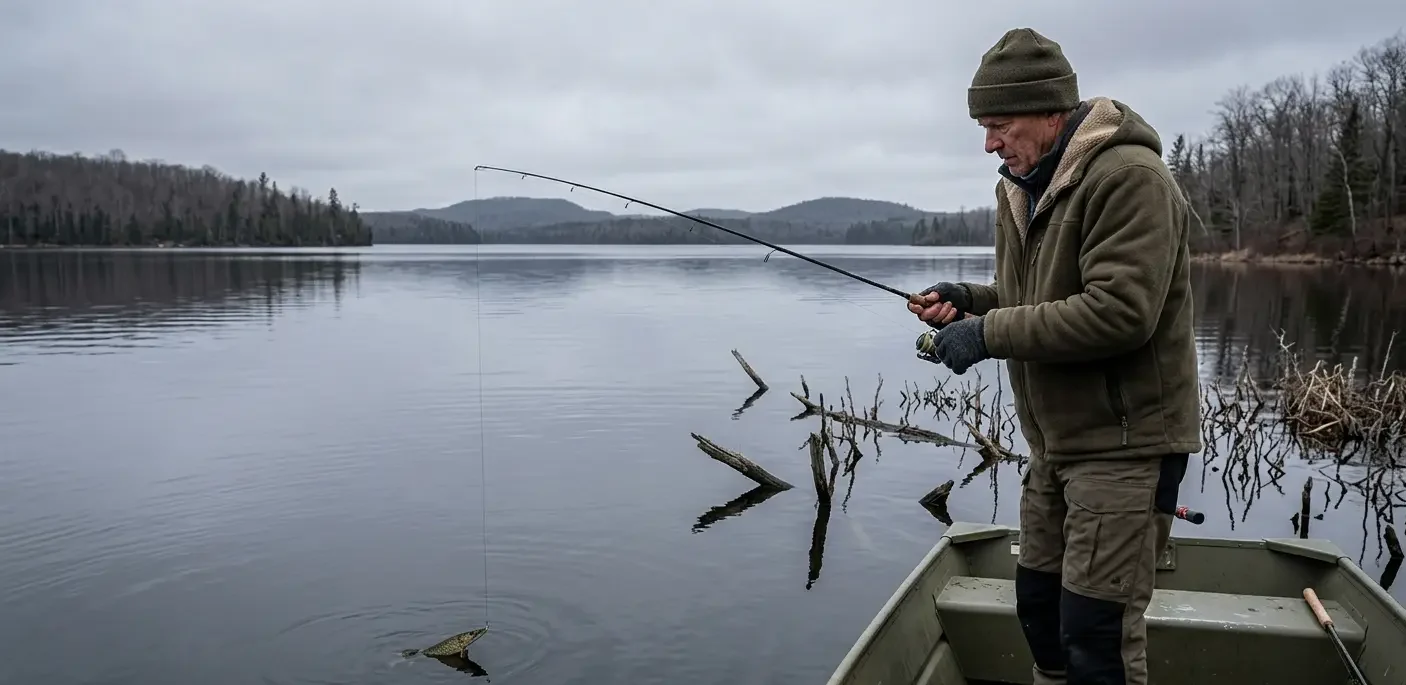
A key detail is how pike react during this phase. From on-water experience, they often follow slowly and stay deeper or tighter to cover. If the lure moves too quickly or too far away, they simply lose interest and drop back without striking.
One adjustment that consistently makes a difference is reducing movement to the absolute minimum. Instead of moving the lure with your whole arm, use small wrist movements—just enough to make the bait “twitch” in place. The goal is not distance, but subtle life-like motion that keeps the lure in the same spot.
This kind of micro-movement often imitates a weakened or stunned baitfish. In cold, unstable conditions, pike are far more likely to strike something that looks easy to catch rather than something that moves away from them.
Depth control becomes critical. Keep the lure close to bottom, structure, or cover where pike are holding. If you retrieve too high or too fast, you’re fishing above inactive fish that won’t move to strike.
If you’re struggling after a cold front, don’t change lures first—change your retrieve. Slower speed, longer pauses, and tighter control around structure consistently outperform everything else. This is where patience—not speed—produces strikes and defines effective spring pike retrieve techniques.
How Water Clarity Changes Retrieve (Clear vs Muddy Spring Water)
Water clarity changes how pike track and respond to your lure. In spring, conditions can shift quickly—from clear water to stained or muddy—and your retrieve needs to adjust with it.
In spring pike retrieve techniques, water clarity plays a critical role in how you control speed, pauses, and lure movement. In clear water, pike rely more on sight. This means your retrieve should be slower, smoother, and more natural. Longer pauses, subtle movements, and controlled presentation give fish time to inspect the lure before committing.
A key detail in clear conditions is minimizing unnecessary movement. If the lure looks too aggressive or unnatural, pike will often follow but refuse to strike. The more natural and effortless the action looks, the higher your chances of converting follows into hits.
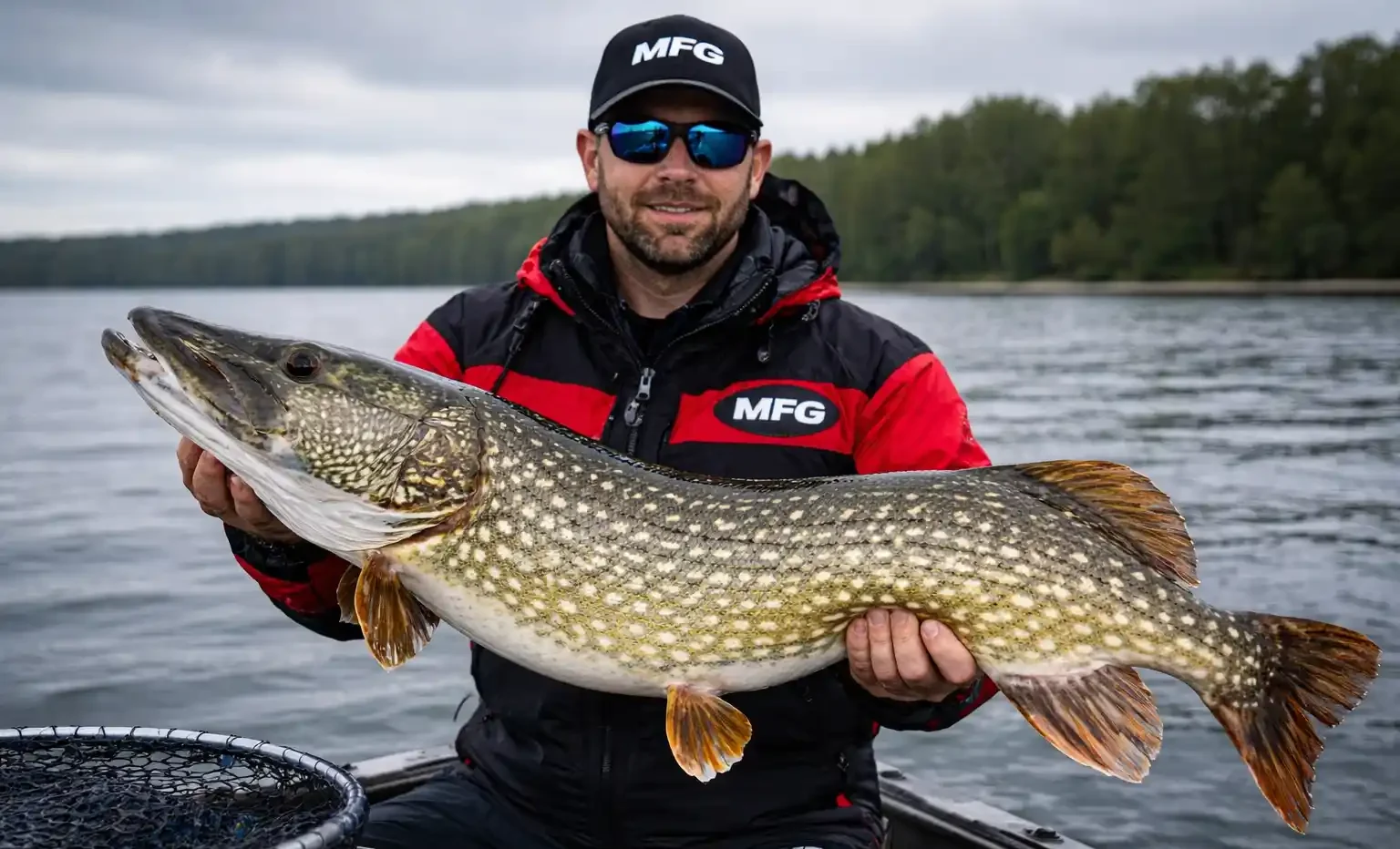
In muddy or stained water, the situation changes completely. Visibility drops, and pike rely more on vibration and displacement to locate prey. This allows for slightly more aggressive retrieves—but still within control.
The most effective approach in low visibility is combining movement with vibration. Use steady retrieves with occasional contact, slight speed changes, or subtle deflections. The goal is to make the lure easier to locate—not faster to chase.
A small adjustment that often makes a big difference is extending your retrieve path along structure. In very muddy water, pike need more time to locate the source of vibration. If the lure passes too quickly along a log, weed edge, or reed line, the fish may sense it—but not react in time. Keeping the lure in that zone slightly longer often triggers the strike.
From experience, the biggest mistake in muddy water is fishing too fast. Even though pike rely less on sight, they still won’t chase something that moves out of range too quickly. Control and positioning still matter more than speed.
If you want to understand how pike use both vision and vibration to track prey, you can read more here. This is exactly why adjusting retrieve speed and lure movement becomes critical as water clarity changes.
If water clarity changes during your session, adjust your retrieve before changing lures. Often, small changes in speed, pause timing, and lure action are enough to start getting strikes again. This is a key principle behind effective spring pike retrieve techniques. Presentation always comes first.
Spring Pike Retrieve Techniques: What Actually Triggers Strikes
Spring pike retrieve techniques are not about fishing faster or covering more water—they are about control, timing, and understanding how fish react in real conditions. Across all situations—clear water, muddy water, stable weather, or cold fronts—the same pattern repeats.
Pike don’t strike because the lure moves—they strike because the lure becomes easy to catch. That moment is created by slowing down, adding pauses, and keeping the presentation in the strike zone longer than most anglers are comfortable with.
The biggest difference between anglers who see fish and those who actually catch them comes down to retrieve control. Not lure choice. Not location. But how the lure is presented in front of the fish.
Spring pike retrieve techniques work when you stop thinking about action—and start thinking about reaction. Every movement, every pause, and every change in speed should give the fish a reason to commit.
From real on-water experience, the most consistent results come from slowing down more than feels natural, keeping the lure in the strike zone longer, and letting the fish make the decision. This is the foundation of effective spring pike retrieve techniques. That’s what turns follows into strikes—and missed opportunities into landed fish.
If there’s one rule to take from this guide, it’s this: control always beats speed in spring pike fishing. Mastering spring pike retrieve techniques is what separates anglers who see fish from those who consistently catch them. Master that, and everything else becomes easier.
Spring Pike Retrieve Techniques FAQ
What is the best retrieve speed for spring pike?
The best retrieve speed is slow to very slow. In water between 4–10°C (39–50°F), pike rarely chase fast-moving lures. A controlled, slow retrieve with pauses consistently produces more strikes than steady movement.
Do pike hit during the pause in spring?
Yes—most strikes happen during the pause or right after movement starts again. Pauses create vulnerability, which is the main trigger for pike in cold water conditions.
How long should you pause a lure for spring pike?
Pause length depends on water temperature. In 4–6°C (39–43°F), pauses of 5–10 seconds are often necessary. In warmer water (6–10°C / 43–50°F), 2–5 second pauses are usually enough.
Why do pike follow but not strike in spring?
Pike follow when the lure looks interesting—but don’t strike if it moves too fast or too consistently. Without pauses or speed changes, the lure never looks easy to catch, so the fish refuses to commit.
What retrieve works best after a cold front?
A slower, more controlled retrieve with minimal movement. After a cold front, pike become less active and hold tighter to structure, so long pauses and subtle lure action are key.
Should you fish faster in warmer spring water?
Slightly faster—but still controlled. Even at 8–10°C (46–50°F), pike are not fully aggressive. Increasing speed too much often reduces strikes instead of improving them.