

Best Time to Catch Pike in Summer: Morning, Evening & Night Bite Windows
The best time to catch pike in summer depends far more on fish behavior than most anglers realize. Many anglers focus on changing lures, colors, and retrieves, while the real answer is often much simpler—big pike only feed hard during very specific windows.
Most anglers do not fail because they use the wrong lure—they fail because they fish dead water at dead hours.
In summer, big pike do not feed all day because biology simply does not allow them to. Rising water temperatures, oxygen drops, and metabolic stress create short bite windows where fish become active—and long dead periods where even the best lure gets ignored.
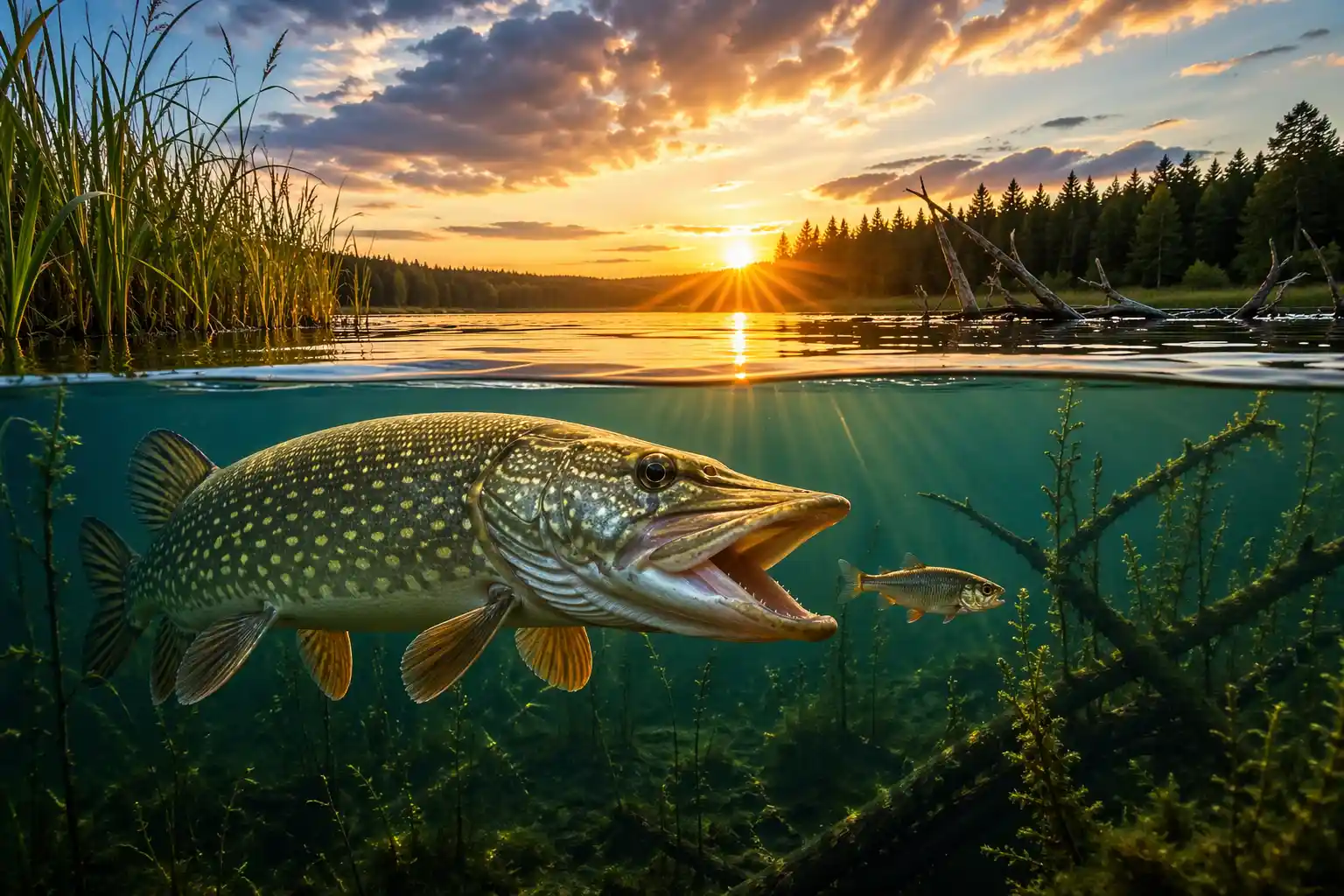
That is why one spot can produce violent strikes at sunrise and feel completely lifeless by midday. The fish are still there. They are just not ready to spend the energy.
Based on years of logbook data and on-the-water testing at Master Fishing Guide: the best sessions happen during short low-light transitions. Sometimes the strongest bite of the day lasts only a 15-minute peak window triggered by a minor environmental shift.
Forget the old “fish early, fish late” cliché. Wind changes, cloud cover, and sudden pressure shifts create feeding periods that matter far more than the clock itself. Big pike respond to these triggers long before most anglers even notice them.
In this guide, we break down the best time to catch pike in summer, the exact morning, evening, and night bite windows, and how to recognize the short moments when a big fish is finally ready to strike.
Best Morning Time to Catch Pike in Summer
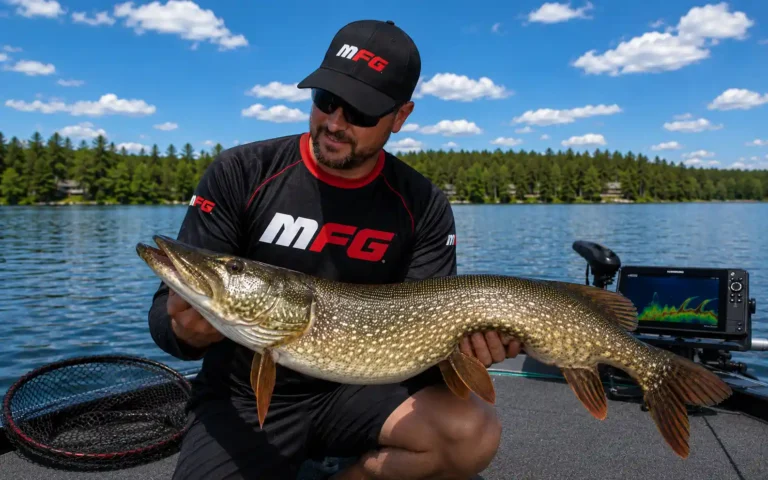
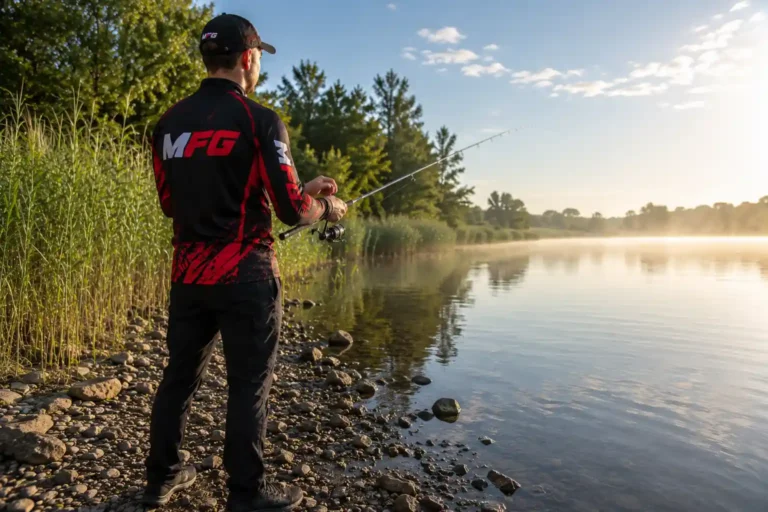
The best morning feeding window for summer pike usually starts before most anglers make their first cast. In hot weather, the strongest bite often happens during first light and the first 30–90 minutes after sunrise, when overnight cooling keeps conditions more stable and baitfish return to active feeding zones.
Overnight, even a small drop in water temperature can create a major feeding trigger. As the surface cools and re-oxygenates, it creates what we call a metabolic reset—a short period where big pike become far more willing to feed before the sun starts heating the upper layer and oxygen stability drops again.
This is when large fish are most willing to move and feed aggressively. The same pike that ignore everything later in the day can become highly active during this short early window—not because the lure changed, but because the conditions finally allow them to spend energy efficiently.
We see this every summer on the water: a spot that feels completely dead at 11:00 AM can produce violent strikes at 5:30 AM in the exact same place. The location did not change. The feeding window did.
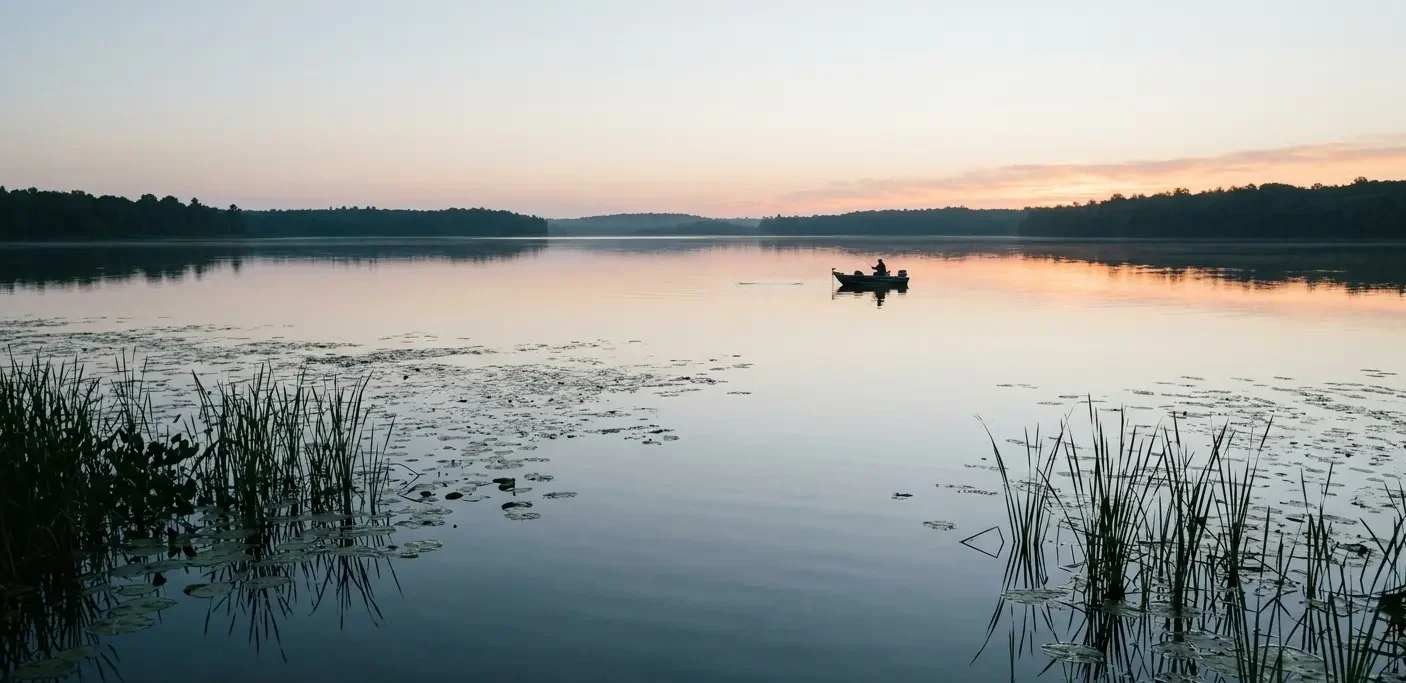
On bright, calm mornings with strong sun, the bite often starts slowing down by 8:00–9:30 AM. During cloudy mornings, light wind, or stable overcast conditions, that activity can extend much longer—sometimes until 10:00–11:00 AM.
Our logbook data consistently shows that on clear lakes, the morning feeding window often closes much faster than on stained or murky systems. More light penetration means fish become cautious earlier, and shallow feeding activity disappears faster than most anglers expect.
This is exactly why understanding where to find pike in summer matters more than constantly changing lures. Morning fish position themselves where feeding is easiest, and if you arrive after the window closes, even the best presentation often feels useless.
The strongest feeding burst is often very short. Sometimes the entire prime bite lasts only 15–20 minutes. That is why your first casts matter more than your fiftieth. Accuracy, timing, and being on the right spot before sunrise often decide the entire session.
If you miss this window, the lake can feel empty. But in reality, you simply arrived after the fish had already finished feeding.
Best Evening Time to Catch Summer Pike Before Dark
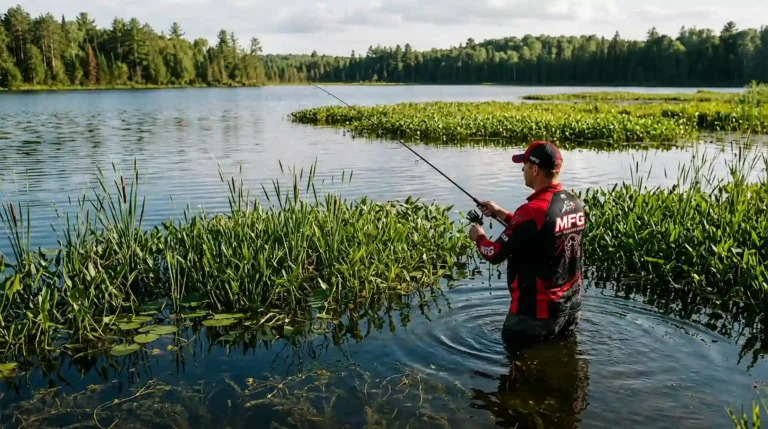
The evening feeding window is often where the biggest summer pike of the day finally make a mistake. As light levels begin to fall and surface temperatures stabilize, fish that stayed inactive through the harsh midday period become far more willing to move and feed.
In most summer systems, the strongest evening bite starts during the last 2–3 hours before sunset, with the final 45–60 minutes before dark often producing the most aggressive strikes. According to our logbook data, this “Golden Hour” is heavily driven by the pike’s low-light visual advantage—their eyes adapt faster to fading light than those of prey fish, giving them a major tactical edge.
We see this pattern constantly: the same fish that followed lazily in the morning often commit much harder in the evening. They are less cautious, baitfish move shallower again, and wind-blown shorelines become stronger feeding zones as prey gets pushed into tighter, oxygen-rich areas.
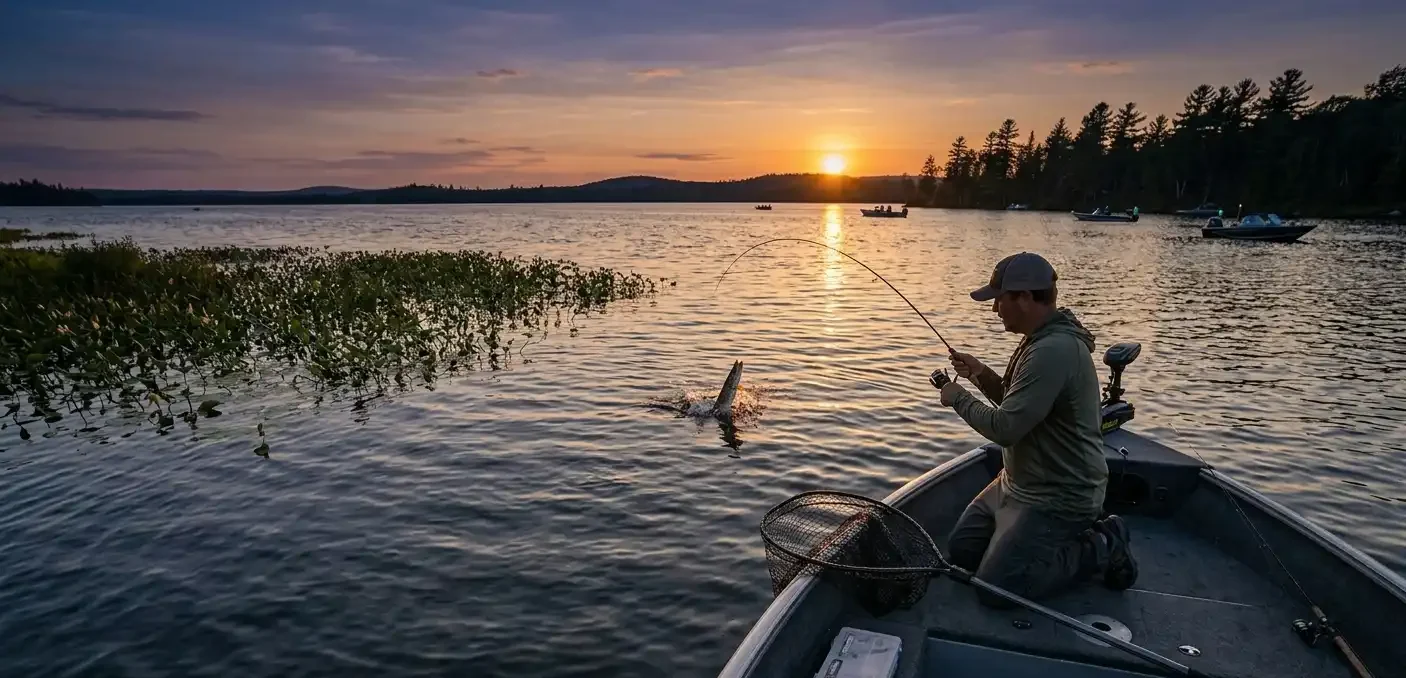
Many of the biggest summer pike are caught during this final hour before dark—not because they suddenly become reckless, but because this is the safest high-reward feeding period of the day. Low light gives them confidence, and stable conditions reduce unnecessary energy loss.
On warm, stable summer days, the evening bite can even outperform the morning window, especially on pressured lakes where fish learn quickly and avoid obvious daylight feeding patterns. Our field testing shows that in many systems, a stabilizing evening wind—or the final calm after sustained wind pressure—often acts as the last trigger that pulls big fish from deep weed edges into the strike zone.
This is why many serious anglers rely on the right spinning rod for pike during summer evening sessions. When a heavy fish hits near weeds in the final light window, strong hook-setting power and control decide everything.
The mistake many anglers make is leaving too early. They fish the afternoon slowdown, see nothing happen, and head home just before the real feeding window opens. In summer pike fishing, that final hour often matters more than the previous five combined.
Best Night Time to Catch Summer Pike During Heatwaves
When summer heat becomes brutal, night fishing often outperforms the entire daytime bite. After several hot, stable days, big pike frequently stop feeding under direct sunlight and wait until darkness gives them cooler water, lower light pressure, and safer hunting conditions.
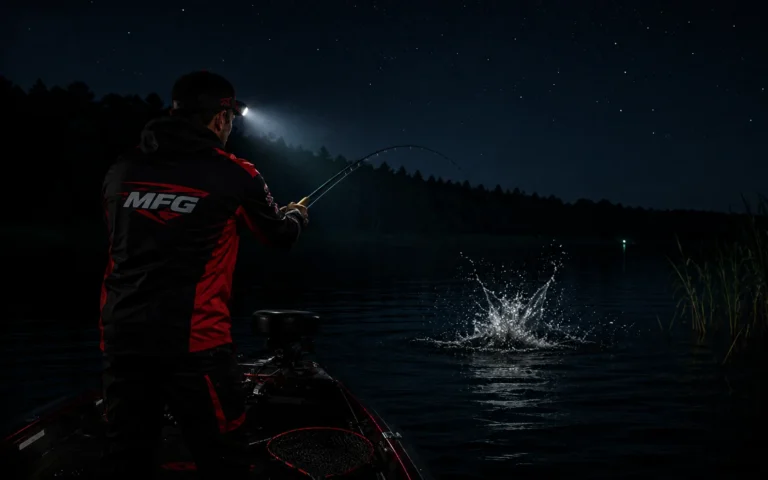
In many systems, the strongest night bite starts during the first 1–3 hours after sunset, especially when the lake has been under a prolonged heatwave. This is when shallow feeding zones come back to life—baitfish move higher, surface temperatures stabilize, and predator fish finally begin to move with confidence.
We see this every summer: fish that completely ignore lures at 2:00 PM can become aggressive by 10:00 PM in the exact same area. The structure did not change. The feeding conditions did.
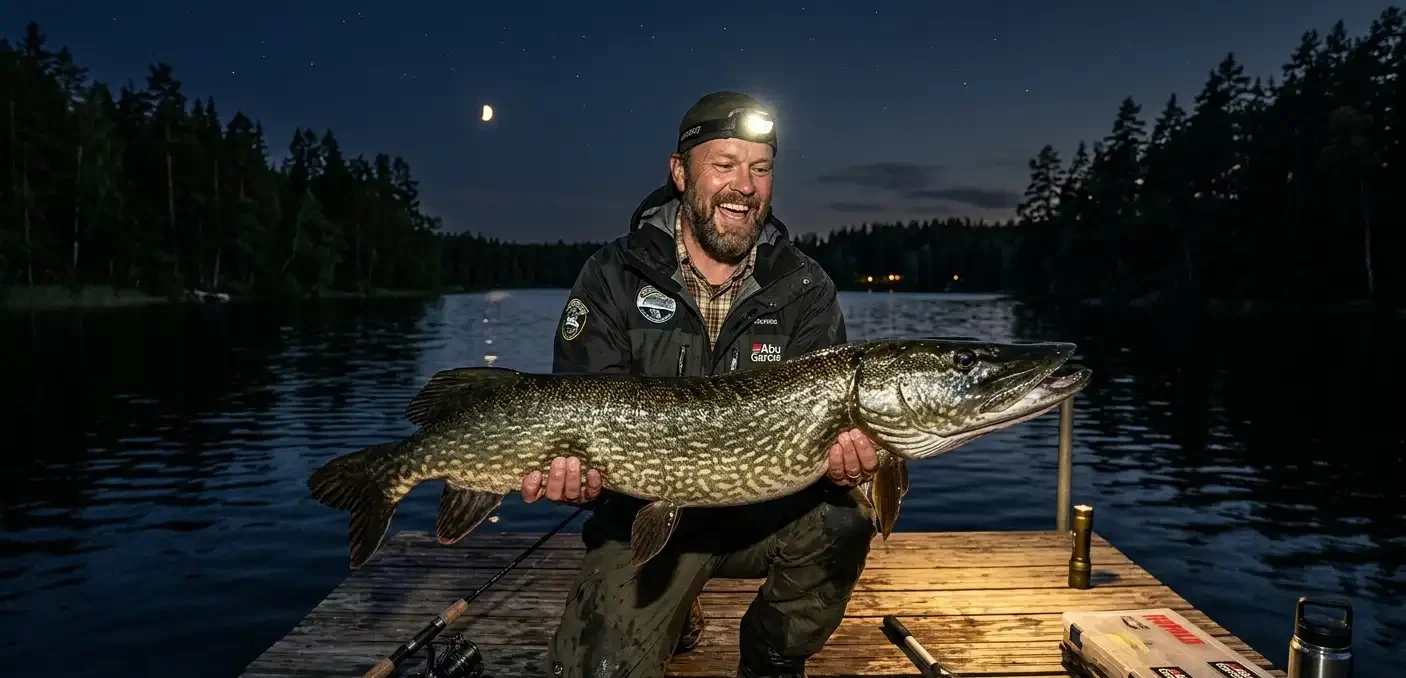
For anglers fishing from shore, this often means your best opportunity comes later than expected. Reed lines, shallow weed edges, marina entrances, and warm bays close to deeper water can become excellent night feeding zones because big pike push surprisingly close to the bank once boat traffic, noise, and direct sun disappear.
For anglers fishing from a boat or kayak, positioning becomes even more important. Using the best fishing kayaks and inflatable boats gives you quiet access to shallow feeding zones, especially during hot summer nights when large pike move into areas that are difficult to reach from shore during daylight hours.
Moonlight helps, but stability matters more. A warm, stable night with light wind often produces better feeding activity than a bright full moon after a major pressure change. Consistency beats visibility.
Many of the biggest summer pike are caught by anglers who stay after sunset while everyone else leaves. The mistake is thinking the session is over when daylight ends—during heatwaves, the real feeding window often starts there.
Why Summer Pike Stop Feeding Midday
Midday is where most summer pike anglers lose confidence. The same area that produced follows and aggressive strikes in the morning suddenly feels empty. Lures stop working, baitfish seem to disappear, and many anglers assume the fish have completely left the zone.
Most of the time, they have not left—they have simply stopped feeding.
Direct sunlight changes everything. As the sun climbs higher, surface water warms faster, oxygen stability drops, and shallow feeding zones become far less comfortable for large predator fish. Pike are built for short, efficient feeding windows—not for wasting energy under harsh summer conditions.
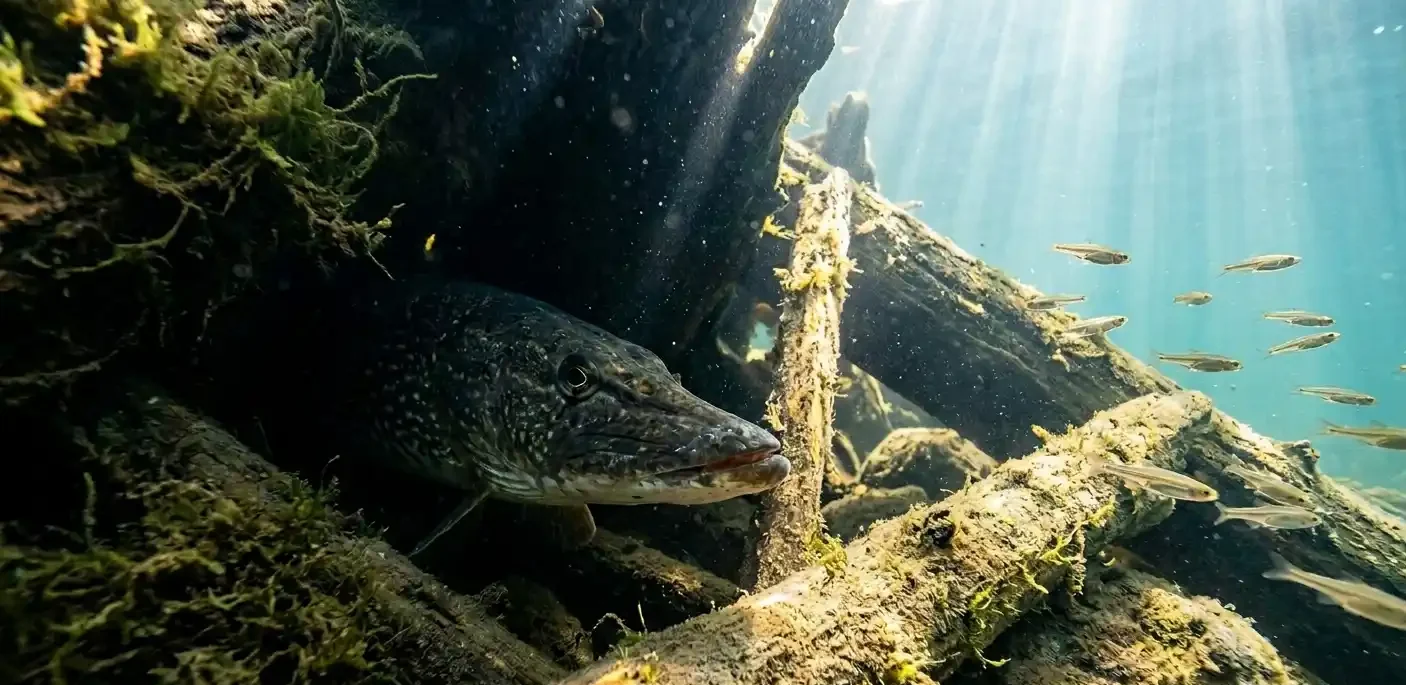
This is especially obvious during heatwaves. Bright sun pushes baitfish away from exposed structure, weed beds lose stability, and shallow water becomes a high-stress zone instead of a feeding zone. Big pike respond by reducing movement and positioning where conditions remain more stable.
One of the clearest midday signs is the “lazy follow.” A big pike tracks your lure all the way to the boat or bank, follows it perfectly, and never opens its mouth. That is not always a bad lure—it is often a fish with no reason to spend energy. When you see that, stop forcing the same presentation and start watching the conditions instead.
We see this mistake constantly: anglers keep changing lures when the real problem is not presentation—it is timing. If the fish have already shut down, a better lure rarely fixes bad conditions.
Sometimes the best midday clue comes from the baitfish, not the pike. If small baitfish suddenly start breaking the surface or scattering without obvious reason, it often signals a short pressure change or oxygen shift. That can open a brief feeding window—sometimes only 10–15 minutes before everything shuts down again.
This is exactly why understanding how deep pike are in summer matters so much. Midday often pushes fish away from easy feeding zones and into more stable holding areas where they can wait without burning unnecessary energy.
If your sonar starts showing surface temperatures pushing past roughly 24°C (75°F), forcing shallow midday fishing usually becomes a losing game. This is where using reliable fish finders and sonar tools becomes critical—reading temperature changes and locating stable zones matters far more than changing lures another ten times.
The biggest mistake is forcing midday to fish like morning. Summer pike do not disappear at noon—they simply stop giving free opportunities. The anglers who understand that stop wasting hours and start planning around the next real feeding window.
Best Time to Catch Pike in Summer: When to Fish and What to Do
| Time / Condition | What It Means | What to Do |
|---|---|---|
| First Light + 30–90 min after sunrise | Strongest shallow feeding window, active fish pushing early | Start early, hit weed edges fast, make your first casts count |
| Bright Midday + Clear Sky | Oxygen drops, fish reduce movement, lazy follows increase | Stop forcing shallow water, wait for clouds or reposition |
| Last 2–3 Hours Before Sunset | Low-light confidence window, bigger fish begin feeding | Focus on wind-blown banks, fish harder, stay until dark |
| First 1–3 Hours After Sunset | Night feeding starts during stable heatwave conditions | Target shallow reed lines, quiet bays, and marina edges |
| Sudden Cloud Cover or Wind Shift | Short pressure trigger can reopen the bite fast | Speed up, cover water, be ready for a 15-minute window |
| Surface Temp Above 24°C / 75°F | Shallow zones become unstable, fish seek better conditions | Trust sonar, stop forcing the bank, follow stable water |
Common Mistakes When Fishing for Summer Pike at the Wrong Time
Most summer pike failures are not caused by bad lures—they come from bad timing decisions. Many anglers blame the wrong bait, the wrong color, or the wrong retrieve, when the real problem is much simpler: they are fishing against the feeding window instead of with it.
The first mistake is arriving too late. During summer, especially on clear lakes, the strongest morning bite often happens before most anglers even launch the boat. We see this constantly—anglers arrive at 8:30 AM, fish until noon, and say the lake is dead. In reality, the best fish already fed between first light and sunrise.
The second mistake is leaving too early. After a slow afternoon, many anglers pack up just before the evening bite begins. Some of our biggest summer pike have come during the final 30 minutes before dark, when the lake looks quiet and most boats are already heading back to the ramp.
The third mistake is forcing midday shallow fishing. When surface temperatures rise and oxygen stability drops, big pike stop giving easy opportunities. Many anglers keep burning shallow weedlines at noon because that spot produced fish in the morning. By midday, those same fish are often holding deeper, tighter to shade, or simply waiting for better conditions.
One of the clearest mistakes we notice is ignoring baitfish behavior. Small baitfish often tell the full story before the pike do. If bait suddenly disappears from the surface, pulls away from shallow weeds, or starts showing nervous short bursts of movement, conditions are changing. Smart anglers watch bait first and lures second.
Another major mistake is overfishing one dead spot. Summer feeding zones burn out much faster than many anglers realize. If you hit the morning window, trigger one big strike, or even lose a fish, that area is often finished for several hours—sometimes for the entire day. Repeated casting, trolling passes, and bad boat positioning kill more bites than lure choice ever will.
We see this especially on pressured lakes: anglers keep throwing at the same visible weed edge because it “looks right,” while the real bite has already shifted with wind direction, shade movement, or a small temperature change. Serious anglers rotate water—they do not sit and hope.
Many anglers also underestimate how important fast control becomes during short feeding windows. When the bite opens for only 15–20 minutes, clean hooksets, fast line pickup, and precise first casts matter more than experimenting with ten different lure colors.
The biggest lesson we have learned at Master Fishing Guide is simple: summer pike reward timing, not stubbornness. The goal is not to fish longer—it is to fish when big pike are actually ready to feed.
FAQ About the Best Time to Catch Pike in Summer
What is the best time to catch pike in summer?
The best time to catch pike in summer is usually during first light, the last 2–3 hours before sunset, and the first 1–3 hours after dark during stable heatwaves. Early morning and late evening are the most reliable because cooler water, lower light, and stronger oxygen stability make big pike far more willing to feed aggressively.
What time do big pike bite best in summer?
Big pike often bite best during short low-light feeding windows—especially 30–90 minutes after sunrise and the final 45–60 minutes before dark. During heatwaves, large fish may shift almost entirely to night feeding and become most active shortly after sunset.
Why do pike stop biting in summer during midday?
Midday sun raises surface temperature, reduces oxygen stability, and makes shallow feeding zones uncomfortable for large predator fish. Instead of chasing lures, pike reduce movement and hold deeper, tighter to shade, or near more stable water until conditions improve again.
Do cloudy days improve the best time to catch pike in summer?
Yes—cloud cover often extends the best time to catch pike in summer by reducing light penetration and keeping fish active longer in shallow feeding zones. Overcast mornings and windy evenings usually produce stronger bite periods than bright, calm bluebird days.
Is night fishing better for big pike during summer heatwaves?
Very often, yes. After several hot stable days, many large pike avoid feeding under direct sun and wait until darkness gives them cooler water and safer hunting conditions. The first 1–3 hours after sunset can become the strongest feeding period of the entire day.
How to Catch More Pike by Fishing at the Right Time
The best summer pike anglers do not simply fish longer—they fish smarter. They understand that success in hot weather is rarely about throwing more lures. It is about recognizing when big fish are actually willing to feed and building the entire session around that short opportunity.
Knowing the best time to catch pike in summer changes everything. Morning windows, evening transitions, and stable night bites consistently outperform random midday casting because they match how pike actually behave in warm water. When oxygen drops, surface temperatures rise, and pressure becomes unstable, big fish stop wasting energy and wait for better conditions.
Timing always beats lure obsession. A perfect lure thrown during a dead window often fails, while an average presentation placed at the right moment can produce the biggest fish of the week.
Summer pike are not hard to catch—they are hard to catch at the wrong time.
Even biological research from Animal Diversity Web confirms that northern pike reduce unnecessary energy expenditure during unstable warm-water periods, which is exactly why the best time to catch pike in summer becomes shorter, sharper, and far more important than most anglers realize.
Stop forcing bad hours. Stop waiting for luck. Watch the baitfish, trust the conditions, and learn to recognize the 15-minute trigger that changes the entire day.
Because in summer, the biggest fish usually do not belong to the angler who stayed the longest—they belong to the one who showed up at exactly the right time.
Join our Master Fishing Guide Facebook Page and share your best summer session—morning strike, sunset trophy, or that one night bite you still remember.