

Best Spring Pike Spinnerbaits (2026): 3 Proven Bladed Lures That Trigger Violent Strikes
Spring pike spinnerbaits become extremely effective once water temperatures begin rising from around 4°C to 8–10°C (39–50°F). During this early warming phase, northern pike leave deeper winter holding zones and start moving toward shallow reed beds, flooded grass, and warming bays where baitfish gather. In these conditions, spinnerbaits often trigger aggressive reaction strikes because the rotating blades create both flash and vibration that pike can detect even in stained spring water.
During early spring pike fishing, predators frequently patrol shallow flats and wind-blown shorelines where baitfish concentrate. Snowmelt, spring runoff, and strong winds often stain the water, reducing visibility. Spinnerbaits excel in these situations because the blades produce strong vibration and flash, allowing pike to locate the lure even when they cannot clearly see it.
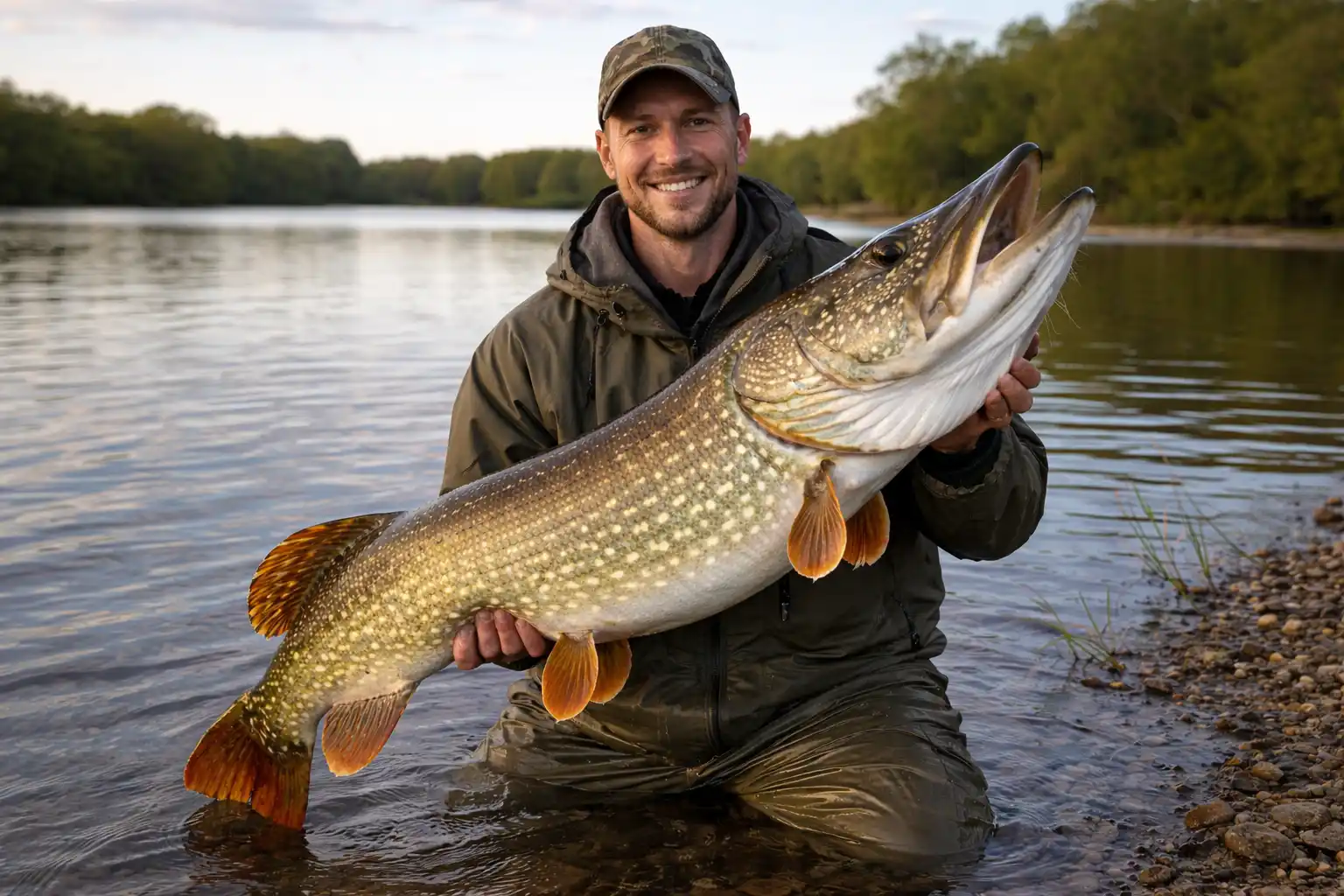
As an Amazon Associate, we earn from qualifying purchases — no cost to you. That’s how we keep this site running. Read more ›
In early spring conditions, we repeatedly noticed that certain spinnerbaits consistently triggered aggressive follows from pre-spawn pike. One pattern that worked especially well was a slow “slow-roll” retrieve along the outer edge of last year’s reed beds. By keeping the lure just above the emerging vegetation and pausing briefly near gaps in the cover, large females often followed and struck within the first few turns of the reel.
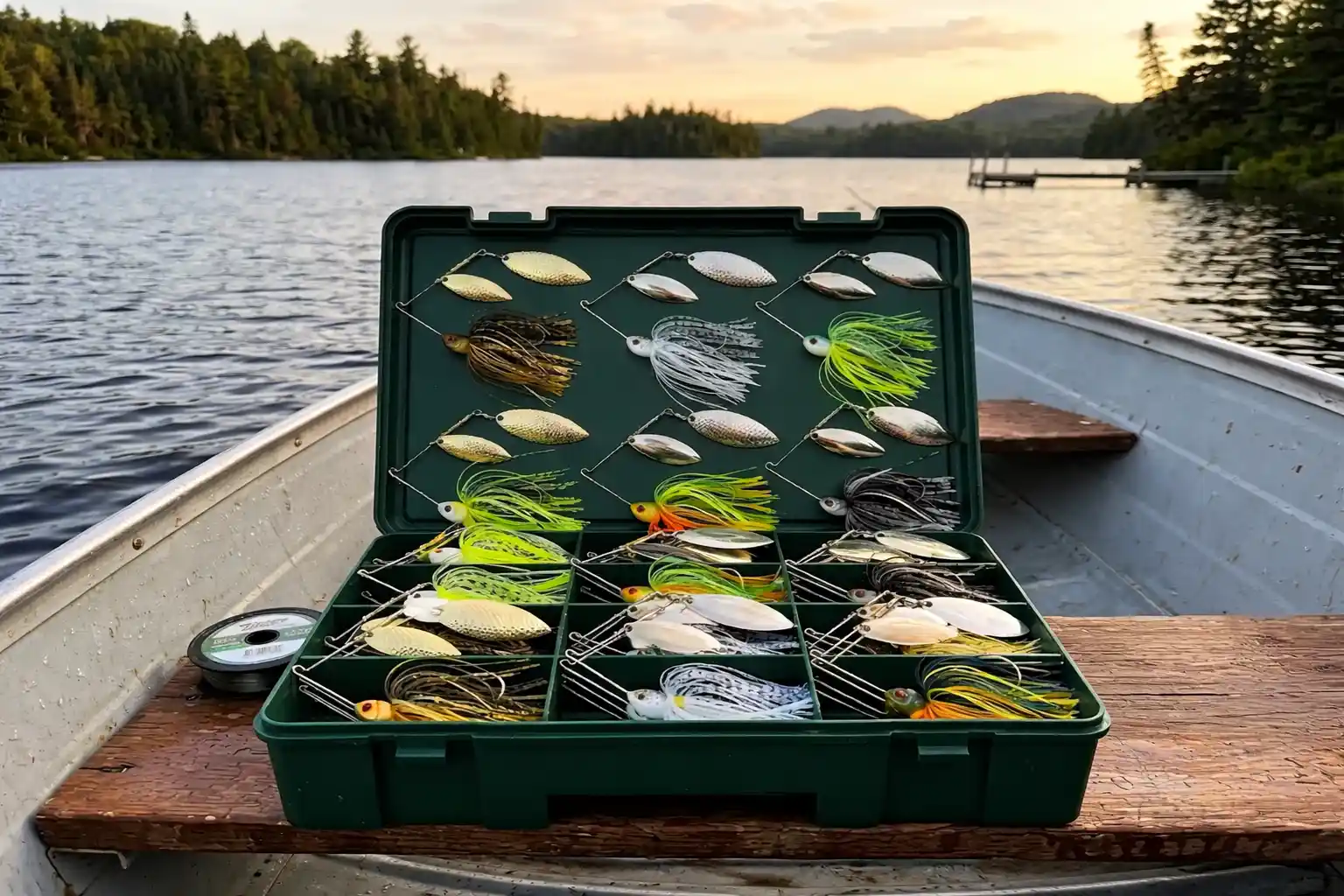
The biggest advantage of spinnerbaits in spring is their ability to move through shallow cover without constantly snagging. The upward hook position and wire frame allow anglers to fish directly through reeds, grass lines, and flooded shoreline vegetation where big pike typically ambush prey during the pre-spawn period. Below are three spinnerbaits that consistently stand out for spring conditions, from natural baitfish colors for clear water to high-visibility patterns designed for muddy or wind-stained lakes.
Quick List: Best Spring Pike Spinnerbaits (2026)
If you are in a hurry, these three proven spinnerbaits consistently trigger spring pike strikes in different water conditions:
- BOOYAH Pikee Spinner-Bait Fishing Lure for Pike and Musky, 1/2 Ounce — heavy-duty spinnerbait designed specifically for northern pike and musky, ideal for covering shallow spring bays and aggressive pre-spawn fish
- Strike King Red Eye Spinnerbait (Chartreuse White) 3/8 oz — high-visibility spinnerbait that excels in muddy or stained spring water where vibration and contrast help pike locate the lure
- War Eagle Custom Lures Spinnerbait — double willow spinnerbait built for clear water conditions where flash and speed trigger reaction strikes from active spring pike
BOOYAH Pikee Spinner-Bait Fishing Lure 1/2 oz — Best Heavy-Duty Spinnerbait for Big Spring Pike (2026)
BOOYAH Pikee Spinnerbait is one of the few spinnerbaits specifically designed for powerful predators like northern pike and musky. While many spinnerbaits on the market are originally made for bass fishing, this model is built to withstand violent strikes, sharp teeth, and the raw power of large spring pike. The reinforced construction and aggressive vibration make it extremely effective during the early-season feeding window.
In early spring, large pike often move into shallow warming bays, reed beds, and flooded grass areas once water temperatures begin rising from roughly 4–6°C (39–43°F) toward 8–10°C (46–50°F). At that stage predators begin hunting again but they usually prefer slow, easy targets rather than chasing fast baitfish. A spinnerbait that produces strong vibration and flash can quickly trigger reaction strikes in those shallow zones.
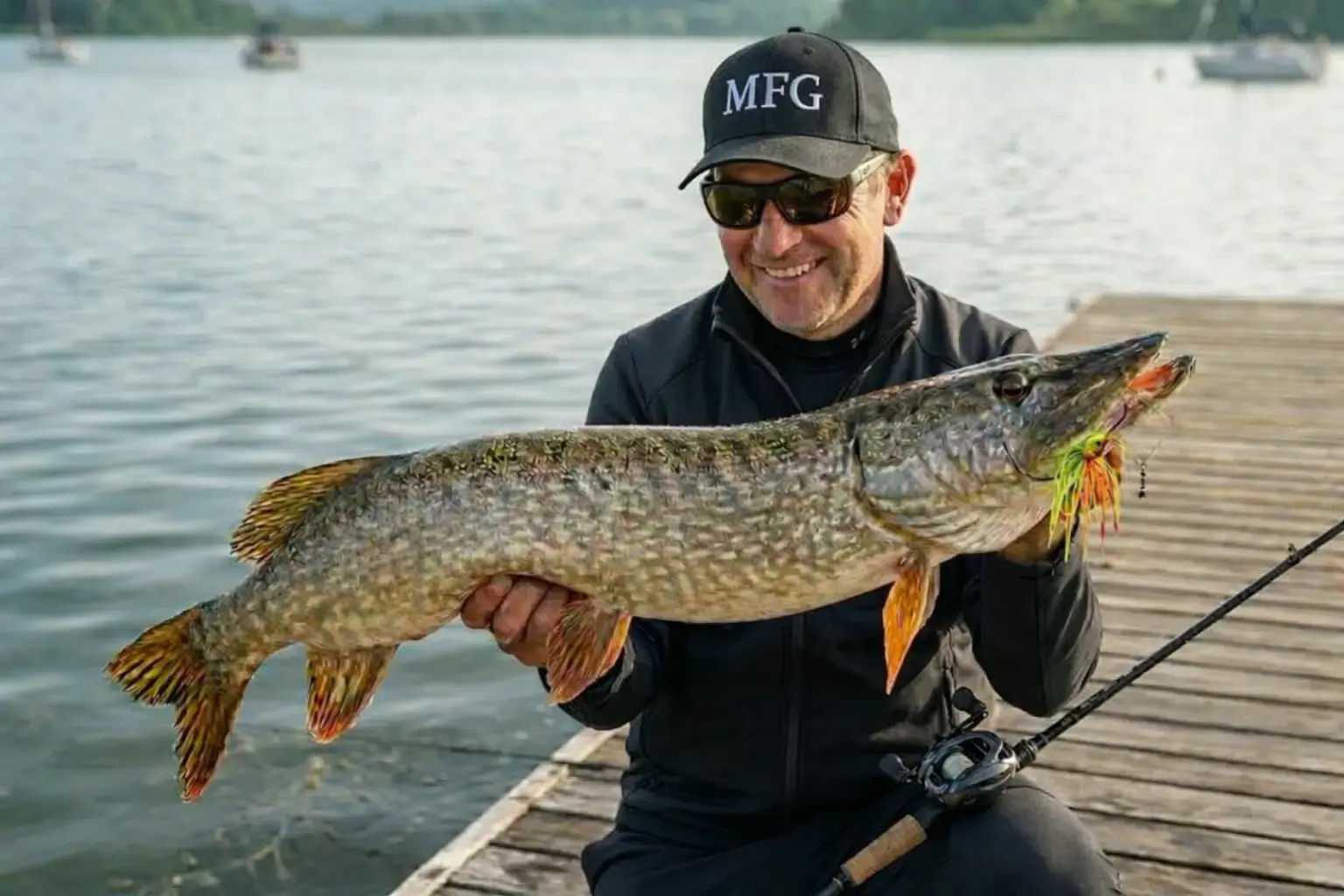
| Specification | Details |
|---|---|
| Weight | 1/2 oz |
| Hook Size | 5/0 premium round bend hook |
| Blade Type | Double Willow |
| Frame | Ultra-tough Vibra-FLX wire frame |
| Skirt | 84-strand silicone skirt |
| Extra Feature | Includes 12-inch steel leader |
One of the biggest advantages of this spinnerbait is the Vibra-FLX heavy-duty wire frame. This reinforced frame creates strong vibration while still remaining flexible enough to produce natural blade movement. For anglers targeting northern pike, durability is critical because large fish often bend or destroy lighter spinnerbaits during aggressive strikes.
The lure also includes an 84-strand silicone skirt that expands and pulses naturally during the retrieve. Combined with the spinning blades, this creates the appearance of a struggling baitfish, which is exactly the type of target pre-spawn pike prefer to ambush. The built-in ball-bearing swivel ensures the blades start rotating immediately, even during slow retrieves early in the season.
How We Fish It in Spring
This spinnerbait works best with a slow “slow-roll” retrieve along shallow weed edges and reed lines. Cast beyond the structure, allow the lure to sink slightly, and retrieve it slowly so the blades rotate steadily. This keeps the spinnerbait just above emerging vegetation where pike often hide before striking.
Another productive method is the classic steady retrieve → brief pause → steady retrieve. That slight change in speed often makes the skirt flare and the blades flash unpredictably, which frequently triggers reaction strikes from following pike.
Where It Excels
The BOOYAH Pikee spinnerbait performs extremely well in shallow spring bays, reed edges, flooded grass, and wind-blown shorelines. These areas concentrate baitfish and provide perfect ambush points for pre-spawn pike. When fished slowly through these zones, the lure often triggers powerful strikes from large females.
Best Colors
Natural baitfish patterns like Perch work extremely well in clearer water. In stained water conditions, brighter colors such as Chartreuse / White help increase visibility and attract aggressive strikes.
Selected Version
We recommend the 1/2 oz version. It provides the ideal balance between casting distance, blade vibration, and control when retrieving over shallow spring structure.
The BOOYAH Pikee Spinnerbait is one of the most reliable heavy-duty spinnerbaits when targeting large spring pike. Its durable frame, strong hook, and powerful blade action make it an excellent choice for anglers searching shallow water for aggressive predators.
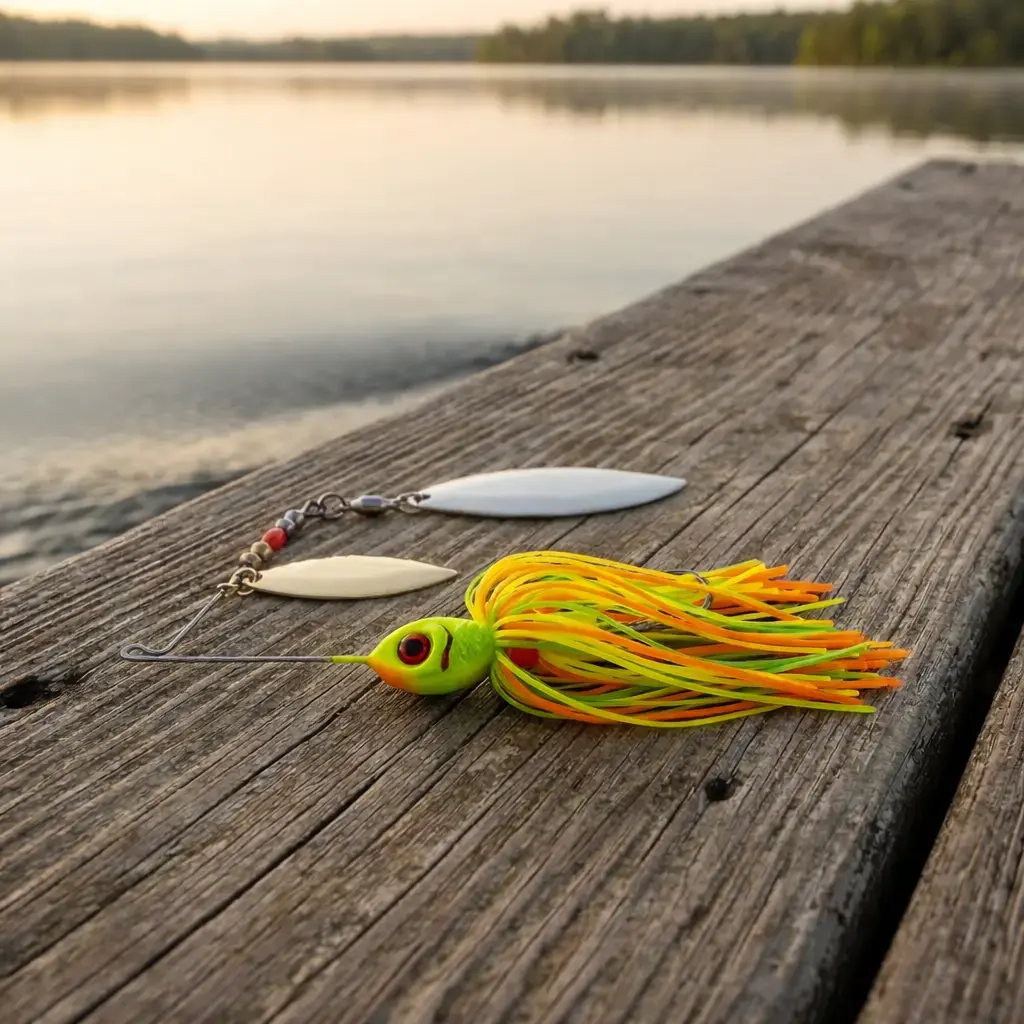
Strike King Red Eyed Special Spinnerbait 3/8 oz — Best Spinnerbait for Spring Pike in Stained Water (2026)
Strike King Red Eyed Special Spinnerbait is a classic spinnerbait known for its strong vibration and reliable blade action. While originally designed for bass fishing, many experienced anglers have discovered that this lure works extremely well when targeting spring pike in stained or slightly muddy water.
During early spring, northern pike often move into shallow bays, flooded grass, and reed beds where visibility is reduced. In these situations, predators rely less on sight and more on vibration to locate prey. Spinnerbaits excel in these conditions because the rotating blades produce strong flash and vibration, allowing pike to track the lure even when they cannot clearly see it.
| Specification | Details |
|---|---|
| Weight | 3/8 oz (0.375 oz) |
| Color | Chartreuse / White |
| Material | Stainless Steel Frame |
| Type | Spinnerbait |
| Best Use | Spring pike in stained or muddy water |
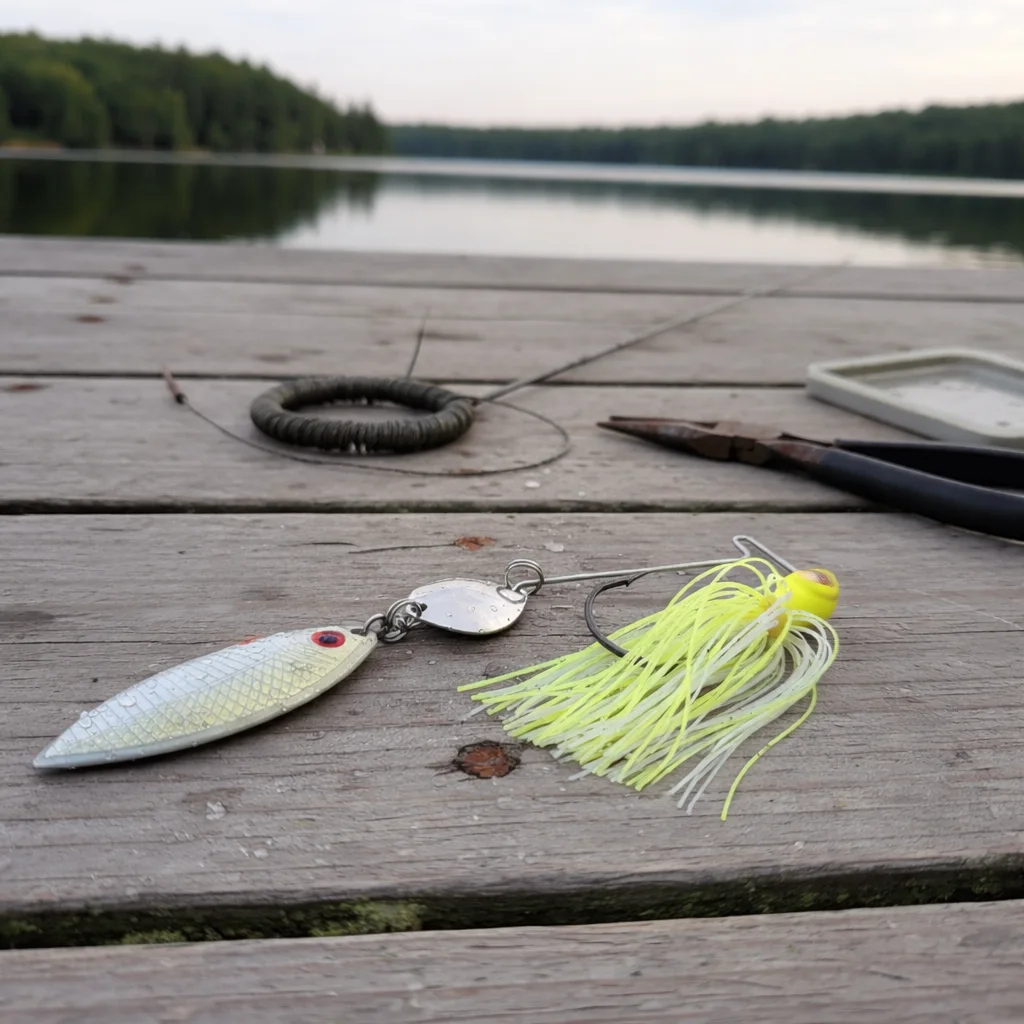
One reason anglers trust this lure is the strong contrast of the Chartreuse / White skirt. In low-visibility water, bright colors help predators detect the lure from a greater distance. Combined with spinning blades, the lure creates a visual and vibration signal that pike can easily track through cloudy water.
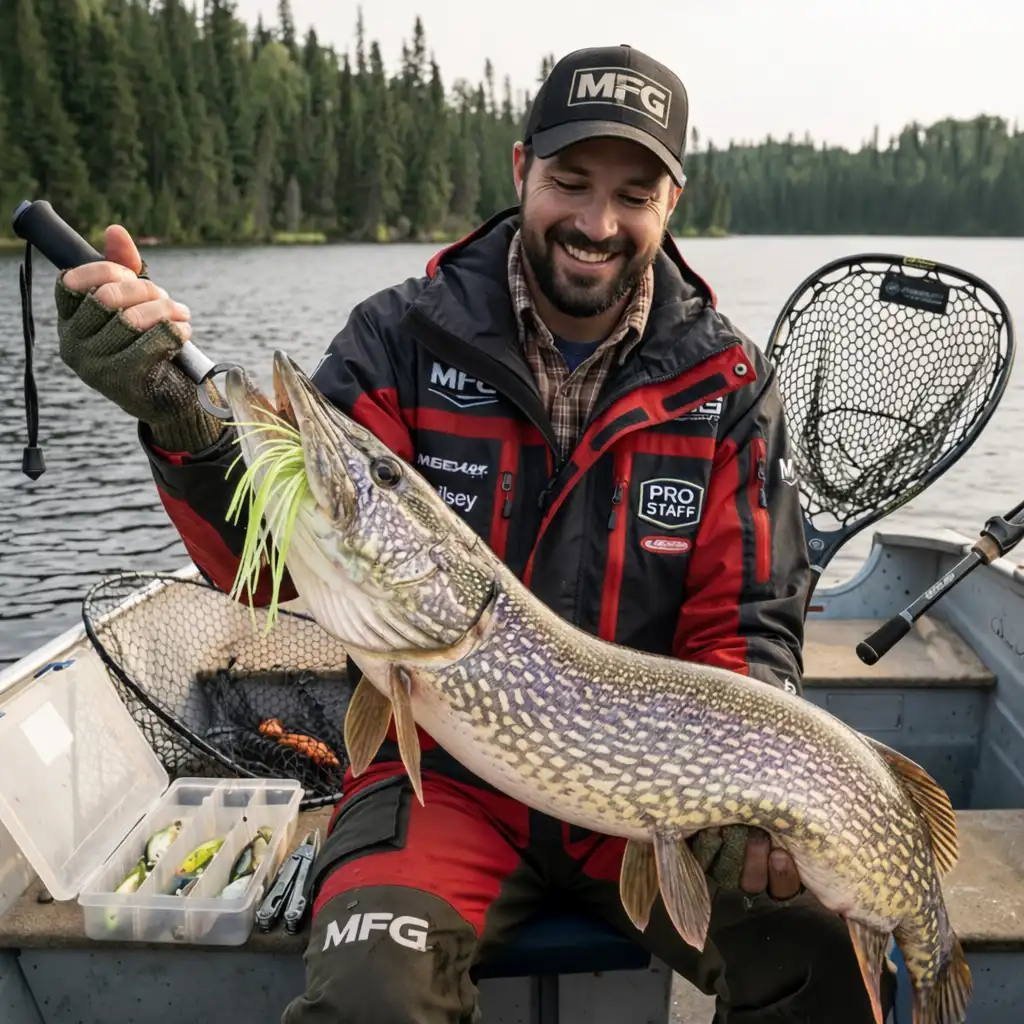
During several spring sessions the MFG Team noticed that pike often follow a spinnerbait for several meters before striking. A lure that stays stable and keeps its blades rotating at slow speed often triggers those delayed attacks. The Red Eyed Special performs well in this situation because the blades begin spinning quickly and remain stable during slow retrieves.
How We Fish It in Spring
The most effective technique is the classic slow-roll retrieve. Cast the lure beyond the structure, allow it to sink slightly, and retrieve it slowly so the blades rotate just above weeds or grass. This keeps the spinnerbait directly in the strike zone where pike are waiting in ambush.
Another productive pattern is steady retrieve → slight pause → resume retrieve. That short pause allows the skirt to flare and the blades to flash differently, which often triggers a reaction strike from following fish.
Where It Excels
This spinnerbait performs best in stained lakes, muddy river backwaters, and wind-stirred shallow bays. These areas often reduce underwater visibility, making vibration-based lures extremely effective for locating active pike.
Best Colors
The Chartreuse / White version is one of the most productive colors for spring pike fishing because it remains highly visible even in cloudy water conditions.
Selected Version
We recommend the 3/8 oz (0.375 oz) version. It offers an excellent balance between casting distance and controlled retrieve speed, making it ideal for fishing shallow spring areas.
The Strike King Red Eyed Special spinnerbait is a reliable choice when targeting spring pike in stained water conditions. Its strong vibration, bright skirt color, and stable blade action make it a consistent lure when visibility is limited.
WAR Eagle Spinnerbait 1/2 oz — Best High-Flash Spinnerbait for Clear Water Spring Pike (2026)
WAR Eagle Spinnerbait is one of the most recognized high-flash spinnerbaits used by anglers when predators are feeding in clear water. Unlike heavier spinnerbaits designed for muddy conditions, this lure focuses on maximum blade flash and a compact frame built for faster retrieves. That combination makes it extremely effective when spring pike begin actively hunting baitfish.
During mid-spring, once water temperatures reach roughly 8–12°C (46–54°F), northern pike often become far more aggressive than they were earlier in the season. At that stage they begin chasing baitfish across shallow flats, rocky shorelines, and open-water edges near spawning bays. In clear water especially, predators rely heavily on sight to track prey, which means a spinnerbait producing strong flash can trigger reaction strikes even from several meters away.
| Specification | Details |
|---|---|
| Weight | 1/2 oz |
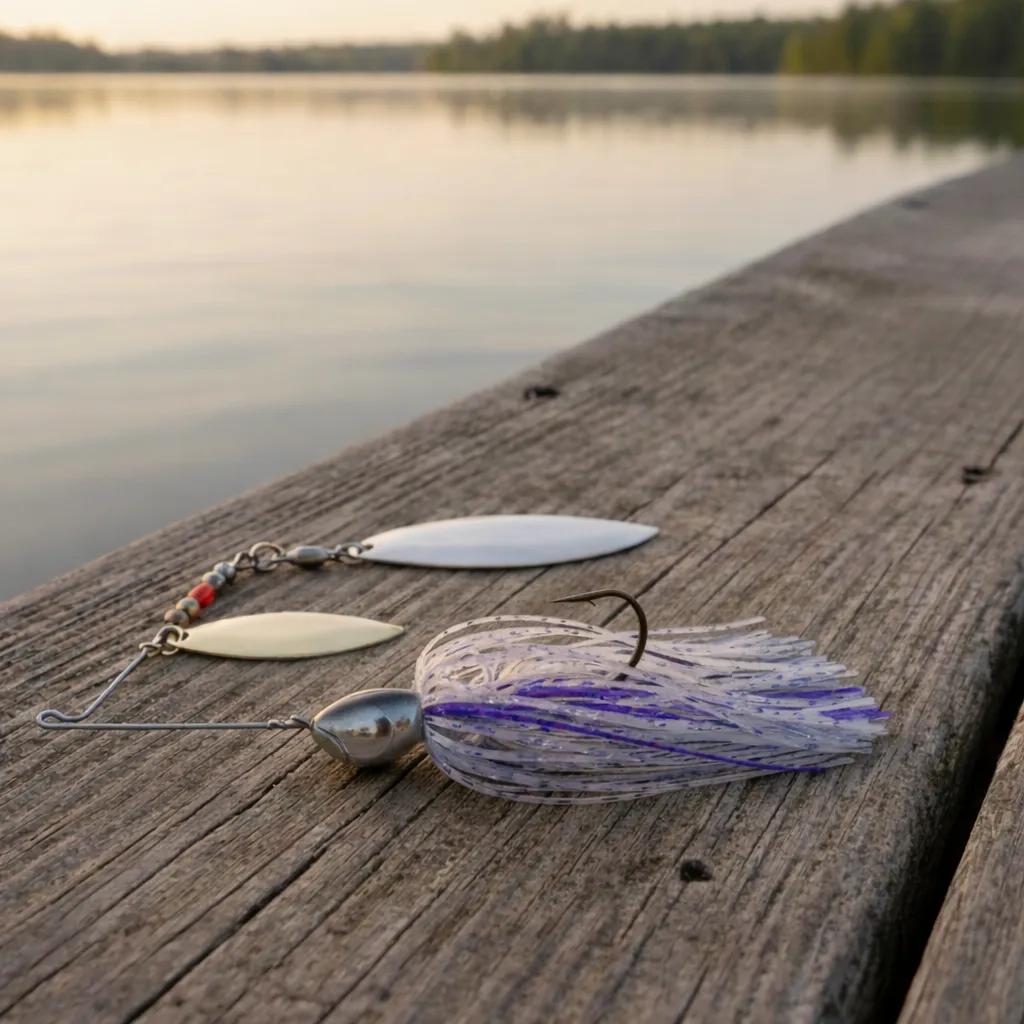
| Color | Purple Shad |
| Style | Spinnerbait |
| Construction | Premium craftsmanship with compact frame |
| Best Use | Clear water and aggressive spring pike |
One reason anglers trust this spinnerbait is its compact and streamlined design. Because the lure has less drag than bulkier spinnerbaits, it can be retrieved faster while still keeping the blades spinning cleanly. This allows anglers to cover large areas of water quickly when searching for active pike.
Another major advantage is the intense blade flash. In clear lakes predators often detect prey visually from a distance. When the spinning blades reflect sunlight through the water column, the lure creates a flashing signal that mimics a fleeing baitfish. Many strikes occur suddenly when a pike rushes in from the side to intercept the flashing blades.
How We Fish It in Spring
This spinnerbait performs best with a moderate to fast retrieve. Cast across shallow flats, rocky banks, or the outside edges of emerging weeds and retrieve the lure quickly enough to keep the blades spinning aggressively. Because of its compact profile, the lure remains stable even when retrieved faster than typical spinnerbaits.
Another productive approach is the classic burn-and-pause retrieve. Retrieve the lure quickly for several meters and then briefly slow down the retrieve before accelerating again. That sudden speed change often makes the spinnerbait look like a fleeing baitfish, which frequently triggers reaction strikes from following pike.
Where It Excels
The WAR Eagle spinnerbait performs extremely well in clear lakes, rocky shorelines, shallow flats, and open-water edges near spawning areas. These locations allow predators to visually track the lure, making the strong blade flash extremely effective at triggering strikes.
Best Colors
The Purple Shad color works extremely well in clear water because it closely resembles the natural tones of common baitfish such as small roach, shiners, or juvenile perch. Natural baitfish patterns often outperform bright colors in clear lakes where predators rely heavily on sight.
During our spring sessions we noticed that Purple Shad performs especially well on sunny days in clear water. Sunlight penetrating the water column amplifies the flash of the spinnerbait blades while the darker skirt creates a realistic baitfish silhouette. This combination often triggers reaction strikes even from several meters away when pike are actively hunting along shallow flats and rocky banks.
Selected Version
We recommend the 1/2 oz version. This weight provides the perfect balance between casting distance and retrieve control, allowing anglers to fish both shallow flats and slightly deeper edges effectively.
The WAR Eagle spinnerbait is an excellent choice when targeting aggressive spring pike in clear water conditions. Its compact design, intense blade flash, and ability to be retrieved quickly make it ideal for covering water and triggering reaction strikes.
Best Rods and Reels for Spring Pike Spinnerbait Fishing
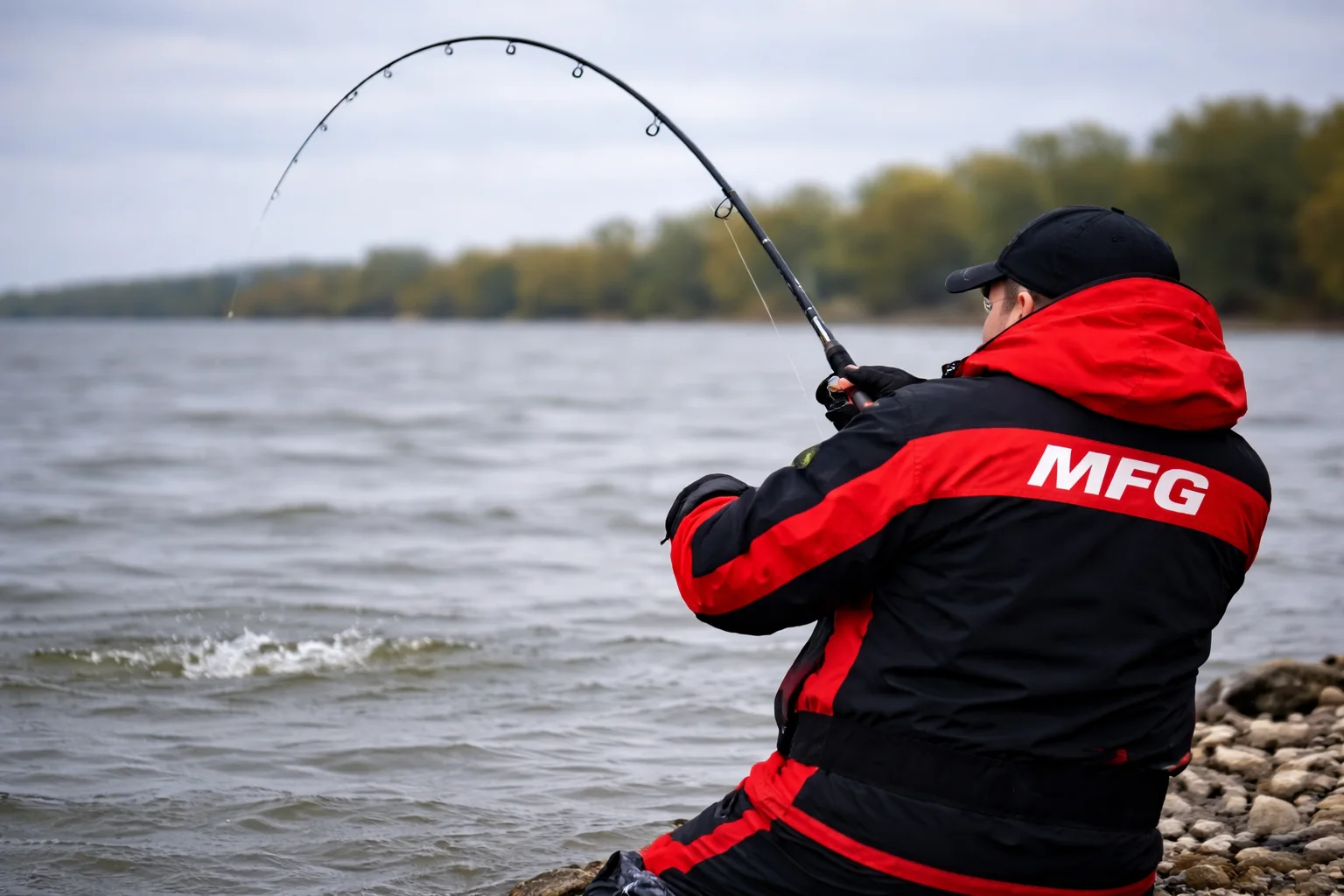
Spinnerbait fishing for spring pike works best with medium-heavy spinning or baitcasting gear. Because spinnerbaits create constant resistance in the water, anglers need a rod with enough backbone to control large fish while still allowing accurate casts along reed edges and shallow structure.
Many anglers prefer rods designed specifically for predator fishing. If you want to explore the best setups in detail, see our guide to best spring pike rods, where we tested several rod models for casting heavy lures in shallow water.
A rod around 7–7.5 ft (2.1–2.3 m) with Medium Heavy power and Fast action is usually the most versatile option. This setup provides enough strength to handle aggressive strikes while still maintaining good lure control during slow retrieves.
For reels, smooth retrieve and strong drag are essential. A reliable fishing reel helps maintain consistent blade rotation during slow-roll retrieves and allows anglers to fight large pike without losing control near shallow structure.
Balanced gear makes spinnerbait fishing far more effective. A rod with strong backbone, a smooth reel, and the right retrieve speed allow anglers to keep spinnerbaits running perfectly through reeds, flooded grass, and shallow bays where spring pike hunt.
Common Mistakes When Fishing Spring Pike Spinnerbaits
Even the best spinnerbait will fail if the presentation is wrong. Many anglers struggle with spring pike spinnerbaits not because the lure is ineffective, but because small mistakes in retrieve speed, lure placement, or hook timing reduce the chances of a strike. To maximize your success during the early spring season, keep these three common mistakes in mind.
Retrieving the Spinnerbait Too Fast
One of the most common mistakes is retrieving spinnerbaits too quickly in cold spring water. Early in the season water temperatures often remain between 4–8°C (39–46°F), and northern pike are usually less willing to chase fast-moving prey. A spinnerbait that moves too quickly often passes through the strike zone before the fish commits.
A slow, steady retrieve that keeps the blades turning just above vegetation is usually far more effective. This presentation keeps the lure in the strike zone longer and allows pike to track it before attacking.
Fishing Too Far Away from Cover
Spring pike rarely hold in completely open water. During the pre-spawn period they typically position themselves close to structure such as reed beds, flooded grass, shallow weed edges, or wind-blown shorelines where baitfish concentrate.
Spinnerbaits perform best when retrieved directly along these ambush zones. Casting too far away from cover often reduces the chances of a strike because the lure never enters the area where pike are actively waiting for prey.
Setting the Hook Too Early
Pike often follow a spinnerbait for several meters before striking. Many anglers react too quickly when they see the flash of a fish behind the lure and attempt to set the hook immediately.
Instead, wait until the rod begins to load or you feel the full weight of the fish. Allowing that brief moment before the hook-set usually results in far better hook penetration and fewer missed fish.
Avoiding these simple mistakes can dramatically improve your results when fishing spring pike spinnerbaits. Proper retrieve speed, accurate lure placement near cover, and patient hook-sets often make the difference between missed follows and successful strikes.
When Spring Pike Spinnerbaits Outperform Other Lures
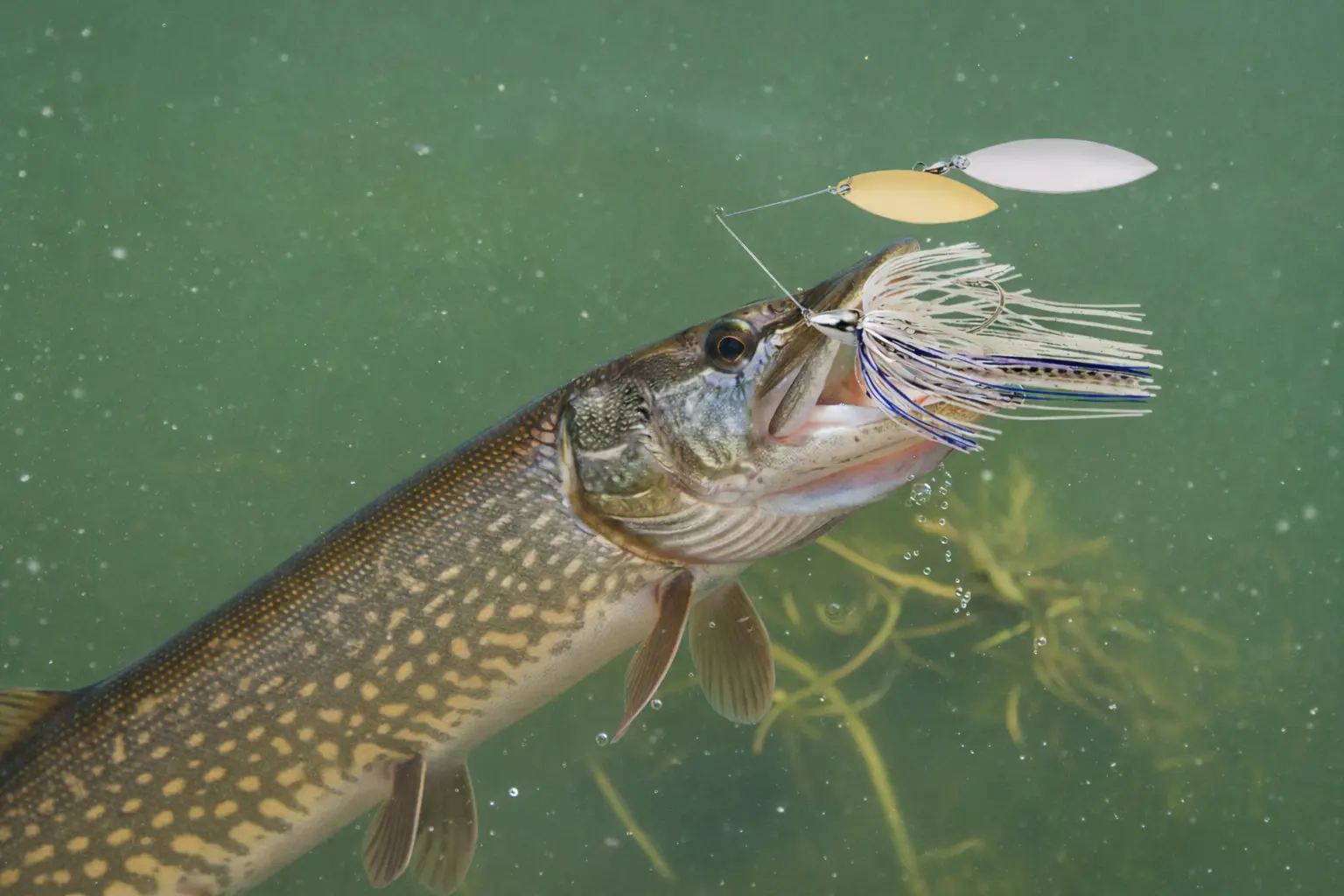
Spinnerbaits are especially effective for northern pike because they combine vibration, flash, and a weedless design in a single lure. The rotating blades create strong underwater pulses that predators detect through their lateral line, while the flashing metal attracts attention even in stained or wind-disturbed spring water.
During this seasonal transition predators often respond strongly to vibration and flash. The rotating blades of a spinnerbait create both visual signals and underwater vibration, allowing pike to locate the lure even when spring runoff or wind slightly reduces water visibility.
Understanding spring pike behavior also explains why reaction lures become so productive during this period. As pike begin patrolling warming flats and shoreline cover before spawning, fast-moving lures like spinnerbaits can suddenly trigger aggressive strikes.
While spinnerbaits are extremely effective in these conditions, they are only one part of a complete lure selection. For more proven options used during the season, see our guide to best spring pike lures.
Spring pike fishing can change quickly depending on temperature, wind, and baitfish activity. Keeping a spinnerbait ready allows anglers to react instantly when predators begin actively hunting in shallow water.
Share your catches with the MFG community!
If you catch a big pike using one of these spinnerbaits, send us your photo through our Master Fishing Guide Facebook Page.
Spring Pike Spinnerbaits FAQ
Do spring pike spinnerbaits really work for northern pike?
Yes, spring pike spinnerbaits can be extremely effective once water temperatures begin rising above about 4–6°C (39–43°F). During this period northern pike move toward shallow bays, reed beds, and flooded vegetation where baitfish gather. The rotating blades create both vibration and flash, which often trigger aggressive reaction strikes even when spring water is slightly stained.
What size spinnerbait is best for spring pike?
Most anglers get the best results with spinnerbaits in the 3/8 oz to 1/2 oz range. These sizes provide the right balance of casting distance, blade vibration, and depth control when fishing shallow spring structure such as reed edges, flooded grass, and warming bays where pike ambush prey.
When should you use spring pike spinnerbaits?
Spring pike spinnerbaits work best when wind, stained water, or active shallow fish make vibration and flash more important. They are especially effective during short feeding windows when pike begin patrolling shallow cover and reacting aggressively to moving lures.
What colors work best for spring pike spinnerbaits?
Natural baitfish colors usually perform best in clear water, while brighter colors work better in stained conditions. Patterns such as perch, silver, or purple shad are strong options in clear lakes, while chartreuse and white often stand out better in muddy or wind-stained spring water.
How do you retrieve spring pike spinnerbaits?
The most consistent retrieve is usually a slow-roll presentation along shallow cover. Cast beyond the target area, let the spinnerbait sink slightly, and retrieve it slowly enough to keep the blades turning just above weeds or reeds. A brief pause or speed change often triggers a strike from following pike.
Are spinnerbaits better than other spring pike lures?
Spinnerbaits are not always better than every other lure, but they are one of the most reliable choices in stained water and around shallow cover. Their weed-resistant design, strong vibration, and ability to cover water quickly make them especially valuable during unstable spring conditions.