


Spring Pike Fishing from a Boat: Positioning, Casting Angles & Strike Control Guide
Spring pike fishing from a boat is where most anglers either unlock consistent success—or completely miss the bite. As water temperatures begin to rise and pike transition out of winter patterns, their behavior becomes highly location-dependent, movement-driven, and extremely sensitive to positioning mistakes. This is exactly where spring pike fishing from a boat gives anglers a massive advantage—if they know how to use it.
Unlike shore fishing, spring pike fishing from a boat allows full control over angles, distance, and presentation speed. But that control also creates a problem: most anglers position their boat wrong, cast from ineffective angles, and unknowingly push fish out of the strike zone before the lure even gets a chance to work. The result is simple—fewer follows, fewer strikes, and missed feeding windows.
During early and mid-spring, northern pike are not randomly scattered. They move through predictable zones—shallow warming areas, transition edges, and staging routes leading toward spawning grounds. In spring pike fishing from a boat, you are no longer guessing where fish might be. You are actively controlling how you approach those zones.
Most anglers don’t lose pike because of the lure—they lose them because of positioning mistakes. It’s not just about choosing the right lure—it’s about how your boat is positioned relative to structure, how your casts enter the strike zone, and how long your lure stays in front of the fish. A small adjustment in boat angle can mean the difference between a following fish and a committed strike.
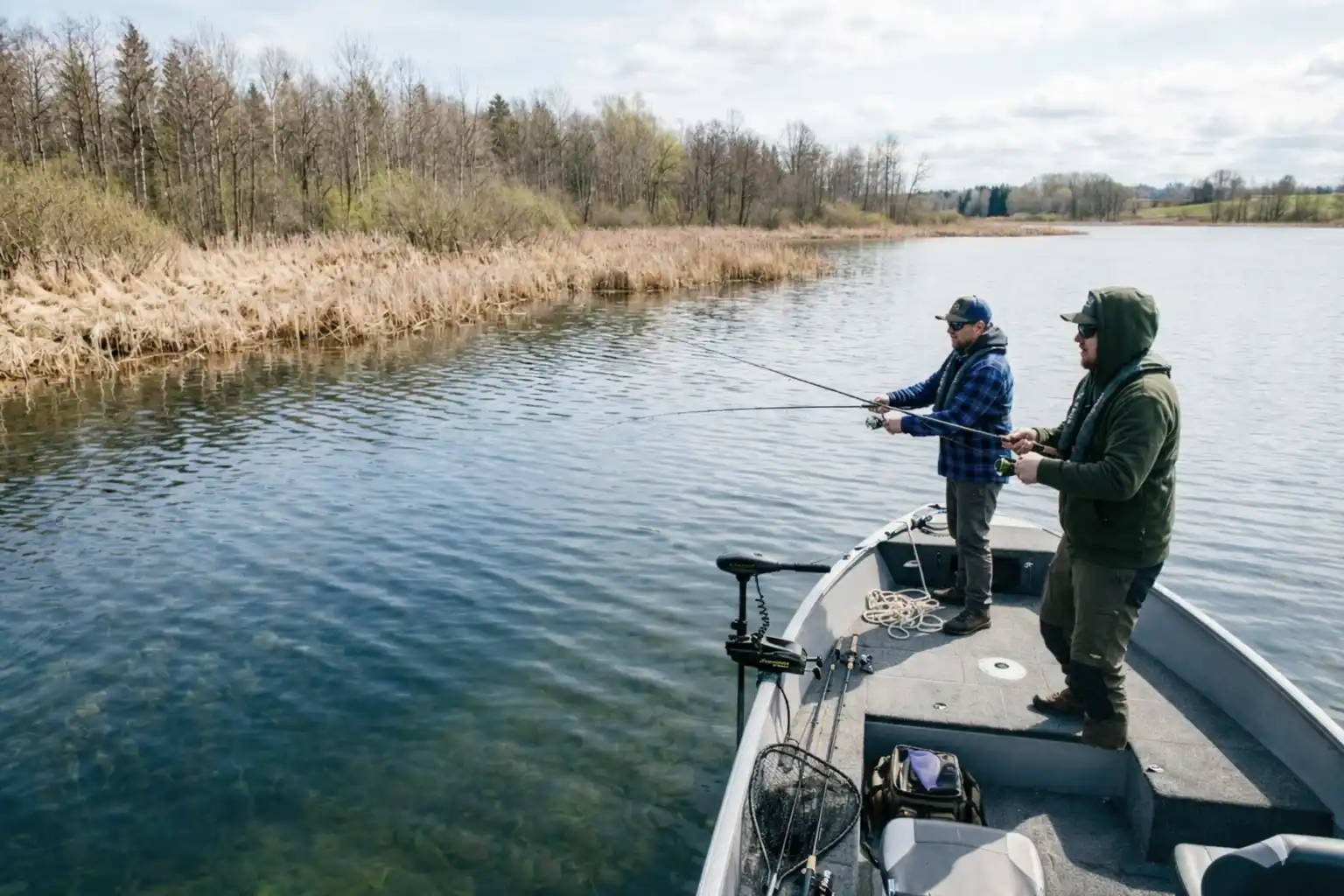
Field insight from the water: during one early spring session in shallow 1.5–2 m (5–6.5 ft) warming bays, we approached a visible pike from the wrong angle—casting directly over the fish instead of along the edge. The fish didn’t spook instantly, but slowly drifted off the spot before reacting. On the next drift, we repositioned the boat to cast parallel to the structure, keeping the lure in the strike zone longer—and the same type of fish committed within seconds. This single adjustment confirmed how sensitive spring pike fishing from a boat is to casting angles and boat pressure in shallow water.
At Master Fishing Guide, these patterns come from real on-water sessions across multiple spring conditions—from cold 4–6°C (39–43°F) staging periods to aggressive 8–10°C (46–50°F) pre-spawn windows. In every scenario, one pattern remained consistent: boat positioning and casting control determine success more than lure choice alone.
If your boat positioning is wrong, everything else becomes irrelevant. In this guide, you’ll learn exactly how to position your boat, how to choose the correct casting angles, and how to maintain control inside the strike zone throughout the entire spring season. These are the details most anglers ignore—but they are exactly what separates random catches from consistent results in spring pike fishing from a boat.
Spring Pike Fishing from a Boat: 5 Positioning Tricks That Trigger Bites
- Maintain Distance: In spring pike fishing from a boat, stay off the target zone and cast into it to avoid spooking fish in shallow water.
- The Parallel Rule: Cast parallel to structure and weed lines to keep your lure in the strike zone longer.
- Overshoot the Target: Cast past the holding spot so your lure stabilizes before it reaches the fish.
- Drift Management: Control boat movement with small adjustments to avoid passing through the strike zone too fast.
- Wind Alignment: Position the boat so the wind pushes you along the structure, not away from it.
Spring Pike Fishing from a Boat: Why Boat Positioning Is the Biggest Advantage
In spring pike fishing from a boat, positioning is not a small detail—it is the entire foundation of success. Most anglers focus on lure choice or retrieve style, but those factors only matter after the boat is already in the right place. If positioning is wrong, the lure either misses active fish completely or leaves the strike zone too fast to trigger a reaction.
Spring pike move along specific routes between deeper winter areas and shallow feeding zones. These movements follow structure, depth changes, and warming water. Understanding spring pike locations means knowing where those routes actually exist before making a cast in spring pike fishing from a boat.
The real advantage of spring pike fishing from a boat is control over approach angle. From the bank, casts are limited. From a boat, you can line up parallel to structure, hold on transition edges, and keep the lure moving through the strike zone instead of cutting across it.
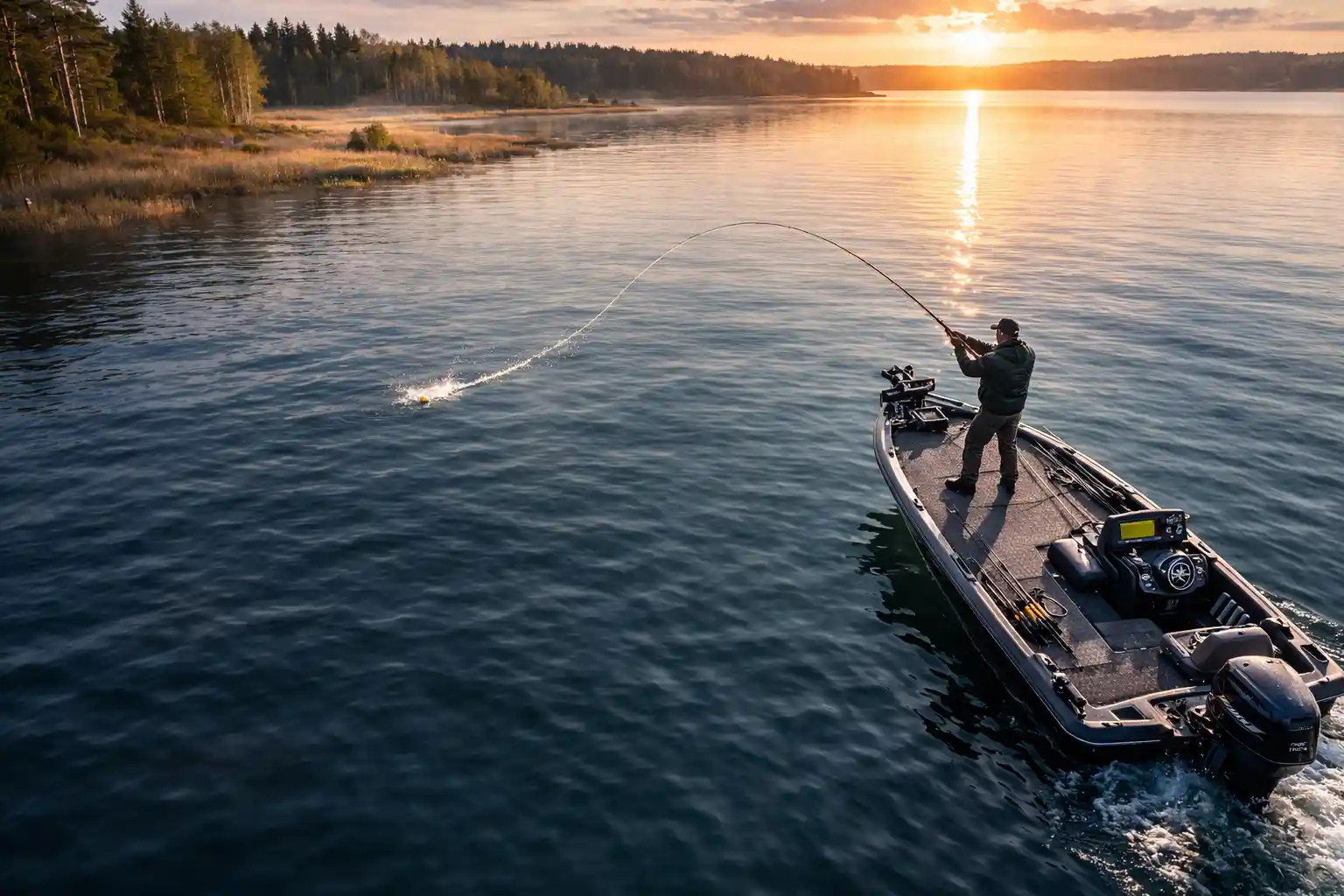
If your boat positioning is wrong, the fish never even gets a chance to react. Most anglers position too close or directly over the fish. In shallow spring water—especially 1–3 m (3–10 ft)—that pressure is enough to shut fish down before the presentation even starts. Boat shadow, noise, and casting direction all affect how long a fish stays in position.
Correct positioning in spring pike fishing from a boat creates three measurable advantages:
- Longer lure exposure inside the strike zone – the bait stays in front of the fish instead of passing too quickly
- Efficient casting angles – the lure tracks naturally along structure, not across it
- Lower pressure on fish – the presentation reaches the fish before the boat does
On the water, the difference shows immediately: when positioning is correct, pike react faster and commit earlier. When positioning is off, you often get no signal at all—no follows, no hesitation, nothing.
Boat positioning controls whether your lure ever reaches an active fish. In spring pike fishing from a boat, once that is dialed in, every other factor—lure, retrieve, timing—starts working in your favor.
Where to Position Your Boat in Spring (Shallow Water, Edges & Transition Zones)
In spring pike fishing from a boat, where you position yourself determines whether you are casting into active water—or completely missing fish. Spring pike are not spread evenly across a lake or river. They hold in specific zones where temperature, depth, and structure create the right conditions for feeding.
These zones usually fall into three categories: shallow warming water, structural edges, and transition routes. Each of them plays a different role depending on the stage of spring, but all of them are connected through pike movement.
Shallow water is the first key zone. Areas between 1–2.5 m (3–8 ft) warm faster than the rest of the system, especially on sunny days with low wind. These zones attract baitfish first, and pike follow. The mistake most anglers make is positioning the boat directly inside these shallow areas. A better approach is to stay slightly deeper and cast into the shallows, keeping distance while covering active fish.
Edges are the second critical zone. These are the lines where shallow water drops into deeper sections—often from 2 m down to 4–6 m (6–20 ft). Pike use these edges as ambush points and staging areas. Positioning your boat along the edge, not across it, allows your lure to travel through the strike zone for a longer period instead of cutting through it too quickly.

Transition zones connect everything. These include channels, bay entrances, and subtle depth changes that fish use to move between deep and shallow water. Understanding spring pike depths helps you identify exactly how deep those transition routes are at different temperatures and stages of the season.
The key is not just finding these zones—but positioning your boat relative to them. Stay off the fish, approach from deeper water when possible, and cast into the area where pike are holding rather than sitting on top of it.
When boat position matches the zone correctly, everything becomes easier: casts feel natural, lure control improves, and fish respond faster. When it doesn’t, even the best-looking spot can feel completely empty.
Spring Pike Fishing from a Boat: Best Casting Angles That Trigger Strikes
In spring pike fishing from a boat, casting angle determines how long your lure stays in the strike zone—and whether a fish even has a chance to react. Most anglers focus on distance or accuracy, but angle is what controls the entire presentation.
In spring pike fishing from a boat, the most effective approach is simple: cast along structure, not across it. When you cast directly toward the bank or straight over a drop-off, your lure enters the strike zone for a brief moment and then exits quickly. Pike often follow in these situations but fail to commit because the lure disappears too fast.
Parallel casting changes everything. By positioning your boat slightly off the structure and casting along edges, weed lines, or transition zones, you keep the lure inside the strike zone for the maximum possible time. This is one of the biggest advantages of spring pike fishing from a boat—controlling how long the lure stays in front of the fish. It creates longer tracking behavior and forces the fish to make a decision instead of just observing.
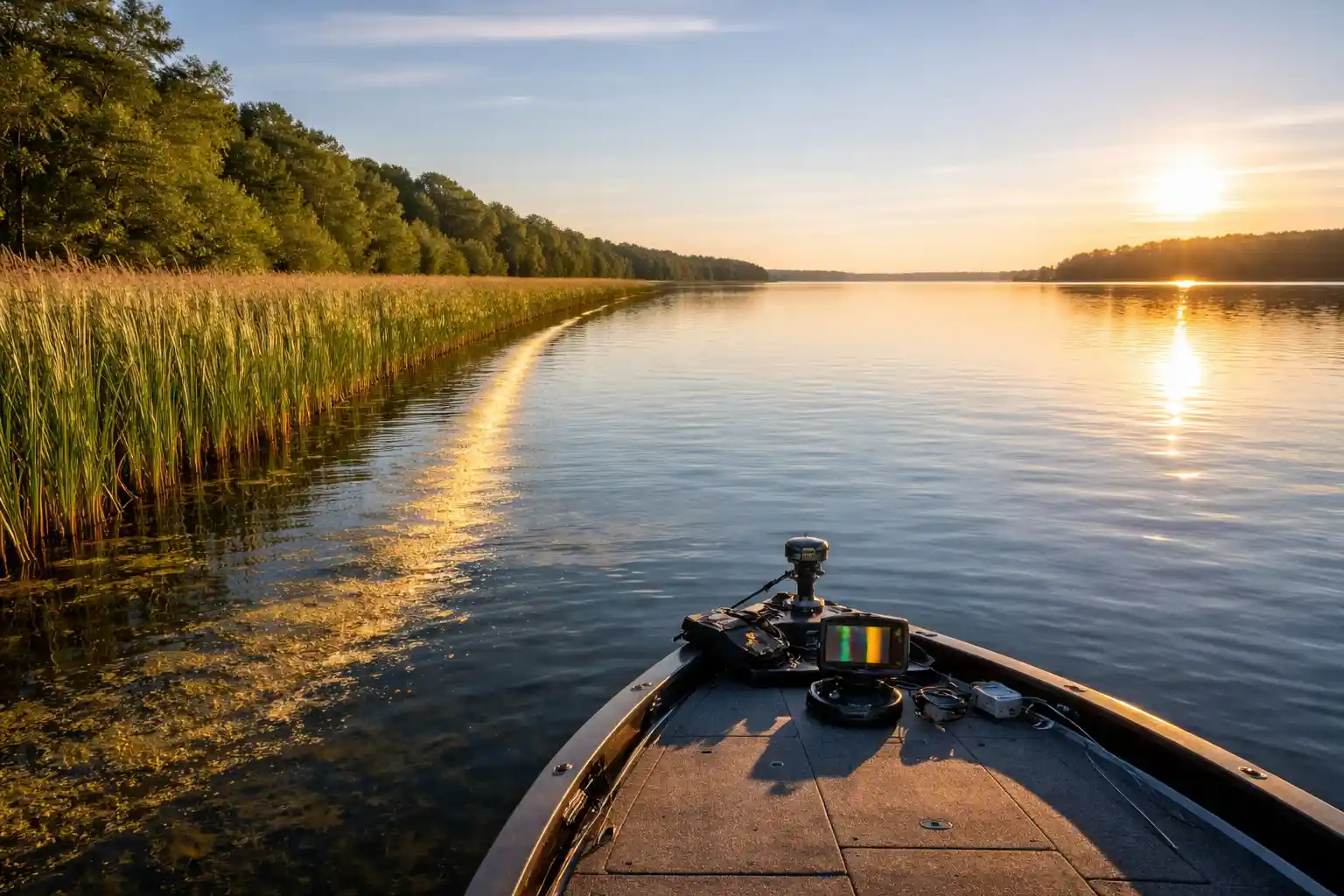
Another high-percentage angle is casting slightly past the target zone and retrieving through it. This allows the lure to stabilize before entering the strike zone, presenting naturally instead of landing directly on top of the fish.
Lure selection still matters, but in spring pike fishing from a boat, angle controls how that lure performs. Choosing the right best spring pike lures only becomes effective when the presentation keeps them in front of active fish long enough to trigger a reaction.
From real on-water sessions, the pattern is consistent: wrong angles produce follows without strikes, while correct angles convert those same follows into committed bites. The fish do not change—the presentation does.
If your lure leaves the strike zone too fast, the problem is not the lure—it is the angle. In spring pike fishing from a boat, fixing your casting angle immediately increases strike probability—even in water that feels empty.
How to Control Your Boat and Stay in the Strike Zone
In spring pike fishing from a boat, control is what keeps your lure in front of fish long enough to trigger a strike. You can position perfectly and cast at the right angle, but if the boat drifts too fast or loses alignment, the entire presentation breaks down.
Spring conditions are rarely stable. Wind, current, and boat movement constantly push you off position. Without control, you are not fishing the zone—you are passing through it. That is the difference between consistent contact with fish and random casts.
The goal is simple: keep your boat moving as slow and controlled as possible while maintaining the correct angle. In most cases, this means adjusting your position every few seconds—small corrections instead of big movements. Drifting too fast pulls the lure out of the strike zone before the fish reacts. Staying too static can also reduce effectiveness if you lose the correct angle.

In shallow water—especially under 2 m (6.5 ft)—small mistakes become critical. A short burst of the motor, a sudden propeller turn, or a hard correction can push fish out of position before the cast even starts. Pike often don’t explode away—they simply slide off the spot, and you never know they were there.
Wind direction plays a major role. The most effective approach is often to position the boat so the wind pushes you along the structure, not away from it. This allows natural movement while maintaining proper alignment and presentation.
Using electronics gives you a serious advantage. Modern fish finders allow you to track depth changes, locate edges, and stay precisely on transition routes where pike are holding. Instead of guessing where the zone is, you can see it and stay locked on it.
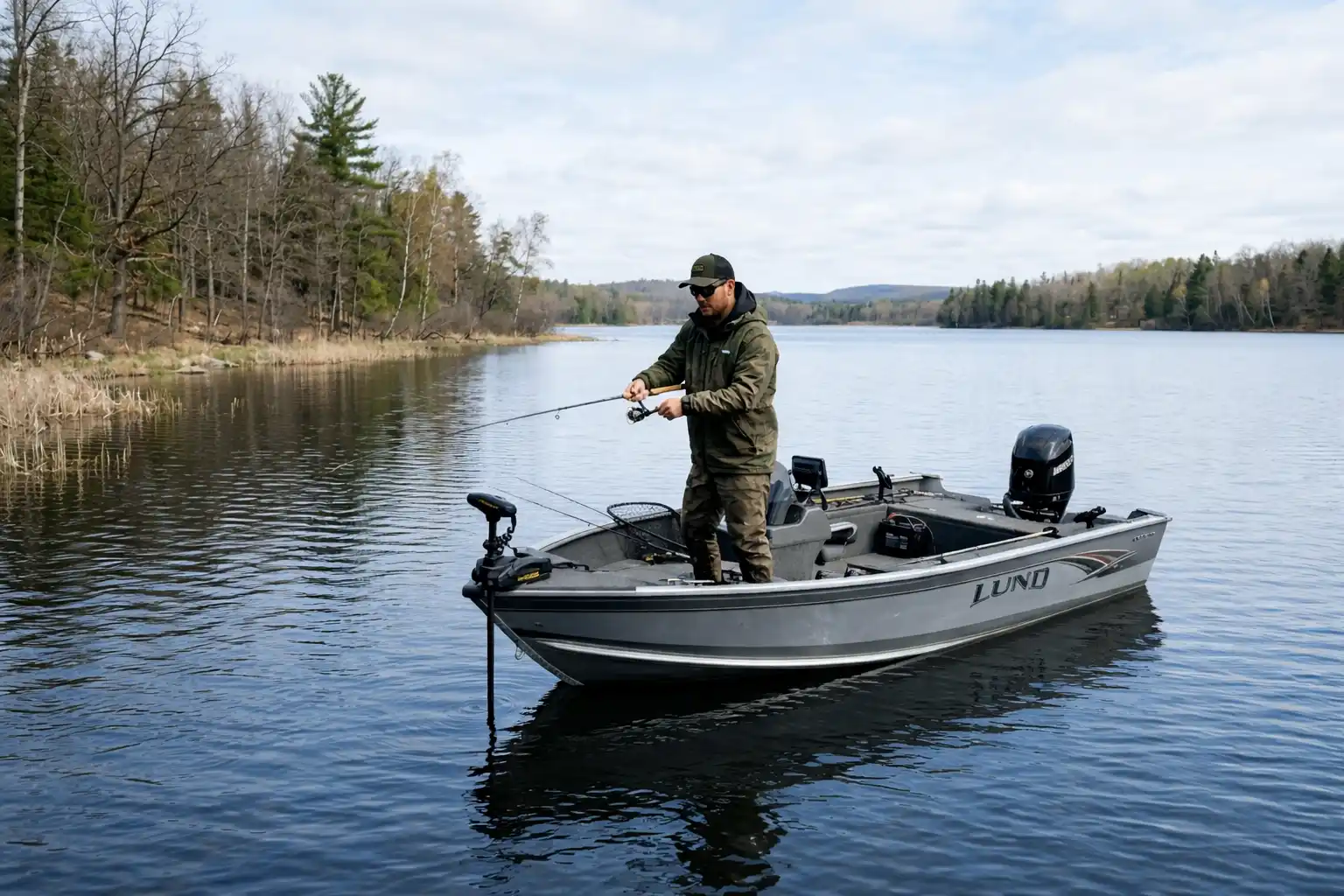
Boat setup also matters. Stability and positioning ability depend heavily on your platform. Choosing the best boat for your style of fishing allows better tracking in wind and shallow water, especially when precise adjustments are required.
On the water, the difference is immediate: when the boat stays aligned with the structure, every cast works through the strike zone with purpose. When alignment is lost, casts become random, angles break down, and fish simply don’t react.
Boat positioning only works when your movement matches it. That’s what keeps the lure in front of active fish long enough to get a reaction.
Choosing the Right Setup for Boat Fishing (Spinning vs Baitcasting)
In spring pike fishing from a boat, the right setup is not about preference—it’s about control, precision, and efficiency inside the strike zone. Your rod and reel directly affect casting accuracy, lure tracking, hooksets, and how well you maintain contact with the fish during the fight.
Spinning setups are the most versatile option for spring conditions. They handle lighter lures, allow longer casts, and perform better in cold, variable weather. This makes them ideal for covering shallow water, working edges, and fishing transition zones where subtle presentations matter. A properly matched spinning reel for pike gives you smooth line control and reduces fatigue during long sessions.
Baitcasting setups offer more power and precision. They are better suited for heavier lures, aggressive retrieves, and situations where you need maximum control over lure placement. In boat fishing, this becomes important when casting along structure or targeting specific ambush points. Using reliable baitcasting reels for pike allows tighter control over distance and improves accuracy in short to mid-range casts.
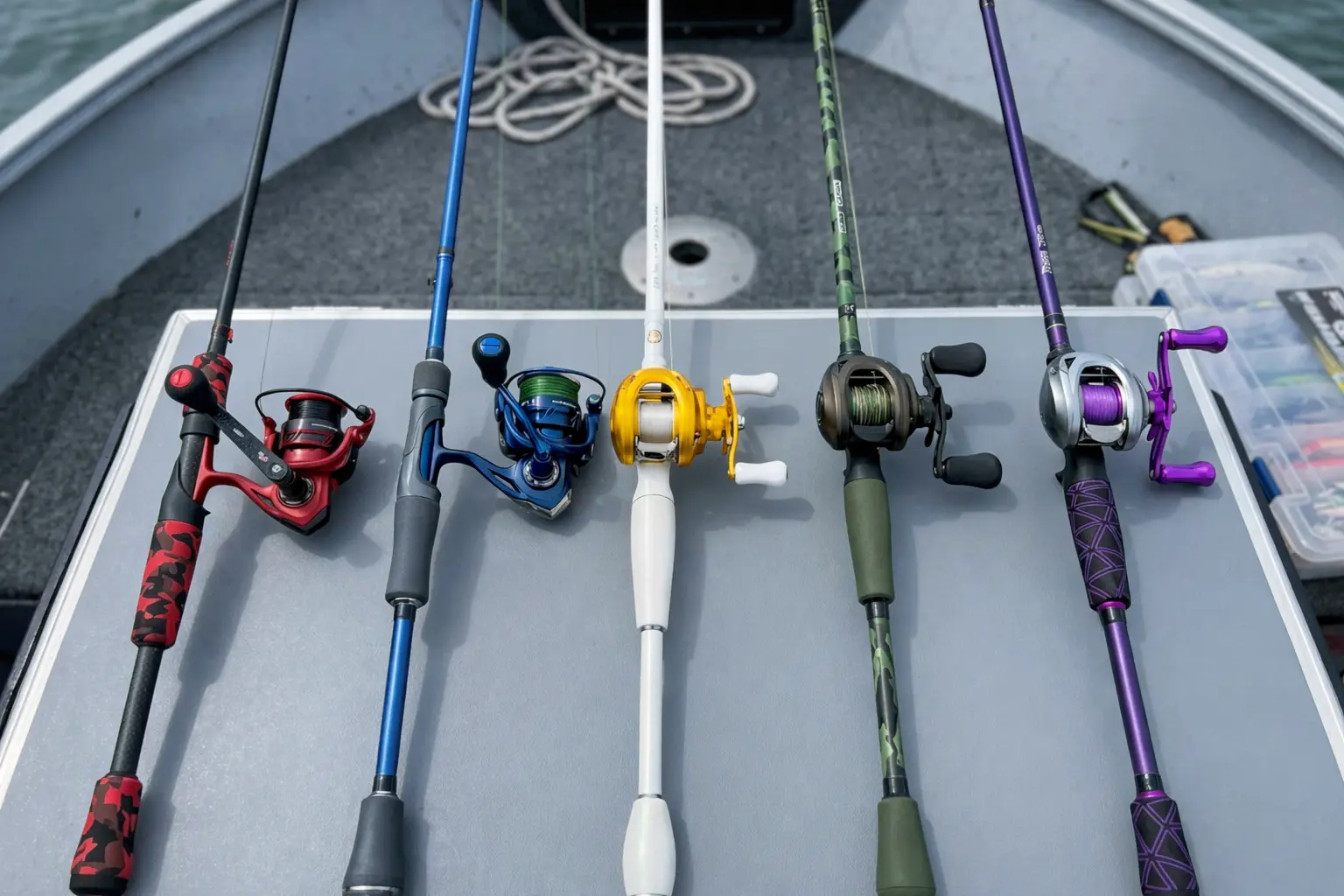
The choice is not either-or—it depends on the situation. Spinning gear excels in finesse and coverage, while baitcasting shines in precision and power. Many experienced anglers switch between both during the same session depending on depth, lure type, and fish activity.
The rod is just as important as the reel. Length and action determine casting distance, hook-setting power, and how well you control the fish near the boat. Choosing the right spring pike rods ensures that your setup matches the conditions and the type of lures you are using.
From real on-water use, the difference is clear: the right setup makes every cast cleaner, every retrieve more controlled, and every hookset more reliable. The wrong setup creates small inefficiencies that add up over time—missed strikes, poor lure control, and lost fish.
Your setup should match how you fish from the boat—not the other way around. When gear supports your positioning, angles, and movement, everything becomes more consistent.
Boat Fishing Mistakes That Kill Pike Bites in Spring
In spring pike fishing from a boat, small mistakes don’t reduce your chances—they completely shut down the bite. Spring fish are highly sensitive to pressure, angle, and presentation. You can be in the right location, using the right lure, and still get zero response if key details are off.
Positioning directly on top of the fish kills the opportunity before the cast even starts. In shallow water—especially under 2–3 m (6–10 ft)—pike react to pressure first, not the lure. In clear spring conditions, boat shadow can stretch 5–10 m (16–33 ft), reaching fish long before your lure does. Add noise or a sudden correction, and fish slide off the spot without any visible sign.
Wrong casting direction shortens the strike window. Casting straight toward the bank or cutting across structure pulls the lure through the zone too quickly. Pike follow, but the lure exits before they commit. Correct angles keep the bait in front of the fish long enough to force a decision.
Excessive speed pulls the lure away from fish that need time to react. Fast drifts or rushed retrieves reduce exposure inside the strike zone. In colder spring water, even active fish often require a longer look before committing.
Ignoring behavior breaks consistency. Understanding spring pike behavior lets you match positioning, angle, and speed to how fish are actually responding in real conditions.
Constant changes prevent a trigger. Jumping spots, angles, or lures after a few casts resets the presentation every time. Fish may be present, but the setup never stabilizes long enough to produce a strike.
Missed bites follow patterns, not luck. Too close, wrong angle, too fast—these errors repeat. Fix them, and the same water starts producing immediately.
Spring pike reward precision and punish mistakes. When position, angle, and speed align, bites happen fast. When they don’t, the water feels empty—even when it isn’t.
When Boat Fishing Is Better Than Shore Fishing in Spring
In spring pike fishing, choosing between boat and shore is not about preference—it’s about access and timing. There are specific situations where boat fishing gives a clear advantage, especially when fish are moving, staging, or holding in areas that cannot be reached effectively from the bank.
Boat fishing becomes dominant when pike are not fully committed to the shallows. During early spring or unstable weather periods, fish often hold on edges, transition zones, and slightly deeper staging areas. From the bank, these zones are difficult—or impossible—to cover properly.
Mobility is the biggest advantage. A boat allows you to follow fish movement instead of waiting for fish to come to you. You can adjust positioning, angles, and depth coverage in real time, which becomes critical when bite windows are short. Understanding best time to catch pike in spring helps you align that mobility with the exact periods when fish are most active.
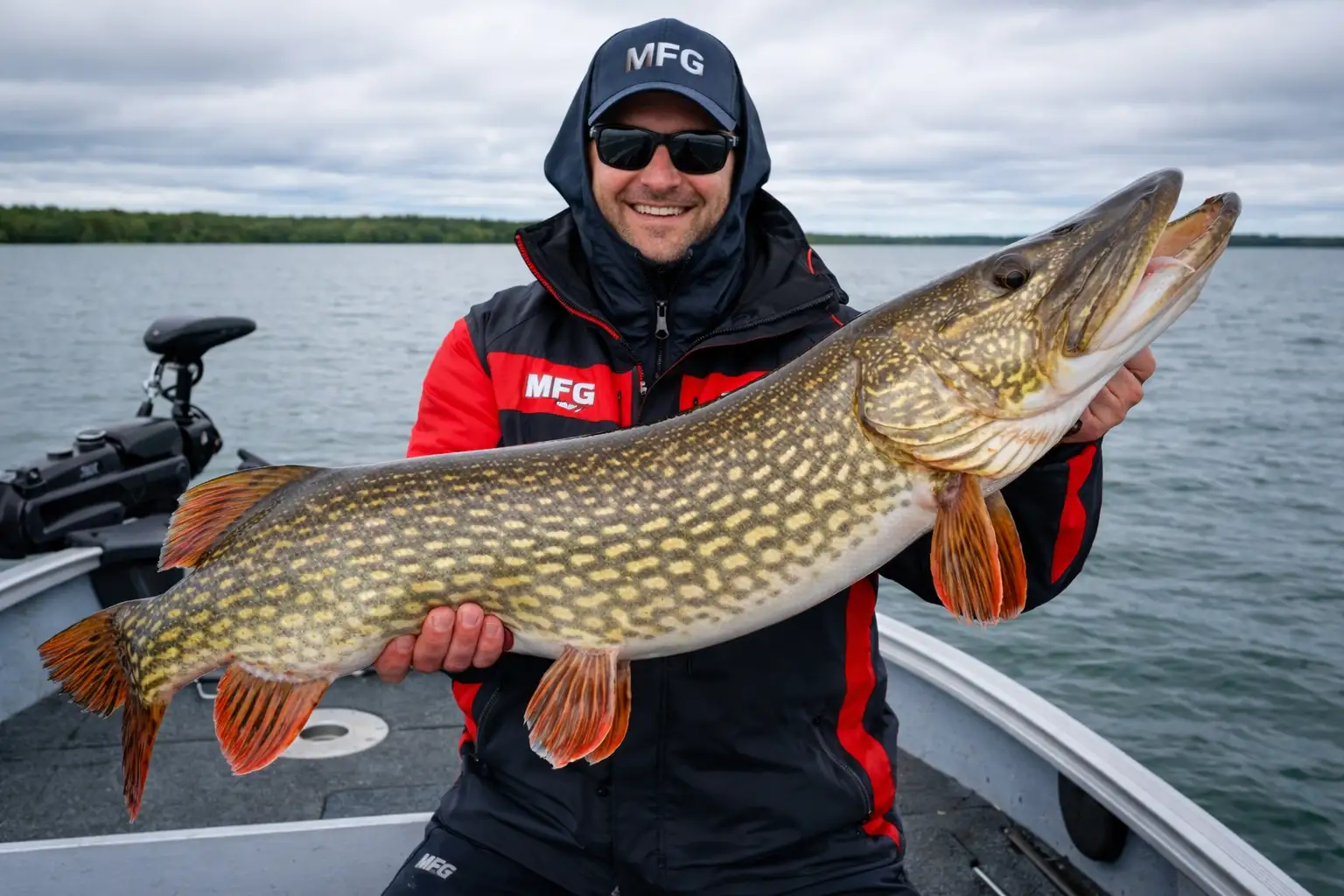
Access to transition zones is another key factor. Channels, drop-offs, and mid-range depth changes often hold fish before and after feeding windows. From a boat, you can stay directly on these routes and adjust your presentation based on fish positioning.
Boat access also allows you to keep distance from spawning areas. During active spawn, pike move into very shallow, sensitive zones. Approaching too close from shore or boat can disrupt natural behavior. Holding the boat outside these areas and casting in from a distance reduces disturbance while still covering active fish—an approach that is both more effective and more responsible.
However, shore fishing still has its place. When pike push aggressively into shallow water—especially during stable warming periods—bank anglers can be just as effective. In these conditions, stealth and accurate casting matter more than mobility.
Scientific observations support the same pattern. Studies on Esox lucius behavior show that pike frequently use structured transition areas and temperature gradients during seasonal movements, especially before and after spawning. You can explore detailed biological data here: Northern Pike (Esox lucius) – Animal Diversity Web.
Boat fishing provides the reach and control necessary to track shifting patterns. It keeps you aligned with fish movement and allows precise presentation where shore access falls short.
When fish are shallow and stable, shore can work. When fish are moving or holding off structure, the boat wins—every time.
Spring Pike Fishing from a Boat – FAQ
Below are the most common questions anglers ask about spring pike fishing from a boat, based on real on-water experience and seasonal patterns.
Is spring pike fishing from a boat better than shore fishing?
Spring pike fishing from a boat is more effective when fish are holding on edges, transition zones, or slightly deeper staging areas. A boat gives you the ability to follow movement, adjust angles, and stay in the strike zone longer. Shore fishing can still work in shallow water, but it limits access and positioning.
Where should I position my boat in spring pike fishing?
In spring pike fishing from a boat, the best approach is to stay slightly off the target zone and cast into it. Position your boat in deeper water and work toward shallow areas, edges, and transition routes. This keeps distance from the fish and prevents spooking them before the presentation begins.
What is the best casting angle in spring pike fishing from a boat?
The most effective angle in spring pike fishing from a boat is parallel to structure. Casting along weed lines, drop-offs, or edges keeps your lure inside the strike zone longer. Casting directly across structure shortens exposure and reduces strike chances.
How important is boat control in spring pike fishing from a boat?
Boat control is critical in spring pike fishing from a boat. Even perfect positioning and casting angles fail if the boat drifts too fast or loses alignment. Slow, controlled movement keeps the lure in front of the fish and maintains consistent presentation.
What depth should I focus on in spring pike fishing from a boat?
In spring pike fishing from a boat, most active fish are found between 1–4 m (3–13 ft), depending on temperature and conditions. Early in the season, fish may hold deeper on edges. As water warms, they move into shallow zones, especially areas that heat up faster.
Can I spook pike easily when fishing from a boat in spring?
Yes, in spring pike fishing from a boat, fish are extremely sensitive to pressure. Boat shadow, noise, and sudden movement can push fish away before the cast. Keeping distance, making smooth corrections, and avoiding aggressive motor use are key to staying undetected.
Do I need both spinning and baitcasting setups for spring pike fishing from a boat?
Using both setups in spring pike fishing from a boat gives you more flexibility. Spinning gear works better for lighter lures and longer casts, while baitcasting setups provide more control and power for precise presentations along structure.
Spring pike fishing from a boat is not about covering water—it’s about controlling every detail of the presentation. When positioning, casting angles, and boat movement align with real fish behavior, results stop being random and start becoming repeatable.
Master spring pike fishing from a boat, and you stop chasing fish—you start intercepting them.