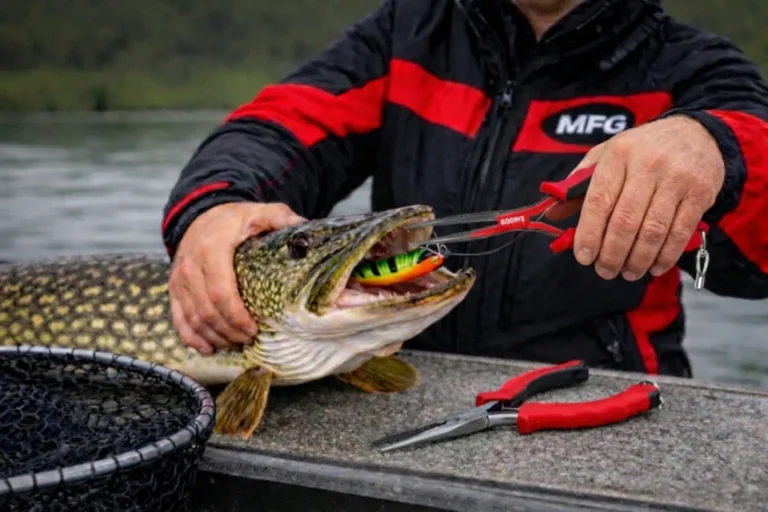



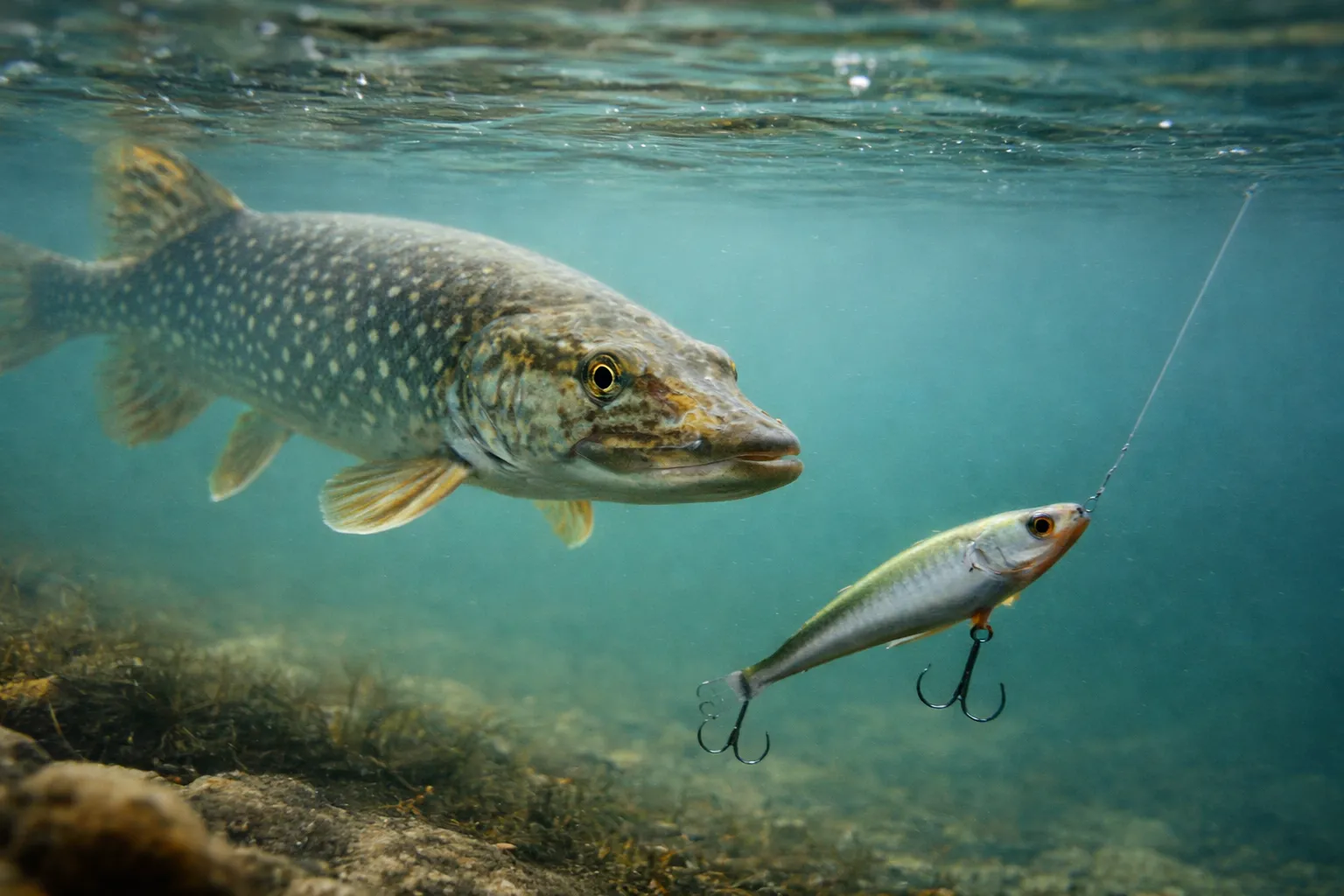
Spring Pike Behavior: How Pre-Spawn Pike Move, Feed & React in Cold, Warming Water
Spring pike behavior is the missing piece for most anglers chasing trophy fish. Not because the fish are hard to catch, but because their world changes faster than most people realize once winter starts breaking down.
Every spring, the same pattern repeats on lakes and rivers. Pike don’t suddenly turn into aggressive, shallow fish — they adjust in small, predictable steps. Miss those steps by just a few degrees of water temperature or a narrow feeding window, and the day feels lifeless. Read them correctly, and everything starts to make sense.
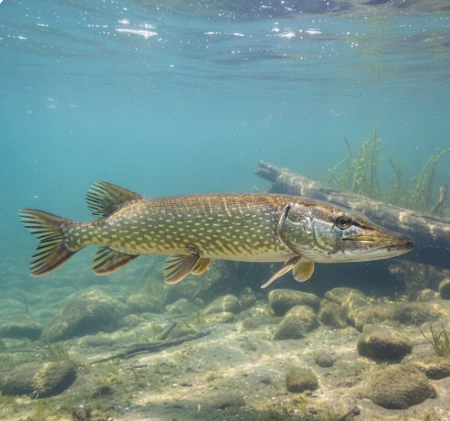
After years of tracking spring pike behavior from late winter into pre-spawn, one thing became clear: these fish move first, react second, and feed last. They reposition along specific depth zones, follow lures without striking, and commit only during short, controlled windows when conditions align.
This guide explains how pike actually behave in early spring based on real on-the-water observation — not theory. You’ll see why follows happen without strikes, why activity can explode for 20 minutes and disappear, and how subtle changes in temperature, light, and pressure trigger those moments.
Rather than listing spots or gear, this article shows how reading spring pike behavior guides your decisions — where to stay, when to wait, when to slow down, and when a presentation finally becomes worth committing to.
- How spring pike behavior shifts from late winter into pre-spawn
- Why pike follow lures instead of striking in cold, warming water
- What actually triggers short spring feeding windows
- How behavior determines positioning, timing, and presentation decisions
How Spring Pike Behavior Shifts From Late Winter to Pre-Spawn
The biggest mistake anglers make in early spring is assuming pike “flip a switch” once ice is gone. In reality, spring pike behavior changes in stages — driven by subtle shifts in water temperature, light, and metabolic demand.
In late winter, pike are still conserving energy. They hold close to stable depth zones, move very little, and feed only when conditions line up perfectly. As water temperatures begin creeping upward — often from roughly 2–4°C (36–39°F) toward 4–6°C (39–43°F) — that rigid winter pattern starts to loosen.
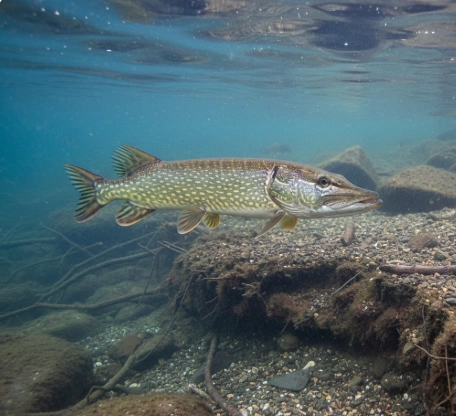
This change does not happen all at once. Movement increases before feeding does. Pike begin sliding away from core winter holding areas, testing nearby routes, edges, and transition zones without committing fully shallow. Their metabolism is waking up, but caution still dominates their behavior.
From our on-the-water tracking, one detail stands out every season: location changes before attitude. Fish may already be positioned closer to spawning zones, yet their strike behavior still reflects cold-water restraint. This is why anglers often mark fish, see follows, or experience short strikes without consistent hookups.
Understanding this late-winter-to-pre-spawn shift is critical. If you treat early spring like winter, you fish too deep and too slow. If you fish it like full spring, you move too fast and too shallow. The anglers who catch consistently are the ones fishing the in-between.
Why Pike Follow Lures Without Striking in Early Spring
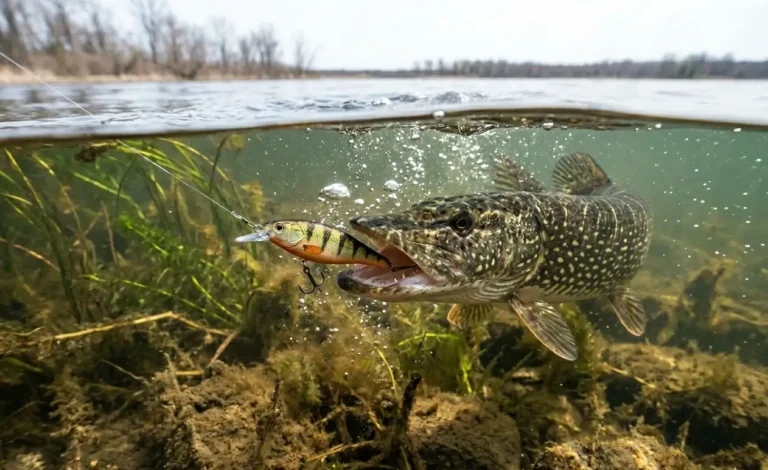
Following a lure without striking is one of the clearest signals of early-spring pike behavior. It’s not a mistake, and it’s not bad luck. It’s a calculated response from a cold-water predator operating in a neutral mood — interested, but not yet ready to commit.
In cold, warming water, pike are selective about when they spend energy. Even when they move toward a lure, they often evaluate it before deciding to strike. This hesitation reflects a lack of commitment, not a lack of aggression. Their metabolism is rising, but efficiency is still limited.
From repeated on-the-water observation, one pattern stands out: pike are far more likely to follow than to chase in early spring. They trail a lure to gauge speed, direction, and escape angle. If the presentation stays predictable or moves too fast, the fish never receives a clear strike trigger — and the follow ends without contact.
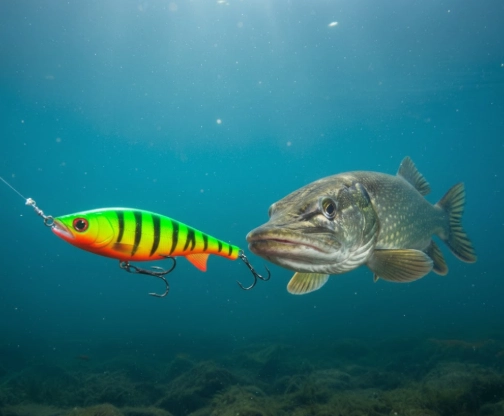
Positioning plays a major role here. Pike prefer a clean attack angle, usually from slightly below or off to the side. When a lure passes too high, too fast, or directly overhead, the fish may follow out of curiosity without ever finding a comfortable strike window.
This is also where visual feedback becomes valuable. In clear water, polarized sunglasses often reveal followers that would otherwise go unnoticed. In deeper or stained conditions, sonar frequently shows fish lifting off bottom, sliding into the water column, or tracking a moving target without fully committing. These signals confirm that fish are present — and actively evaluating a potential meal.
In early spring, a follow is not a failure. It’s proof that you are close. The anglers who catch consistently are the ones who recognize this neutral behavior state and adjust presentation to create commitment, instead of abandoning productive water too quickly.
How Water Temperature Controls Spring Pike Reactions
Water temperature is the single most reliable driver of spring pike behavior. Not the calendar. Not sunny days. Not air temperature. In early spring, pike react to water temperature changes first — everything else comes second.
In cold conditions, even small temperature shifts matter. When water sits below roughly 3°C (37°F), pike behavior remains close to late-winter mode: minimal movement, long resting periods, and very selective feeding. Fish may reposition slightly, but reactions are slow and conservative.
The first meaningful behavioral change usually begins as water temperatures climb into the 4–6°C (39–43°F) range. This is where a true metabolic trigger starts to form. Pike begin reacting more consistently to passing targets, movement increases, and short feeding windows appear — especially during periods of thermal stability rather than sudden warming spikes.
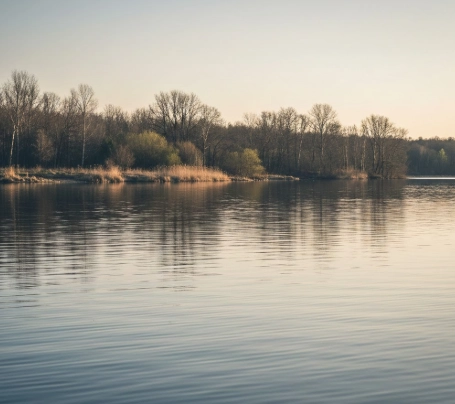
As temperatures approach 7–9°C (45–48°F), reaction speed changes noticeably. Pike become more willing to adjust depth, rise in the water column, and evaluate moving lures with intent. This vertical repositioning within defined spring pike depths often signals that a feeding window is forming. However, this does not mean constant feeding. Behavior is still controlled by timing, with activity concentrated into brief windows when temperature, light, and pressure align — a pattern we break down in detail in our spring pike fishing guide.
From long-term observation, one rule holds true every spring: pike respond to temperature stability more than temperature peaks. A steady warming trend over several hours or days produces far more consistent reactions than a single warm afternoon followed by cooling. When temperature stalls or drops, behavior tightens again almost immediately.
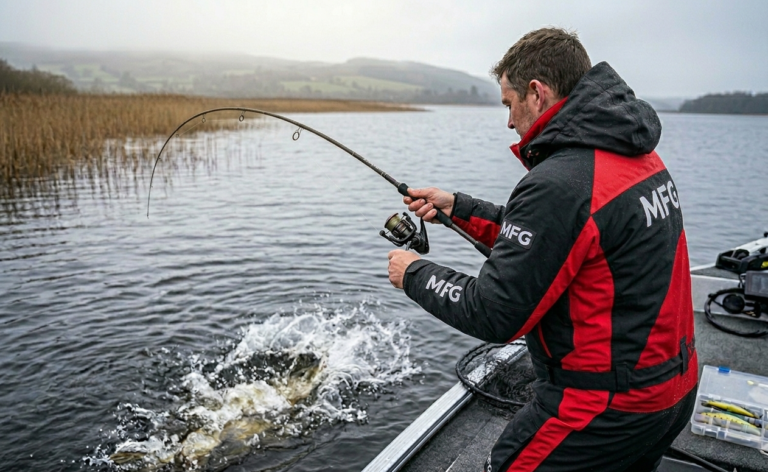
MFG field note: during early spring sessions, we log surface and mid-depth water temperatures every time we change areas. In March, those numbers tell us more about when pike will react than lure selection ever does.
How Light, Pressure, and Weather Fine-Tune Spring Pike Behavior
Once water temperature pushes pike into a more reactive state, weather becomes the fine-tuning dial. In early spring, you rarely get “all-day bites.” What you get are short windows — and light, pressure, and wind often decide when those spring bite windows open.
Light is the simplest trigger to notice. On bright, high-sun days in clear water, pike often hold tighter, follow more, and strike later in the window — especially if they are still in a neutral mood. On overcast days, or when light is diffused, fish tend to roam more and commit faster because they feel safer and less exposed.
Barometric pressure matters most through change and stability — not because of a magic number. A stable trend, or the approach of a low-pressure system, often produces short but predictable feeding windows. Sharp pressure movement combined with cloud cover and wind can briefly flip fish from inactive to reactive. That’s why some of the best early-spring action happens during “ugly” weather many anglers avoid.
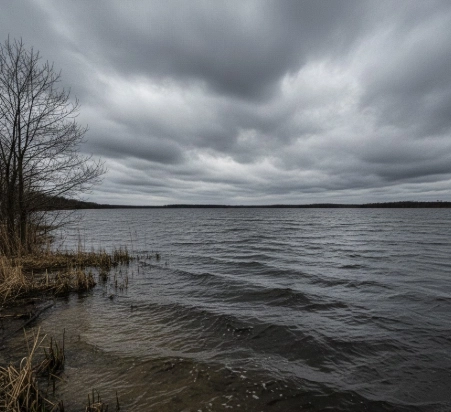
Wind is the most underestimated spring variable. It doesn’t just affect casting — it redistributes water and bait. A steady wind can push slightly warmer surface water into a bay or bank, increase turbidity, and compress baitfish. Pike read these changes immediately. When prey becomes concentrated and visibility drops slightly, cautious following often turns into decisive feeding.
- Bright + calm: tighter positioning, more follows, later commitment
- Overcast + stable pressure: wider movement, cleaner strikes
- Wind + pressure change: short feeding windows, fast reactions
In spring, the best anglers don’t chase “perfect conditions.” They learn which conditions unlock fish they already know are present — and wait for those moments.
Lake vs River Spring Pike Behavior: Key Differences Most Anglers Miss
Spring pike behavior looks similar on paper, but it plays out very differently on lakes versus rivers. Anglers who treat both water types the same often feel like spring fishing is “random,” when in reality they’re applying the wrong behavioral expectations to the wrong environment.
On lakes, behavior is driven by gradual warming and stability. Water temperatures rise unevenly, creating small pockets of activity long before the entire lake wakes up. Pike respond by repositioning slowly along depth transitions, edges, and protected areas that warm first — a pattern we break down in detail in our spring pike locations.
This means lake fish often show prolonged neutral behavior. Followers are common, strikes come later in the window, and commitment builds gradually. When a lake bite turns on, it can stay consistent for hours — but only if conditions remain stable. Sudden cooling or wind shifts can shut it down just as cleanly.
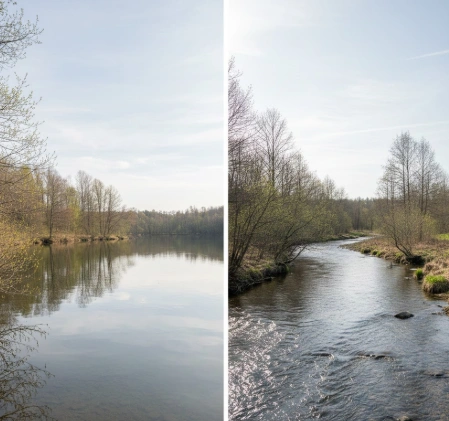
Rivers tell a different story. Flow, current breaks, and water exchange compress behavior into tighter zones. Spring warming happens faster, but stability is shorter-lived. Pike in rivers reposition more frequently, using slack water, inside bends, and backwaters as temporary holding areas rather than long-term stations.
Because of this, river pike often show sharper behavior changes. Feeding windows are shorter but more intense. When conditions line up, reactions are decisive; when they don’t, fish slide back into cover quickly. This creates a feast-or-famine pattern that frustrates anglers expecting lake-style consistency.
The biggest mistake is mixing expectations. Fishing a lake like a river leads to rushing productive water. Fishing a river like a lake leads to waiting too long in empty zones. Successful spring anglers adjust not just location, but patience, timing, and interpretation of signals based on the water type in front of them.
Understanding whether your pike are responding to gradual thermal build-up or short-lived environmental alignment is often the difference between a quiet day and a sudden, unforgettable flurry of action.
How to Read Spring Pike Behavior in Real Time (On the Water)
Spring pike behavior is not something you solve before the trip. It’s something you read and adjust to while fishing. In early spring, the biggest advantage experienced anglers have is not better gear — it’s faster interpretation.
Followers are information. A pike that tracks a lure instantly tells you three things: the fish is present, positioned correctly, and aware of your presentation. What it does not confirm is full commitment. Treat every follow as data, not failure.
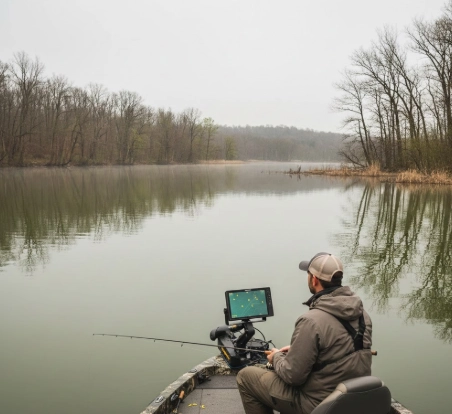
Depth changes matter more than strikes. In early spring, noticing fish lift slightly off bottom, slide along an edge, or rise into the water column often signals an upcoming activity spike — even if bites don’t come immediately.
These subtle movements are easiest to confirm with modern observation tools. Forward Facing Sonar (FFS) systems frequently reveal fish shifting position or tracking targets without striking. Seeing this behavior in real time reinforces an important lesson: movement almost always precedes reaction.
Short bursts of activity define bite window identification. One follow, one short strike, or one committed hit in a short time frame usually means you are inside a feeding window. Leaving productive water too quickly is one of the most common spring mistakes.
Silence is also information. When reactions shut down after a brief window, it usually means behavior has tightened again — not that fish have left. In spring, productive water often goes quiet before the next window opens.
This pattern repeats every spring. Anglers who recognize it early stop chasing new water and start timing their presence — and that’s when the window finally opens.
The anglers who catch consistently don’t rush decisions. They read how fish react, how those reactions evolve, and stay patient. In spring, correctly interpreting behavior keeps you in position long enough for the window to reopen.
Once you start recognizing these behavioral signals in real time, lure choice becomes far more deliberate. This is exactly why certain spring pike lures consistently trigger strikes while others only produce follows during pre-spawn conditions.
Common Spring Pike Behavior Mistakes That Kill the Bite
Most slow spring days aren’t caused by bad luck or wrong lures. They’re caused by small behavior misreads that quietly push anglers out of sync with the fish. Pike are often present — they’re just not reacting the way many expect.
Mistake 1: Leaving fish too early. One follow without a strike convinces many anglers that the area is “dead.” In reality, that follow usually means a neutral fish is evaluating the situation. Leaving at that moment often means missing the actual feeding window that opens minutes — or even an hour — later.
Mistake 2: Fishing spring like it’s already summer. Faster retrieves, aggressive movements, and constant lure changes assume high commitment. Early-spring pike are still selective. When presentation speed outruns their reaction threshold, interest turns into passive following instead of strikes.
Mistake 3: Ignoring behavior shifts after short activity. A quick flurry of follows or one short strike is rarely random. In spring, it often means a feeding window is forming. Slowing down and staying put usually produces better results than chasing fresh water.
Mistake 4: Misreading silence. When reactions stop, many anglers assume fish have left. More often, behavior has simply tightened again. Pike frequently pause between activity spikes, especially in cold or unstable conditions. Silence does not mean absence.
Mistake 5: Forcing conditions instead of reading them. Spring rewards timing over effort. Fishing hard through poor alignment of temperature, light, and pressure rarely pays off. The anglers who succeed recognize when to wait — and when to press.
All of these mistakes come from the same root problem: treating spring pike behavior as random instead of progressive. Once reactions are read as signals — not successes or failures — spring fishing stops feeling unpredictable and starts making sense.
Spring Pike Behavior FAQ: What Anglers Really Want to Know
These are the most common spring pike behavior questions we see every season. They focus on timing, reactions, and decision-making — not gear hype.
Why do pike follow lures in spring but refuse to strike?
In early spring, spring pike behavior is often neutral rather than aggressive. Following without striking usually means the fish is present and correctly positioned, but the feeding window is not fully open. Movement and evaluation come before commitment.
What water temperature triggers spring pike activity?
The first consistent behavioral changes typically begin around 4–6°C (39–43°F). This is when metabolic demand increases and spring pike behavior shifts from resting to reacting. Stability matters more than hitting a single “magic” number.
Do spring pike bite better in the morning or afternoon?
In most cases, afternoon produces more reliable spring pike behavior, especially on lakes. This is when water temperature, light, and stability align after several hours of warming. Morning bites usually depend on overnight stability rather than air temperature.
How does weather affect spring pike feeding windows?
Weather fine-tunes spring pike behavior rather than controlling it outright. Stable conditions or the approach of a low-pressure system often create short feeding windows. Sudden changes usually tighten behavior before it improves again.
Why does spring pike fishing feel inconsistent day to day?
Because spring pike behavior is progressive, not constant. Fish reposition first, react second, and feed last. Missing any step makes the day feel random, even when pike are present and visible.
What is the biggest mistake anglers make when reading spring pike behavior?
The most common mistake is leaving productive water too early. Follows, short strikes, and brief activity spikes are signals to stay and adjust timing — not to move on in search of more action.
How long does spring pike behavior stay inconsistent?
Spring pike behavior can remain inconsistent for several weeks, depending on how stable warming conditions become. Until water temperatures hold steady and spawning approaches, pike often cycle between movement, reaction, and short feeding windows rather than settling into a predictable daily pattern.
MFG Take: Why Spring Pike Behavior Decides Who Gets Bit — and Who Doesn’t
Spring pike behavior rewards anglers who read water, not those who rush decisions. Movement comes first. Reaction follows. Commitment happens last — often in short, unforgiving windows. Miss the timing, and the day feels empty even when fish are present.
This is the pattern the Master Fishing Guide (MFG) team sees repeat every season on lakes and rivers. Anglers who slow down, stay in productive zones, and wait for behavior to evolve consistently outperform those who chase constant action.
The biological side of this transition — warming water, positioning, and spawning-related movement — is well documented by fisheries biologists, including in the Minnesota DNR Northern Pike species profile, which explains key aspects of pike behavior and spawning ecology.
If you understand spring pike behavior, you stop guessing. You stay longer. You wait better. And when the window opens, you’re already in position.