


Fishing Gear Buyer’s Guide — Choose Equipment That Really Works
Good fishing gear does not have to be the most expensive — it has to match the way you fish. The right rod, reel, line, and lures make fishing easier, more comfortable, and far more successful. At Master Fishing Guide, we test gear on real water, not just on paper, and focus on what matters: durability, practicality, and performance in tough conditions.
Below you will find a clear explanation of the main categories of fishing gear and what you should pay attention to when buying. Whether you are a beginner building your first setup or an experienced angler upgrading specific pieces, understanding the basics will save you money and frustration.
Fishing Rods — backbone of your setup
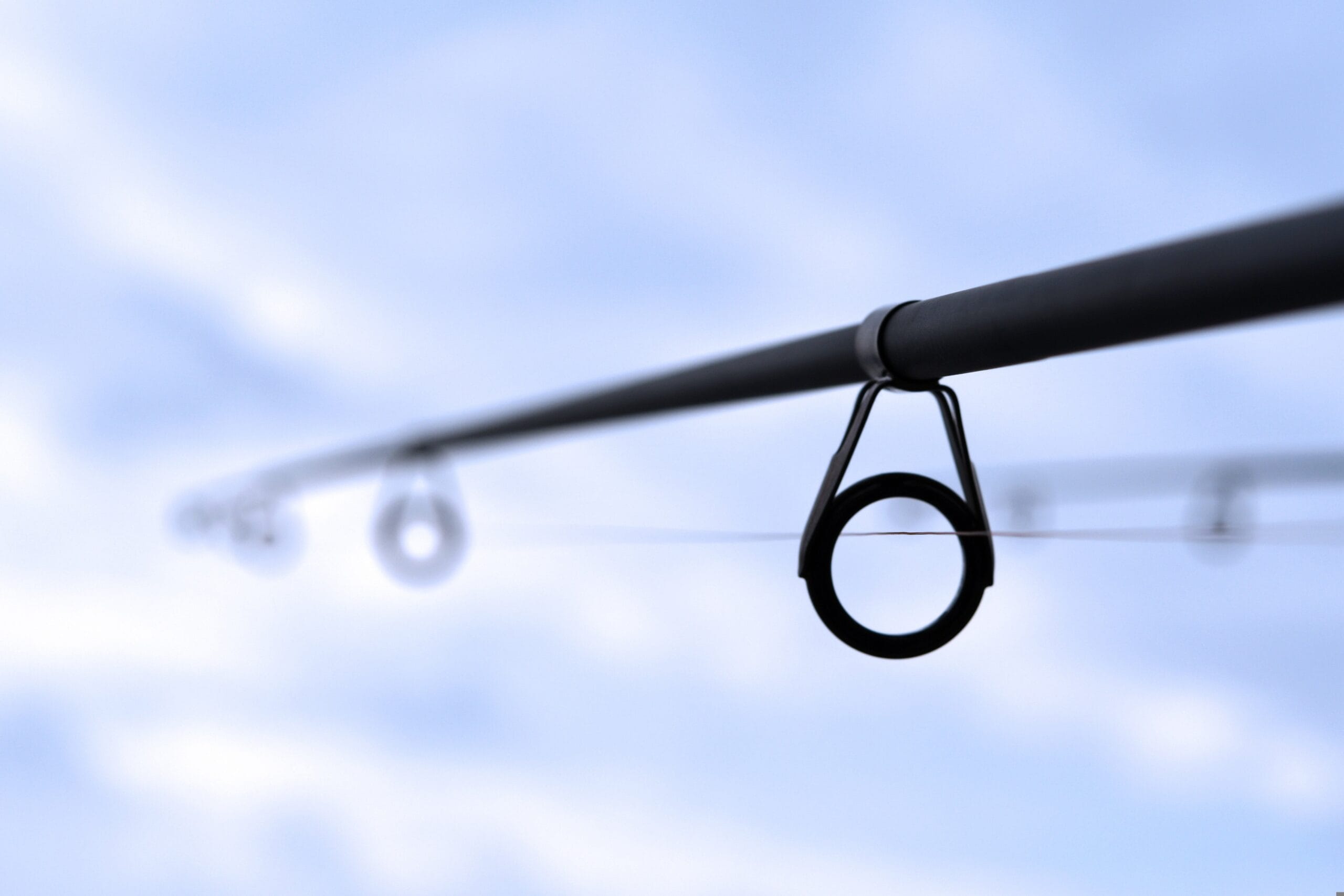
The rod determines casting distance, lure control, and how well you can fight a fish. When choosing a rod, three things matter the most: length, power, and action. Longer rods cast farther and are great for bank fishing, while shorter rods give accuracy from boats and kayaks.
Power describes how strong the rod is (ultra-light to heavy). Ultra-light is ideal for small trout and panfish, while heavy rods handle pike, catfish, and big lures. Action describes where the rod bends — fast action rods bend mostly at the tip and are highly sensitive, while moderate action rods bend deeper and are better for treble-hook lures because they keep fish pinned.
Material also matters. Graphite rods are light and sensitive, fiberglass rods are tougher and more forgiving, and composite rods combine both. The best choice depends on your target species and technique, not only on price.
Fishing Reels — control, drag, and reliability
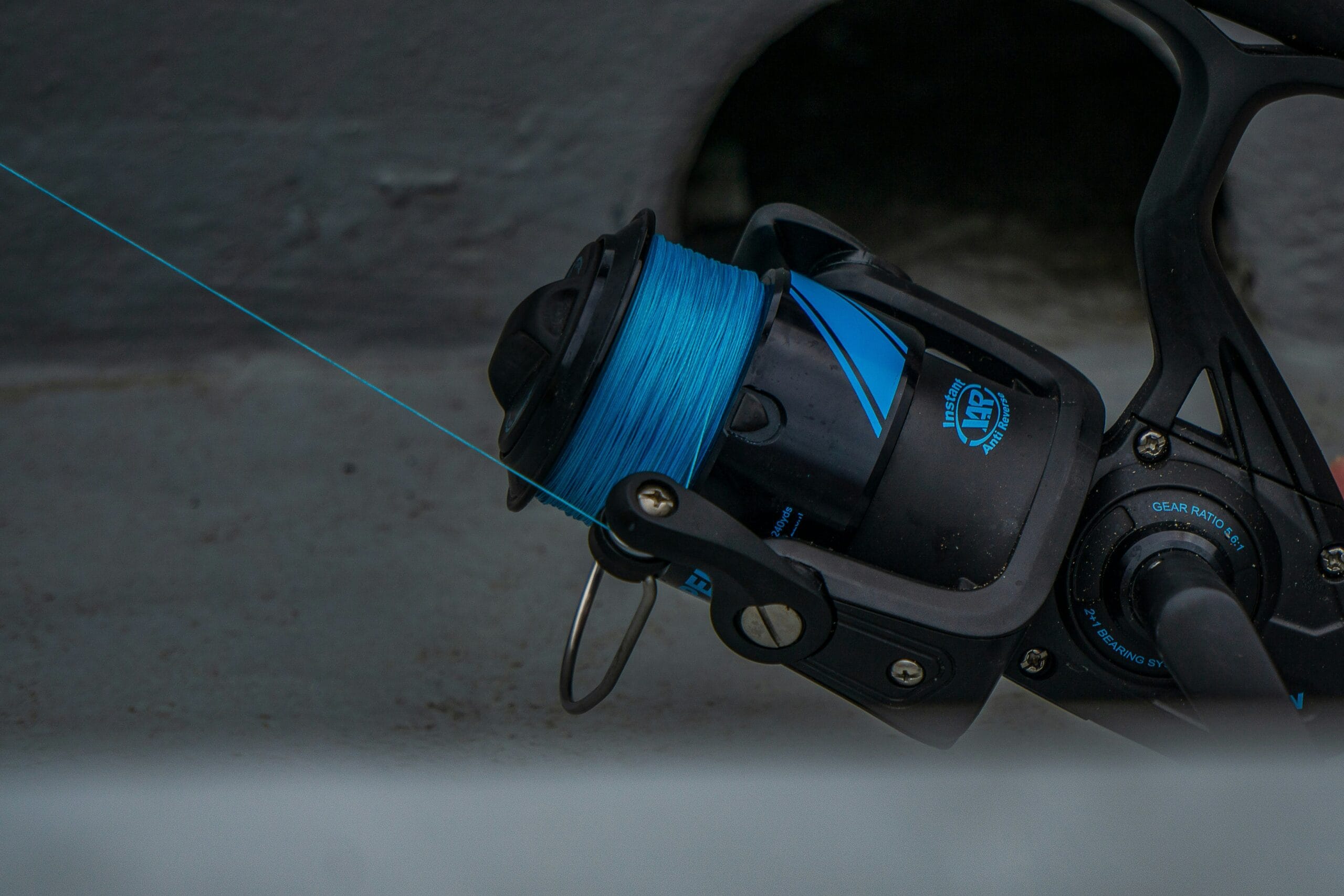
A weak reel ruins good fishing. The most important part of any reel is the drag system. It should be smooth and consistent, especially when fighting larger fish. Jerky drag causes line breaks and lost fish. Look for sealed drag systems if you fish in saltwater or dirty conditions because they prevent corrosion and grit damage.
Spinning reels are the most versatile and beginner-friendly. They handle light lures well and are excellent for finesse techniques. Baitcasting reels offer more accuracy and strength for heavier lures, large predators, and advanced anglers. Gear ratio, spool size, and body construction (metal vs. graphite) also affect performance and weight during long sessions.
Lures — triggering the strike
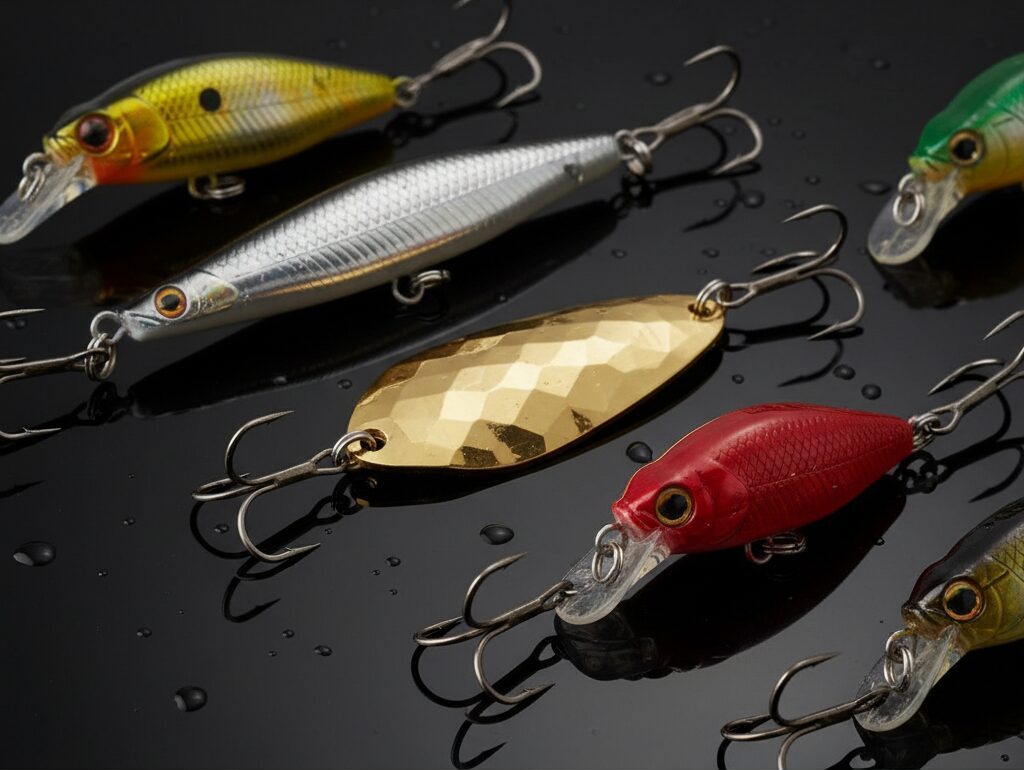
Lures are where creativity begins. Each lure is designed to copy something fish already eat. Crankbaits and jerkbaits imitate baitfish. Soft plastics mimic worms or injured prey. Spoons and spinners flash and vibrate, waking up even lazy predators.
The key is not owning hundreds of random lures. The key is knowing why a specific lure works in specific conditions. Water clarity, temperature, depth, time of day, and fish mood matter. Sometimes an aggressive, fast-moving lure is perfect; other times, slow subtle presentation outfishes everything. Learning this matters much more than color charts and marketing claims.
Fishing Line — your only real connection
Many anglers ignore line, but it is the only thing actually connected to the fish. Monofilament is stretchy and forgiving, good for beginners and topwater lures. Braid has almost zero stretch and incredible sensitivity, perfect for spinning, jigging, and fishing in vegetation. Fluorocarbon is nearly invisible underwater and abrasion-resistant, often used as a leader when fish are wary.
Choosing line strength should match target fish and lure weight. Too thin and it breaks; too thick and it kills lure action. Balance is everything.
Boats, kayaks, and mobility
Sometimes the biggest upgrade in fishing success is not a new lure — it is access. Boats and kayaks allow you to reach structures, drop-offs, and weed edges that are impossible to cast from shore. Fishing kayaks are stable, quiet, and perfect for lakes and slow rivers. Larger boats excel in trolling, covering distances, and carrying electronics.
Safety comes first: always wear a life jacket, know the weather, and understand your boat’s limits. Comfort also matters on long trips — seat quality, storage, and rod holder placement can completely change your experience on the water.
Do you need expensive gear?
The short answer is no. High-end equipment feels great and lasts longer, but modern mid-range gear performs incredibly well. Technique, location, and understanding fish behavior are far more important than brand labels. Beginners should focus on reliable, simple setups, while advanced anglers can fine-tune sensitivity and specialization.
Final thoughts
Fishing gear is not about showing off — it is about confidence. When you trust your rod, reel, and line, you concentrate fully on presentation and water reading. That is when real progress happens. Build your setup gradually, learn what works for you, and remember that the best equipment is the one that helps you enjoy every trip.
Explore different fishing gear, test it in real conditions, and fish smarter — not harder.