

Pike Fishing Leader: Steel vs Fluorocarbon Breakdown
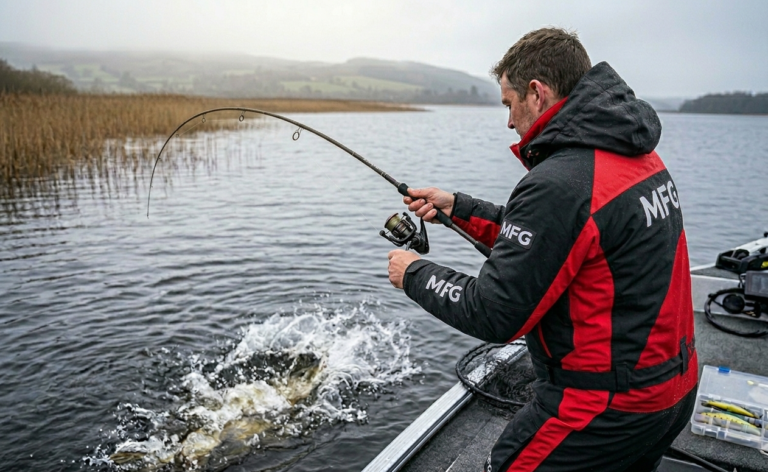
Choosing the right pike fishing leader is one of the most important decisions in predator fishing—and one of the most overlooked. Pike don’t just bite—they slash. Their razor-sharp teeth can cut through braid or mono instantly, which means that without a properly selected leader, even a perfect hookset can end in a lost fish.
From real on-the-water sessions in both cold and warm conditions—ranging from 4–8°C (39–46°F) early-season periods to more aggressive feeding windows—we’ve seen how much a leader for pike actually impacts results. The wrong material or thickness doesn’t just reduce your chances—it directly lowers your landing rate.
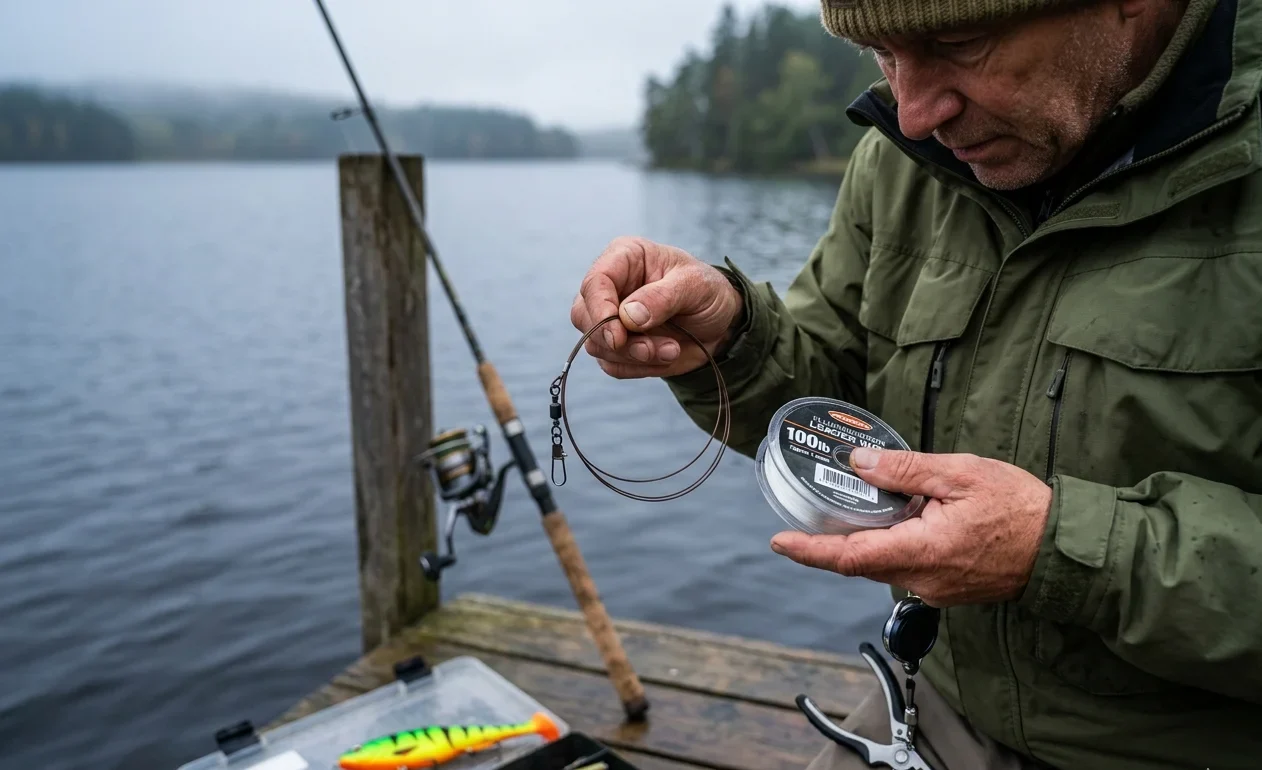
This is where most anglers get it wrong. Steel or fluorocarbon? One offers maximum protection against teeth, while the other provides a more natural presentation that can trigger more strikes—especially in clear or pressured water. Using the wrong option in the wrong situation is one of the fastest ways to lose fish.
In this guide, we break down exactly how to choose the right pike fishing leader based on real fishing conditions. You’ll learn when steel leaders dominate, when fluorocarbon performs better, and how to set up your leader correctly for consistent, reliable results.
Steel vs Fluorocarbon Leaders: Which Pike Fishing Leader Actually Works?
When it comes to choosing the right pike fishing leader, most anglers get stuck between two options—steel and fluorocarbon. The truth is simple: both work, but only in the right situation. Choosing based on preference instead of conditions is one of the fastest ways to lose fish.
In most cases, steel leaders provide maximum bite protection, while fluorocarbon offers a more natural presentation that can trigger more strikes in clear or pressured water. Understanding when each one actually works is what separates consistent anglers from those who keep losing fish.
| Leader Type | Strength | Visibility | Best Use Case |
|---|---|---|---|
| Steel (Wire) | Maximum bite resistance | High | Deadbait, heavy lures, aggressive fish |
| Fluorocarbon | High (depends on diameter) | Low | Clear water, jerkbaits, pressured fish |
| Titanium | High + kink-resistant | Medium | Jerkbaits, heavy weeds, repeated strikes |
Steel leaders dominate in situations where bite protection is non-negotiable. When fishing with deadbait, large soft baits, or heavy spoons, pike often inhale the lure deeply, and any exposed line is at risk. Multi-strand wire leaders are especially effective here because they combine strength with enough flexibility to maintain lure action.
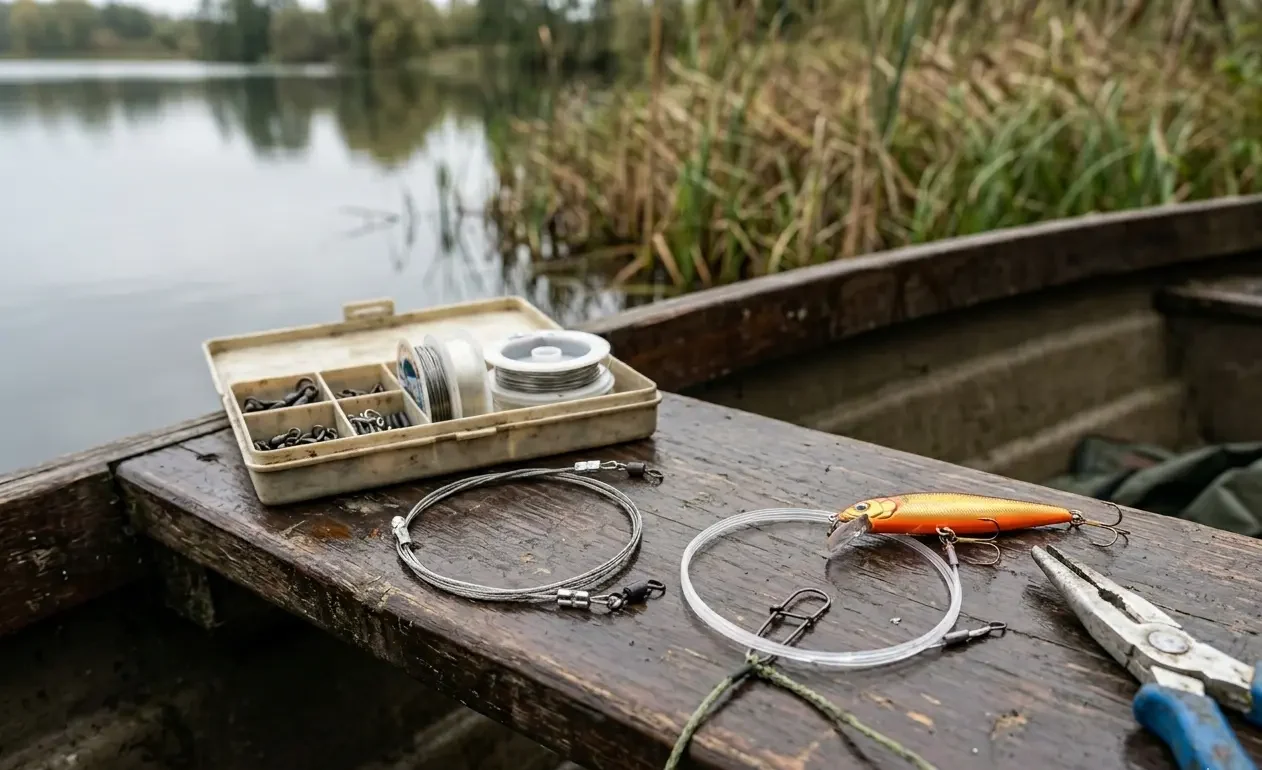
Fluorocarbon leaders perform best when presentation matters more than brute strength. In clear water or under fishing pressure, pike can become cautious. A thick fluorocarbon leader (0.80–1.00 mm / 0.031–0.039 in) reduces visibility while still providing enough resistance to handle most strikes—if used correctly.
Titanium leaders have become a serious option in modern pike fishing, especially for jerkbait techniques. Unlike traditional wire, titanium is kink-resistant, meaning it keeps its shape even after multiple fish. This makes it ideal for anglers who want consistent performance without constantly replacing leaders after every strike.
Here’s how to think about it in real fishing situations:
- Clear water or pressured fish? → Fluorocarbon leader
- Fishing heavy cover or dealing with aggressive strikes? → Steel leader
- Working jerkbaits or fishing in thick weeds? → Titanium leader
If you want to go deeper into advanced options like titanium setups, we’ll cover them in detail in a dedicated guide.
Why a Leader Is Critical for Pike Fishing (And Why Most Anglers Get It Wrong)
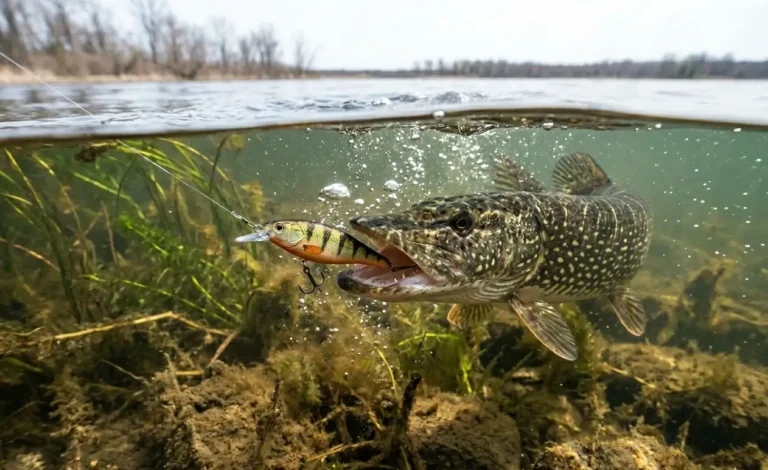
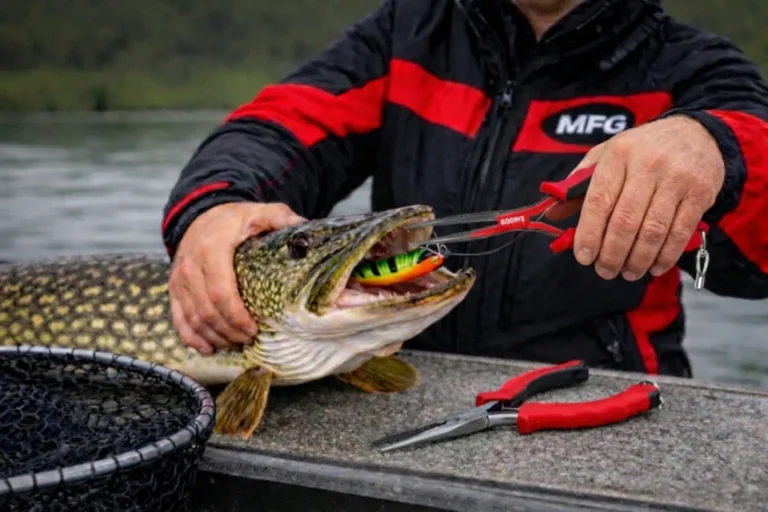
A properly selected pike fishing leader is not just an optional part of your setup—it’s the only thing standing between you and a lost fish. Pike are built to kill prey efficiently, and their teeth are designed to cut, grip, and tear. Once your line makes contact with that jawline, anything unprotected is at risk.
This is where most anglers fail. They invest in strong rods, smooth reels for pike fishing, and quality braid, but overlook the weakest point in the system. Even heavy braided line offers zero resistance against direct contact with pike teeth. Without the right leader material and thickness, your setup is incomplete—no matter how good the rest of your gear is.
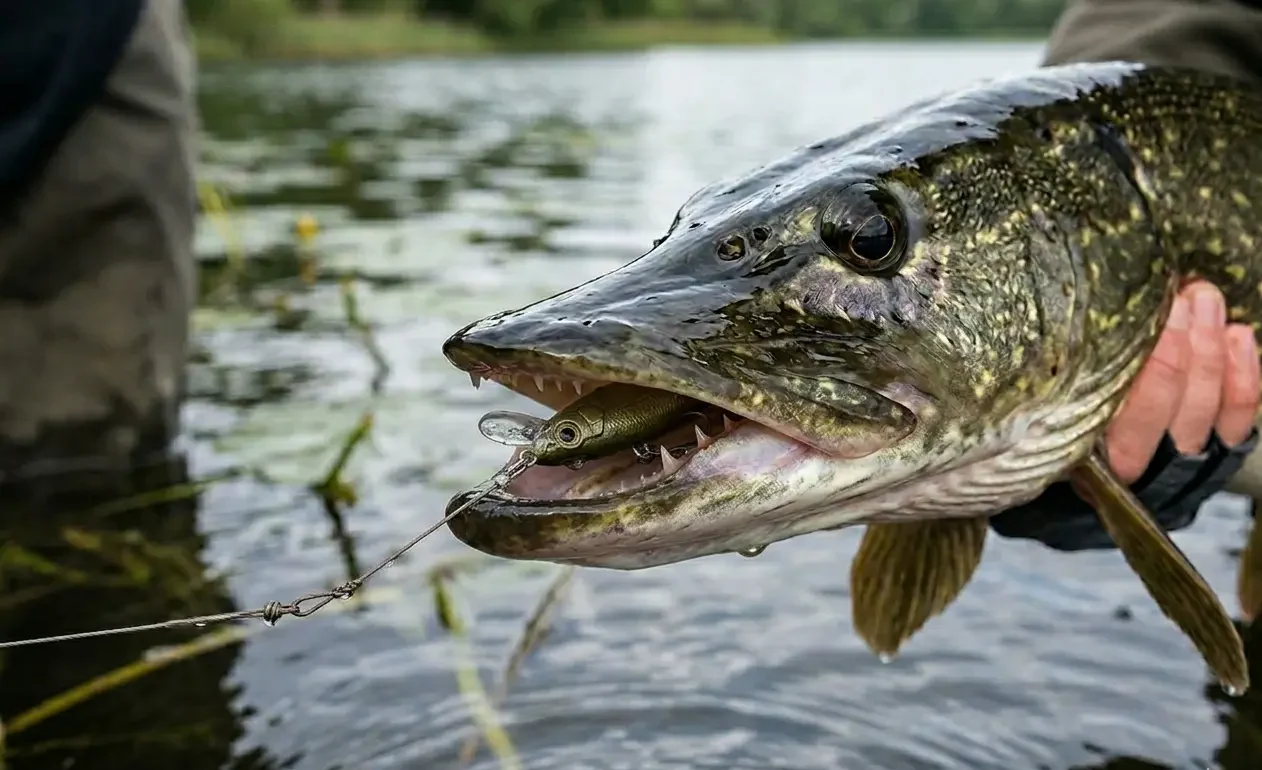
In real fishing situations, especially when targeting larger fish, strikes are often aggressive and unpredictable. Head shakes, sudden runs, and rolling movements put extreme stress on your terminal setup, and this is exactly when failures happen. Most lost fish aren’t due to poor hooksets—they happen because the leader couldn’t handle the conditions.
Pro Tip: Always check your leader after every strike or heavy resistance. Even if you land the fish, pike teeth can leave small nicks that weaken the material. One unnoticed weak spot is all it takes for your next fish to snap your leader during the cast or fight.
A pike fishing leader is not about adding strength—it’s about adding protection where it matters most. If that protection fails, everything else in your setup becomes irrelevant.
Best Leader Strength for Pike (lb, kg and Diameter Explained)
Choosing the right pike fishing leader strength is where most anglers get confused. Many focus only on pound test, but in pike fishing, diameter matters just as much—if not more. A leader might be rated at 40 lb (18 kg), but if it’s too thin, it simply won’t survive contact with sharp teeth.
For fluorocarbon leaders, the real benchmark isn’t just strength—it’s thickness. Anything below 0.80 mm (0.031 in) is risky for consistent pike fishing, especially when targeting larger fish or fishing in aggressive conditions. A safer range is:
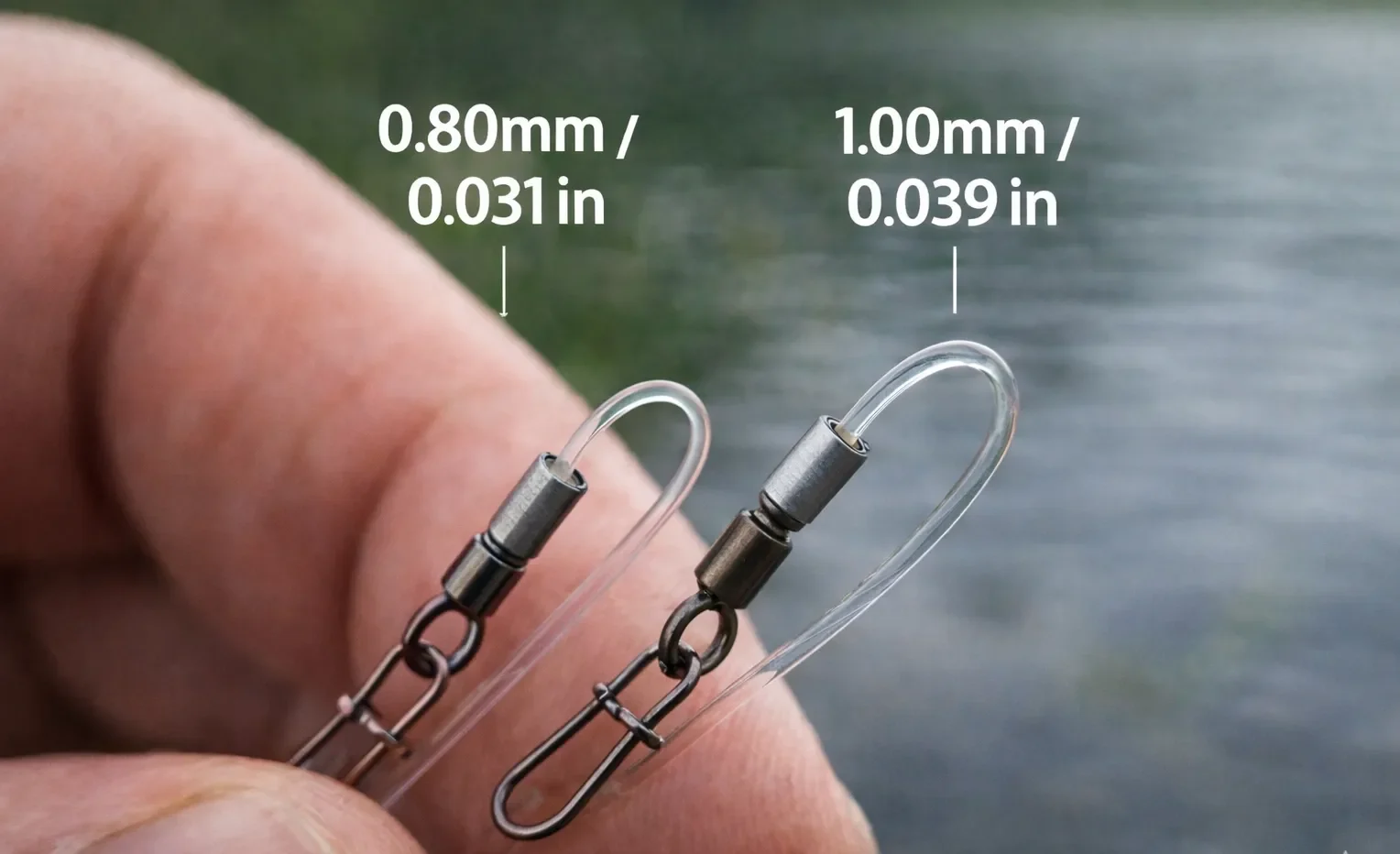
- 0.80–0.90 mm (0.031–0.035 in) → balanced setup for general pike fishing
- 0.90–1.00 mm+ (0.035–0.039 in) → targeting larger fish or fishing heavy structure
When it comes to pound test and strength, most reliable setups fall within:
- 30–50 lb (13–23 kg) → lighter setups, smaller lures, pressured fish
- 50–80 lb (23–36 kg) → all-around pike fishing
- 80 lb+ (36 kg+) → heavy lures, big fish, aggressive strikes
Steel leaders follow a slightly different logic. Instead of thickness, you’re focusing on flexibility and resistance. Multi-strand wire in the 30–60 lb (13–27 kg) range gives you the best balance between strength and lure action, especially when using moving baits or deadbait presentations.
In real fishing conditions—especially during spring pike fishing—fish are aggressive, and strikes often come with full commitment. This is exactly where underpowered leaders fail, especially if they’ve already been weakened by previous contact.
The biggest mistake anglers make is trusting pound test alone. For pike, diameter and material determine whether your leader survives the fight—not just the number on the package.
How Long Should a Pike Leader Be? (Length Guide for Real Fishing Situations)
Choosing the right pike fishing leader length is just as important as selecting the right material and strength. Too short—and you risk bite-offs. Too long—and you can reduce casting performance and lure control. The goal is simple: protect your line without killing your presentation.
In real pike fishing situations, leader length depends on how the fish strikes and how your lure behaves in the water. Pike don’t always hit clean—they slash, turn, and often attack from the side, which means your main line can easily come into contact with their teeth if your leader is too short.
Here’s the practical breakdown based on real use:
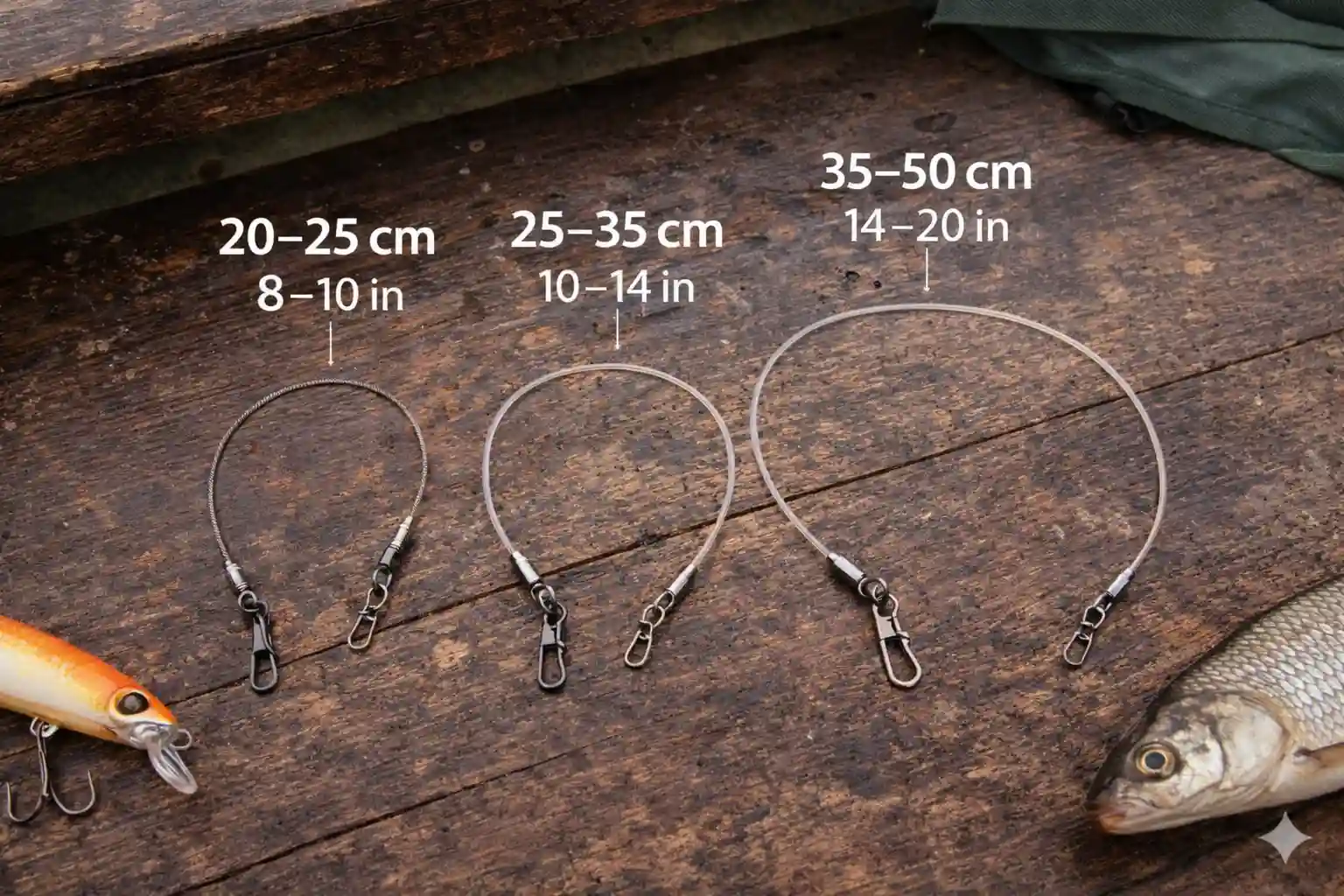
- 20–25 cm (8–10 in) → Only for very light setups or finesse fishing (higher risk)
- 25–35 cm (10–14 in) → Standard all-around leader length for most pike situations
- 35–50 cm (14–20 in) → Safer option for bigger fish, jerkbaits, and aggressive strikes
The sweet spot for most anglers is around 30 cm (12 inches). It provides enough protection without negatively affecting casting distance or lure movement.
However, certain techniques require adjustments. When fishing jerkbaits or glide baits, slightly longer leaders help protect against side strikes and rolling fish. When using deadbait or targeting large pike, going longer is always the safer choice.
On the other hand, shorter leaders can improve lure action—especially with smaller hard baits—but they come with increased risk. If you shorten your leader, you must accept a higher chance of losing fish.
The biggest mistake anglers make is going too short for the sake of “better presentation.” In pike fishing, protection always comes first. A slightly longer leader won’t cost you fish—but a short one absolutely will.
How to Tie a Pike Leader (Best Knots & Connections Explained)
Knowing how to tie a pike fishing leader correctly is just as important as choosing the right material. The strongest leader in the world is useless if your connection fails under pressure.
In pike fishing, your setup typically connects three elements: braid → leader → lure. Each connection point must be reliable, especially during aggressive strikes and sudden runs. Most failures don’t happen because of weak line—they happen because of bad knots or poor connections.
Braid to Fluorocarbon Leader
For connecting braid to fluorocarbon, the most reliable option is the FG knot or the Double Uni knot.
- FG Knot → strongest and slimmest connection, ideal for casting and heavy setups
- Double Uni Knot → easier to tie, slightly bulkier but very reliable
If you’re using thick fluorocarbon (0.80 mm+), the FG knot performs significantly better because it grips the leader tightly without creating a bulky connection that affects casting.
Wire Leader Connections (Steel & Titanium)
Steel and titanium leaders usually don’t require traditional knots. Instead, they rely on:
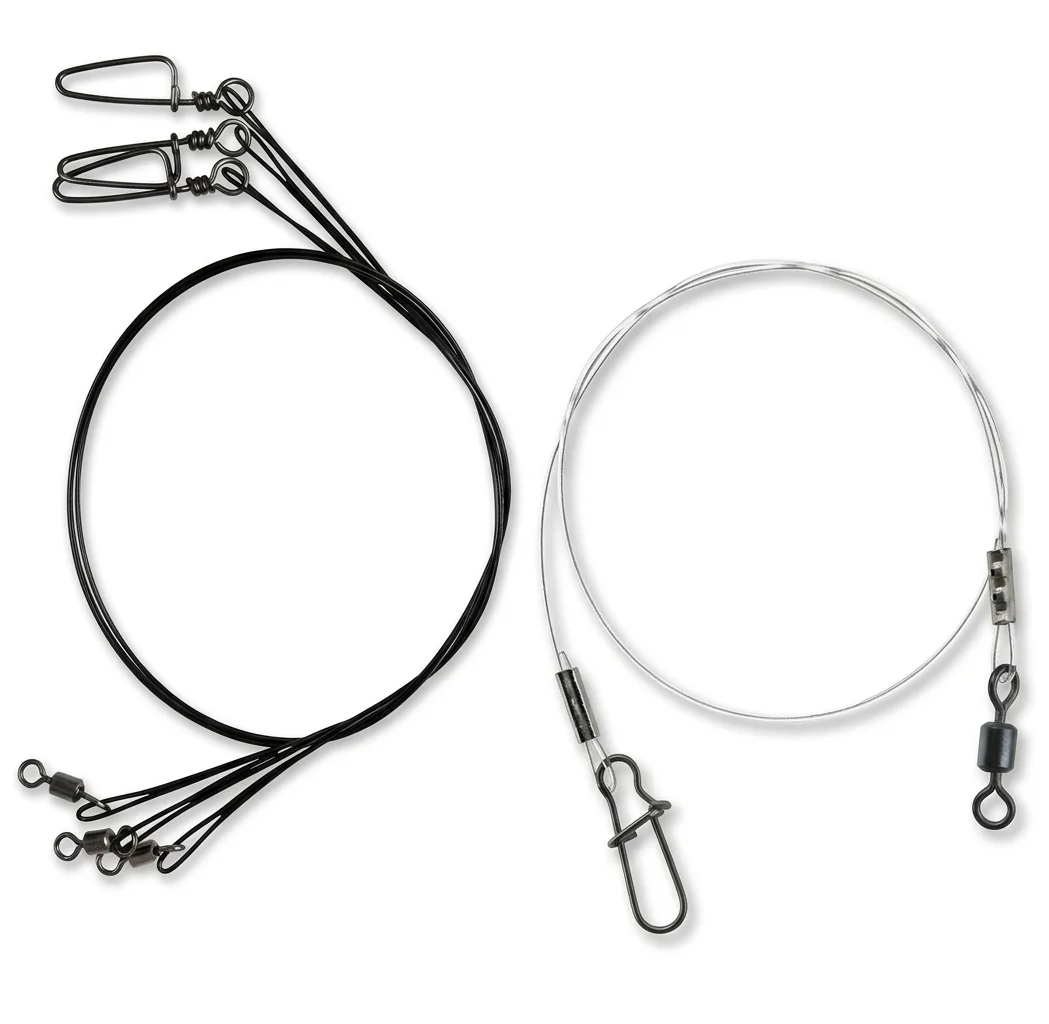
- Crimps (sleeves) → strongest and cleanest setup
- Pre-made leaders → quick and reliable option for most anglers
Crimping is the most secure method, especially when targeting larger pike or using heavy lures. It creates a fixed connection that won’t slip or weaken under load.
Leader to Lure Connection
At the lure end, you typically use a snap or snap swivel.
- Snap (no swivel) → better lure action, ideal for jerkbaits and hard baits
- Snap swivel → prevents line twist, useful for spoons and spinning lures
Avoid tying directly to the lure when fishing for pike. Snaps allow quick lure changes and reduce stress on your leader material.
Pro Tip: Always wet your knots before tightening and test them under pressure. If a knot slips or feels rough, redo it immediately—don’t risk losing a fish.
A strong connection system is what turns a good setup into a reliable one. When everything is tied correctly, you eliminate weak points—and that’s exactly what you need when a big pike hits.
Common Pike Leader Mistakes That Cost You Fish
Even with the right gear, most anglers still lose fish because of simple mistakes when setting up a pike fishing leader. These errors don’t just reduce your chances—they directly lead to bite-offs, lost lures, and missed fish.
After testing hundreds of setups and losing several trophy-sized pike to thin fluorocarbon, I’ve seen these problems show up over and over again. If you fix these, your landing rate improves immediately.
Using Fluorocarbon That Is Too Thin
This is one of the most common mistakes. Anglers choose fluorocarbon based on invisibility instead of protection. Anything below 0.80 mm (0.031 in) significantly increases the risk of bite-offs, especially when targeting larger pike.
Thin fluorocarbon might look better in the water, but it doesn’t survive contact with teeth. In pike fishing, safety always comes before presentation.
Going Too Short with the Leader
Many anglers shorten their leader to improve lure action—but this comes at a cost. A short leader increases the chance that your main line will touch the fish’s mouth during the fight.
Pike rarely hit clean. They twist, roll, and attack from different angles. If your leader is too short, you’re gambling every time you hook a fish.
Not Checking the Leader After Each Strike
Even if you land a fish, your leader may already be damaged. Small nicks caused by pike teeth weaken the material dramatically, especially fluorocarbon.
Don’t just look at it—run your fingernails along the entire length of the leader. If you feel even the slightest nick or “burr,” cut it off and tie a new one immediately. A 5-second check can save your entire session.
Using the Wrong Leader for the Conditions
Choosing between steel and fluorocarbon based on habit instead of conditions is a critical mistake. Clear water and pressured fish require stealth, while aggressive conditions demand maximum protection.
Using fluorocarbon in heavy cover or steel in ultra-clear water can both cost you fish. The right material depends on the situation—not your preference.
Weak or Poorly Tied Connections
Even with a strong leader, weak knots or bad crimps will fail under pressure. Most break-offs happen at connection points, not in the middle of the line.
I’ve seen many anglers lose fish because they used a standard clinch knot on heavy fluorocarbon instead of a proper crimp or a specialized knot designed for thick leader material. When the connection fails, it happens instantly—and usually on your biggest fish.
Pro Tip: If you lose a fish without knowing why, assume it was your leader or connection. Fix the setup immediately instead of blaming luck or bad timing.
The difference between landing and losing pike often comes down to small details. Avoid these mistakes, and your results will improve faster than with any new lure or expensive gear.
Pike Fishing Leader FAQ (Everything You Need to Know)
What is the best pike fishing leader material?
The best pike fishing leader material depends on conditions. Steel leaders offer maximum bite protection and are ideal for aggressive fish and heavy lures, while fluorocarbon leaders provide a more natural presentation in clear or pressured water. For most situations, choosing the right pike fishing leader comes down to balancing visibility and durability.
Can pike bite through fluorocarbon leaders?
Yes—pike can bite through a pike fishing leader made of fluorocarbon if it’s too thin. Anything below 0.80 mm (0.031 in) significantly increases the risk of bite-offs. A properly selected pike fishing leader made from thick fluorocarbon (0.80–1.00 mm+) can handle most situations, but it is never 100% bite-proof like steel.
What strength should a pike fishing leader be?
A reliable pike fishing leader should fall between 30–80 lb (13–36 kg) depending on your setup. For all-around fishing, a pike fishing leader in the 50–80 lb range provides the best balance between strength and performance, especially when targeting larger fish.
How long should a pike fishing leader be?
The ideal pike fishing leader length is around 25–35 cm (10–14 inches) for most situations. Longer leaders (up to 50 cm / 20 in) provide extra protection when targeting big pike or using jerkbaits, while shorter leaders increase risk. A properly sized pike fishing leader reduces bite-offs without affecting lure action.
Is steel or fluorocarbon better for a pike fishing leader?
Both options work, but in different conditions. Steel pike fishing leaders are better for aggressive fish, heavy cover, and maximum safety. Fluorocarbon pike fishing leaders perform better in clear water where presentation matters. Choosing the right pike fishing leader depends on visibility, pressure, and fish behavior.
Do you always need a pike fishing leader?
Yes—if you are targeting pike, a pike fishing leader is essential. Braid or mono alone will not survive contact with pike teeth. Fishing without a proper pike fishing leader almost guarantees lost fish over time.
Final Thoughts: The Right Pike Fishing Leader Makes the Difference
At the end of the day, choosing the right pike fishing leader isn’t about preference—it’s about understanding what actually happens during a strike. Pike don’t give you second chances. If your leader fails, the fish is gone—no matter how good your rod, reel, or lure is.
The key is simple: match your pike fishing leader to the conditions. Use steel when you need maximum protection, fluorocarbon when stealth matters, and always choose the right thickness and length for the situation. There is no “one perfect setup”—only the right choice for the moment.
A properly chosen pike fishing leader is what separates consistent catches from constant frustration on the water. Modern leader materials have evolved significantly, with manufacturers continuously improving strength, flexibility, and abrasion resistance. If you want to understand how advanced fluorocarbon lines are actually developed and tested, take a look at Seaguar, one of the leading innovators in fishing line production.
The difference between landing and losing pike often comes down to details most anglers ignore. Leader material, diameter, length, and connection quality all play a role—and when combined with the right pike fishing rod, your setup becomes reliable under pressure.
If you want consistent results, stop guessing and start building your setup with intention. Because in pike fishing, the smallest weak point is always the one that breaks first.
Want to share your setups or see what other anglers are using?
Follow and join the community on
Master Fishing Guide Facebook Page.