

Top Methods in Fishing Techniques
Explore some of the best fishing techniques that will help you catch more fish and enjoy your time on the water.
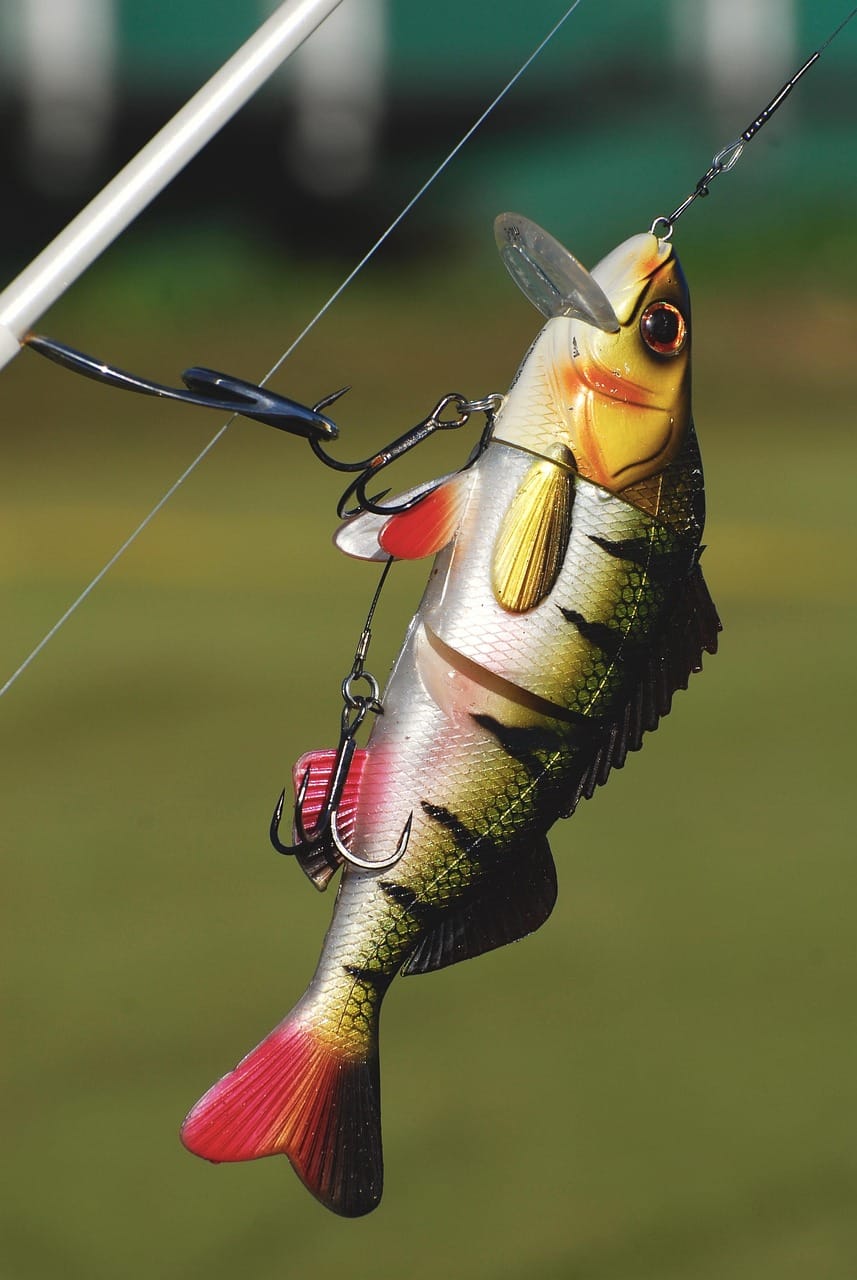
Check out our detailed Lure Fishing Guide to get started.
For more tips and detailed fishing techniques, check out this great Wikipedia page — it’s a solid start for beginners Wikipedia.

Learn Proven Fishing Techniques That Actually Work
Fishing success is rarely about luck. Anglers who consistently catch fish usually do two things better than others: they read the water and they apply the right technique at the right moment. When you understand how different fishing techniques work, you stop guessing and start fishing with a clear plan. That is exactly what this page is about — practical methods that help you catch more fish in real situations.
At Master Fishing Guide, we focus on techniques that have been tested on rivers, lakes, and reservoirs around the world. No magic formulas, no hype — just methods that work for beginners and experienced anglers alike. Whether you fish from the bank, a kayak, or a boat, mastering several techniques gives you flexibility. If one approach fails, you immediately switch to another instead of going home disappointed.
Main Types of Fishing Techniques
While there are dozens of styles, most modern fishing fits into a few core categories. Each technique has strengths, weaknesses, ideal water types, and target fish. Learning them allows you to adapt instead of forcing one method everywhere.
Lure Fishing (Spinning)
Lure fishing is an active and dynamic method where you constantly cast and retrieve artificial lures. It is perfect for predatory fish such as pike, bass, perch, and zander. The goal is to imitate a wounded or escaping baitfish. This triggers the predator’s instinct to attack, even when it is not very hungry. Different retrieves — fast, slow, stop-and-go — can completely change results, which makes spinning both technical and exciting.
Lure fishing works best when fish are spread out and moving. Instead of waiting, you search for them. It is also ideal for covering large areas of water in a short time. With modern braided lines and sensitive rods, you feel every vibration, bottom contact, and even very soft bites.
Fly Fishing
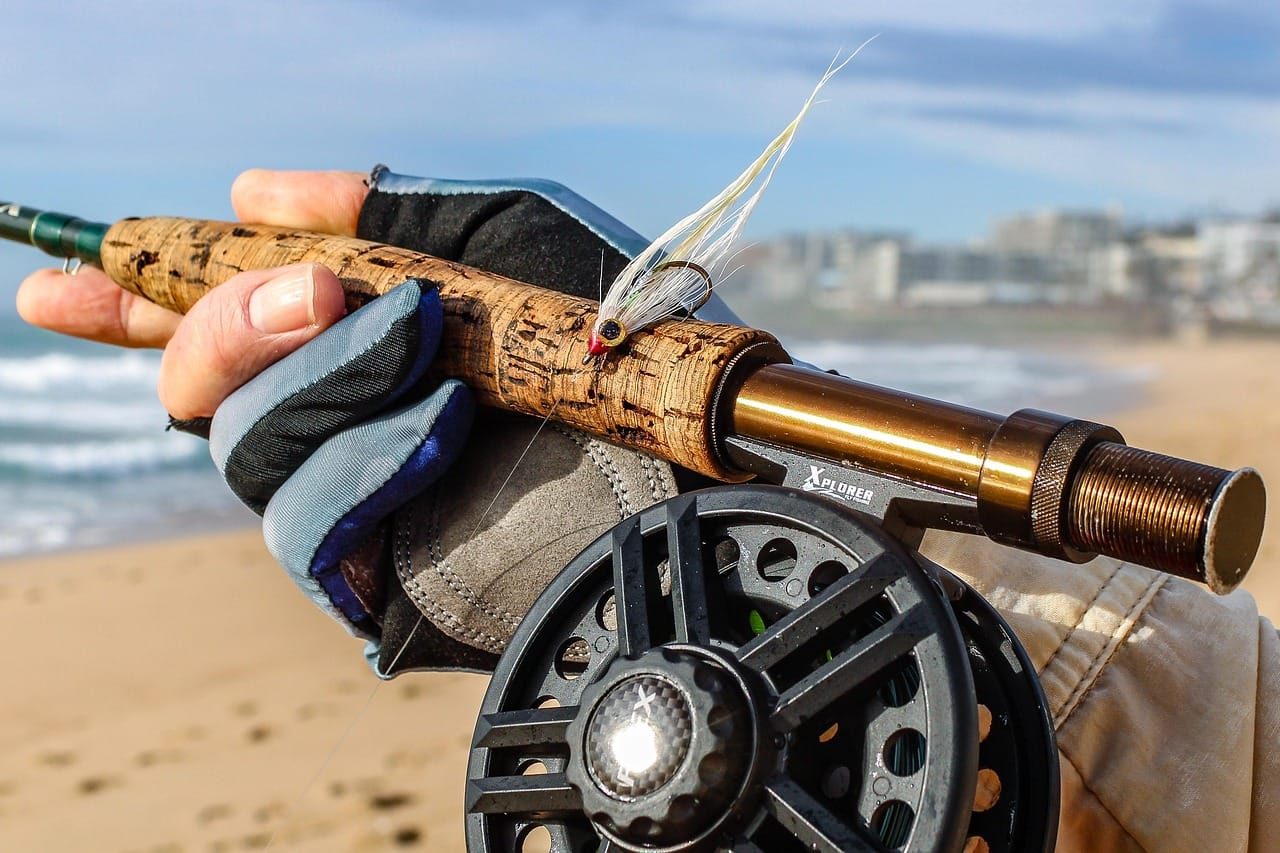
Fly fishing is one of the most elegant fishing techniques. It uses extremely light artificial flies made from feathers, fur, and synthetic fibers that imitate insects or small fish. Instead of the lure weight, the fly line carries the fly during casting, which is why fly casting looks unique.
This technique requires practice, but rewards patience with precision and subtlety. It is especially effective for trout, grayling, and salmon, but also works for carp, pike, and many saltwater species. Fly anglers carefully watch insect hatches, water temperature, and current speed, matching their flies to natural food. For many, fly fishing becomes more than just catching fish — it becomes a lifestyle.
Float Fishing
Float fishing is simple, relaxing, and incredibly effective. A float suspends the bait at a chosen depth and clearly shows every bite. This method is perfect for beginners but also highly refined in competitive fishing. It works great for carp, bream, roach, tench, and many river and lake species.
Success depends on correct depth, subtle presentation, and the right bait choice. Modern floats and thin lines allow precise control so you can target fish that feed just off the bottom or in mid-water layers. For children and families, float fishing is often the easiest and most fun entry into angling.
Bottom Fishing and Feeder Fishing
Bottom fishing places the bait directly on the bottom, where many species naturally feed. This method is commonly used for carp, catfish, bream, and other large fish. In its modern form, feeder fishing uses special feeders that deliver groundbait next to the hook bait, attracting fish to the exact spot.
Patience matters, but this is not passive fishing. Choosing the right rig, adjusting the distance, and timing the bites are skills developed through experience. When done correctly, bottom fishing produces some of the biggest freshwater fish you will ever hook.
How to Choose the Right Technique for the Situation
No single method is best all the time. Lure fishing shines when predators chase baitfish. Float fishing dominates when fish are feeding in mid-water. Bottom fishing works when fish stay close to structure or feed on the lakebed. Fly fishing wins when fish selectively take insects near the surface.
Key factors to consider include:
- water temperature
- clarity and color of the water
- season and weather
- depth and structure
- type of target species
When you match technique to conditions, your catch rate improves immediately — without buying more expensive gear.
Final Thoughts
Fishing techniques turn random casts into intentional strategy. Learning several methods gives you confidence: if one tactic fails, you always have another option. That is what separates consistent anglers from those who rely only on luck.
Explore, practice, and enjoy the process — the right technique is often the real “secret weapon” on the water.