


Best Spring Pike Swimbaits (2026): 5 Proven Soft & Glide Baits That Trigger Big Strikes
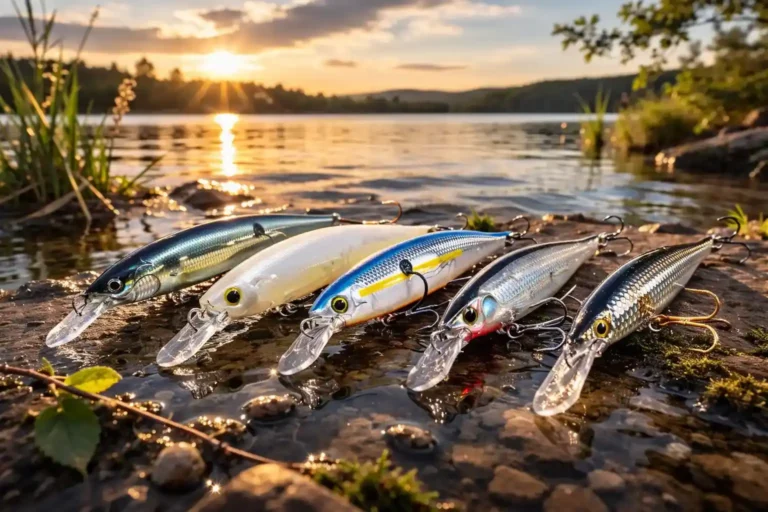
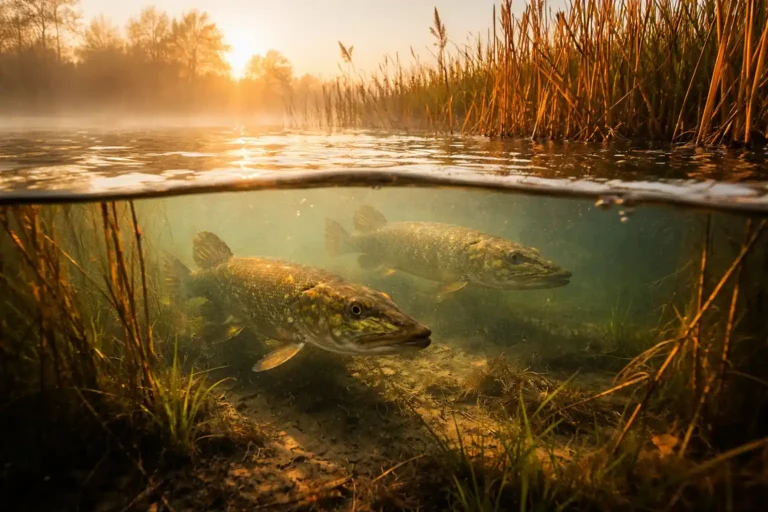
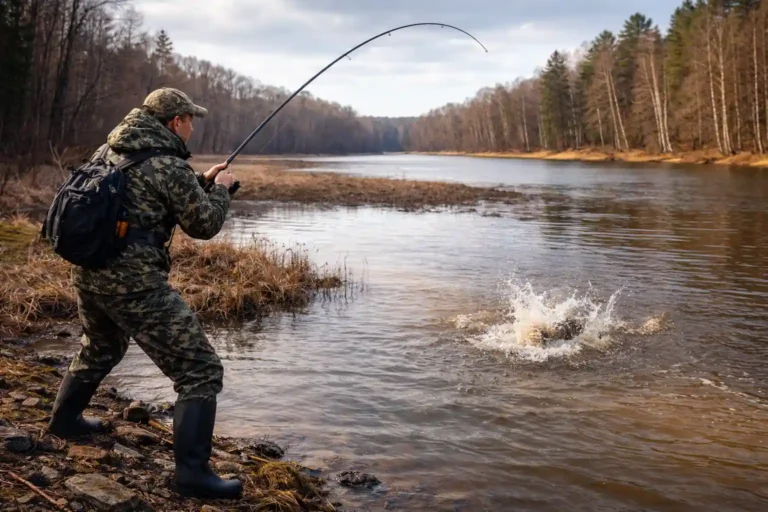
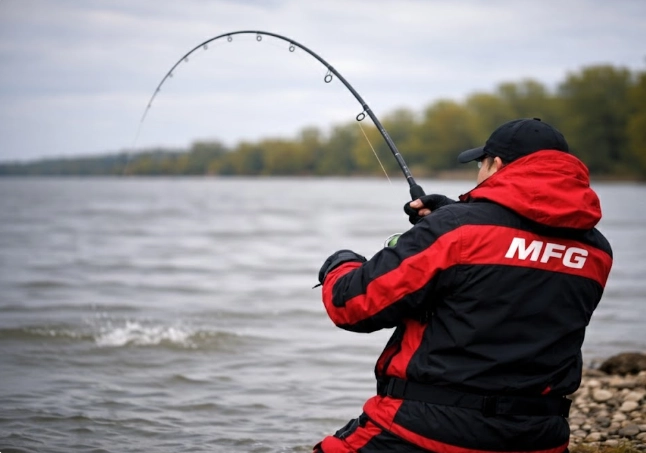
Spring pike swimbaits are one of the most reliable ways to trigger strikes once the water starts warming after winter. Early in the season, northern pike move into shallow bays, reed edges, and warming flats, but they rarely chase fast lures. In these conditions, realistic swimbaits that imitate injured baitfish often produce far more consistent results.
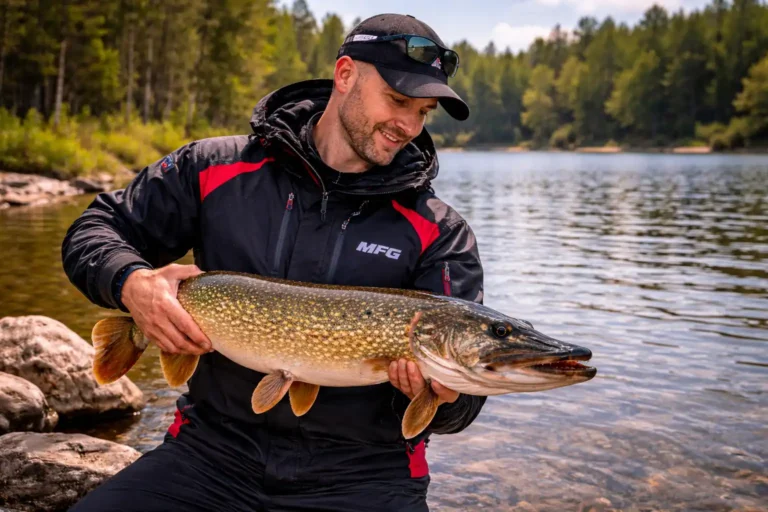
Over the past three years, the MFG Team tested dozens of swimbaits across lakes and rivers during the early spring period. Many looked good in the package but produced little action in the water. A handful of models, however, consistently triggered follows and aggressive strikes from large pre-spawn pike.
We also noticed that the most reliable feeding window often begins when surface temperatures reach around 6–8°C (43–46°F). At that point, pike become more active in shallow zones, and well-presented spring pike swimbaits can suddenly outperform many traditional lures.
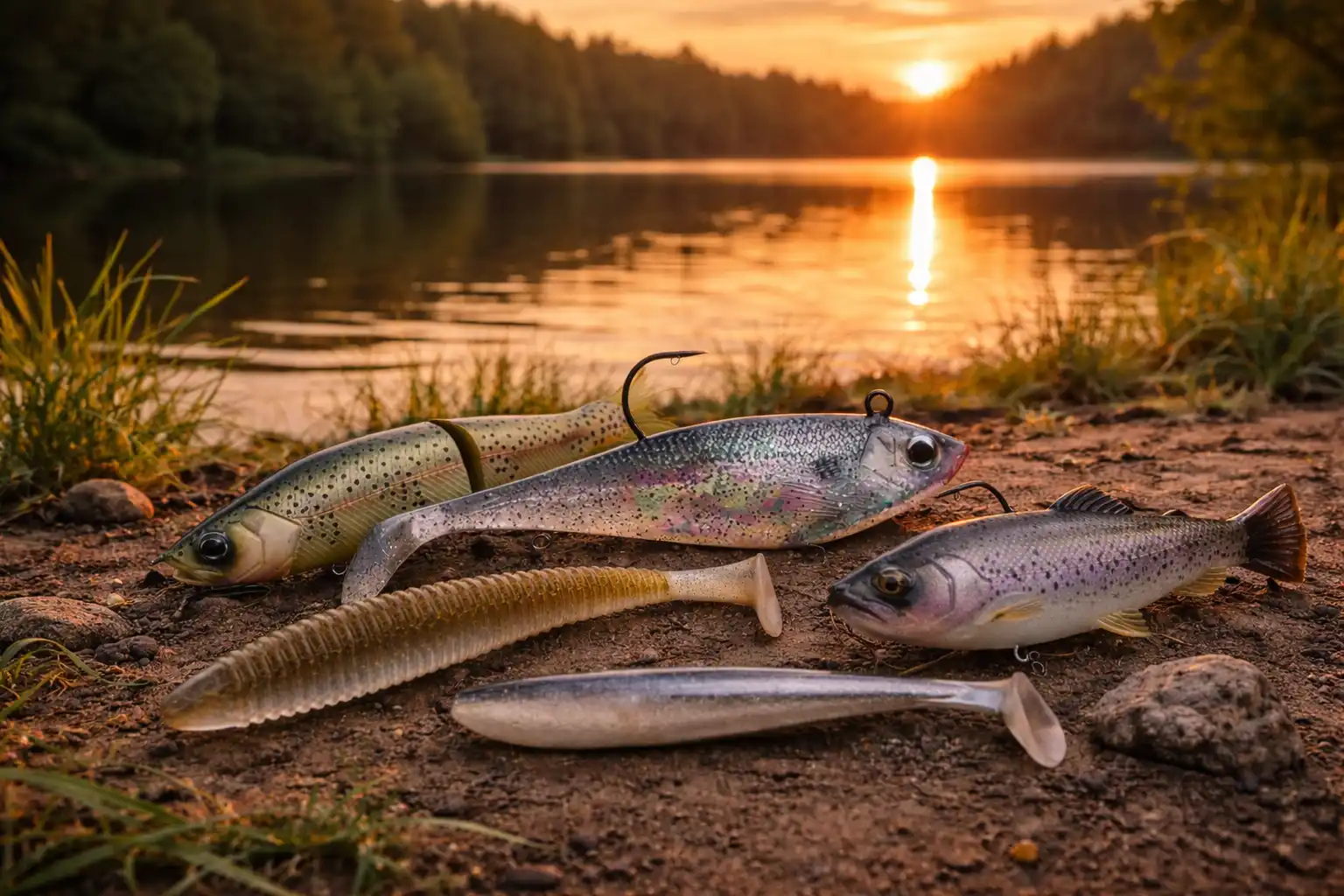
Below are five proven spring pike swimbaits that repeatedly delivered results during our early-season testing.
Quick List: Best Spring Pike Swimbaits (2026)
If you are in a hurry, here are five proven swimbaits that consistently produce spring pike:
- Savage Gear 3D Pulse Tail Trout RTF 8″ — realistic trout swimbait designed for targeting large spring pike in shallow lakes and bays
- Storm WildEye Swim Shad 5″ — pre-rigged paddle tail swimbait that works well in cold spring water and shallow feeding zones
- Keitech Easy Shiner Swimbait — highly realistic soft swimbait with strong vibration for rivers, canals, and warming flats
- River2Sea S-Waver 120 Glide Bait — slow glide swimbait that triggers reaction strikes from big pre-spawn pike
- Strike King Rage Swimmer 4.75″ — versatile paddle-tail swimbait ideal for shallow vegetation and stained spring water
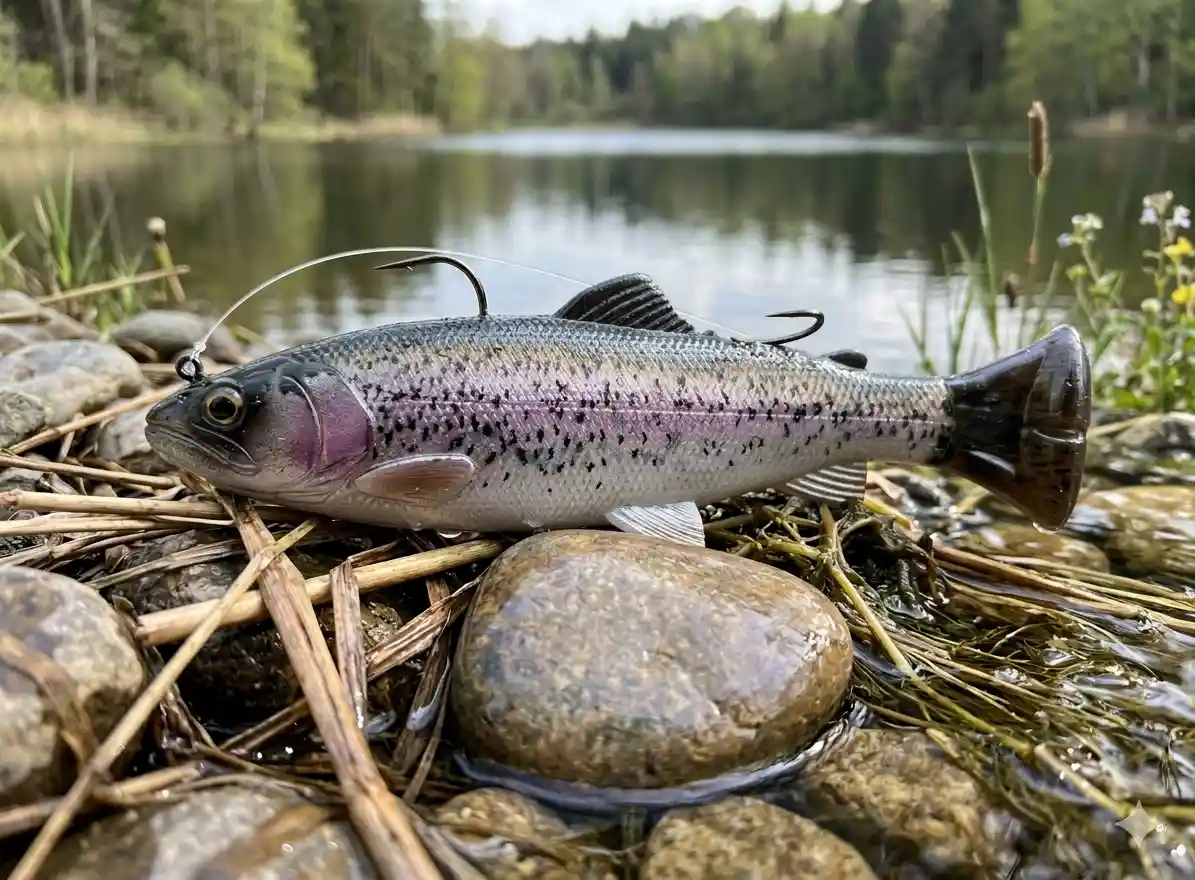
Savage Gear 3D Pulse Tail Trout RTF 8″ — Best Big Swimbait for Targeting Trophy Spring Pike (2026)
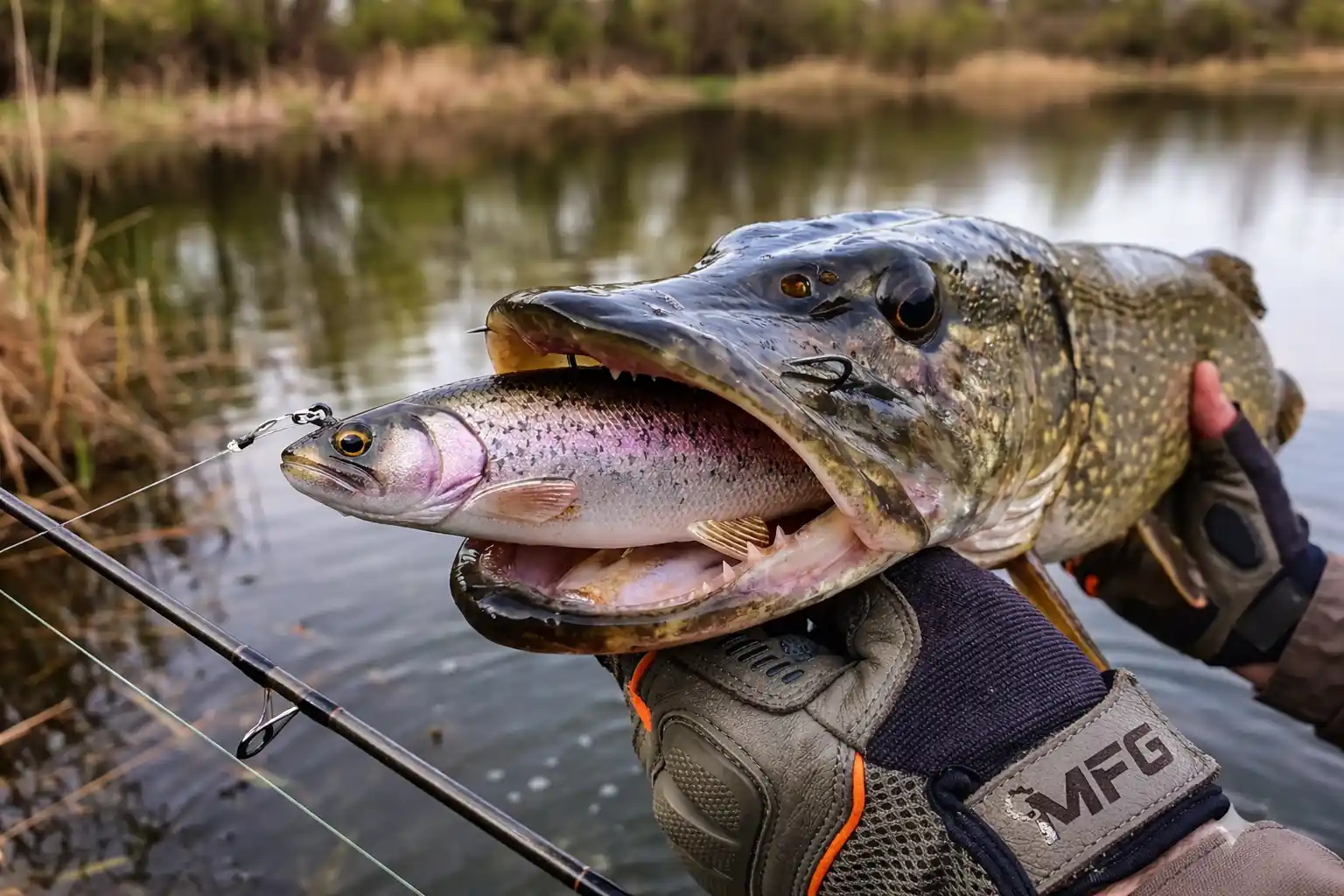
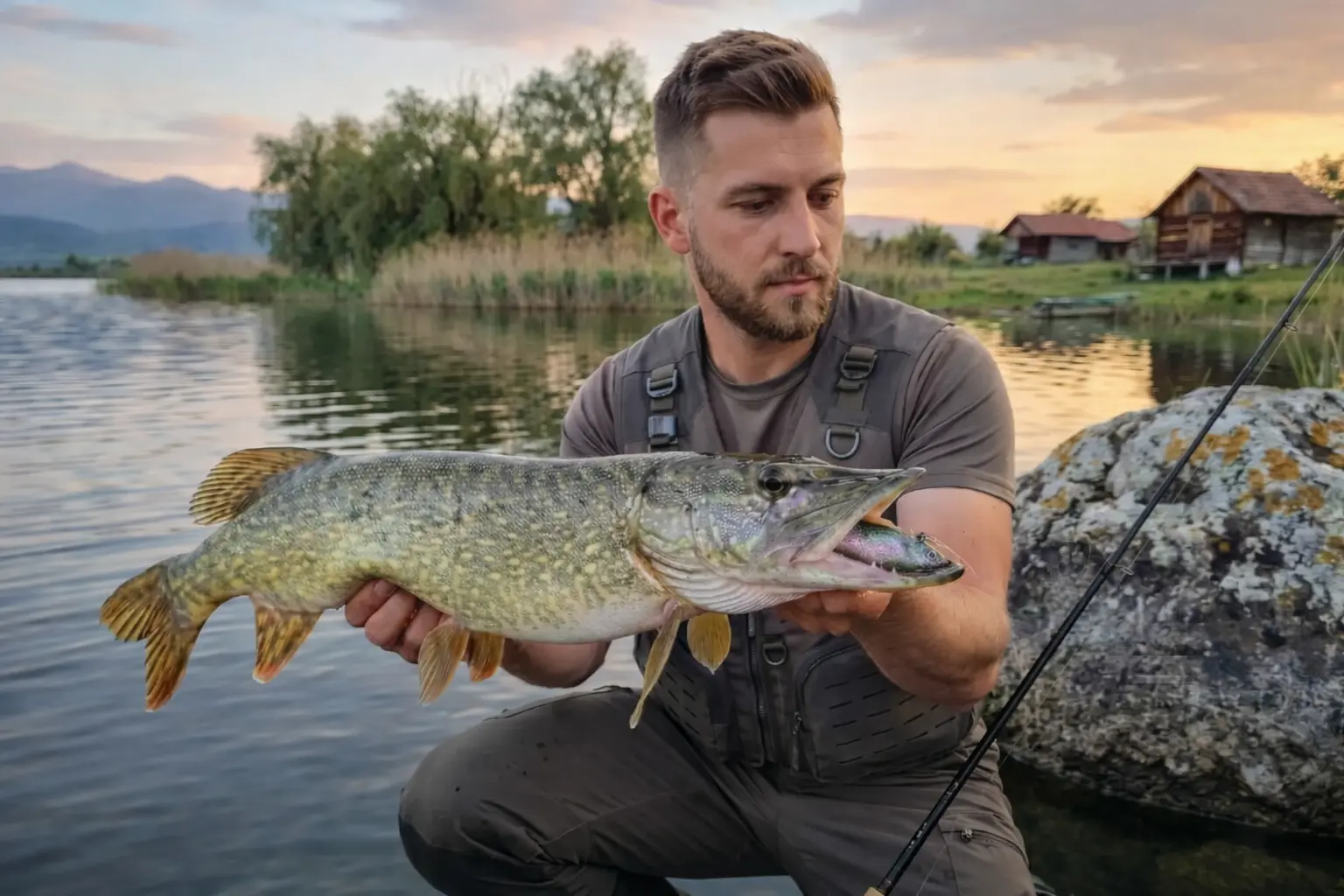
Savage Gear 3D Pulse Tail Trout RTF 8″ is a large-profile swimbait designed specifically for targeting big predatory fish like northern pike. In early spring, large female pike often look for a single high-calorie meal rather than chasing small baitfish. Instead of burning energy on multiple attacks, they frequently ambush one slow, vulnerable target. A large trout-profile swimbait perfectly matches that feeding behavior.
During early-season sessions the MFG Team repeatedly noticed the same pattern. When smaller lures triggered follows but no strikes, switching to a large swimbait suddenly changed the reaction. Big pike that ignored smaller baits often committed once a slow, realistic prey profile entered the strike zone. That is exactly the scenario where this trout swimbait becomes extremely effective.
| Specification | Details |
|---|---|
| Length | 20 cm (8 in) |
| Weight | 135 g (4 3/4 oz) |
| Type | Soft swimbait |
| Rig | Ready-to-fish internal harness (RTF) |
| Best Use | Targeting large spring pike |
During early spring, water temperatures often sit around 6–10°C (43–50°F). At that stage pike begin feeding again but they still conserve energy and rarely chase fast prey across long distances. Instead, they position along shallow structures and ambush something that looks slow and vulnerable. A large swimbait moving naturally through the water column perfectly imitates that situation.
Another reason anglers trust this lure is the extremely detailed 3D scan design. Savage Gear created this bait using realistic trout detailing and a pulse tail built to produce a subtle, lifelike swimming action. The oversized body creates a strong visual target, while the tail adds just enough movement to draw attention without looking unnatural. That combination often pulls bigger pike that refuse smaller or more aggressive lures.
How We Fish It in Spring
This lure works best when fished like a big, easy meal. A slow, steady retrieve is usually the most effective presentation. Instead of constantly twitching or killing the bait every few seconds, we prefer to let it swim naturally on a long, controlled path through the strike zone.
Our most consistent retrieve is simple: slow straight retrieve → slight speed change → back to steady retrieve. That small change in pace often makes the lure look like a trout trying to recover, and that is often enough to make a following pike commit.
Another productive approach is to crawl it low and slow over shallow structure, sparse weeds, or the first break outside a warming bay. This bait already has plenty of presence on its own, so it usually performs better when it is allowed to swim cleanly and naturally instead of being overworked.
Because this lure weighs about 135 g (4 3/4 oz), it requires proper swimbait gear. During our testing the MFG Team found that a best spring pike rod with enough backbone works best. That extra power helps both casting distance and hook penetration when a large pike hits aggressively.
Where It Excels
This swimbait performs best in large lakes, warming spring bays, and along drop-offs near spawning areas. Big pike often patrol these zones searching for large prey. When a slow-moving trout profile appears in that environment, it frequently triggers a powerful ambush strike.
Best Colors
Natural trout patterns usually produce the most consistent results. Ghost trout, rainbow trout, and silver baitfish patterns work extremely well in clear water. In slightly stained water, stronger contrast colors help the lure remain visible.
Selected Version
We recommend the 8-inch ready-to-fish RTF version. It offers an excellent balance between casting distance, realistic swimming action, and target size for large spring pike. This size consistently attracts bigger fish while still remaining manageable on most medium-heavy pike setups.
Savage Gear 3D Pulse Tail Trout RTF is one of the best swimbaits when targeting trophy-size spring pike that prefer a single large meal. When predators ignore smaller lures, this realistic trout swimbait often becomes the bait that finally triggers the strike.
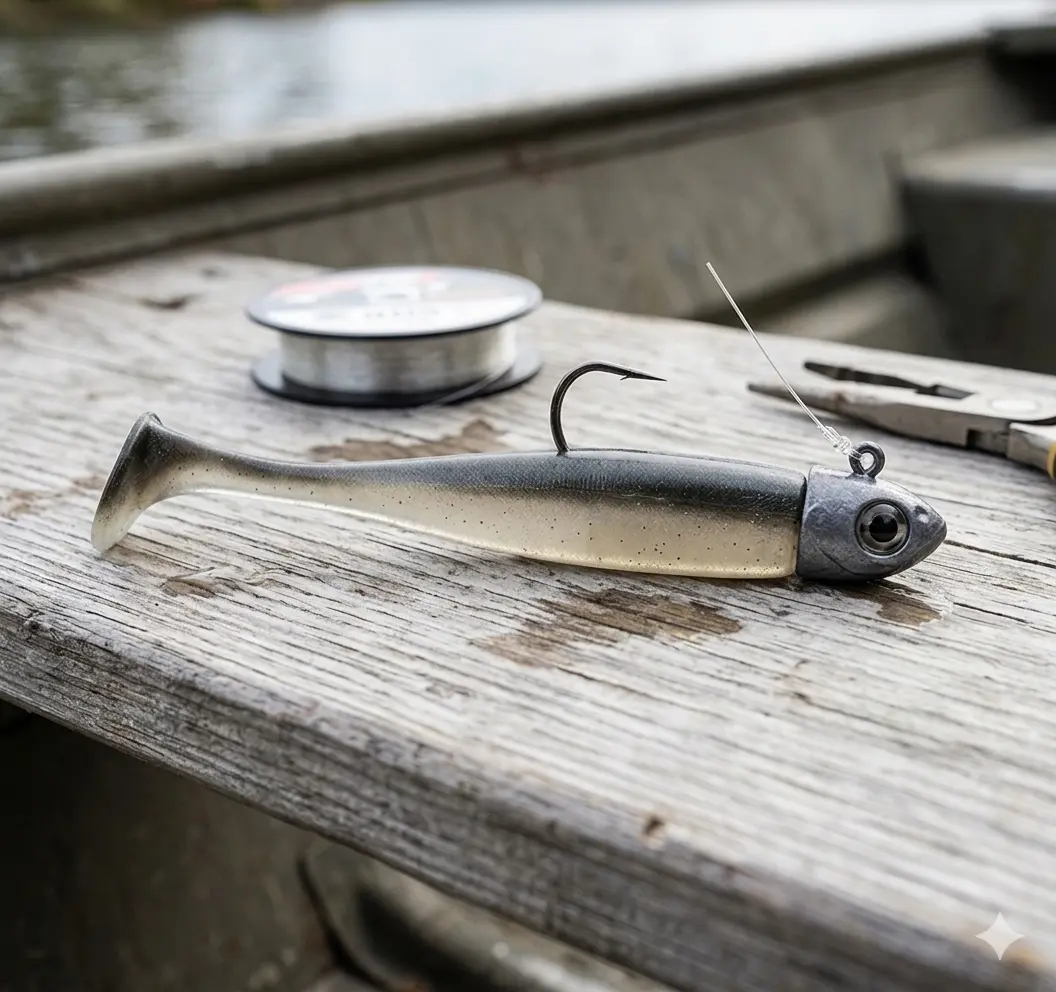
Storm WildEye Swim Shad 5″ — Reliable Paddle Tail Swimbait for Spring Pike (2026)
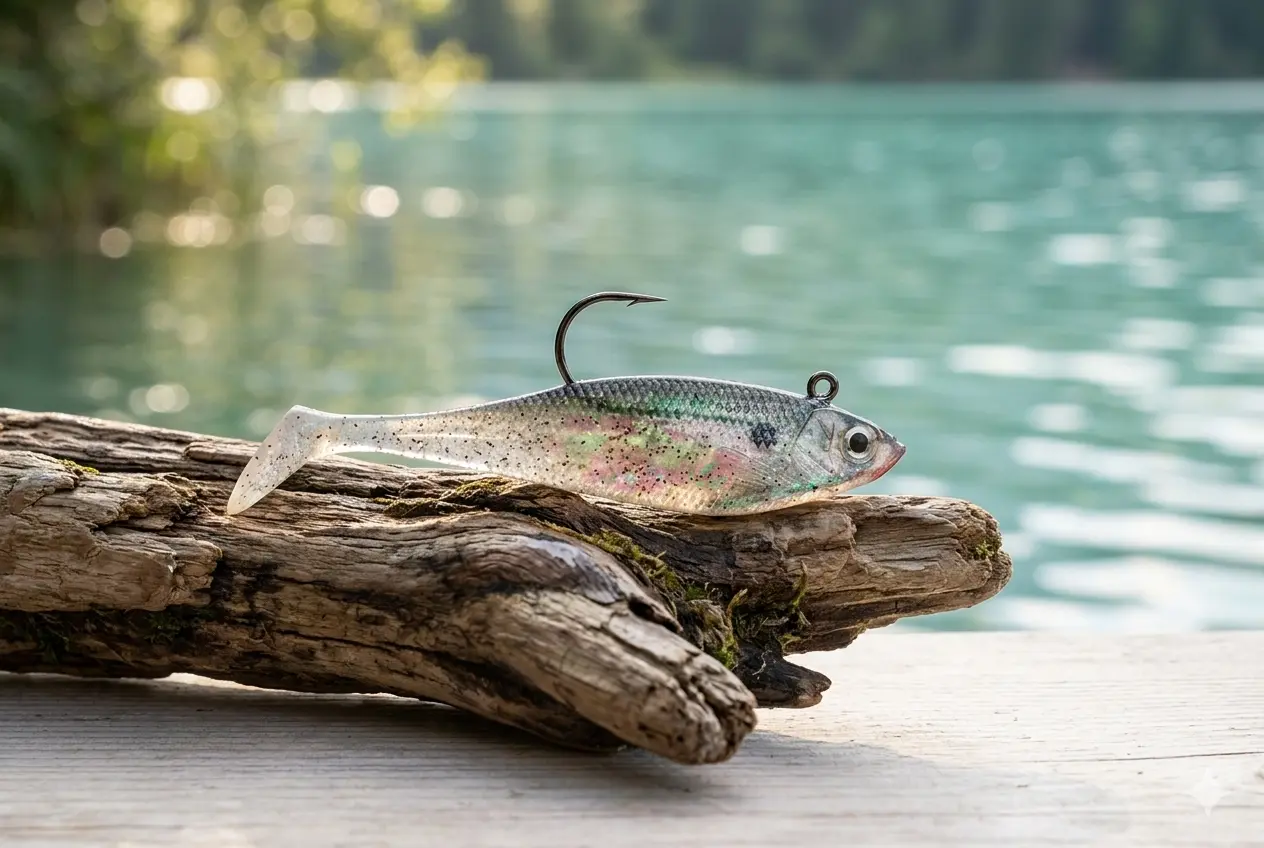
Storm WildEye Swim Shad 5″ is one of the most dependable paddle-tail swimbaits for early spring pike fishing. When water temperatures sit around 6–10°C (43–50°F), pike rarely chase fast-moving prey across long distances. Instead, they react to something that looks slow, injured, or easy to intercept. A compact paddle-tail swimbait moving naturally through shallow water often triggers that reaction.
Early in the season pike frequently hunt small baitfish that gather in warming shallow bays. In these conditions oversized lures sometimes trigger follows but not strikes. A smaller swimbait profile often matches the natural prey size much better. That is where the WildEye Swim Shad becomes extremely effective.
| Specification | Details |
|---|---|
| Length | 12.7 cm (5 in) |
| Weight | 21 g (3/4 oz) |
| Type | Pre-rigged paddle tail swimbait |
| Hook | Internal lead head with VMC hook |
| Pack | 3 lures |
How We Fish It in Spring
This lure shines when fished slowly through warming shallow water. A steady slow retrieve is usually the most reliable presentation. The paddle tail produces strong vibration even at low speed, allowing the lure to swim naturally while covering water.
Instead of constantly twitching the bait, we usually let it swim straight through the strike zone along weed edges, shallow flats, or the entrances of spring bays. That steady movement often looks like a small baitfish cruising slowly through warming water. Pike frequently intercept the lure without warning during this steady retrieve.
If fish follow but hesitate, adding a short stall can help. A brief 1–2 second pause allows the lure to drop slightly before it starts moving again. That momentary change in movement often triggers strikes from pike that were tracking the bait.
For solid hooksets and better control over larger fish, this lure works best on a medium-heavy spinning or casting setup with enough backbone to drive the hook through a pike’s tough jaw.
Best Colors for Spring Pike
Natural baitfish colors usually perform best. Shad, pearl, and silver patterns imitate the most common forage species. When the water becomes slightly muddy, brighter patterns such as chartreuse help the lure remain visible.
The 5-inch version remains one of the most versatile paddle-tail swimbaits for spring pike. When predators ignore larger lures, this compact swimbait often becomes the bait that finally triggers consistent strikes.
Keitech Easy Shiner 5″ — One of the Most Effective Soft Swimbaits for Spring Pike (2026)
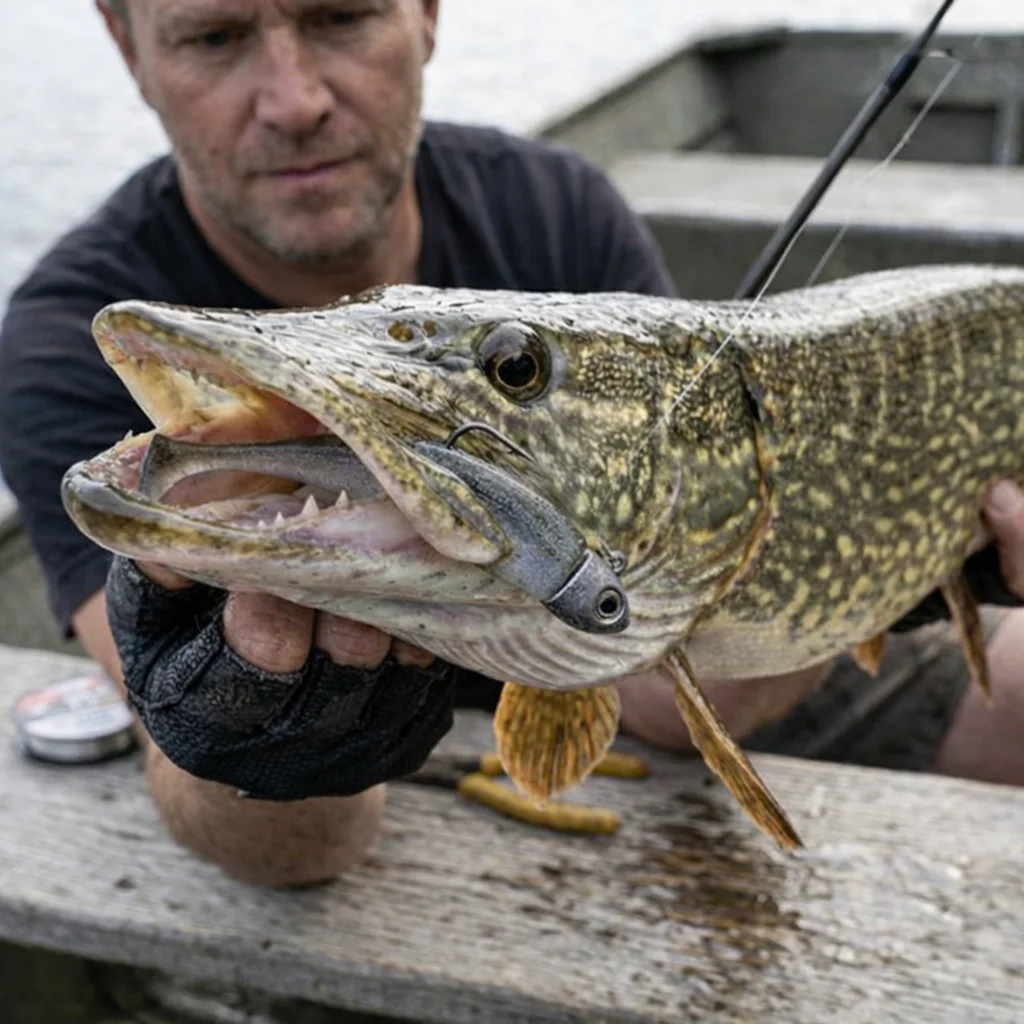
Keitech Easy Shiner 5″ is one of the most widely used soft paddle-tail swimbaits among modern predator anglers. In early spring pike often feed on smaller baitfish gathering in warming shallow water. Instead of attacking large prey, they frequently pick off compact and vulnerable targets. A realistic soft swimbait that moves naturally at slow speed perfectly matches that situation.
Unlike many soft plastics that require aggressive retrieves, the Easy Shiner begins swimming immediately. Even a very slow retrieve produces a smooth paddle-tail action that looks extremely natural underwater. This subtle movement often convinces cautious spring pike that the bait is real.
| Specification | Details |
|---|---|
| Length | 12.7 cm (5 in) |
| Pack Size | 5 pieces |
| Material | Soft plastic |
| Color | Pro Blue Red Pearl |
| Type | Soft paddle-tail swimbait |
How We Fish It in Spring
This lure performs best when fished like a small baitfish struggling close to the bottom. The most productive presentation is usually a slow lift-and-fall retrieve. Instead of reeling constantly, the lure is allowed to sink and glide naturally between rod movements.
Our typical retrieve looks like this: slow lift of the rod tip → controlled drop → brief pause. When the lure falls back toward the bottom, the paddle tail continues to move subtly. Many spring pike strikes happen exactly during this falling phase.
Another effective approach is a very slow straight retrieve along shallow structure such as weed edges, small drop-offs, or bay entrances. Because the Easy Shiner starts swimming immediately, even extremely slow retrieves still create a natural baitfish profile.
Best Jig Heads for the Easy Shiner
Because this lure is a soft swimbait, pairing it with the correct jig head is important. For spring pike fishing, the following jig weights usually work best:
- 10–12 g (3/8 oz) for shallow bays and warming flats
- 14–18 g (1/2 – 5/8 oz) for slightly deeper water or windy conditions
- 20–21 g (3/4 oz) when fishing deeper edges
Always use jig heads with strong reinforced hooks. Pike have extremely hard jaws and lighter hooks can easily bend during the fight.
Why This Swimbait Works for Spring Pike
The 5-inch Easy Shiner perfectly imitates small baitfish that pike hunt during early spring. Its soft body, subtle vibration, and natural swimming motion make it one of the most reliable soft swimbaits when predators refuse faster lures.
River2Sea S-Waver 120 — Deadly Glide Bait for Big Spring Pike (2026)
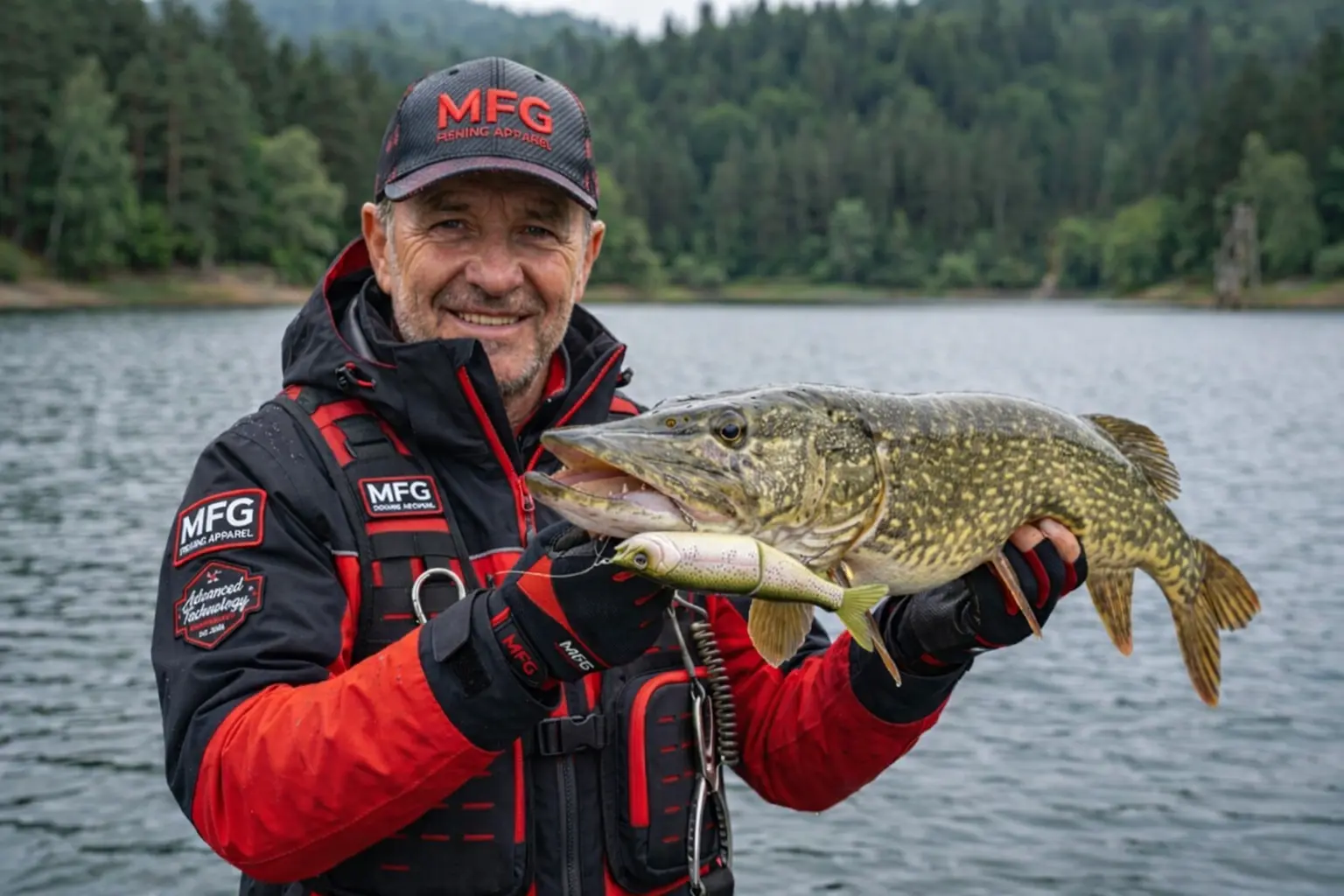
River2Sea S-Waver 120 is one of the most well-known glide baits used by predator anglers targeting large pike. Unlike paddle-tail swimbaits that create constant vibration, glide baits rely on a wide side-to-side swimming action. This natural gliding movement often triggers aggressive strikes from big pike.
During early spring many large pike patrol shallow structure looking for slow and vulnerable prey. Instead of chasing fast lures, they often track a bait carefully before committing. A glide bait that slowly moves across the strike zone and then stalls briefly often triggers that final attack. That is exactly where the S-Waver becomes extremely effective.
| Specification | Details |
|---|---|
| Length | 12 cm (4 3/4 in) |
| Weight | 33 g (1 3/16 oz) |
| Type | Two-piece glide bait |
| Material | PVC |
| Brand | River2Sea |
How We Fish It in Spring
The key to fishing glide baits is patience and controlled movement. A slow retrieve combined with gentle rod taps produces the most natural glide action. Each small twitch makes the lure slide sideways, creating the wide “S” pattern that predators visually track.
Our most consistent retrieve looks like this: slow retrieve → light rod twitch → short pause. Pauses usually last around 1–3 seconds. When the lure stops gliding and hangs briefly in the water column, it suddenly looks like a stunned baitfish. Large pike often strike exactly during that moment of hesitation.
Another productive approach is a steady slow glide retrieve. By simply reeling slowly and allowing the lure to swim freely, the S-Waver produces a wide side-to-side movement that can attract curious pike from several meters away.
Where This Glide Bait Works Best
The S-Waver performs extremely well around shallow bays, weed edges, and structure transitions where pike patrol during early spring. Because glide baits create a wide visual profile, they often trigger strikes from larger fish that ignore smaller lures.
This lure is especially effective when targeting bigger spring pike. The slow glide action imitates injured prey and frequently provokes reaction strikes from territorial predators.
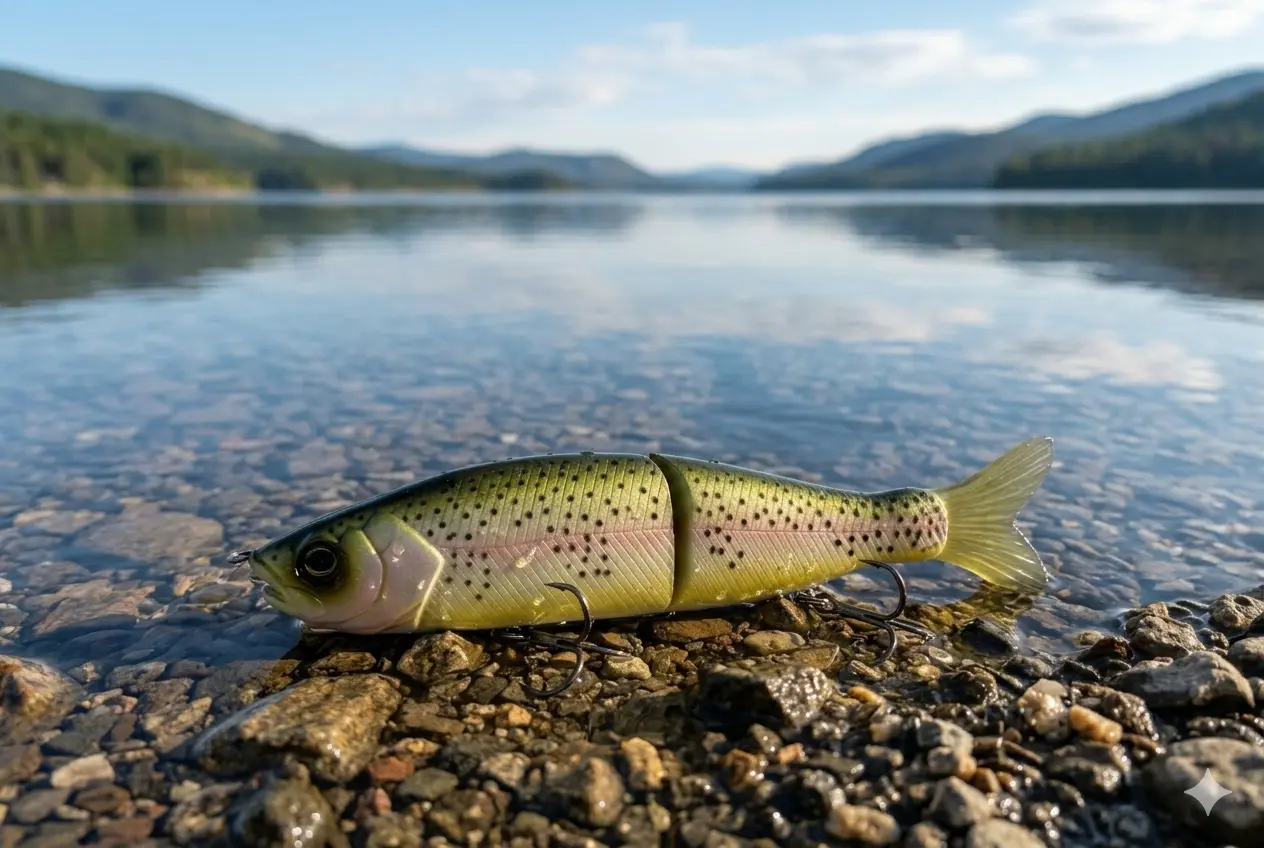
Strike King Rage Swimmer 4 3/4″ — High-Vibration Paddle Tail That Triggers Spring Pike Strikes (2026)
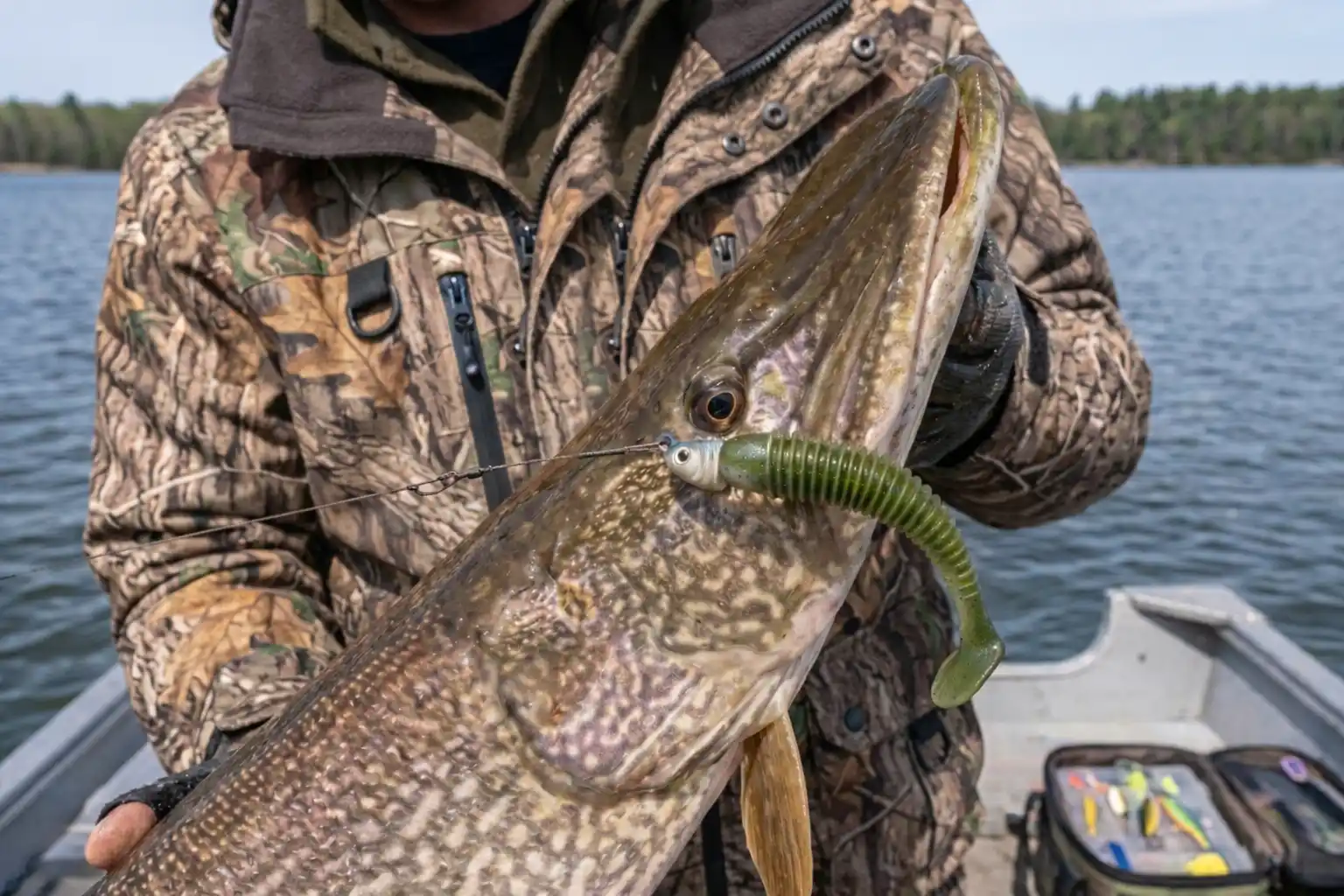
Strike King Rage Swimmer 4 3/4″ is a soft paddle-tail swimbait known for producing noticeably stronger vibration than many similar lures. That extra movement can make a huge difference during spring when pike rely heavily on their lateral line to detect prey. Even when retrieved slowly, the Rage Swimmer pushes a surprising amount of water and creates a clear swimming signal.
During several early-season trips we noticed that some subtle swimbaits triggered follows but failed to make fish commit. When the water became slightly stained or windy, pike often reacted better to a lure that produced a stronger vibration. The Rage Swimmer frequently solved that problem because the paddle tail sends out a more pronounced pulse.
| Specification | Details |
|---|---|
| Length | 12 cm (4 3/4 in) |
| Pack Size | 7 pieces |
| Material | Soft plastic |
| Color | KVD Magic |
| Type | Soft paddle-tail swimbait |
How We Fish It in Spring
The Rage Swimmer performs best with a simple presentation that allows the paddle tail to work naturally. A slow to medium retrieve is usually the most productive approach. Unlike ultra-subtle swimbaits, this lure produces strong vibration even when moving slowly.
Our most reliable retrieve pattern is: steady retrieve → short slowdown → steady retrieve again. That small change in speed often makes the lure look like a baitfish struggling in the current. Many pike strikes occur exactly during that brief slowdown.
Because the lure pushes more water than many soft swimbaits, it performs especially well along weed edges, shallow bays, and slightly stained water where pike rely more on vibration than vision. In these conditions the Rage Swimmer can outproduce subtler soft plastics.
Best Jig Heads for the Rage Swimmer
Pairing the bait with the correct jig head is important for maintaining its natural swimming action. For spring pike fishing, the following jig weights work very well:
- 10–12 g (3/8 oz) for shallow warming bays
- 14–18 g (1/2 – 5/8 oz) for medium depths and windy conditions
- 20–21 g (3/4 oz) when fishing deeper edges
Always choose jig heads with reinforced hooks designed for predator fishing. Strong hooks help ensure solid penetration when a large pike strikes aggressively.
Why This Swimbait Works for Spring Pike
The Rage Swimmer stands out because of its strong vibration and visible swimming action. That extra movement helps pike locate the lure even when visibility is reduced. When predators ignore quieter swimbaits, this paddle-tail often becomes the lure that finally triggers a strike.
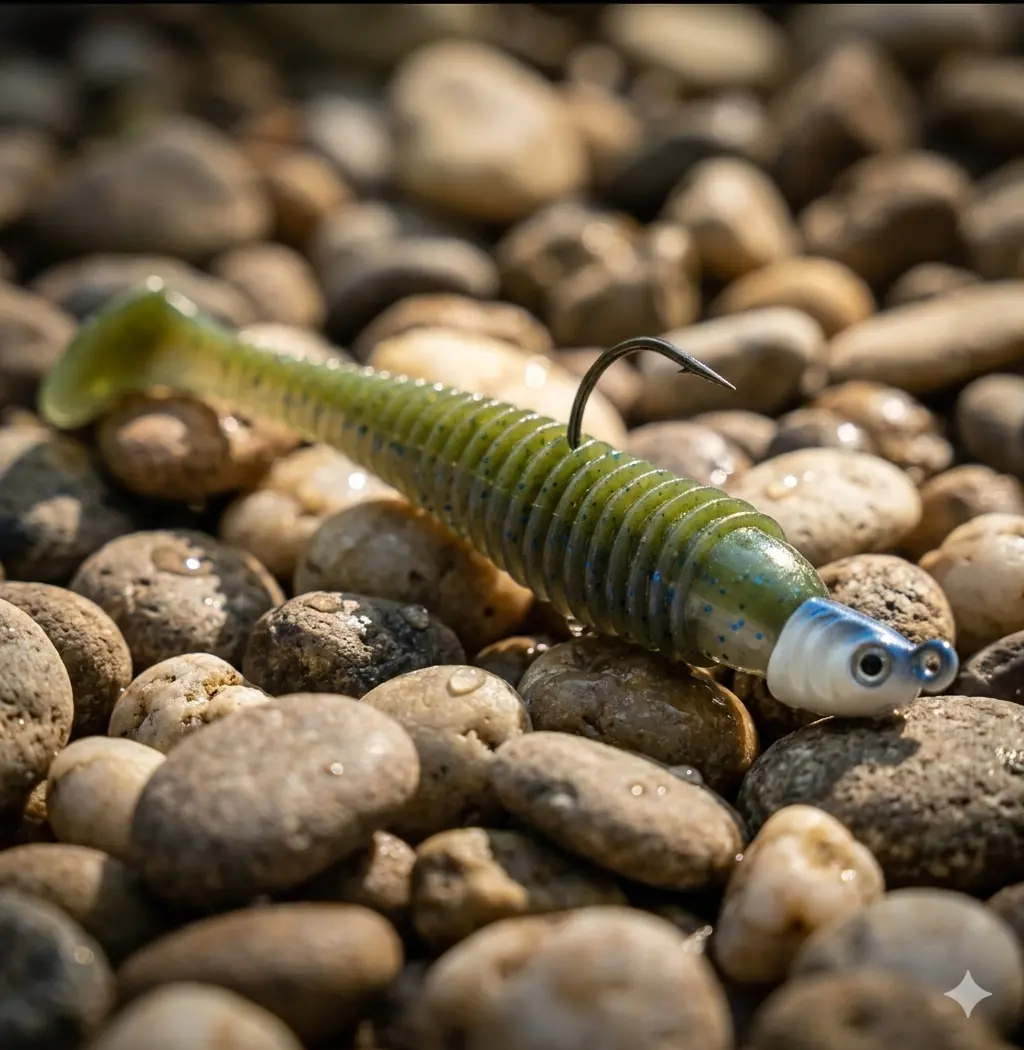
Spring Pike Swimbaits in Real Fishing Conditions
Spring pike swimbaits become extremely effective once pike begin moving into warming shallow water. Slow retrieves, natural baitfish profiles, and subtle movement often trigger strikes from fish that are still cautious after winter. In many situations a well-presented swimbait can outperform faster lures, especially when pike are following bait but not fully committing.
If you enjoy testing different swimbaits or experimenting with new spring pike tactics, you can also share your catches and experiences with the Master Fishing Guide Facebook Page.
Spring Pike Swimbaits FAQ
What size spring pike swimbaits work best?
Most anglers find that spring pike swimbaits between 4 and 8 inches (10–20 cm) produce the most consistent results. Smaller swimbaits imitate the baitfish that gather in warming spring bays, while larger swimbaits often attract bigger female pike looking for a high-calorie meal after winter.
How do you fish spring pike swimbaits in cold water?
The most effective way to fish spring pike swimbaits is with a slow and controlled retrieve. Pike in cold water rarely chase fast prey, so anglers usually rely on slow retrieves, lift-and-fall presentations, or occasional pauses that make the lure look like a weakened baitfish.
Do large swimbaits work for spring pike?
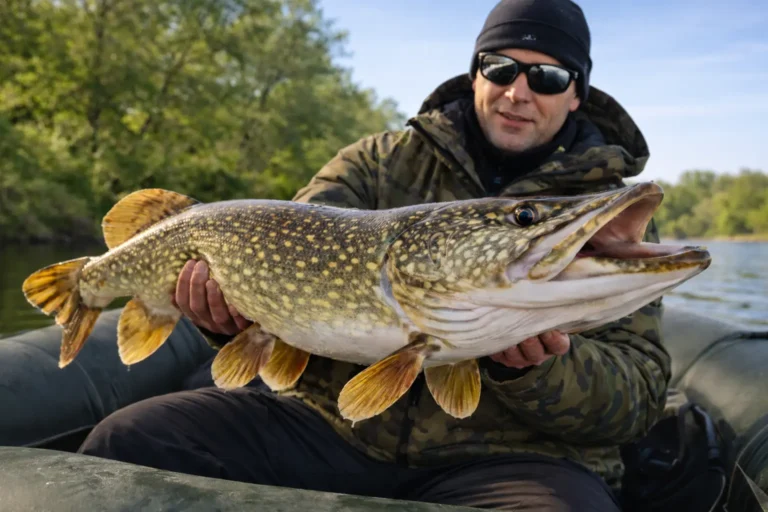
Yes. Large spring pike swimbaits often trigger strikes from bigger fish. Female pike preparing for the spawn frequently prefer one large meal rather than chasing small baitfish, which makes larger swimbaits surprisingly effective during early spring.
Where should you fish spring pike swimbaits?
The best places to use spring pike swimbaits are shallow bays, warming flats, weed edges, and structure transitions near spawning areas. These locations concentrate baitfish and often attract pike searching for easy prey.