


Best Reels for Pike Fishing in Cold Water 2026 (Durable, Smooth & Freeze-Resistant)
After years of chasing pike through early ice and near-freezing rivers, I’ve learned one thing the hard way — your reel can make or break your entire winter session. We’ve tested dozens of models across lakes and rivers that hit 0 °C (32 °F), watching which reels kept running smooth and which turned into frozen bricks after a few casts. If you want the full strategy for locations, timing and lure choice, read our winter pike fishing guide. In this guide, I’ll break down exactly why having the right reel in cold water isn’t just a comfort — it’s survival for your gear and your chances of landing a fish when everything around you is freezing solid.

As an Amazon Associate, we earn from qualifying purchases — no cost to you. That’s how we keep this site running. Read more ›
Cold conditions expose every weakness in your setup. Cheap grease thickens. Line rollers lock up. Spools collect ice and your drag starts jerking instead of running smoothly. That’s why choosing the correct reel type — from spool design to internal materials — becomes crucial once temperatures fall below 5 °C (41 °F). Below we’ll cover what really matters, starting with the spool, the heart of your reel’s performance in winter.
Quick List — Best Cold-Water Pike Reels 2026
If you are in a hurry, here is our top-tested selection for freezing conditions:
- Shimano Vanford 4000 — lightweight finesse reel with excellent sub-zero performance
- Daiwa BG MQ 3000 — strongest monocoque metal body reel for brutal winter conditions
- Abu Garcia Revo X — best budget cold-water spinning reel for mild freezing temperatures
- Penn Battle III — fully sealed heavy-duty winter reel for snow, sleet and icy spray
- Daiwa Prorex X LT (2026) — best finesse cold-water reel for slow retrieves and light lures
- Daiwa Prorex MQ LT (2026) — sealed monocoque frame reel made for extreme sub-zero pike fishing
Top Cold-Water Pike Reels for 2026 – Tested and Proven
1. Shimano Vanford 4000 — Ultralight Winter Pike Reel with Zero-Freeze Performance
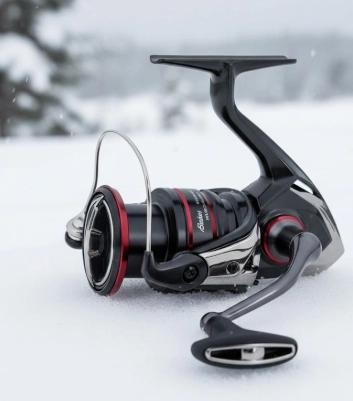
The Shimano Vanford 4000 is the pinnacle of finesse and durability in the “Magnumlite” series. When pike fishing in winter, fatigue is your biggest enemy. The Vanford’s Ci4+ body is not only incredibly light but also does not transmit cold to your hand as quickly as traditional metal frames—a huge advantage in sub-zero temperatures.
Key Technical Highlights:
- MGL Rotor: Provides an ultra-light startup, essential for feeling the subtle “thump” of a lethargic winter pike.
- Hagane Gear & X-Ship: Ensures the internals remain perfectly aligned even when under the pressure of a trophy fish.
- SilentDrive Technology: Eliminates microscopic play and noise, giving you a seamless connection to your lure.
The Long Stroke Spool improves casting distance even with stiff, cold braided lines. With a line retrieve of 87 cm per turn and a massive 11 kg (24 lb) drag, it handles powerful strikes with ease. If you value precision and don’t want a heavy setup weighing you down through layers of winter clothing, the Vanford is the gold standard.
Check Price on Amazon: Shimano Vanford 4000
2. Daiwa BG MQ 3000 — Best Heavy-Duty Reel for Brutal Sub-Zero Pike Fishing
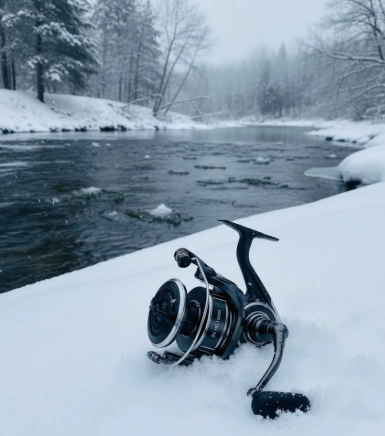
The Daiwa BG MQ (Monocoque) is a beast designed for those who don’t let a blizzard stop them. Unlike traditional reels that use multiple screws to hold the sideplate, the MQ design uses a one-piece body that allows for a much larger DigiGear system. This means more power, more torque, and fewer moving parts that can fail when the grease starts to thicken in the cold.
Why it dominates in winter:
- Monocoque Aluminum Body: Offers zero flex and keeps water/ice out of the gear box more effectively than standard designs.
- ATD (Automatic Tournament Drag): This is crucial; it stays smooth at the start of the run, preventing line snaps on “ice-cold” brittle knots.
- Rubber Seals: The MQ construction provides superior weather sealing against freezing rain and sleet.
It’s heavier than the Vanford, but that mass provides incredible stability when you are using heavy gloves and wrestling a 10-kg (22-lb) pike. This is the reel you buy if you want it to last for a decade of winter seasons.
Check Price on Amazon: Daiwa BG MQ 3000
3. Abu Garcia Revo X — Best Budget Cold-Water Spinning Reel for Winter Pike
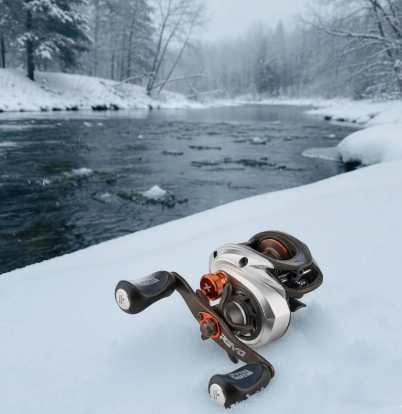
Reliability doesn’t always have to cost a fortune. The Abu Garcia Revo X is the “blue-collar” hero of this list. It features an IM-C6 (Insert Molded C6) carbon body design, which provides a lightweight yet stiff foundation for the gears. During our tests on frosty mornings, the Revo X stayed remarkably consistent.
Performance Specs:
- Carbon Matrix Drag: Provides a smooth, consistent drag pressure across the entire range, even when the thermometer hits 0 °C.
- 7 Stainless Steel HPCR Bearings: Offers high-performance corrosion resistance (perfect if you fish brackish water or salted roads are nearby).
- Rocket Line Management: Specifically designed to reduce “wind knots”—a lifesaver when your fingers are too numb to untangle line.
It’s the perfect entry-level professional reel for late-fall and mild-winter pike sessions. It handles the basics perfectly without the premium price tag.
Check Price on Amazon: Abu Garcia Revo X
4. Penn Battle III — Fully-Sealed Metal Reel That Won’t Freeze in Ice, Snow or Sleet
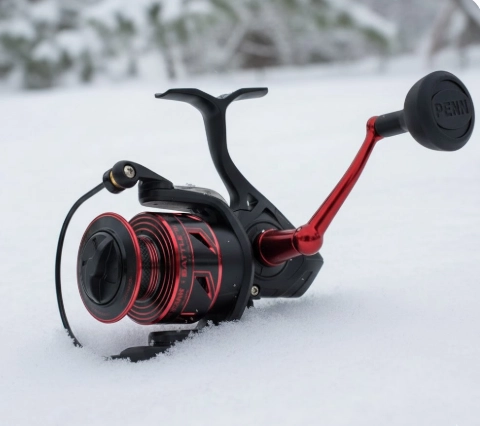
If your fishing style involves crawling through snowbanks and getting sprayed by icy waves, the Penn Battle III is your best ally. Penn is legendary for toughness, and the Battle III lives up to it with a Full Metal Body and sideplate. This reel is built to be abused.
The “Winter-Proof” Features:
- HT-100 Carbon Fiber Drag: These washers are greased with Penn’s proprietary lubricant that doesn’t seize up in extreme cold.
- Sealed Bearings: Keeps the “slush” out of the vital components.
- Superline Spool: Features a rubber gasket so you can tie braid directly to the spool without it slipping—an essential feature for winter setups.
The Battle III is a powerhouse. It’s slightly heavier, which actually helps balance longer, heavier pike rods. If you want a reel that feels like a tank and performs like one, this is it.
Check Price on Amazon: Penn Battle III
Can You Use a Baitcasting Reel in Winter?

Short answer: You can, but it’s a gamble below 0 °C (32 °F). Baitcasting reels rely on a fast-spinning spool; when water from the line gets into the braking system or the level wind, it freezes instantly. This leads to “professional overruns” (bird nests) and jammed gears. Furthermore, the thick grease inside many baitcasters becomes “sludge” in the cold, severely cutting your casting distance. For true cold-water pike fishing, spinning reels are the superior choice due to their open design and better tolerance for freezing moisture.
Best New Reels for Cold-Water Pike Fishing in 2026
Every year new reels hit the market, but only a few are truly ready for the harsh reality of winter. While most manufacturers chase speed and extreme weight reduction, we looked for models engineered to perform when temperatures plummet below 5 °C (41 °F). Two specific Daiwa releases for 2026 dominated our field testing: the Prorex X LT and the Prorex MQ LT. These aren’t just standard spinning reels; they are purpose-built machines for predator anglers who don’t have an “off-season.”
Daiwa Prorex X LT — The Most Reliable Precision Reel for Icy Conditions (2026 Edition)
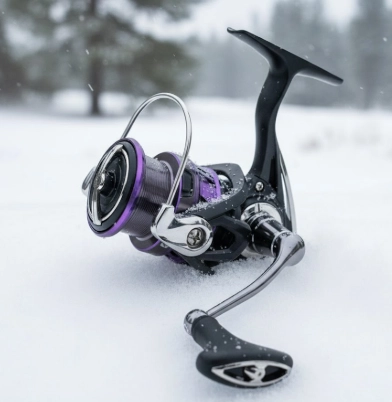
The Prorex X LT is designed for the angler who demands technical perfection without the premium price tag. The LT (Light & Tough) concept ensures that the reel remains incredibly easy to handle during long days on the water, while the internal upgrades make it a formidable opponent for winter pike.
Top Technical Features:
- Tough Digigear (TDG): Optimized gear teeth for increased cranking power and smoothness that doesn’t degrade in freezing air.
- Air Rotor: Reduces weight and improves balance, allowing for a more sensitive feel when using slow-moving soft plastics.
- Optimized Gear Ratio: Specifically tuned for slow-rolling lures—the most effective technique when pike are lethargic in cold water.
The Prorex X LT handles dense, icy air significantly better than its predecessors, with a redesigned spool lip that minimizes friction. It’s the ideal choice for technical pike fishing where lure control and “feel” are your top priorities even when your fingers are numb.
Check Price & Availability: View Daiwa Prorex X LT on Amazon
Daiwa Prorex MQ LT 4000 — Bulletproof Winter Pike Reel Built to Handle Sub-Zero Abuse
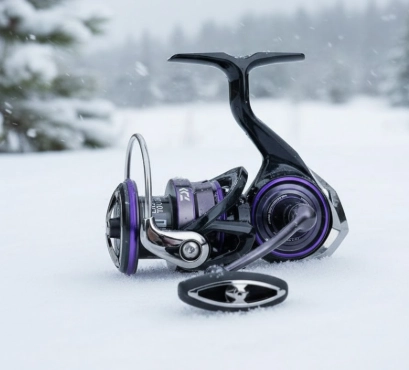
If you are targeting big winter pike in real cold – snow, freezing rain, ice on the guides – the Prorex MQ LT 4000 is the size that simply makes sense. The 4000 body gives you stronger gears, higher drag, and better line capacity without becoming too heavy for all-day casting.
By using the Monocoque (MQ) aluminum frame, Daiwa removed the traditional sideplate and reduced the number of entry points where water and slush can get in. In practice, that means fewer frozen bearings and a reel that keeps turning smoothly when the temperature drops below zero.
Why the 4000 size is perfect for winter pike in 2026:
- MagSealed main shaft: magnetic oil barrier keeps water, sleet and ice crystals out of the gear housing
- Oversized Tough Digigear: massive torque for fighting heavy pike in deep, cold water
- ATD drag system: no “cold-weather stutter”; drag starts smoothly even below 0 °C / 32 °F
- Ideal line capacity: easily handles 0.25–0.30 mm mono or 20–30 lb braid for winter leaders
This is not a finesse reel — it is a workhorse made for harsh weather. If your winter fishing includes big lures, jerkbaits, spoons or deadbait rigs, the Prorex MQ LT 4000 has the rigidity and sealing to survive the entire season without grinding or water intrusion.
Check price and availability: Daiwa Prorex MQ LT 4000 on Amazon
Both Prorex models solidify Daiwa’s position as the leader in cold-water engineering. While the X LT excels in precision and value, the MQ LT is built for pure, unadulterated power and environmental sealing. No matter which you choose, you are getting a reel that is ready for the ice-cold challenge of 2025 pike fishing.
Best Materials and Gears for Cold-Water Reels
After testing reels in temperatures from 5 °C (41 °F) down to −10 °C (14 °F), we found that what’s inside your reel matters more than the brand name printed on the side. When water and air temperatures drop, every material reacts differently — and that’s where most reels fail.

Reels with cold-forged aluminum bodies or metal alloy frames stayed rock solid. They didn’t flex, crack, or develop gear play even after long sessions on frozen banks. Meanwhile, cheap graphite reels warped under pressure, causing uneven line lay and jerky drag after a few hours of freezing exposure.
Inside the housing, brass drive gears clearly outperformed aluminum ones. Brass handles torque better and keeps its alignment when the cold stiffens everything around it. Combined with stainless-steel pinion gears, the setup stayed tight and smooth through every cold-weather test we ran.
Lubrication turned out to be the biggest hidden factor. Most standard oils turn thick as syrup once the temperature drops below freezing. The reels that kept spinning used synthetic low-temperature grease — the kind you’ll find in premium series like Shimano Vanford or Daiwa Tatula LT. This special grease keeps your bearings alive, drag washers consistent, and your handle free from resistance when everything else locks up.
Bottom line: if your reel isn’t designed for cold-water conditions, it will eventually freeze, drag will stick, and your line will snap at the worst possible moment. Investing in cold-rated materials and gears means your reel won’t die when the pike finally bites.
Shallow vs Deep Spool — The Hidden Factor in Cold-Water Pike Fishing
When the water gets cold, your line behaves differently. Thicker, stiffer, and more prone to freezing — and that’s where spool design steps in. Shallow spools are perfect for finesse setups using thinner braid (10–20 lb / 4.5–9 kg). They limit line memory, prevent coils from freezing on the edge, and make long casts easier in cold, dense air. Ideal when working small spoons or twitch baits slowly along weed edges.
Deep spools, however, are built for power — heavier baits, long retrieves, and big pike that make long runs. They carry more line (up to 200 m / 220 yds of 0.28–0.30 mm) and help maintain drag consistency when you’re pulling fish out of deeper, colder water. The trade-off? Slightly more weight, but more reliability under pressure.
During our cold-water tests, reels with cold-forged aluminum spools clearly outperformed cheaper graphite ones. Aluminum resists warping and icing better when temps hit −2 °C (28 °F) or below. It’s smoother, stronger, and transfers less moisture into the line — meaning fewer frozen layers and less downtime between casts.
How to Maintain and Protect Your Reel in Cold Weather
Winter fishing without proper reel care is the fastest way to destroy your gear. Low temperatures, moisture, and ice slowly attack bearings, grease, and internal seals. If you want your reel to last for years instead of months, treat it like precision equipment — not a disposable tool.

1. Always dry your reel after every trip. Wipe it down with a clean microfiber cloth as soon as you finish fishing, then let it dry completely at room temperature. Never leave it in the car or any cold storage — condensation turns into ice and creates micro-cracks in the metal parts.
2. Use lubricants rated for low temperatures. Standard greases thicken in the cold and lock your gears. Switch to synthetic low-temperature grease or oil with Teflon additives. Apply a minimal amount to the main shaft and bearings before each winter season.
3. Clean the spool and line roller regularly. In freezing weather, water from your line forms an ice layer along the lip of the spool and the roller. Remove the spool and gently brush off any frozen dirt or salt. Never use metal tools — even a small scratch can fray your line later.
4. Don’t use heat to dry your reel. Hair dryers, heaters, or direct sunlight can deform plastic or rubber seals. If you need to speed up drying, use normal room temperature and air flow. Heat damages seals faster than ice ever will.
5. Check your drag and handle movement. In cold conditions, grease inside the drag washers can stiffen. Turn the drag knob a few times during the day to keep it moving. If you feel any jerking or uneven resistance, it’s time to clean and re-lubricate.
6. Store it properly. When the season’s over, keep your reel in a protective bag or reel wrap, away from moisture. The ideal storage temperature is between 10–20 °C (50–68 °F) in a dry, stable environment.
Good maintenance takes only minutes but adds years to your reel’s life. A clean, well-lubricated reel doesn’t just last longer — it performs smoother, quieter, and with the same precision in January as it does in June. That’s the difference between replacing reels every season and landing trophies with the same trusted setup year after year.
How to Choose the Right Reel Size for Cold-Water Pike
Cold water often brings out the biggest, slowest predators — the kind that test every weakness in your setup. To stay in control, you need a reel that matches the weight of your lures, the power of your spinning rods, and the type of line you’re using. The key is choosing the correct reel size for the job.

In freezing conditions, a slightly larger reel is often the smarter choice. Models in the 3000–4000 range give you more torque and smoother drag performance when fighting heavy pike in deep, cold water. Smaller reels, like 2500, can work for finesse or shallow rivers, but they lose stability when big fish make long runs under the ice. The extra spool depth and line capacity of a 4000-size reel also reduce line memory, keeping your braid smooth and tangle-free even below 0 °C (32 °F).
If you’re fishing from a boat, that extra line capacity becomes even more important. Deep-water pike often strike far from the vessel, and a larger reel lets you maintain control without over-tightening the drag. Balance still matters — pair your setup so it feels neutral in your hand, not front-heavy or unstable. Once you dial in the right size, rod, and drag tension, every cast feels effortless, even in the middle of a freezing winter day.
Essential Cold-Water Reel Tips and Long-Term Care
Fishing in cold water pushes your equipment harder than any other season. Low temperatures affect metal expansion, lubricants, and even line behavior. When the water temperature sits near freezing, small details in maintenance decide whether your reel keeps performing or locks up mid-cast. That’s why taking care of your setup before and after each session isn’t optional — it’s part of your strategy.
The most common issue in freezing conditions is condensation. When you bring a cold reel into a warm car or cabin, moisture builds up inside the body and later freezes during your next trip. The solution is simple: let your reel warm gradually at room temperature and always wipe it dry before storage. If you notice stiffness in the handle or drag, that’s a sign that water has entered the bearings or shaft. A few drops of low-temperature reel oil will prevent corrosion and restore smoothness. Never use thick grease — it stiffens in the cold and adds resistance to delicate parts.

Reel balance also becomes more critical in the winter. A heavier, slightly larger reel can stabilize your rod during slow retrieves, especially when wearing gloves. If you’re using a 4000-size spinning reel, match it with a medium-heavy rod that feels comfortable even when your hands are numb. That combination not only improves control but also reduces fatigue during long days on the water. Cold-weather pike fishing often means fewer bites but bigger fish, so endurance matters just as much as precision.
Keep your drag slightly loosened when storing the reel overnight. This relieves pressure on the drag washers, preventing flattening or sticking after repeated freeze-thaw cycles. Before each trip, test the drag with your line — it should feel consistent and smooth, not jerky. A sticky drag can cost you a trophy fish, especially when a pike makes sudden runs under the ice edge or near submerged timber.
It’s also worth staying updated with official manufacturer advice. Brands like Shimano and Daiwa frequently release maintenance guides and winter preparation tips for their reels. Their news sections often include videos and articles on cleaning techniques, lubrication recommendations, and updates on new corrosion-resistant materials. Checking those official sources a few times a year keeps you informed about upgrades that can extend the life of your reel.
Cold-weather anglers who consistently care for their gear notice the difference over time. Their drags stay smoother, bearings last longer, and line lay remains consistent even after a full winter of use. A quick post-trip wipe-down, a few drops of the right oil, and proper storage habits can easily add years to a reel’s lifespan. That’s not maintenance — that’s investment. And when you’re out there in sub-zero wind chasing one bite all day, a reliable reel is worth every minute you spent keeping it ready.
In the end, cold-water fishing is about resilience — for both the angler and the equipment. Keep your reel dry, lubricated, and balanced, and it will return the favor when it matters most. Stay informed through trusted manufacturers, keep your gear prepared, and you’ll keep fishing while everyone else is packing up for spring.
FAQ — Cold-Water Pike Reels
What is the best reel size for winter pike fishing?
For most cold-water pike fishing, a 3000–4000 size spinning reel is ideal. These sizes give you enough line capacity for deep-water runs, stronger drag systems, and better leverage when fighting big, heavy winter pike. Smaller 2500 reels can work for light lures, but they reach their limits quickly when a big fish runs under the ice edge or along deep structure.
Can I use a baitcasting reel for pike in winter?
You can use a baitcasting reel, but it is not recommended below 0 °C (32 °F). Ice buildup on the spool, thickened grease, and frozen line guides make baitcasters much more prone to backlashes (bird nests) and mechanical failure. For true winter conditions, a quality spinning reel is the more reliable and easier option.
How do I stop my reel from freezing in cold weather?
The key is to use synthetic low-temperature lubricants and minimize moisture. Avoid dunking the reel and shake off excess water from the line. Never leave a wet reel in a freezing car overnight. Wipe the reel dry after each session and let it warm up slowly at room temperature instead of using direct heaters which can damage the seals.
What drag strength do I need for big winter pike?
For serious winter pike, a reel with a smooth drag in the 8–11 kg (17–24 lb) range is ideal. What matters most is not the maximum power, but the startup inertia—how smoothly the drag starts to release line in freezing conditions to prevent line snaps on big strikes.
What line should I use on my winter pike reel?
Most anglers prefer braided line (0.18–0.22 mm) for its superior sensitivity and hook-setting power. However, in extreme deep-freeze conditions, some switch to fluorocarbon or monofilament because they absorb less water, which significantly reduces ice buildup on the spool and guides.