

Best 5 Pike Lures for Autumn 2025 – Catch More Giants Now
As an Amazon Associate, we earn from qualifying purchases — no cost to you. That’s how we keep this site running. Read more ›
Fall Pike Fishing: Habitat & Behavior by Water Temperature
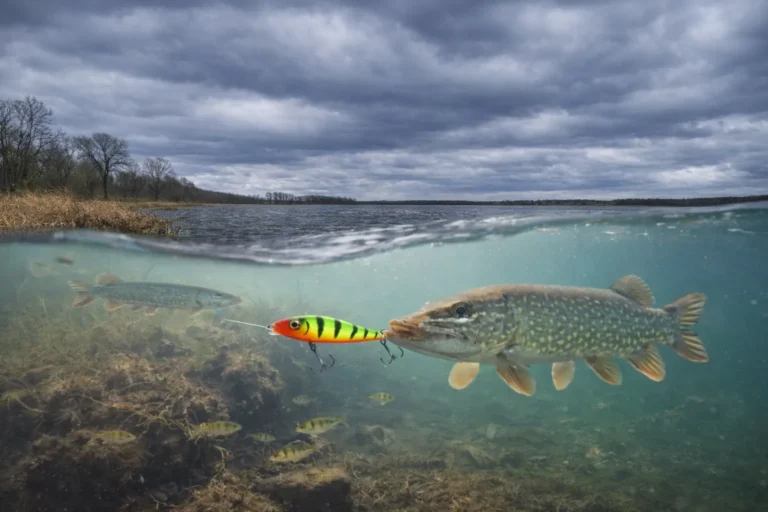
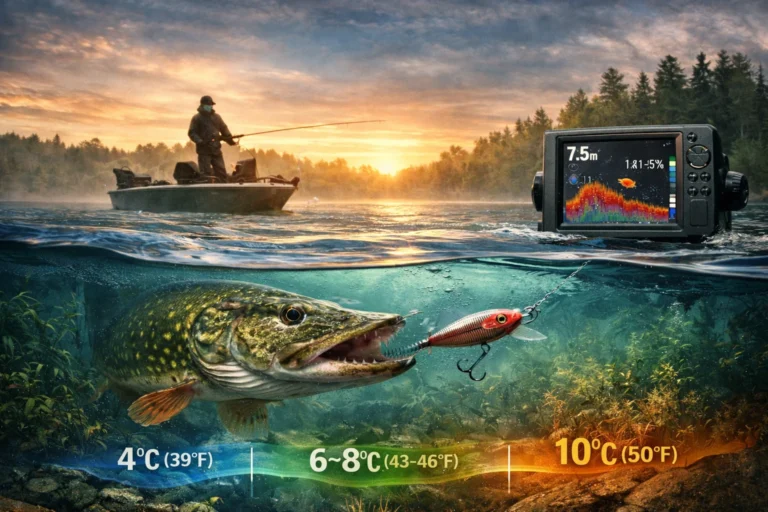
Understanding how pike react to changing water temperatures in fall is one of the biggest keys to consistent success. As the season progresses, their feeding patterns, strike zones, and preferred locations shift dramatically. When the water cools, baitfish schools move, oxygen levels change, and pike adapt by relocating to specific structures depending on temperature and light. By knowing where they position themselves during each phase of fall, you can match your lure choice and presentation perfectly — turning slow days into explosive ones.
Early Fall (Above 15°C / 59°F)
During early fall, northern pike remain aggressive and stay close to shallow weed lines, reed edges, and grassy bays where baitfish gather. Warm water keeps their metabolism high, so fast-moving lures like spinnerbaits and jerkbaits perform best. Focus your casts along shallow drop-offs and weedy points — areas that combine cover and easy ambush opportunities.
Mid Fall (10°C – 15°C / 50°F – 59°F)
As water temperatures drop, pike begin to transition toward deeper zones and mid-lake structures. They follow schools of baitfish into rocky slopes, submerged humps, and channel edges. This is when glide baits and suspending jerkbaits shine — they mimic injured prey moving just above the thermocline. Keep retrieves steady but slow, giving following fish time to commit.
Late Fall (Below 10°C / 50°F)
In late autumn, pike retreat to deep wintering holes, where oxygen levels are stable and water stays slightly warmer. Their strikes become less frequent but more deliberate. Soft plastics like the Mizugiwa Musky Dawg dominate here — use the lift-and-drop method to imitate dying baitfish. The key is patience: slow retrieves and long pauses near the bottom trigger cold-water giants.
Bonus Tip: Weather & Light Conditions
Cloudy days with mild winds are ideal for fall pike fishing — the reduced light lets them roam shallower during the day. On clear, calm days, target deeper edges and use natural-colored lures like silver, perch, or white to match local forage. Always monitor sudden temperature drops; they often trigger short feeding frenzies before the bite shuts down completely.
As temperatures drop and autumn settles in, pike behavior transforms completely. They become less mobile, more selective, and often strike only when the presentation feels natural. At MasterFishingGuide, our team spent weeks testing, comparing, and documenting lure performance across lakes and rivers throughout the cold season. Every strike, every follow, and every miss was logged in detail to bring you this field-tested selection of the Top 5 Pike Fishing Lures for Autumn 2025.
For a full breakdown of lure types, retrieves, and seasonal behavior, explore our in-depth Lure Fishing Guide.
MFG Recommended Lures for Autumn Pike
After logging countless casts and comparing results, these are the lures that truly stood out. Each one earned its place on this list for a reason — consistency, action, and the kind of aggression that makes autumn pike unforgettable.
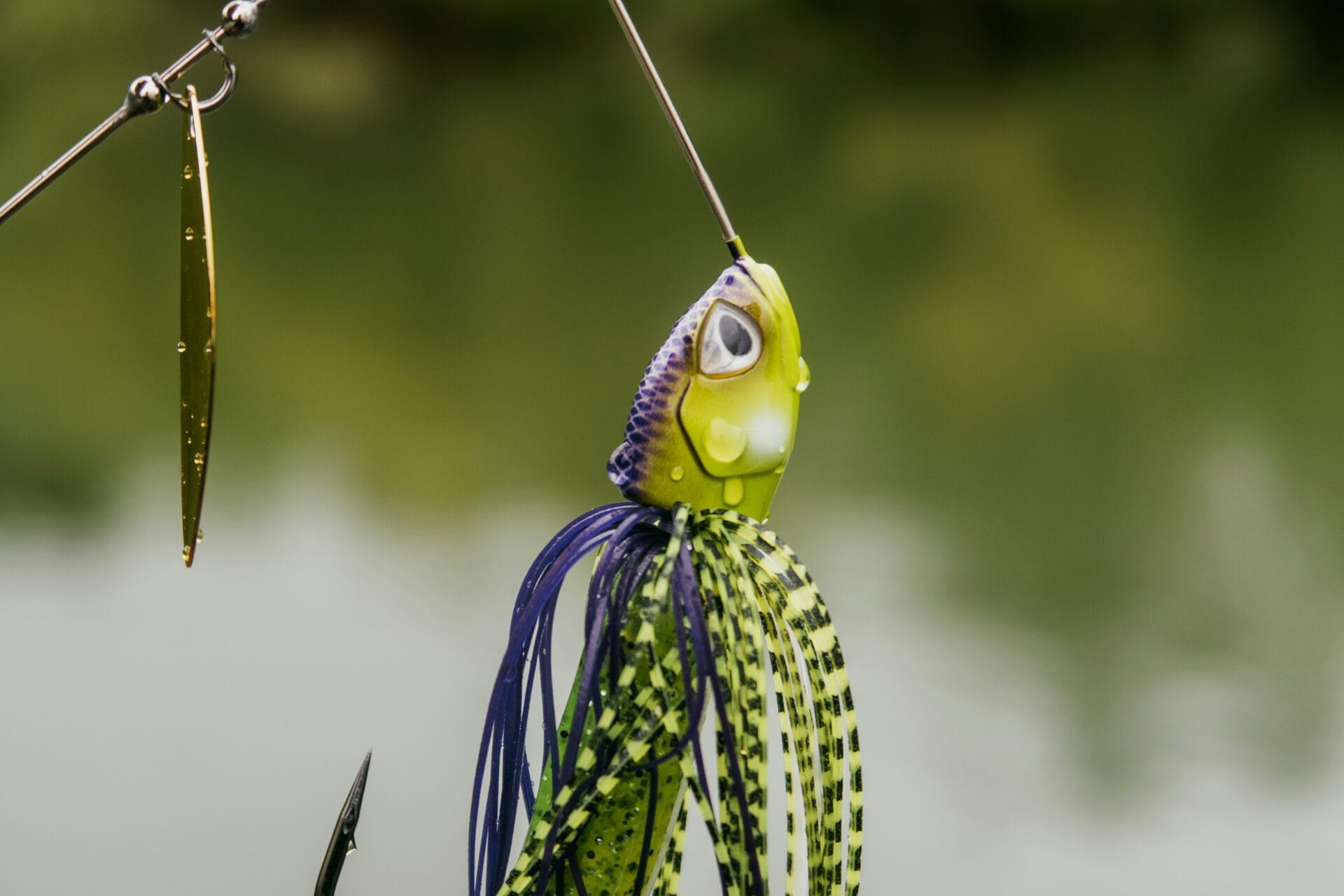
1) BOOYAH Pikee Spinnerbait
A spinnerbait never goes out of style — especially in the fall. Work it slow and steady just above vegetation or along submerged wood. The key is a rhythmic “slow roll” with short pauses every few turns of the reel.
Pike often attack the spinnerbait right after it stops moving. For clear water, use silver or white blades; for murky water, go with chartreuse or firetiger tones. Pair it with a strong
fishing reel that provides smooth drag for aggressive strikes.
Check on Amazon:
BOOYAH Pikee Spinnerbait
2) Rapala X-Rap Jerkbait (XR10)
The Rapala X-Rap remains one of the most versatile jerkbaits ever made. Its suspending action is deadly in cold water when pike hesitate to chase. Use a rhythm of
twitch – twitch – pause, and let it hang perfectly still between movements — that’s when most bites happen.
In clear water, natural patterns like perch or silver are ideal, while bright “hot head” or clown patterns excel in stained conditions.
Buy here:
Rapala X-Rap Jerkbait 10 (XR10)
3) River2Sea S-Waver 168 (Glide Bait)
Glide baits dominate when pike are following but not committing. The S-Waver 168 has an irresistible “S” motion that drives neutral fish crazy.
Retrieve it slowly and evenly, letting the bait glide left and right in long sweeps. Add a slight twitch now and then to trigger instinctive strikes.
Glide baits are best around drop-offs, rock points, and mid-depth flats where larger pike cruise in autumn.
View on Amazon:
River2Sea S-Waver 168
4) Mizugiwa Musky Dawg (Soft Bait)
When temperatures drop below 10°C, soft plastics become essential. The Mizugiwa Musky Dawg is a slow-moving soft bait that excels in deep water.
Use the lift-and-drop technique: raise your rod tip gently, then let the bait fall naturally.
That fall mimics a dying baitfish — a signal big pike can’t resist.
For better depth control, combine it with a sensitive spinning setup such as those from our
Best Spinning Rods collection.
See on Amazon:
Mizugiwa Musky Dawg Soft Bait
5) Sheldons Aglia Plain Treble – Silver (Size 2)
The Sheldons Aglia (commonly known as the Mepps Aglia) is one of the most iconic inline spinners ever made — and a proven killer for autumn pike.
Its silver blade produces intense flash in clear or lightly stained water, imitating the glint of a fleeing baitfish.
During our field tests, it excelled when the bite was tough — especially under calm, sunny conditions when other lures failed to trigger strikes.
The steady vibration from its rotating blade keeps pike interested even at slower speeds.
Retrieve tip: Cast long and retrieve with a slow, consistent spin, just fast enough to keep the blade turning.
Occasionally stop reeling for half a second and let the spinner flutter — that sudden pause often provokes a violent hit.
Check on Amazon:
Sheldons Aglia Plain Treble – Silver, Size 2
| Lure | Ideal Water Temperature | Optimal Depth | Best Retrieve Type |
|---|---|---|---|
| BOOYAH Pikee Spinnerbait | 10°C – 18°C (50°F – 65°F) | Shallow to Medium (3–12 ft / 1–3.6 m) | Continuous, Slow Roll |
| Rapala X-Rap Jerkbait | 8°C – 14°C (46°F – 57°F) | Medium (6–20 ft / 1.8–6 m) | Twitch-Twitch-Pause (Suspending) |
| River2Sea S-Waver | 10°C – 16°C (50°F – 61°F) | Medium to Deep (9–26 ft / 2.7–8 m) | Long, Uniform Sweeps (“S” motion) |
| Mizugiwa Musky Dawg | Below 10°C (Below 50°F) | Deep (15 ft+ / 4.5 m+) | Lift & Drop (Dying baitfish imitation) |
| Sheldons Aglia | Any (When the bite is tough) | Shallow (3–9 ft / 1–2.7 m) | Slow, Consistent Spin |
How to Work Each Lure in Autumn (Expanded Tips)
Spinnerbait: In autumn, as water cools and baitfish move shallow, spinnerbaits become deadly. Use a slow, steady “slow roll” retrieve along weed edges or rocky bottoms, keeping the blades barely spinning. When you feel the blades hit cover — pause for half a second, then continue. That sudden stop-and-go flash often triggers aggressive pike and bass that follow out of curiosity.
Jerkbait: As temperatures drop below 15°C (59°F), fish become less willing to chase. The key with jerkbaits is rhythm — two sharp twitches, then a long pause. Count “one-two-three-four” between pauses until you find what works. In colder water, extend pauses up to 6–8 seconds. Most strikes come when the bait sits motionless, suspended right in front of the fish’s face.
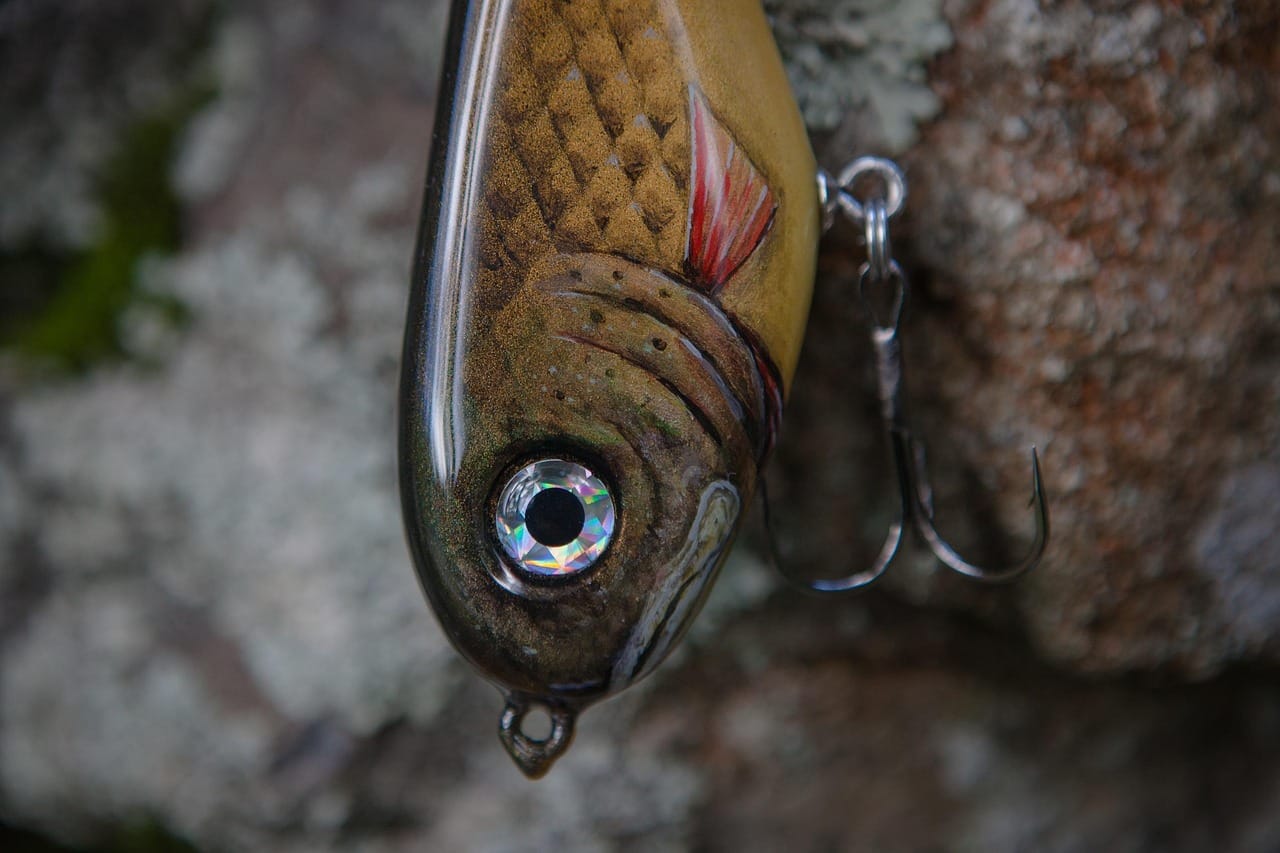
Glide Bait: Glide baits shine when fish are feeding on larger prey. Make long, sweeping rod movements to make the lure glide left-right in wide, natural arcs. Don’t overwork it — let the bait “swim” on its own. Add a short hesitation at the end of each glide — that moment of stillness often makes a following pike commit. Keep retrieve speed slow and steady; autumn predators prefer an easy target.

Soft Bait: Work your soft plastics methodically. Let the bait hit bottom, lift your rod tip slowly, then let it fall again under control. The fall is when most bites happen — predators ambush the lure as it drops. Use lighter jig heads for shallow flats and heavier ones in deeper channels. Vary the lift-drop speed until you find the mood of the fish that day.

Swimbait: Swimbaits are perfect for autumn when predators feed heavily before winter. Keep your retrieve straight and steady — consistency sells the illusion of a real baitfish. Occasionally pause or let it sink to imitate a wounded fish losing balance. Around drop-offs or submerged trees, a slow sinking swimbait with subtle tail movement can trigger monster strikes. When pike suspend mid-water, experiment with countdown retrieves to keep the lure at their level.
Explore Tested Fishing Gear
Serious anglers know that the right equipment makes the difference between a good day and a legendary one. Whether you’re chasing aggressive pike in autumn or targeting bass in warmer waters, having reliable gear is essential. Browse our full collection of rods, reels, lures, and accessories in the Shop Gear section — all carefully selected to match the needs of modern predator fishing.
Fall Pike Fishing Tips: Weather, Wind & Temperature Guide
Fall weather can make or break your pike session. Unlike summer, when fish feed predictably at dawn and dusk, autumn pike react to shifts in **barometric pressure**, **wind direction**, and **sunlight**. As the water drops below 15°C (59°F), the **pike feeding frenzy begins**. Learning how these factors influence their feeding can dramatically increase your strike rate.
Quick Summary of Best Pike Conditions: The optimal time to target pike in autumn is during **overcast days** with **moderate wind** (pushing water), when the **water temperature is between 10°C and 15°C** (50°F and 59°F), and when the **barometric pressure is falling** due to an incoming weather front.
Optimal **Water Temperature** and Feeding Triggers
A sudden drop in water temperature by 2–3°C (4–6°F) can cause a feeding burst that lasts only a few hours. If you notice overnight frost or a cold wind from the north, hit the water early — big pike often feed aggressively before settling into their deeper haunts. The peak activity window is typically when water is in the **10°C to 15°C range**. Below 10°C, switch to much slower presentations.
Wind Direction: Why You Must Fish the Windward Bank
A steady wind that pushes baitfish toward one side of a lake is your best friend. Always fish the **windward bank** — the side the wind is blowing toward — because baitfish get trapped there and pike patrol close behind. Avoid calm, windless days; surface stillness makes predators wary. When possible, cast into the wind and retrieve with the drift for the most natural presentation.
Light Conditions and Visibility
In **low-light conditions** — early morning, late evening, or **overcast days** — pike feed aggressively in the shallows. Bright, sunny days push them deeper, so switch to glide baits and soft plastics and slow down your retrieve. Overcast skies and a light ripple on the surface are the perfect mix for sustained bites throughout the day.
**Barometric Pressure** and Feeding Response
Pike respond strongly to changes in pressure. A **falling barometer** (approaching storm) often sparks intense feeding activity for a few hours, especially along weed edges. After the front passes and pressure stabilizes, bites usually slow down. When that happens, focus on deep structure and use slower presentations until the next pressure shift.
Pro Tip: Pre-Storm Feeding Windows
When a cold front is approaching and the wind picks up, expect a 1–2 hour feeding window right before the rain. Pike sense the pressure change and feed aggressively before conditions stabilize. If you see dark clouds forming — don’t leave the water. That short burst often produces the biggest fish of the season.
Top Locations for Autumn Pike Fishing
Location is everything when hunting fall pike. As water temperatures drop, pike follow baitfish migration routes and use structure as ambush points. Understanding how they use different environments helps you stay one step ahead.
Weedy Bays and Shallow Points (Early Autumn)
Early in the season, these areas hold warm water and high oxygen, drawing both baitfish and predators. Look for reed lines, lily pad edges, and submerged grass beds. Spinnerbaits, buzzbaits, and shallow jerkbaits dominate here. Cast parallel to the weed line, not across it, for longer lure exposure.
Rocky Drop-Offs and Points (Mid-Autumn)
Mid-season pike position along rocky breaks and ledges where depth changes quickly. They use these edges to ambush prey moving between shallow and deep water. Use glide baits or suspending jerkbaits, keeping them just above the drop-off zone.
Deep Wintering Holes (Late Autumn)
As the season ends and water dips below 10°C (50°F), focus on deep holes, submerged channels, and main-lake basins. Slow-moving soft baits like the Mizugiwa Musky Dawg or large paddle tails are ideal. The goal is to keep your presentation near bottom while maintaining natural movement.
Rivers and Current Zones
Don’t overlook slow-moving rivers in fall. Pike often hold near eddies, slack pockets, or behind obstacles where current delivers food. Use heavier lures or weighted soft plastics to maintain depth and control in moving water.
Feeding Patterns & Strike Timing in Cold Water
In cold water, pike no longer chase fast-moving prey for long distances. They conserve energy and rely on short, calculated bursts of speed. This makes your timing and presentation critical — most strikes occur during pauses, not during movement.
When water dips below 10°C (50°F), switch to lures that suspend or sink slowly. Let them sit in the strike zone for several seconds before twitching again. If you feel a faint tap, don’t rush — pike often inhale and hold the bait for a moment before committing. Count one or two seconds before setting the hook firmly.
Cold-water giants feed less frequently but with more intent. Your best window is often midday, when sunlight slightly warms the upper layer of water. Patience, precision, and slow rhythm are what separate big-fish hunters from casual casters.
Essential Fall Pike Fishing Gear Setup
Having the right setup in fall can make all the difference between a few small fish and a season-defining catch. Your rod, reel, and line need to match the colder, denser water and the heavier lures often used for big predators. A medium-heavy spinning or baitcasting rod around 7 to 7.5 ft (2.1–2.3 m) gives you both casting distance and backbone for strong hooksets.
Pair it with a smooth drag reel rated for 15–25 lb (7–12 kg) line. For main line, most fall pike hunters prefer braided line (30–40 lb / 14–18 kg) for sensitivity and strength, but always attach a fluorocarbon or steel leader about 12–18 inches (30–45 cm) long to resist sharp teeth. Leaders with small snaps let you change lures quickly while keeping presentation natural.
Cold water often demands precision and slower retrieves, so keep your reel drag slightly looser than usual to absorb sudden surges. Carry a small tackle box with essentials: spinnerbaits, glide baits, soft plastics, and jerkbaits in both natural and bright fall colors. This way, you can instantly adapt to changing water clarity, light, or mood of the fish — something that separates pros from casual anglers.
Learn More About Pike Behavior and Habitat
For verified biological data on distribution, habitat, and conservation, visit U.S. Fish & Wildlife Service’s Pike Profile.
FAQs About Fall Pike Fishing
What is the best time of day to catch pike in fall?
Midday to early afternoon, especially when sunlight slightly warms the surface, is ideal. Pike feed more actively as the light and temperature stabilize.
What is the best lure color for fall pike?
Natural shades like perch, white, and silver perform best in clear water, while chartreuse and firetiger stand out in murky or windy conditions.
Do pike bite in cold weather?
Yes — but they move slower and hit less often. Use suspending jerkbaits or soft plastics with long pauses to match their reduced metabolism.
What depth do pike stay at in late fall?
In late autumn, they hold between 15–30 feet (4.5–9 m), near drop-offs and main-lake basins, waiting for stable temperatures and oxygen.