

Best Spring Pike Lures (2026): 6 Proven Picks That Trigger Aggressive Spring Pike
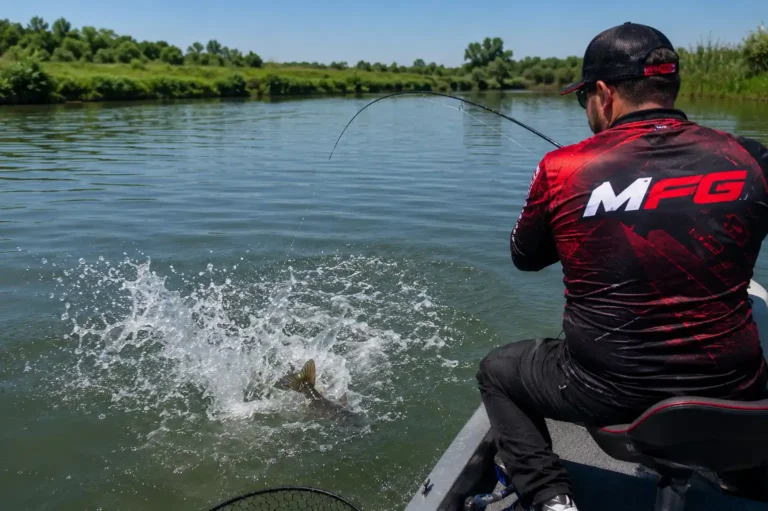
Spring pike lures are not about “what’s popular.” They’re about what still works when water is cold, fish are moving, and the bite window can open and close in minutes. In early spring, pike are not sitting in one winter hole anymore — they’re sliding along routes, checking warm edges, and feeding in short bursts when conditions line up.
We learned this the hard way over years of spring sessions on lakes and rivers — logging temperature changes, locations, and bite windows as the same pattern repeated. Once the water starts climbing through roughly 4–10°C (39–50°F), fish become more predictable, but only if you throw spring pike lures that match their mood and their exact position. That means baits that can be worked slow and controlled, yet still trigger aggression when a fish is staging on a bay entrance, a channel, or a dark-bottom flat.
While these lures are especially effective in the pre-spawn phase, they continue to produce throughout the entire spring season — the only real difference is how you present them.
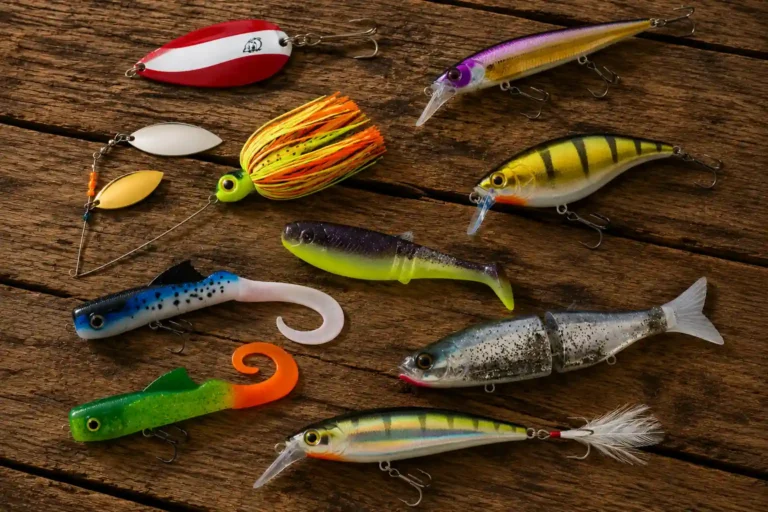
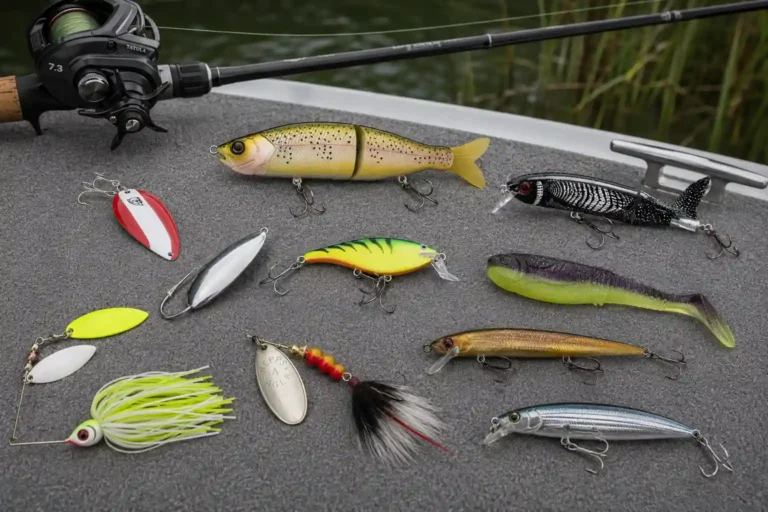
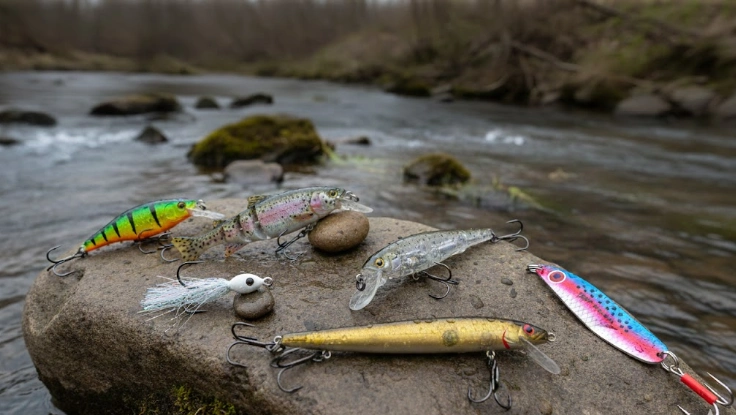
As the Master Fishing Guide team, we built this list the same way we build our location systems: on real time on the water. We’re not trying to cover every lure style ever made. We’re giving you six spring pike lures that cover the entire spring playbook — spoon flash for cold water, suspending jerkbaits for staging edges, a bladed jig for dirty or windy conditions, a glide bait for big fish that follow, and a classic floater for ultra-shallow warming zones.
As an Amazon Associate, we earn from qualifying purchases — no cost to you. That’s how we keep this site running. Read more ›
This is not a random “top list.” This is a real spring selection built around both pre-spawn movement and post-spawn recovery patterns. If you want the complete system for timing, routes, and where fish actually sit as the season flips, our spring pike fishing hub explains the full playbook — but this page is strictly about the lures that let you execute it.
Below you’ll find the six spring pike lures we trust when winter is fading, water is rising, and the biggest fish of the season are finally within reach.
Quick List: Best Spring Pike Lures (2026)
If you are in a hurry, here is our top-tested selection for the 2026 season:
- Mepps Syclops Spoon — best cold-water flash lure for routes, channels, and staging edges
- Smithwick Perfect 10 Rogue (Suspending Jerkbait) — best deep suspending jerkbait for pre-spawn staging fish
- Yo-Zuri 3DS Minnow 4″ — best finesse suspender for clear water and pressured spring pike
- Z-Man Original ChatterBait 1/2 oz — best vibration bait for wind, stain, and aggressive movers
- River2Sea S-Waver 120 Glide Bait — best big profile lure for followers and trophy pre-spawn fish
- Rapala Original Floater F11 — best shallow classic for warming bays and reed flats
Mepps Syclops Spoon — Best Spring Pike Spoon for Cold Water Flash & Migration Routes (2026)
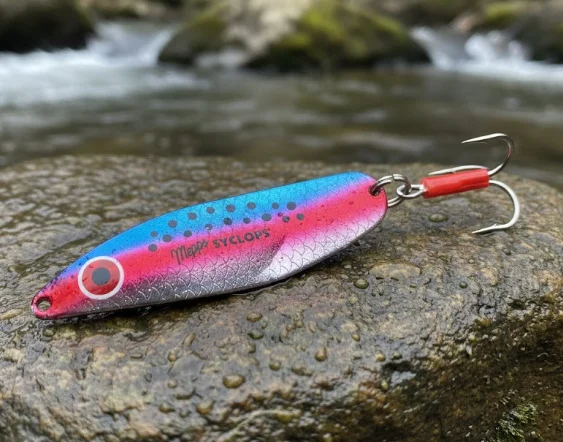
Mepps Syclops is the lure we tie on first when spring water is still cold and fish are moving instead of sitting. Early season pike rarely pin themselves to one spot. They travel. They slide along channels. They stage on bay mouths. They cruise edges looking for the easiest possible meal. And nothing signals “easy” faster than a slow, flashing spoon.
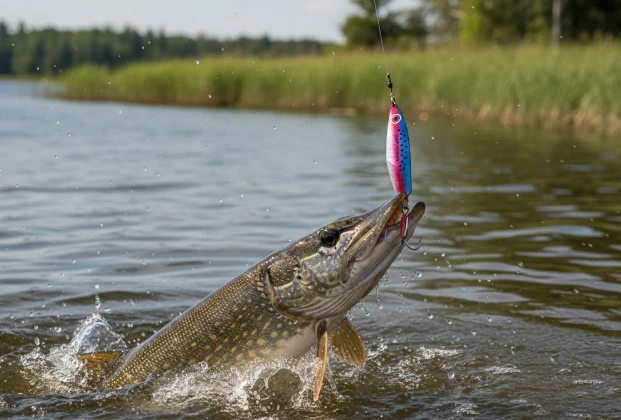
During pre-spawn, water often sits around 4–8°C (39–46°F). Pike are active, but they are not summer-aggressive yet. They won’t always chase a fast bait 10 meters. But they will absolutely intercept something that looks injured and drifting. That’s exactly what the Syclops does. Its wide body creates heavy side flash and a lazy, wounded glide even at slow speed. You don’t have to force action — the lure does it naturally.
What we like most is control. Spring fishing is about staying in the strike zone longer. With many hard baits, you either move too fast or sink too deep. The Syclops stays perfectly in that mid-depth window where migrating pike travel. It lets you cover water methodically without rushing. More time in the zone = more strikes.
How We Fish It in Spring
Long cast across the route → slow steady retrieve → short pause → repeat. That pause is critical. When the spoon flutters down like a dying baitfish, pike often hit on the drop. If water is colder, we slow down even more. In spring, slower almost always beats faster.
Where It Excels
This spoon shines on channel edges, bay entrances, and wind-blown banks where bait collects. It’s also perfect for searching new water because it casts far and stays stable. If you’re already using the movement logic from our winter pike depths system and simply following fish shallower, the Syclops fits that transition perfectly. Same lanes — just higher in the water column.
Best Colors
In clearer water, natural options such as Rainbow Trout, silver, or perch tones consistently produce more confident strikes. In stained or windy conditions, high-visibility patterns like Firetiger or chartreuse-based finishes help the spoon stand out. If fish follow but don’t commit, don’t change color first — slow your retrieve and extend the pause.
Selected Version
We recommend a mid-weight size that casts well in wind but still allows a controlled slow retrieve. Heavy enough to reach edges, light enough to flutter naturally. That balance is what makes this spoon deadly in spring.
Mepps Syclops is the most reliable “search and trigger” lure in our entire spring box. When you’re not sure where fish are sitting yet, this bait finds them fast and converts follows into strikes.
Smithwick Perfect 10 Rogue — Best Suspending Jerkbait for Pre-Spawn Staging Pike (2026)
Smithwick Perfect 10 Rogue is the lure we tie on when we know fish are there — but they refuse to fully commit. Classic early spring problem. You see follows. You mark fish on sonar. You feel “something bumped it.” But nothing sticks. That usually means one thing: pike are staging, not chasing.
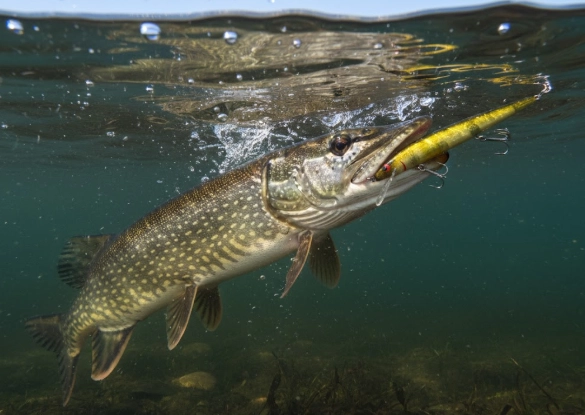
In pre-spawn water around 5–10°C (41–50°F), big pike conserve energy. They don’t want to sprint 5–6 meters for a bait. But they will absolutely eat something that hangs in their face and looks injured. That’s exactly what a suspending jerkbait does. Instead of constantly moving away, it stops — and just sits there. For a predator, that pause screams “free meal.”
The Perfect 10 has two huge advantages in spring. First, it reaches a little deeper than most standard jerkbaits, which is perfect for channel edges and staging shelves. Second, it truly suspends. When you pause it, it doesn’t float up or sink fast — it stays right in the strike zone. More hang time = more reaction bites.
How We Fish It in Spring
Twitch → twitch → long pause. That’s it. We’re not trying to look flashy. We’re trying to look wounded. Most of our spring strikes come during the pause, not the twitch. Sometimes we count 3–5 seconds. In colder water we go even longer. If you think you’re pausing enough, pause longer.
Where It Excels
This jerkbait dominates bay entrances, deeper lanes outside spawning flats, and clear water edges where fish stage before sliding shallow. It’s especially deadly when pike are stacked but not aggressive yet. The same pause-trigger principle is why our winter jerkbait lures work so well — spring simply moves the fish shallower and makes the pauses even more important.
Best Colors
In clear water, natural baitfish patterns like AYU, ghost minnow, or subtle shad tones get the most confident strikes. In stained water or low light, slightly higher-contrast finishes help the bait stay visible without killing realism. If fish follow without hitting, change cadence first — not color. Presentation beats paint.
Selected Version
We recommend the deeper-running suspending model that reaches mid-depth staging zones without digging bottom. Paired with a medium-heavy rod and strong leader, it gives perfect control and solid hooksets even at long pause distances.
Smithwick Perfect 10 Rogue is our “conversion lure.” When spoons or faster baits only get follows, this jerkbait turns hesitation into committed strikes. It’s one of the most consistent pre-spawn producers we own.
Yo-Zuri 3DS Minnow 4″ — Best Finesse Spring Pike Lure for Clear Water & Pressured Pre-Spawn Fish (2026)
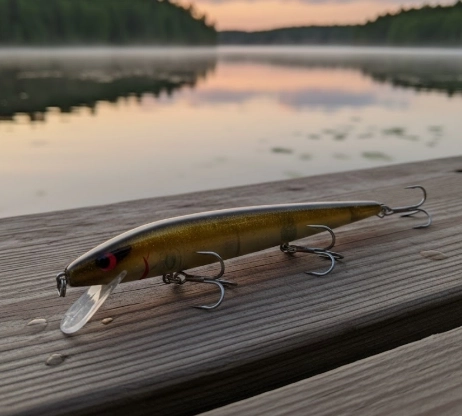
Yo-Zuri 3DS Minnow 4″ is the bait we reach for when spring pike are there — but they’re acting educated. That’s the early-season scenario most anglers hate: clear water, higher sun angle, visible follows — and the fish turns away at the last second. In those conditions, big, loud baits often lose. What wins is a lure that looks small, natural, and “easy”, while still giving full control.
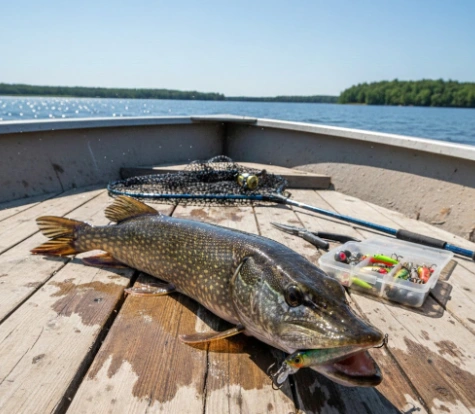
Pre-spawn pike can be aggressive, but they’re not reckless — especially in clear water or on lakes and rivers with heavy pressure. When temperatures sit around 5–10°C (41–50°F), you’ll often get fish that track a lure for meters and then refuse to commit. That’s not because the pike isn’t hungry. It’s because the presentation feels wrong. A smaller suspending minnow bait fixes that. It keeps the profile believable, controls speed, and holds position in the strike zone without forcing a chase.
The 3DS Minnow is a perfect bridge between winter-style patience and spring movement. You can fish it with long pauses, yet still cover water efficiently. As a true finesse suspender, it excels in zones where spring pike inspect before striking: channel edges, bay mouths, and the first clean breaks outside warming flats. This is the lure that turns followers into hits when everything else feels too big or too loud.
How We Fish It in Spring
Short twitch → short twitch → pause. No ripping. No panic action. In colder water, we extend pauses to 4–8 seconds. As water warms, we shorten the pause but keep the cadence controlled. If fish follow and don’t commit, we don’t speed up — we pause longer and let the bait look weak. That’s when the strike happens.
Where It Excels
This is a clear-water tool for staging edges, bay entrances, slow inside turns, and dark-bottom flats where pike slide up to feed but still hesitate. It shines right after short warming trends, when fish move but remain cautious. The science behind those narrow strike windows is explained in water temperature vs pike activity — this lure is built to exploit those moments without over-committing to speed.
Best Colors
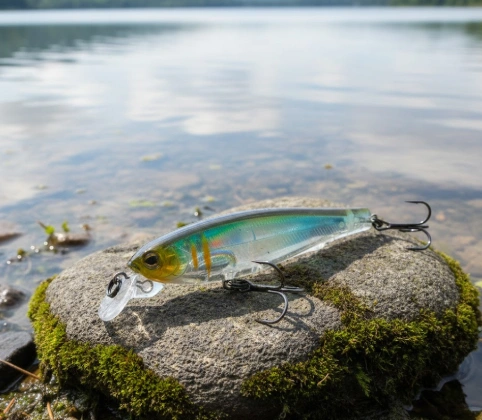
In clear water, natural and semi-transparent finishes work best. Our top producer is Holographic Ayu, which offers realism with just enough flash. In slightly stained water, choose higher-contrast patterns with a darker back and brighter belly. If fish follow but don’t strike, adjust cadence first — not color. With finesse baits, presentation always beats paint.
Selected Version
We stick to the 4″ size for spring. It’s the sweet spot: large enough to attract pike, small enough to look easy and natural. It casts well on lighter gear, suspends clean, and allows precise control during long pauses. Paired with a quality leader, it becomes the go-to option when spring pike are watching but not biting.
Yo-Zuri 3DS Minnow is our clear-water problem solver. When you’re seeing fish, getting followers, and missing conversions, this bait is the fastest way to turn a frustrating spring session into real bites.
Z-Man Original ChatterBait 1/2 oz — Best Spring Pike Reaction Lure for Wind, Stain & Aggressive Fish (2026)
Z-Man Original ChatterBait is what we throw when conditions turn ugly — and ugly is exactly what spring pike love. Wind. Ripple. Muddy edges. Clouds. Pressure drops. That’s not bad weather. That’s feeding weather.
Every season we notice the same thing: when the wind starts pushing into a bank or shallow bay, baitfish stack there fast. And when bait stacks, pike don’t get picky — they get aggressive. In those moments, subtle lures actually slow you down. You don’t need finesse. You need vibration, flash, and presence.
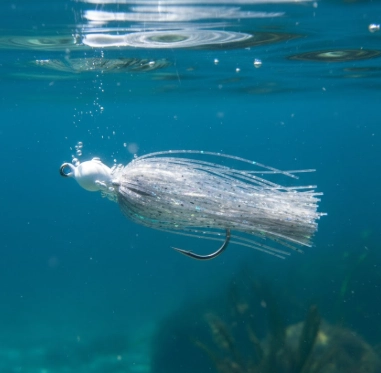
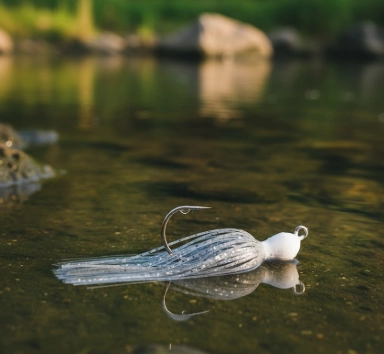
The ChatterBait hits all three triggers at once. The blade throws hard vibration. The skirt pulses like a panicked baitfish. And the whole lure stays incredibly stable even at slow speeds. In water around 7–12°C (45–54°F), when pike are cruising and actively hunting, this bait becomes pure efficiency. They feel it before they even see it.
During testing, this lure consistently outfished spoons and jerkbaits on windy days. Not because it’s better, but because it’s louder. Spring pike often strike on instinct. Reaction beats inspection. And the ChatterBait forces reaction.
How We Fish It in Spring
Slow-roll retrieve — keeping the bait just above the bottom while the blade thumps steadily. Just fast enough to feel the vibration. We’re not burning it like summer bass fishing. We want controlled presence. Then occasionally speed up for 1–2 seconds or rip it free from weeds. That sudden burst is what triggers violent hits. Most strikes feel like the lure got smashed by a brick.
Where It Excels
This bait dominates wind-blown banks, muddy water, warming flats, and shallow vegetation edges. Anywhere bait is getting pushed and visibility is low, this lure shines. It’s also perfect when you need to cover water fast to find active fish instead of waiting for followers. The same movement-first logic we use in our spring pike locations system applies perfectly here — locate wind-driven zones and warmer flats first, then let vibration force reaction strikes.
Best Colors
For spring pike, we prioritize high-contrast, baitfish-style patterns. Shad / Blue Glimmer is our top choice in stained water and wind because it throws a strong silhouette and stays visible from distance. In dirtier water, darker skirts like black-blue also work well. Color matters — but with this bait, vibration always comes first.
Selected Version
We strongly prefer the 1/2 oz size. It casts farther in wind, holds depth better, and keeps the blade thumping even on slow retrieves. Lighter versions rise too fast and lose contact with the strike zone.
Z-Man Original ChatterBait is our wind-day weapon. When the lake gets rough and fish start hunting, this lure turns chaotic conditions into the fastest bite of the day. If you only bring one moving bait for aggressive spring fish, bring this.
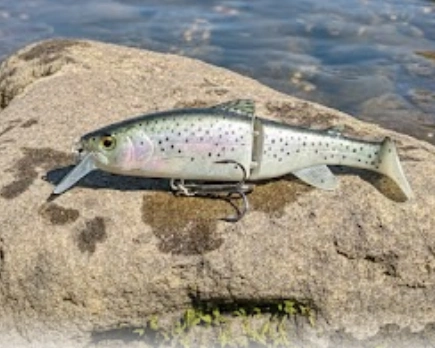
River2Sea S-Waver 120 — Best Spring Glide Bait for Follower Pike & Trophy Pre-Spawn Fish (2026)
River2Sea S-Waver 120 is the lure we tie on when spring pike are present, active, and clearly interested — but won’t fully commit. You make a cast, you see the fish follow, maybe turn behind the bait… and then nothing. That’s not a bad sign. That’s a perfect glide-bait scenario.
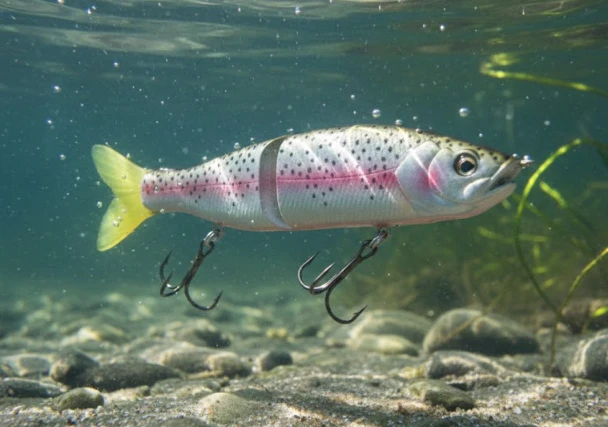
During pre-spawn, big pike often move shallow but remain cautious. They’re feeding, but they’re also evaluating. Fast baits can spook them. Small baits can look irrelevant. A glide bait solves that problem by doing one thing exceptionally well: it stays visible, slow, and threatening without rushing away.
The S-Waver 120 has a wide, controlled S-motion that lets you dictate the pace. You’re not burning water — you’re letting the fish study the bait. And when a big pre-spawn pike decides, it usually decides hard. That slow side-to-side glide flips the switch from curiosity to commitment. This is a lure for fish that already showed themselves.
How We Fish It in Spring
Cast past the follower zone → slow pull → pause → repeat. We’re not ripping or snapping. Most of the time, the best retrieve is almost boring. Let the bait glide, stop it completely, then let it glide again. Many strikes come right after the pause, when the bait starts moving again. If you rush a glide bait, you kill its purpose.
Where It Excels
This bait shines on shallow warming flats, bay interiors, inside weed edges, and staging areas just outside spawning zones. These areas warm faster in spring — especially darker-bottom flats — which pulls baitfish in first and puts big pike right behind them. Anywhere you’ve already seen or felt fish but can’t trigger them, the S-Waver belongs there. It pairs perfectly with the movement logic from our spring pike fishing system — locate fish first, then slow down and force a decision.
Best Colors
For spring conditions, we stick to realistic baitfish patterns. Rainbow Trout is our top choice because it looks natural in clear to lightly stained water and stays believable during long pauses. Glide baits aren’t about flash — they’re about confidence and patience.
Selected Version
We recommend the 120 size for spring. It’s large enough to interest trophy fish, but still manageable on standard gear. It casts clean, tracks predictably, and gives you full control over speed and glide width. Perfect for long pauses and deliberate presentations.
River2Sea S-Waver 120 is our closer bait. When spring pike show themselves but won’t bite spoons or jerkbaits, this glide bait finishes the job. It’s not about numbers — it’s about landing the fish that actually matters.
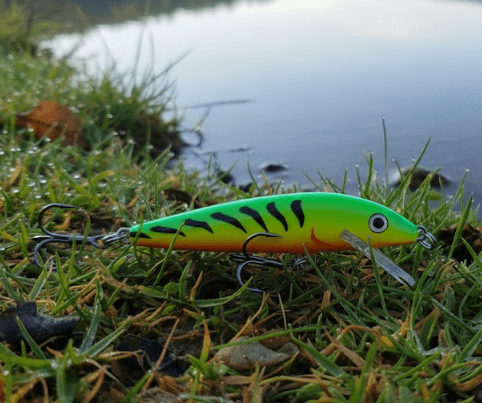
Rapala Original Floater F11 — Best Shallow Spring Pike Lure for Warm Bays & Reed Flats (2026)
Rapala Original Floater F11 is the lure we use when spring pike are finally shallow — but still not fully summer active. This is the classic pre-spawn situation: the bay is warmer, bait is present, fish are cruising, and you need a bait that stays high in the water without racing away.
Modern lures can be amazing, but the Floater keeps winning for one simple reason: it lets you fish ultra-shallow without constant snagging or digging. You can work it over reed stubble, scattered weeds, and skinny flats where big pike slide in to feed when the sun warms the surface. And because it floats, you can pause it safely — which is exactly what cold-water fish want.
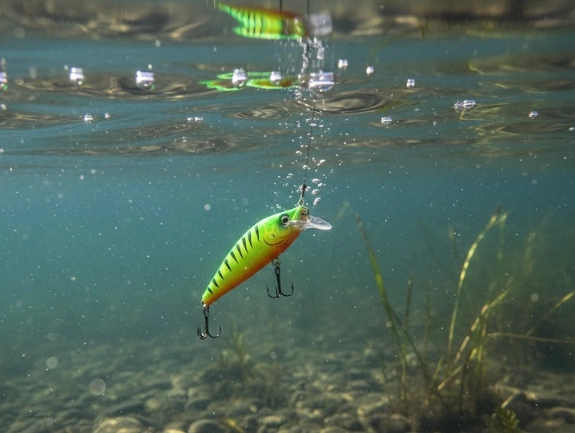
In spring, shallow water can warm fast. A small temperature difference matters. When the surface creeps into roughly 8–14°C (46–57°F) on sunny afternoons, pike often push into 0.5–1.5 meters (1.5–5 ft) of water. That’s too shallow for many jerkbaits and too weedy for many spoons. The Floater lives here. It runs shallow, tracks true, and pauses without sinking into vegetation.
The biggest advantage is the pause. With a suspending bait, you can hang in place — great for staging. But on ultra-shallow flats, a floating bait is safer and more natural. You twitch it, it dives, then you pause, and it slowly rises like a wounded minnow trying to escape. That rise triggers bites. It’s not flashy. It’s just believable.
How We Fish It in Spring
Cast long, twitch once or twice, then pause. Sometimes we let it sit until the rings disappear. Then one slow pull, another pause. If fish are aggressive, you can do a gentle steady retrieve. But most spring bites come when the bait is barely moving. Slow and shallow is the entire point.
Where It Excels
This lure is made for warming bays, reed flats, skinny backwaters, and dark-bottom shallows. Those darker bottoms matter because they absorb sunlight and warm faster, which pulls baitfish in first — and pike follow. When spring conditions line up, these shallow zones often turn on before anything else in the system.
Best Colors
Natural minnow patterns in clear water. Slightly brighter or higher contrast in stained bays. But the real color advantage here is the profile and the slow rise on the pause.
Selected Version
We recommend the F11 size. It’s the sweet spot: big enough to attract pike, small enough to fish all day without fatigue, and it casts well even in light spring wind. Paired with a strong leader, it becomes a reliable shallow-water tool.
Rapala Original Floater F11 is the simplest spring lure in this list — and one of the most effective. When pike are shallow and the water is warming, this bait keeps you in the strike zone without snagging, overworking, or scaring fish.
Final Picks — Spring Pike Lures That Actually Work
Best for cold-water search and covering water fast early in the season.
Best suspending jerkbait for staging pre-spawn fish.
Best finesse option for clear and pressured water.
Best reaction lure for wind, stain, and aggressive bites.
Best glide bait for trophy fish hunting shallow.
Best ultra-shallow classic for warm bays and reed flats.
Spring Pike Lures FAQ (2026)
What are the best spring pike lures in 2026?
The best spring pike lures are baits you can control across changing conditions: a spoon for flash on migration routes, suspending jerkbaits for staging edges, a bladed jig for wind and stain, a glide bait for followers, and a floating minnow for shallow warming zones. These lure types remain effective throughout the entire spring — the key difference is how you present them.
Do the same lures work after spawning in spring?
Yes — the same spring pike lures continue to work after spawning. The main adjustment is presentation: slightly faster retrieves, more aggressive movement, and covering more water as fish become more active.
At what water temperature do pike start biting in spring?
Spring pike activity usually begins once water temperatures rise above about 4°C (39°F), with stronger feeding windows developing in the 7–12°C (45–54°F) range. Stable warming trends tend to trigger more reliable bites.
Should I use spoons or jerkbaits for spring pike?
Use a spoon when you need to search and cover water along channels, bay entrances, and wind-blown banks. Switch to a suspending jerkbait when fish are present but not committing — controlled twitches and pauses often trigger strikes.
What spring pike lures work best in clear water and pressured lakes?
In clear or pressured conditions, a finesse suspending minnow with subtle movement and longer pauses is often the best option. Smaller, natural profiles convert follows into strikes when aggressive lures fail.
What is the best spring pike lure for windy or stained water?
In wind or low visibility, a reaction bait with strong vibration stands out. A bladed jig (ChatterBait style) is one of the most reliable choices for triggering instinct strikes.
Are glide baits effective for spring pike?
Yes — glide baits are highly effective in spring because they stay slow, visible, and threatening. They work especially well when pike follow other lures but hesitate to strike.
Where do pike hold during the spring season: shallow or deep?
Spring pike shift between staging zones and shallow warming areas. Early in the season they often hold deeper in 3–6 m (10–20 ft) zones, then move progressively into 0.5–1.5 m (1.5–5 ft) water as conditions improve.
See You on the Water — Share Your Spring Pike Results
Spring pike fishing rewards anglers who move, search, and adapt. Find warmer water. Follow bait. Fish slow when needed. Speed up when they chase. And most importantly — use lures that actually match the season.
These six baits cover 90% of real spring situations we face every year. Cold mornings, windy afternoons, shallow warming bays, staging edges — you now have a tool for each one. No guesswork. Just execution.
Catch something good?
Share your photos, setups, and stories with our
Master Fishing Guide Facebook Page.
We regularly feature real catches from real anglers.
Because at the end of the day, this isn’t theory — it’s time on the water.