

Best Winter Deadbaits for Pike 2025 (Smelt, Herring, Roach & Sardines Explained)
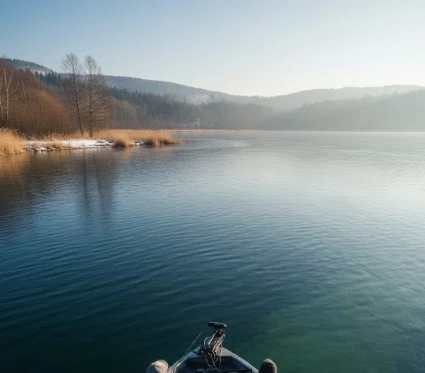
When cold water settles across lakes, rivers, and canals, pike stop behaving like an aggressive predator and shift into a controlled, energy-saving mode. Their movements become minimal, their feeding windows narrow, and every decision they make is based on conserving strength. In these conditions, winter deadbait becomes the most reliable way to catch pike—not because it is exciting, but because it delivers exactly what a cold-water fish wants: a slow, effortless, natural meal.
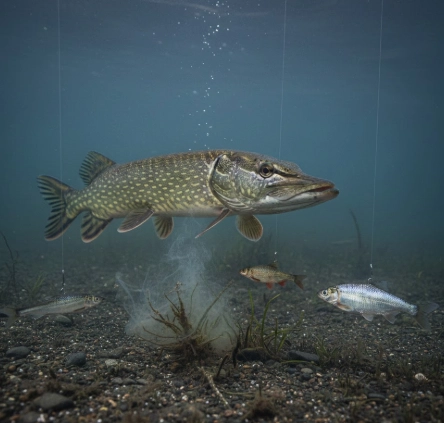
The most important part of winter fishing is understanding where pike actually position themselves. They rarely cruise. They rarely chase. They sit in the most stable cold-water layer and wait for an opportunity that doesn’t require effort. If your bait is not placed inside that layer, you are simply not fishing for the same fish. For a clear breakdown of how these winter layers form and how pike choose their depth, see the winter pike depth guide, which explains the cold-water structure better than any calendar ever could.
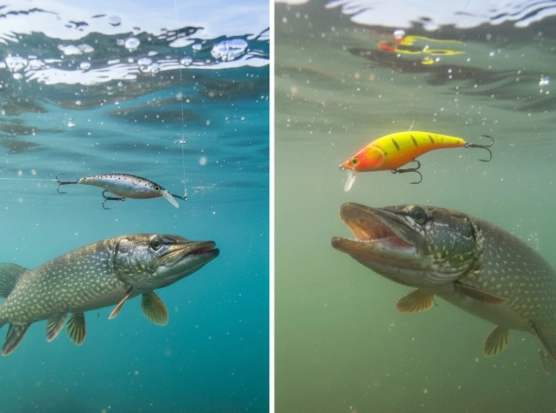
Deadbait works because it removes the need for movement. A pike may ignore fast lures all day, but it will not ignore a natural baitfish that smells right, sits still, and looks like an easy target. Each baitfish species interacts differently with cold water: smelt spreads a long, clean scent trail, herring releases strong oil dispersion, roach matches the natural forage profile, and sardines create flash and presence in low visibility. These differences matter, especially when pike feed only a few minutes per hour.
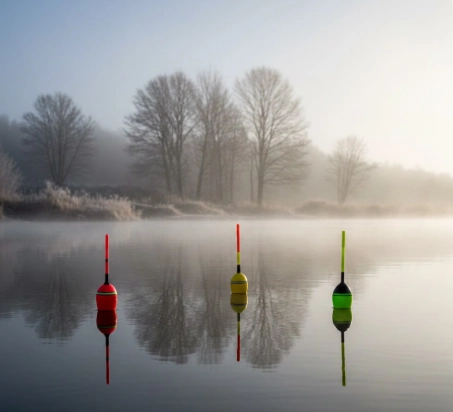
But choosing the right deadbait is only half of the equation. Presentation decides everything. A smelt lying too high will be ignored. A herring buried in silt loses effectiveness. A roach that spins in the flow looks unnatural. A sardine presented at the wrong angle can push cautious fish away. Winter pike are slow but not stupid—your bait must enter their feeding zone naturally, match their mood, and stay stable.
This guide breaks down all four major winter deadbaits—smelt, herring, roach, and sardines—and explains how each behaves in cold-water conditions, when to use it, where it works best, and how to avoid the mistakes that cost fish. Once you understand how pike think when the water is cold and stable, choosing the right deadbait becomes one of the simplest and most effective decisions in winter fishing.
Smelt Deadbait for Winter Pike (Cold-Water Scent Advantage)
Smelt is one of the most consistent cold-water deadbaits for winter pike, especially when the fish are barely moving and relying almost entirely on smell rather than sight. The moment smelt hits the water, it begins releasing a clean, penetrating scent trail that travels far in cold, stable layers. This slow, natural dispersion is exactly what triggers pike that refuse to chase anything during the winter slowdown.
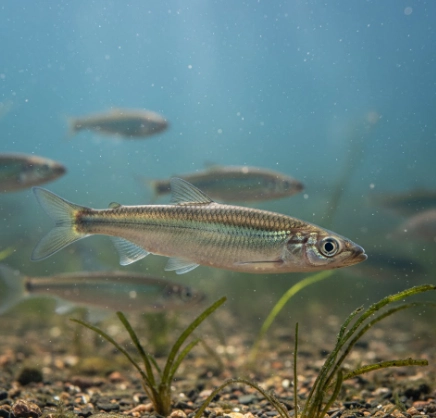
Unlike bulkier deadbaits, smelt creates a long-range scent signal without overwhelming the area. In cold water, where pike hold tight to specific depth bands, that gentle trail often reaches the fish before the bait even settles. A pike that would never accelerate toward a lure will still shift a meter or two to intercept a natural scent drifting directly into its zone.
Another major advantage of smelt is its natural, slim profile. It looks like a weak, dying baitfish—exactly the type of target a winter pike prefers. When the water is cold, pike avoid meals that look like effort. Smelt lying still or slightly lifted in the strike lane appears effortless, safe, and familiar. This realistic presence is why smelt often outfishes larger, oilier deadbaits when pike are cautious or pressured.
The most common mistake anglers make is placing smelt too high or too low in the water column. Pike rarely adjust their depth during winter, and even a difference of one meter can kill your chances. To understand how these strike zones form and how cold-water layers control pike movement, it helps to revisit the winter pike fishing guide, which explains how winter predators position themselves when the water stabilizes.
Smelt performs best when fished close to the stable layer where pike rest during cold-water periods. In lakes, this is often just above the bottom in deeper basins. In rivers with reduced flow, smelt works extremely well along channel edges, slow bends, and downstream pockets where the scent can drift naturally without spinning the bait. On canals, a smelt placed a few centimeters off the deck is often enough to trigger fish that ignore every other offering.
Rigging smelt correctly is simple but important. Because the flesh is softer than roach or sardine, it should be hooked delicately—not crushed or over-tightened. A natural head-first orientation mimics the way dying baitfish settle in cold water. Keeping the bait steady is crucial; smelt that rolls unnaturally or lifts too high can break the illusion and push cautious fish away. Winter pike expect slow, predictable movement, not erratic drifting.
When conditions get tough—flat calm days, pressured waters, sudden cold snaps—smelt often becomes the number-one option. Its gentle scent, natural appearance, and effortless profile align perfectly with how pike behave when the water is cold and energy conservation rules their world.
Herring Deadbait for Winter Pike (Heavy Oil for Low Visibility)
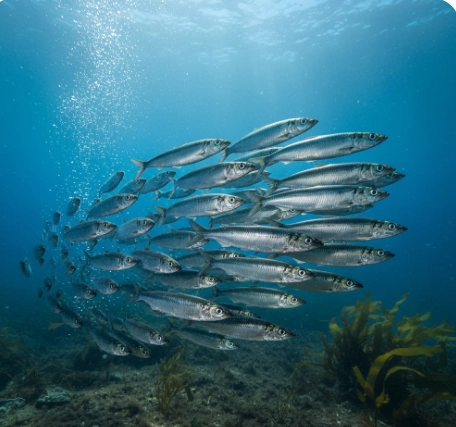
Herring is one of the most powerful cold-water deadbaits for winter pike, especially when visibility is low and predators must rely on scent instead of sight. Its natural oil content releases a dense, slow-moving scent cloud that spreads through cold, stable layers far better than lighter baitfish. This heavy dispersion is exactly what triggers large, inactive pike that refuse to chase or investigate anything fast during winter.
Why Herring Dominates in Cold Water
The secret is the high oil concentration. In cold water, where movement slows and scent travels more gradually, herring creates a long-lasting signal that big pike can detect even when they barely shift from their holding zones. This oil trail tells the predator that a weakened baitfish is close, offering a high-energy reward with almost no effort—perfect for a fish that must conserve energy to survive winter.
Herring also provides a wide, strong visual profile. Even when the water is murky or light levels drop, its body reflects enough contrast for pike to confirm the target once they follow the scent. This combination of scent + presence is why herring continues to catch fish on days when other deadbaits go unnoticed.
Best Cold-Water Situations for Herring
Herring is unbeatable in low-visibility cold-water conditions: snowmelt, cloudy days, storms, after sudden pressure drops, and anywhere the water becomes stained. These are moments when pike shut down visually and depend almost entirely on smell to locate food. A big winter pike is far more likely to respond to a strong scent trail than a subtle deadbait during these periods.
Placement matters. If you position herring above the holding layer, its scent disperses in the wrong direction. Too low, and the bait becomes invisible. Winter pike rarely adjust their depth more than necessary, so matching the correct cold-water layer is critical. Once the scent reaches the fish, they may approach slowly, inspecting the bait for long periods before committing.
This is where gear control matters as well. Keeping herring steady—without spinning or drifting—requires a smooth, reliable reel capable of controlled tension in freezing conditions. For a deeper look at how reel performance affects winter presentation, see the winter pike reels guide, which explains why stability and line control are essential in cold-water fishing.
How to Present Herring Naturally
A stable, natural presentation is the key to catching pike with herring in cold water. Because herring is softer and oilier than other baits, it must be positioned so it does not twist or roll. Pike watching from a short distance will instantly reject anything that behaves unnaturally. Head-first orientation often works best, especially in slow-moving winter rivers or lakes with barely any water movement.
When winter becomes harsh and visibility collapses, herring becomes the number-one deadbait for targeting big, slow-moving pike. Its powerful scent trail, strong silhouette, and natural cold-water behavior make it a dominant choice on the toughest days of the season.
Sardine Deadbait for Winter Pike (Flash, Oil, and Heavy Presence)
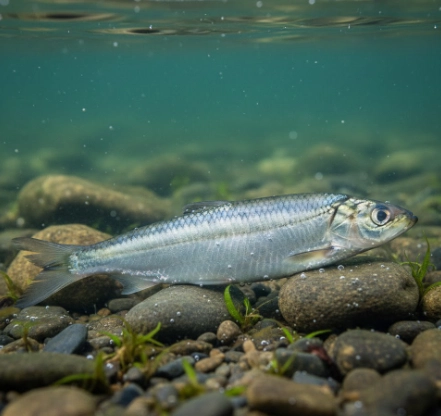
Sardines are one of the most aggressive cold-water deadbaits you can use for winter pike. They combine strong oil release, bright flash, and a heavy profile that immediately stands out in deep or stained winter water. When pike switch to slow feeding and rely on scent more than sight, sardines provide the perfect combination of attractants to draw predators from distance.
Why Sardines Perform in Cold Water
The key advantage of sardines is their high oil output. Even in very cold, dense water layers, sardine oil disperses gradually and leaves a thick scent trail that inactive pike detect easily. This is especially effective during low-light periods, storms, or snowmelt when visibility drops and subtle deadbaits become nearly invisible. Sardines offer both scent and a bold visual presence, making them ideal for large, sluggish winter fish.
Another strength is their natural flash. The silver-blue sides of a sardine reflect light even in poor visibility, giving the predator a clear target once it follows the scent. Pike often approach slowly in winter, inspecting baits for long periods. A sardine lying naturally on the bottom or slightly lifted in the strike lane provides enough visual confirmation to trigger a commitment.
When to Use Sardines for Winter Pike
Sardines excel on big, deep, and low-visibility waters—reservoirs, wide canals, and large lakes with dark winter conditions. They are also extremely effective after sudden pressure changes or during warm fronts when pike shift slightly and begin feeding opportunistically. In these situations, the larger profile and strong scent plume outperform subtle baits like roach or smelt.
Because sardines are heavier and produce more resistance in the water, many anglers prefer using a strong winter rod for accurate casting and better control over the bait’s position. For detailed guidance on rod choice during cold-water fishing, the winter pike rods guide explains exactly how rod power influences stability and deadbait presentation.
How to Present Sardines Naturally in Cold Water
Presentation must be clean and stable. Sardines can twist or tear if cast too aggressively or placed in areas with swirling micro-currents. A natural head-first orientation works best, especially when slightly lifting the bait off the bottom to prevent it from burying itself in silt. Stability is everything—pike will reject a sardine that spins unnaturally or lifts too high off the strike lane.
Because winter pike often take time to inspect large baits, sardines should be positioned in a precise cold-water depth window rather than scattered across multiple depths. Pike rarely adjust vertically in winter, so accuracy matters more than volume. A well-presented sardine in the correct layer consistently outperforms more subtle baits on tough winter days.
In summary, sardines are the ideal choice when you need maximum scent, flash, and presence in cold, low-visibility winter conditions. They attract bigger fish, hold their profile well, and offer a bold target that even inactive pike find hard to ignore.
Roach Deadbait for Winter Pike (Natural Forage Match)
Roach is the most natural-looking deadbait you can put in front of a winter pike. In many European lakes, canals, and rivers, roach are the primary forage fish, which means pike see them every day of their life. When water cools down and predators become selective, a dead roach lying exactly in the right cold-water layer looks like the safest, most familiar meal a pike can take without risk.
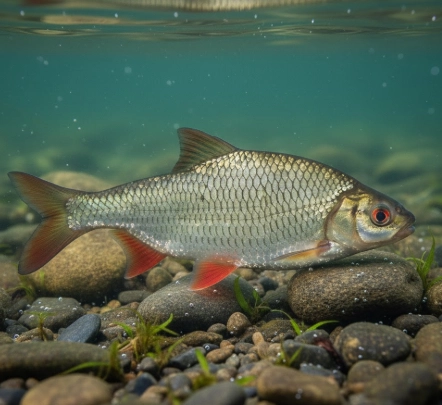
The real strength of roach is simple: it matches what pike already hunt. In clear water, pressured venues, or heavily fished canals, big pike often refuse strange shapes or overly oily baits. A correctly presented roach in winter does not look like a trick; it looks like just another weak baitfish that failed to survive the cold. That “normal” profile is why roach keeps catching fish even when other deadbaits slow down.
Why Roach Works So Well in Clear Water
In clear or lightly stained water, pike rely heavily on visual inspection before committing. They follow scents, but they decide based on what they see in the last second. A roach lying still in the strike lane, with a natural shape and familiar scale pattern, fits perfectly into what a cautious winter pike expects to see.
Roach doesn’t scream for attention like sardines or big herring. Instead, it blends into the environment exactly how real forage does. This is a huge advantage on pressured waters where pike have seen every lure, every noisy presentation, and every unnatural deadbait setup. When they finally decide to feed in a short winter window, a well-presented roach often gets the take simply because it looks “normal”.
Best Situations for Roach Deadbait
Roach shines in clear, medium-visibility, or heavily pressured waters where pike are wary and easily spooked by unnatural shapes. It is especially effective in:
- Canals with regular boat traffic and educated pike that have seen everything.
- Small to medium-sized lakes where roach are the dominant prey species.
- Slow rivers, side arms, and back bays with stable winter temperature layers.
Wherever pike feed regularly on live roach in autumn, dead roach becomes the logical winter follow-up. The same fish that chased live shoals in October and November now sit deeper and move less, but they are still tuned into the same forage. When you place a roach deadbait in their chosen depth band, you are not “offering a bait” – you are simply delivering the same meal in an easier form.
If you are unsure where that depth band actually sits on your water, the winter pike depth guide will help you pin down the most stable winter layer so your roach isn’t wasted one or two meters above or below the fish.
How to Present Roach Naturally in Cold Water
The biggest mistake with roach deadbait is over-complicating the presentation. Winter pike do not need drama; they need an easy, safe meal exactly where they are resting. Your only job is to keep the roach stable, natural-looking, and positioned right inside the cold-water strike lane.
In still or very slow-moving water, roach works best when it is either lying naturally on the bottom or lifted slightly above it, just enough to stay visible without hovering unrealistically. Any spinning, excessive lift, or unnatural angle will kill the illusion. Pike will follow the scent, inspect the bait, and then simply turn away if something looks wrong.
Because roach has firmer flesh than smelt but less oil than herring or sardines, it is perfect for long, static winter sessions. It holds the hook well, keeps its profile, and continues to look natural even after hours in cold water. When you place it in the correct layer and leave it to do its job, roach often produces the cleanest, most confident winter takes you will see all season.
On clear, pressured venues where pike have seen every trick, roach remains the most honest deadbait you can use – a familiar forage fish presented slowly, naturally, and exactly where cold-water predators expect to find it.
Frequently Asked Questions About Winter Deadbait for Pike
What is the best deadbait for winter pike?
The “best” winter deadbait depends on your water and conditions. Smelt is often the most consistent cold-water option thanks to its clean scent trail and natural slim profile. Roach is usually best on clear, pressured venues where pike are used to seeing it as everyday forage. Herring and sardines dominate in low-visibility water where their strong oil output helps pike find the bait from distance.
When should I use oily deadbaits like herring and sardines?
Use herring and sardines when visibility is poor – snowmelt, storms, color in the water, or dark deep basins. Their high oil content creates a dense, slow-moving scent cloud that helps big winter pike locate the bait even when they hardly move. On big reservoirs, wide canals, or stained lakes, oily deadbaits usually outperform subtle options.
How deep should I fish deadbait for pike in winter?
In winter, pike usually sit in the most stable cold-water layer, not randomly across the whole depth range. Your deadbait should always be placed inside that layer, never a meter or two above or below it. On many deep lakes this means just above the bottom, while on canals and rivers it can be mid-depth along breaks and bends. For a more detailed breakdown of depth and temperature, the winter pike depth guide explains how to find the real strike zone.
Is deadbait better than lures for pike in cold water?
Once water drops into true winter temperatures, deadbait usually outfishes lures. Pike reduce their movement, feed in short windows, and look for easy meals that do not require chasing. A correctly placed smelt, roach, herring, or sardine gives them a slow, natural, low-effort target. Lures can still work during brief activity spikes, but deadbait is the more reliable method through long, cold periods.
Can I use more than one type of deadbait in the same session?
Yes. Mixing deadbaits in the same session is one of the smartest ways to dial in what winter pike really want that day. You might fish smelt on one rod, herring or sardine on another, and roach on a third. Over a few hours, takes will usually show a clear favorite. Once you see a pattern, swap the weaker baits over to whatever is getting consistent pickups.
Does rig choice matter as much as the deadbait itself?
Yes – especially in cold water. The right rig keeps your deadbait stable and locked in the exact strike lane, while the wrong one lets it spin, lift too high, or bury in silt. Running lead setups, paternoster rigs, and static bottom ledger rigs all have their place depending on depth and flow. Deadbait choice and rigging must work together if you want consistent winter results.
Closing Insights
Winter pike are easy to understand once you accept that they feed only when a bait enters their exact depth and requires zero effort to eat. Every deadbait in this guide—smelt, herring, roach, and sardines—works for a different reason, but all succeed only when presented naturally inside the stable cold-water layer.
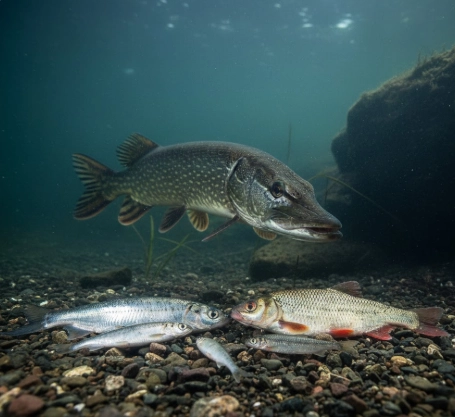
Whether you’re fishing deep lakes, slow rivers, or pressured canals, the winning approach never changes: slow, precise, and positioned exactly where the fish are resting. Winter pike don’t chase; they wait. Put the right bait in front of them and they respond.
For anglers who want a deeper understanding of how weather, pressure systems, and underwater structure shape fish behavior, the data-driven insights from NOAA’s environmental research provide a reliable foundation for reading winter conditions more accurately.
Dial in the depth, stabilize the presentation, and winter deadbait fishing becomes one of the most predictable techniques in cold-water predator fishing.